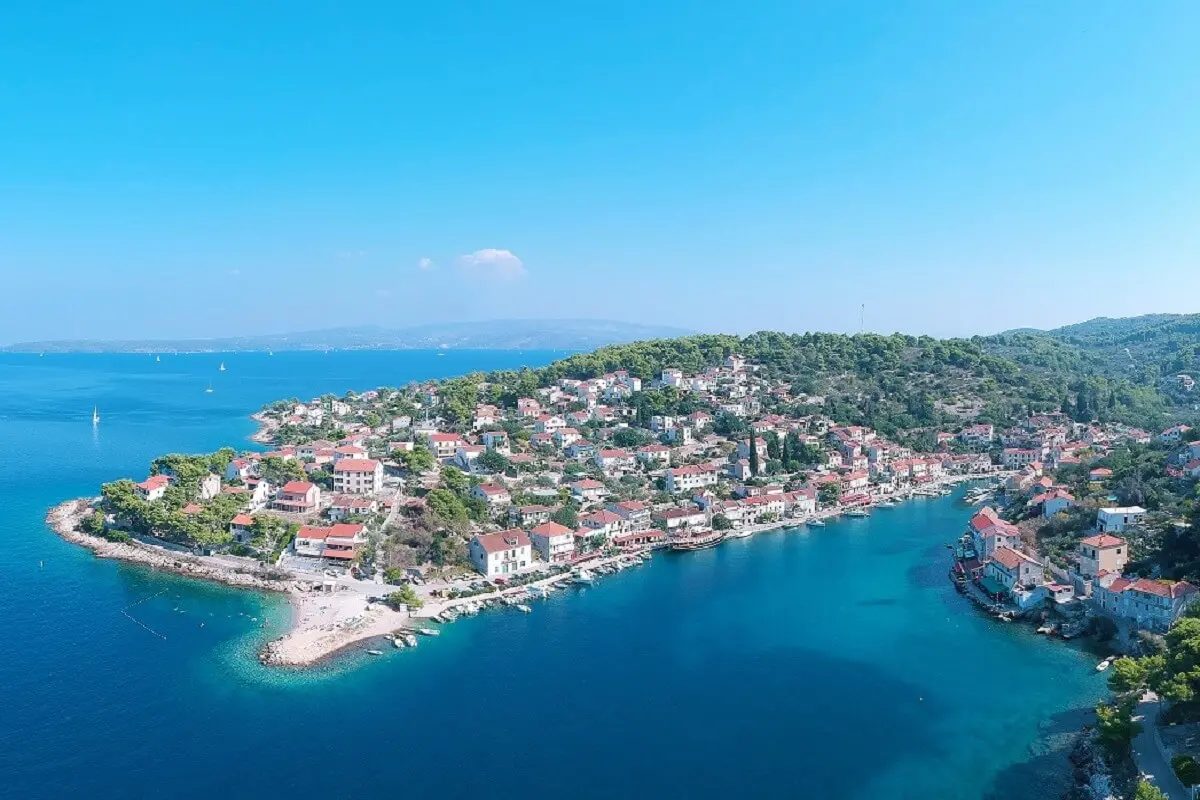
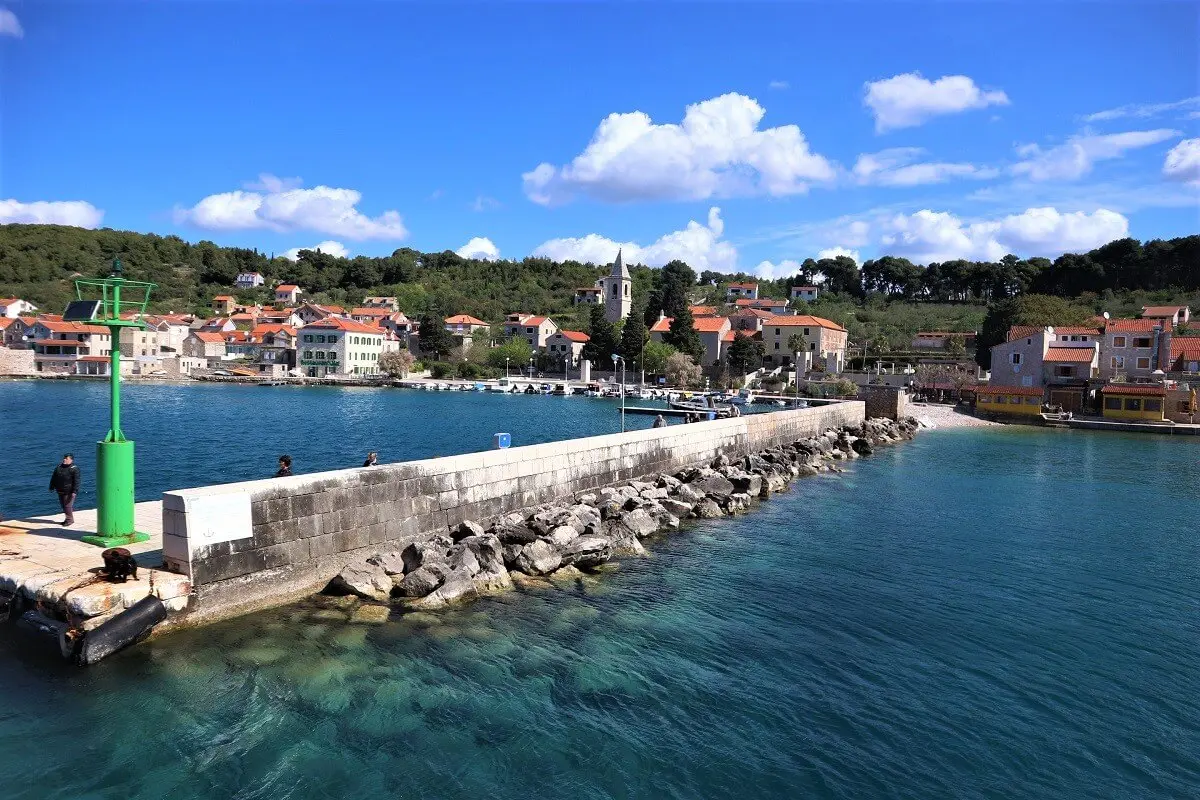
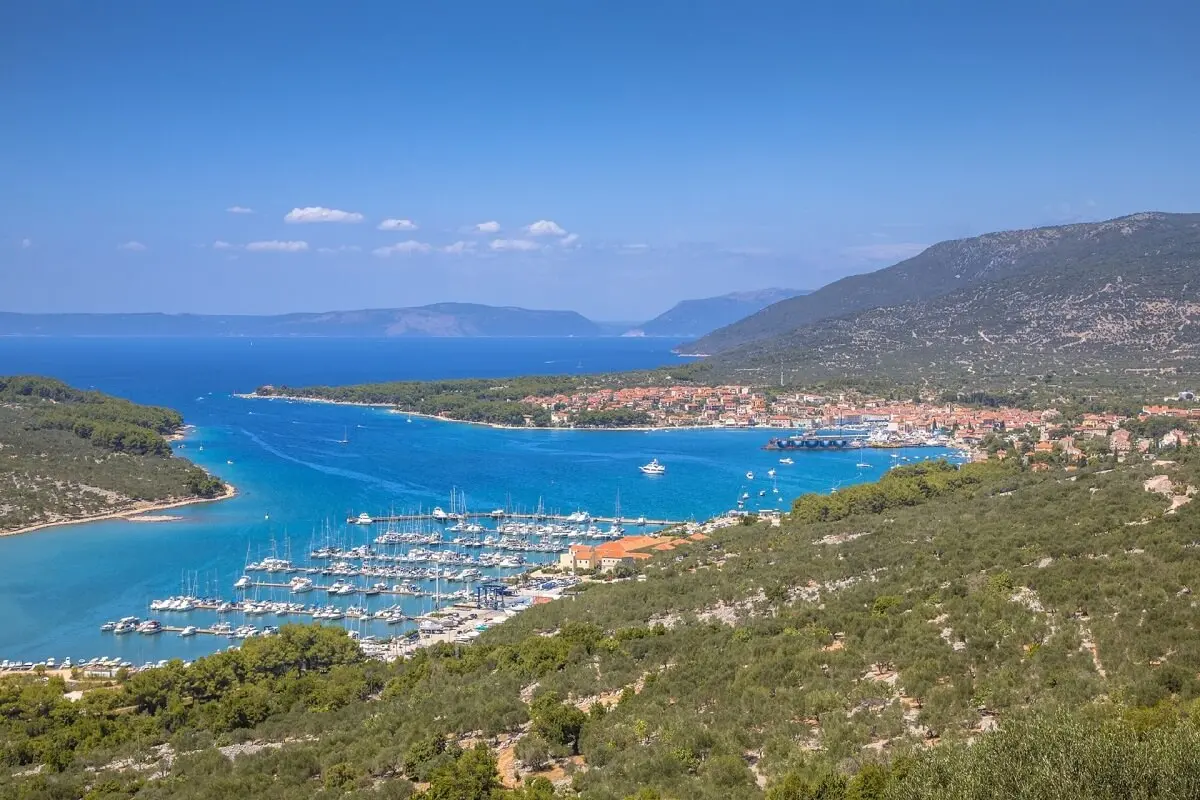
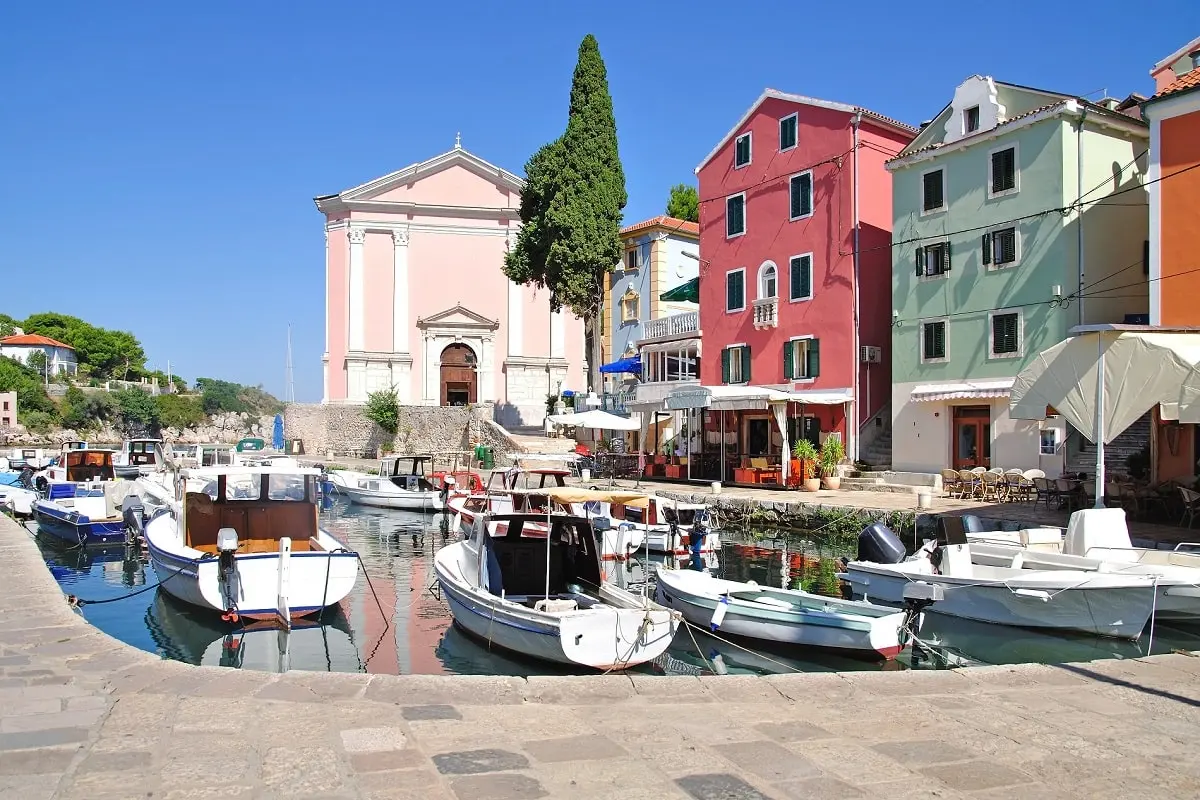
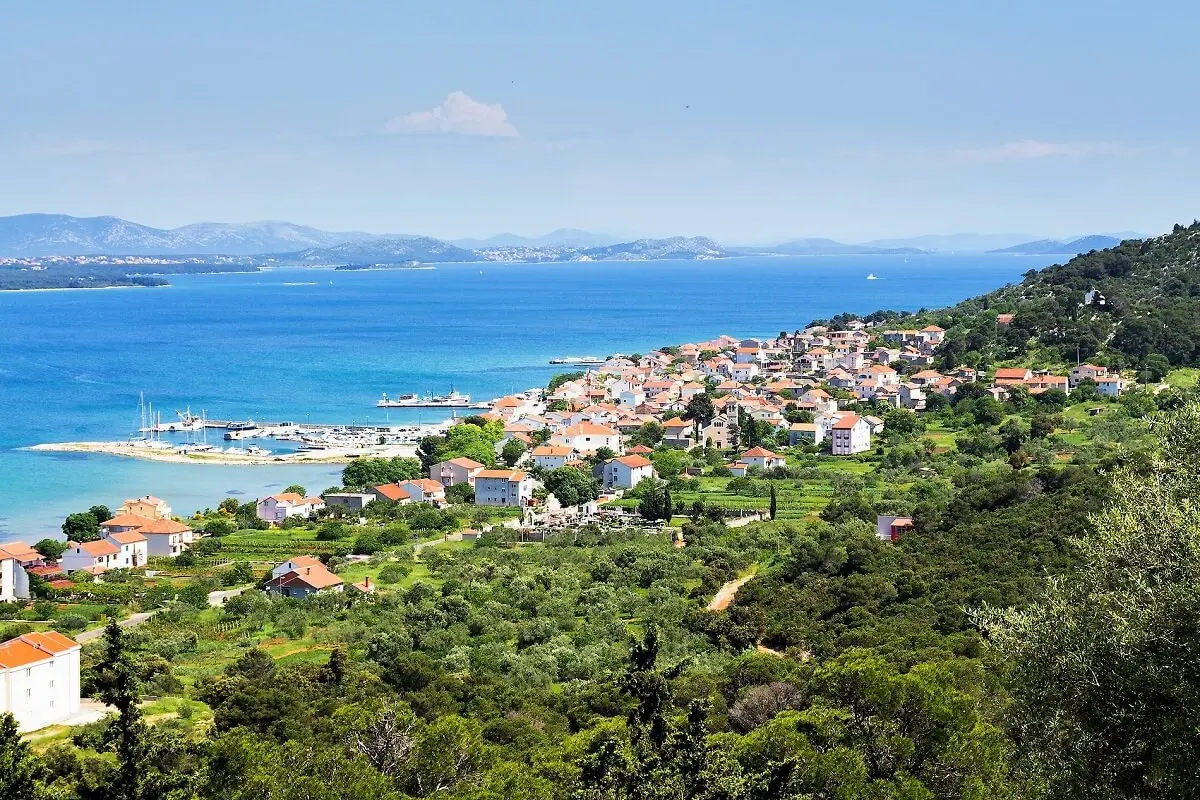
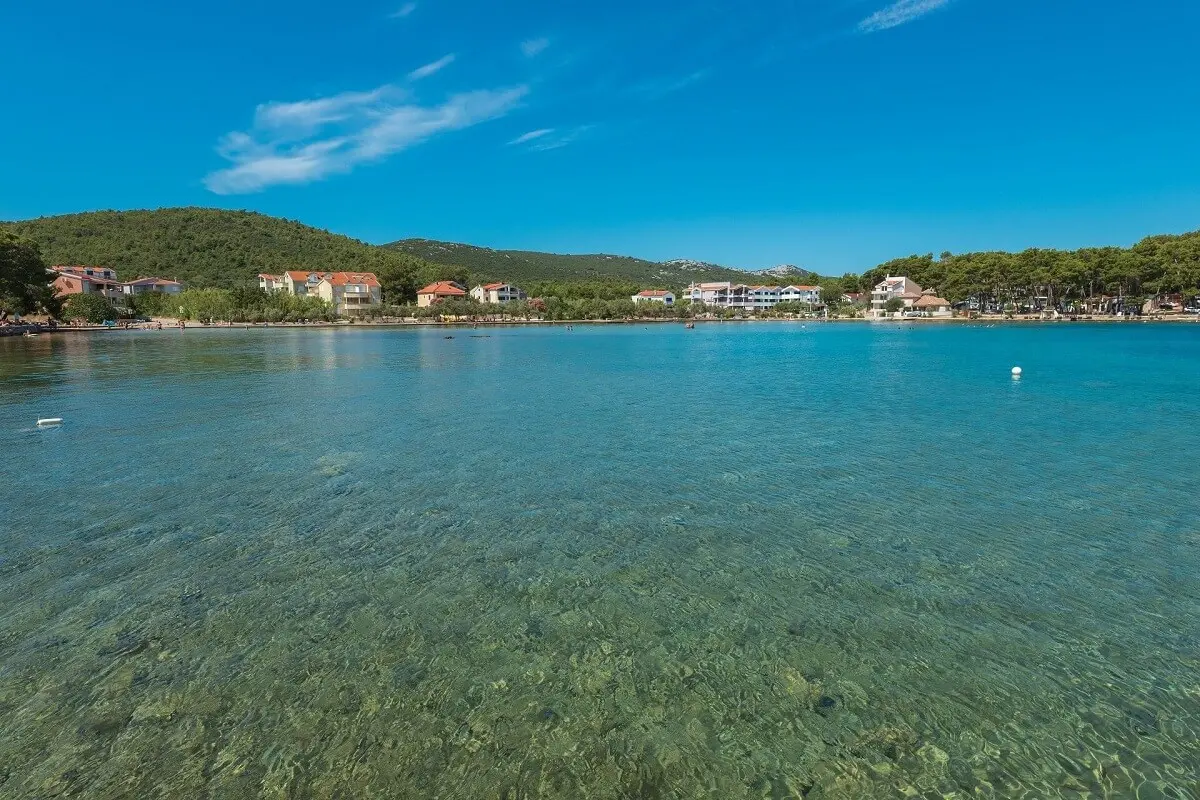
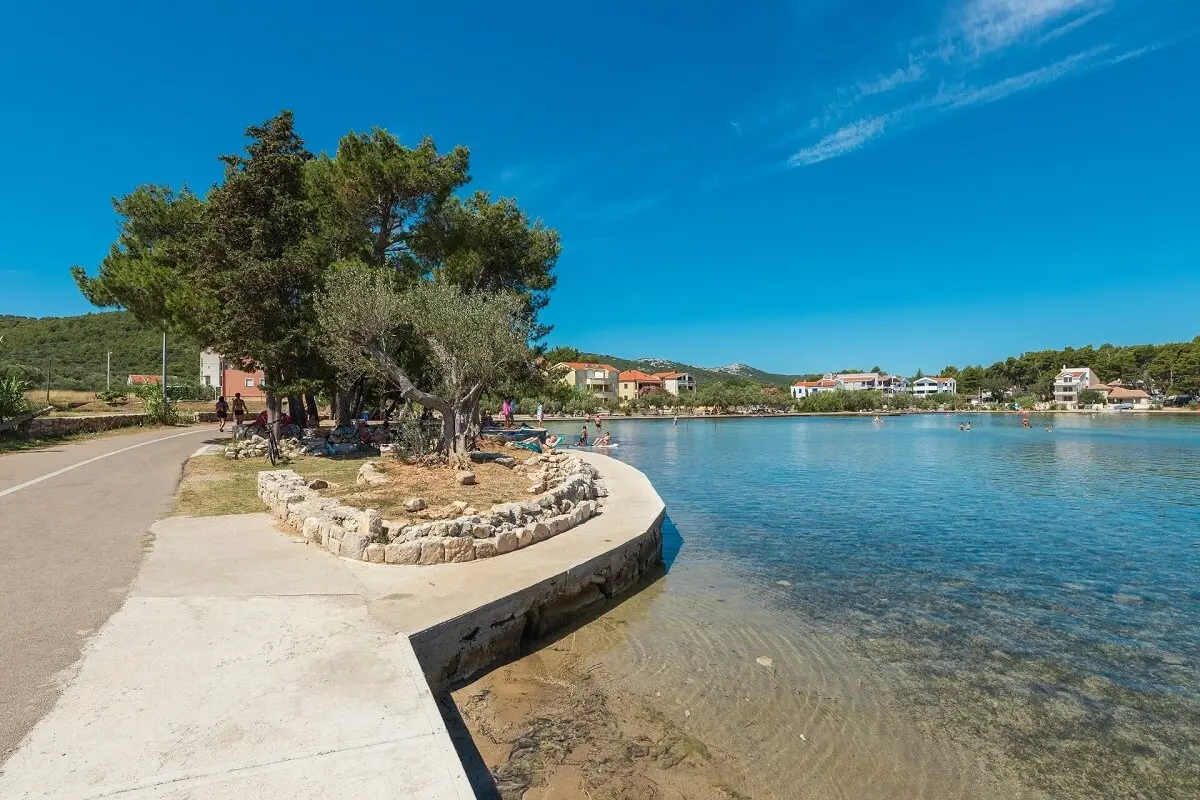
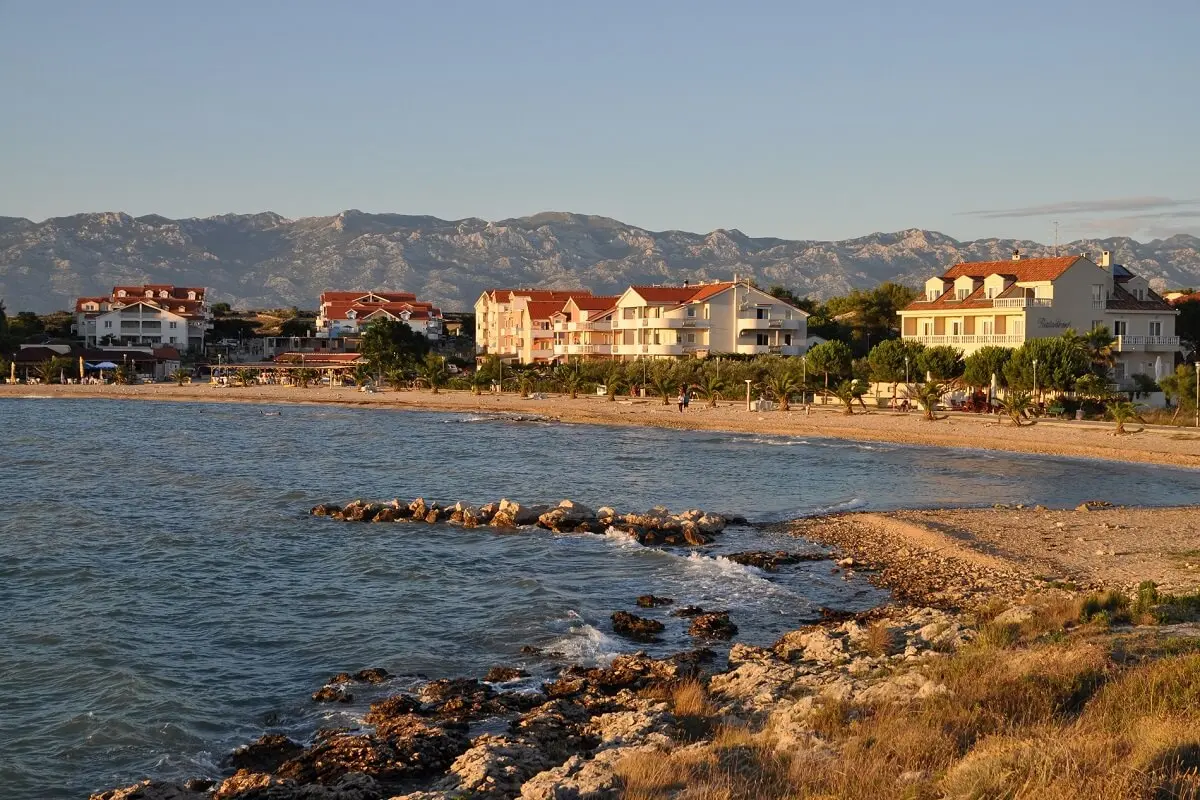
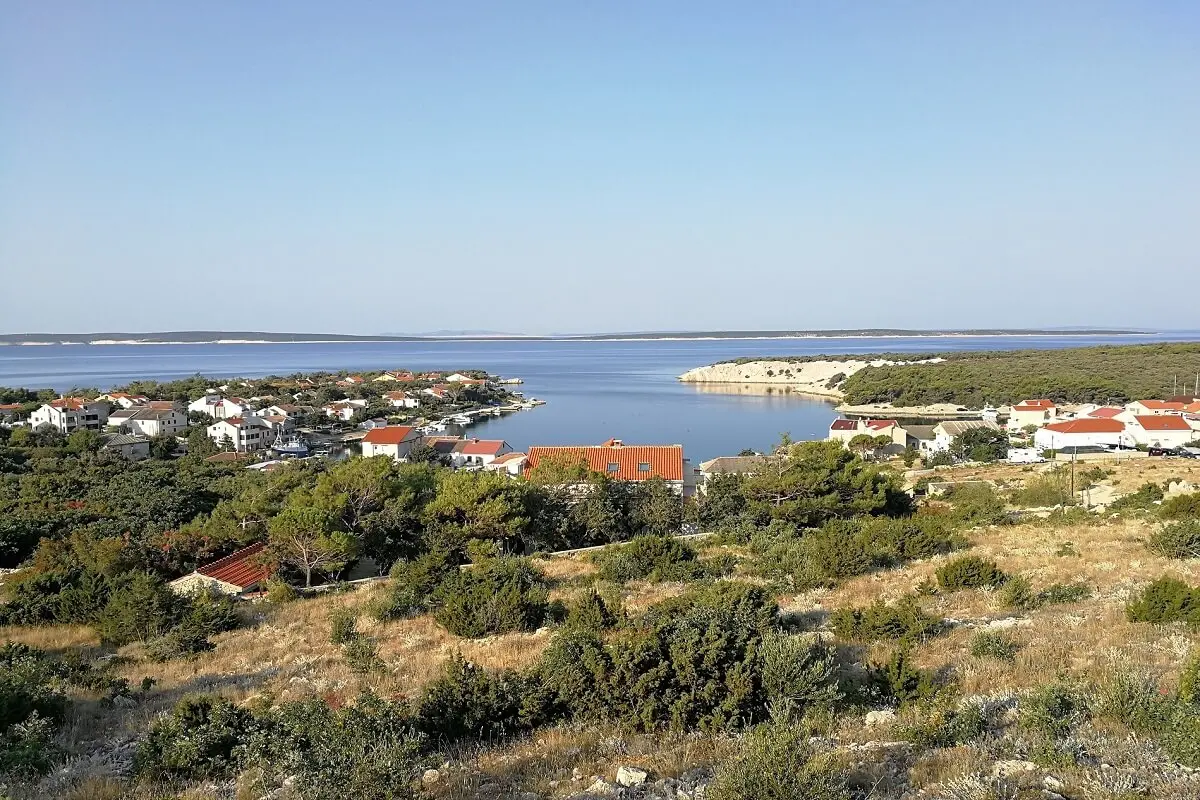
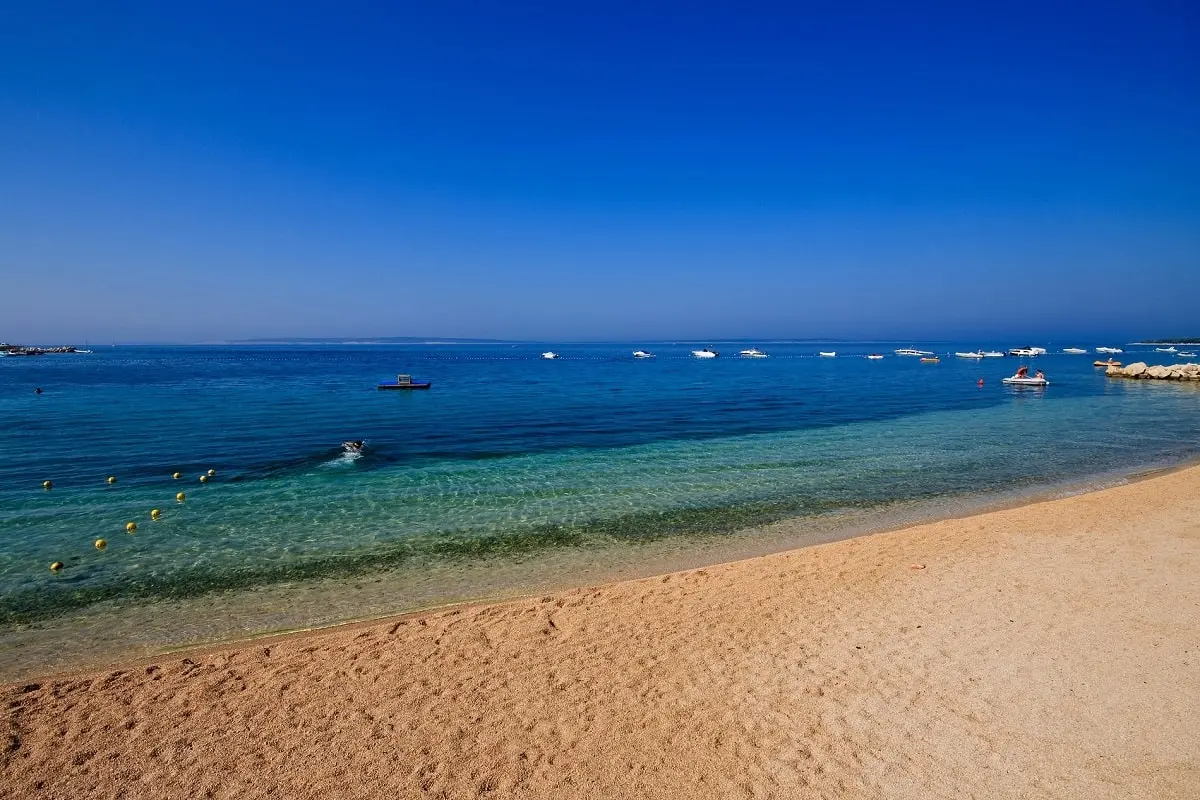
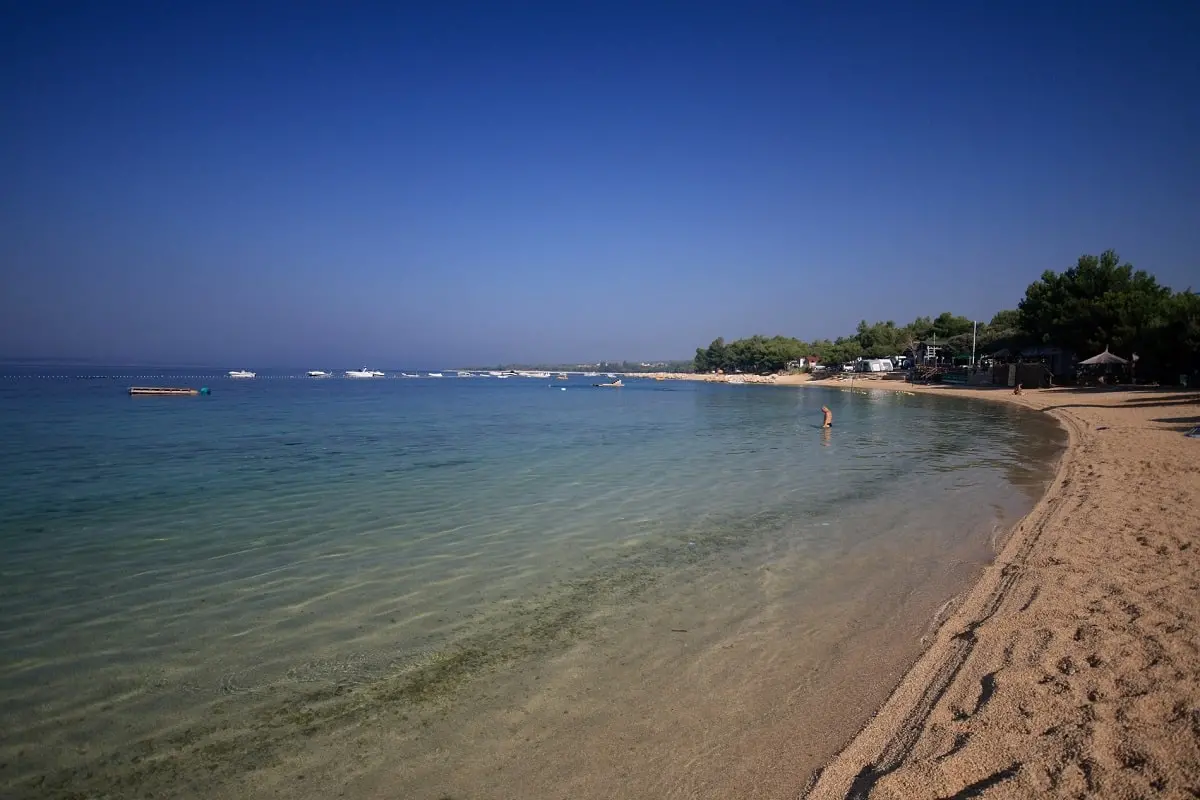
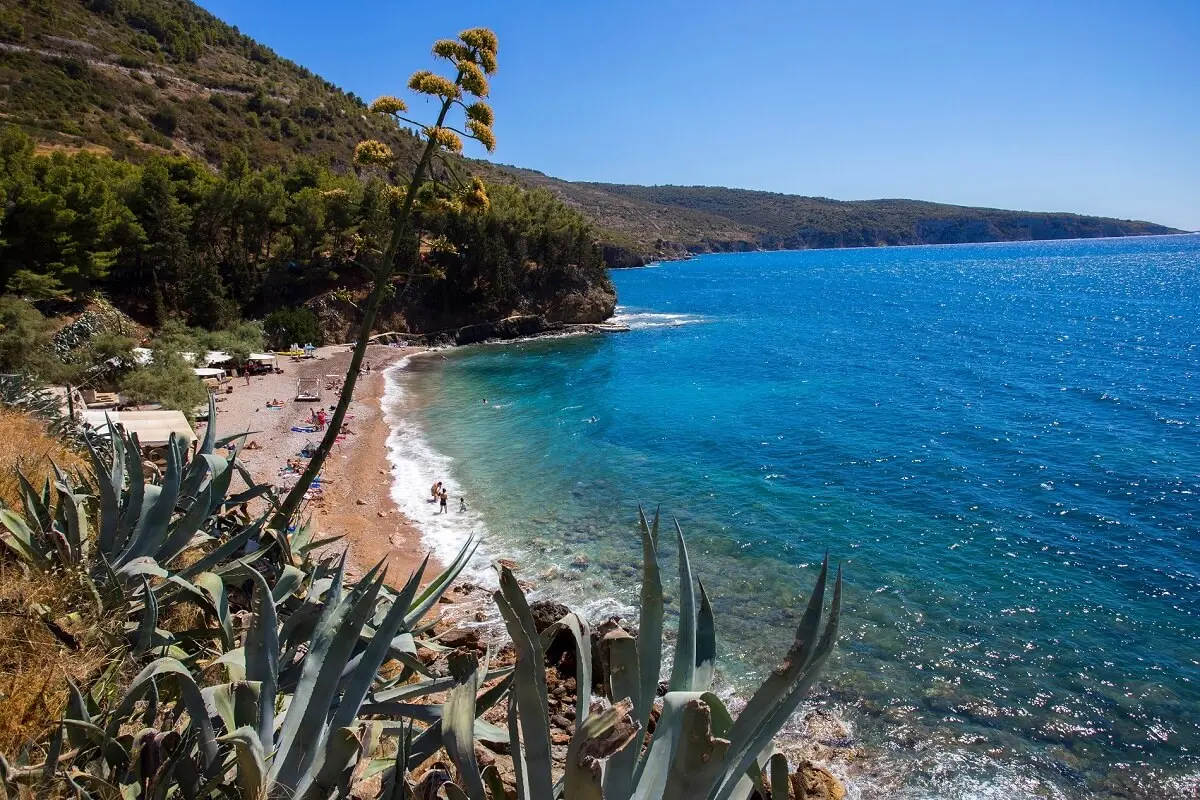
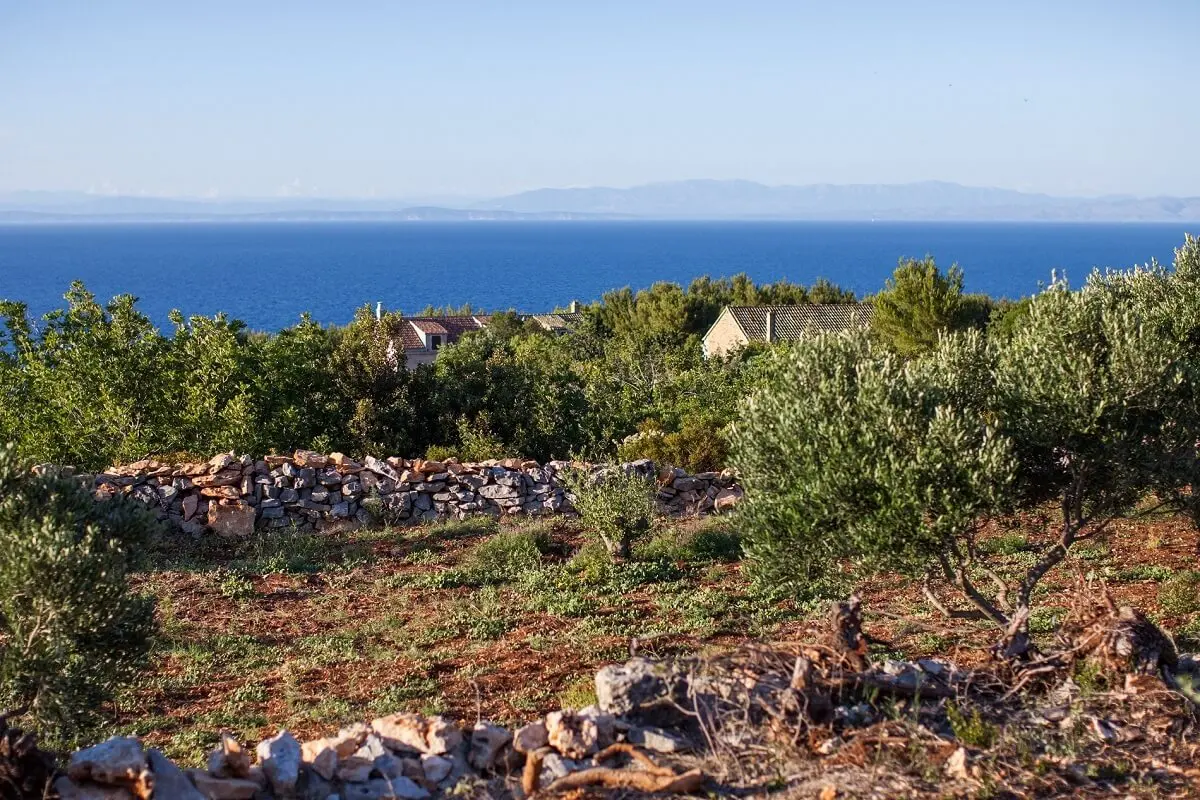
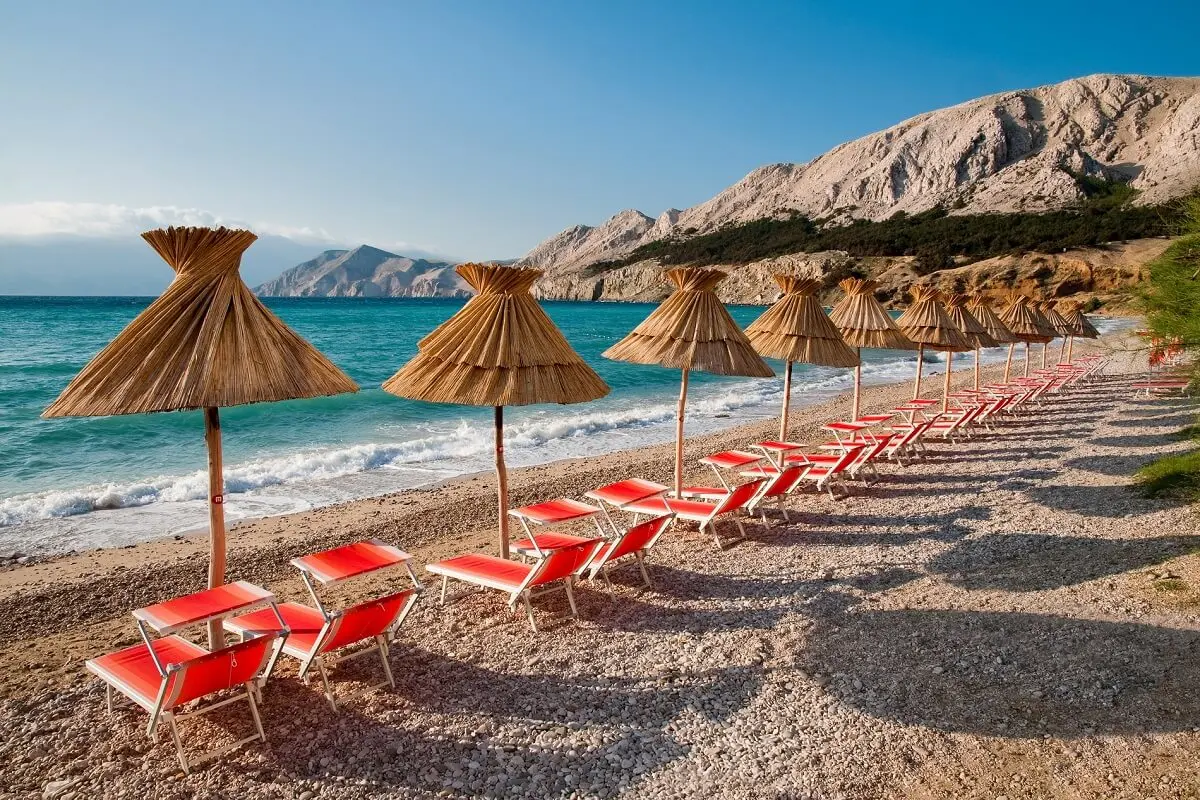
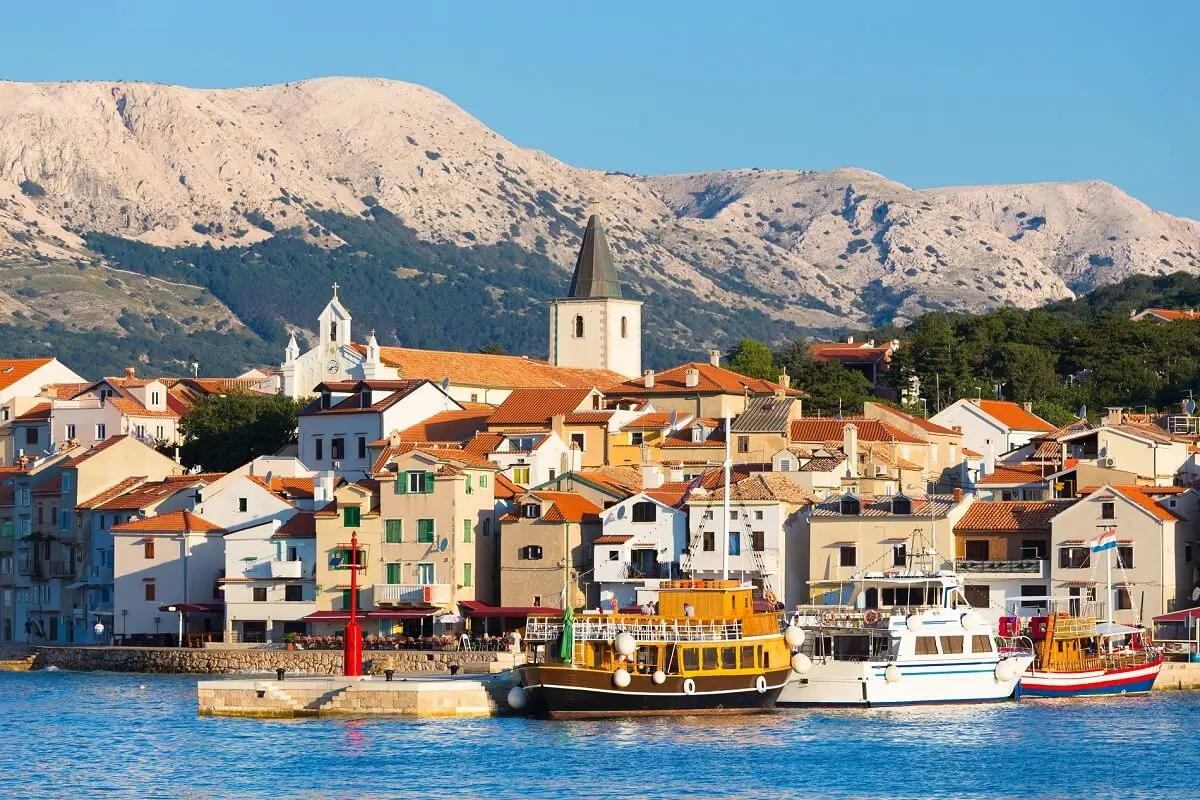
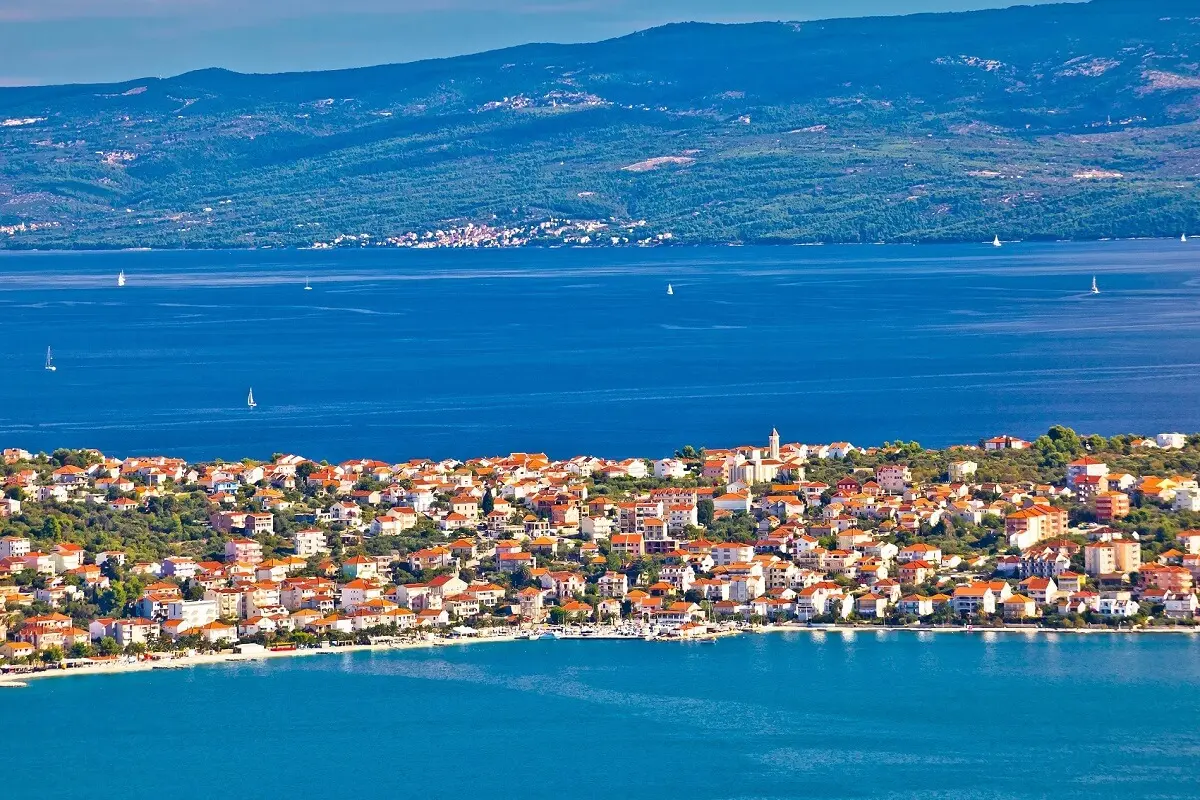
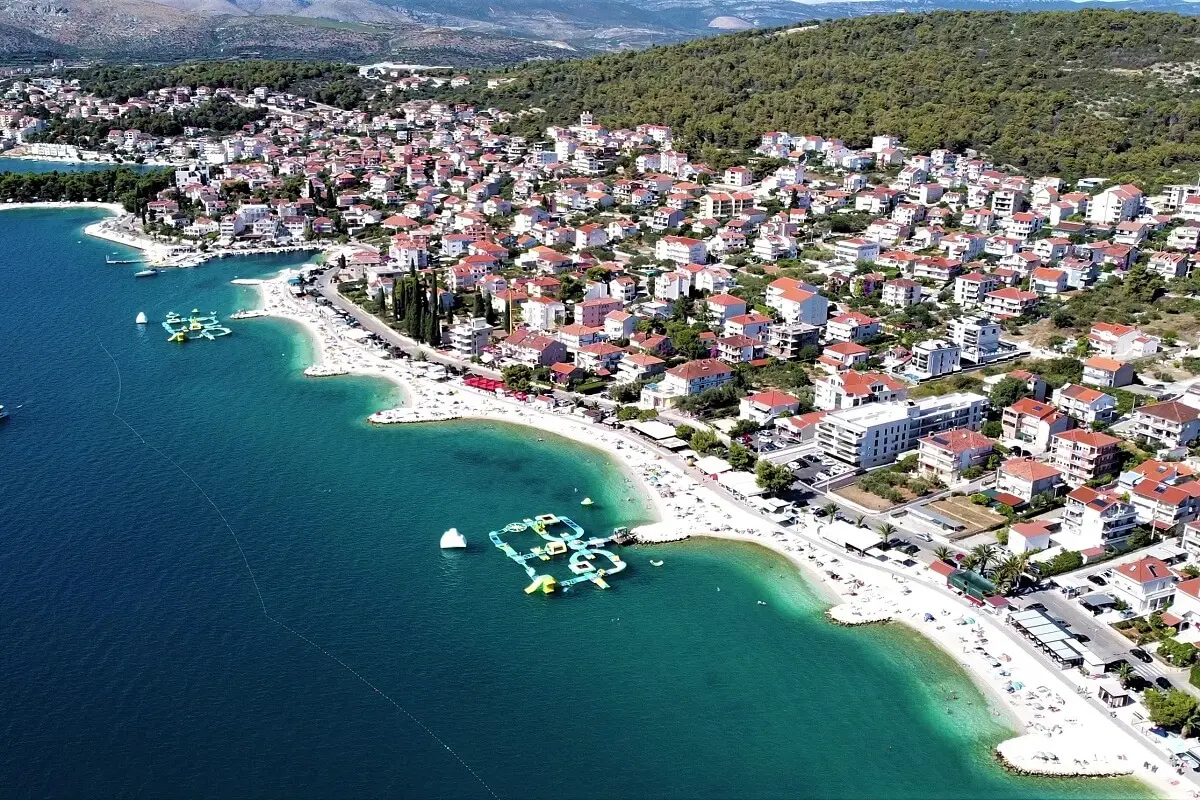
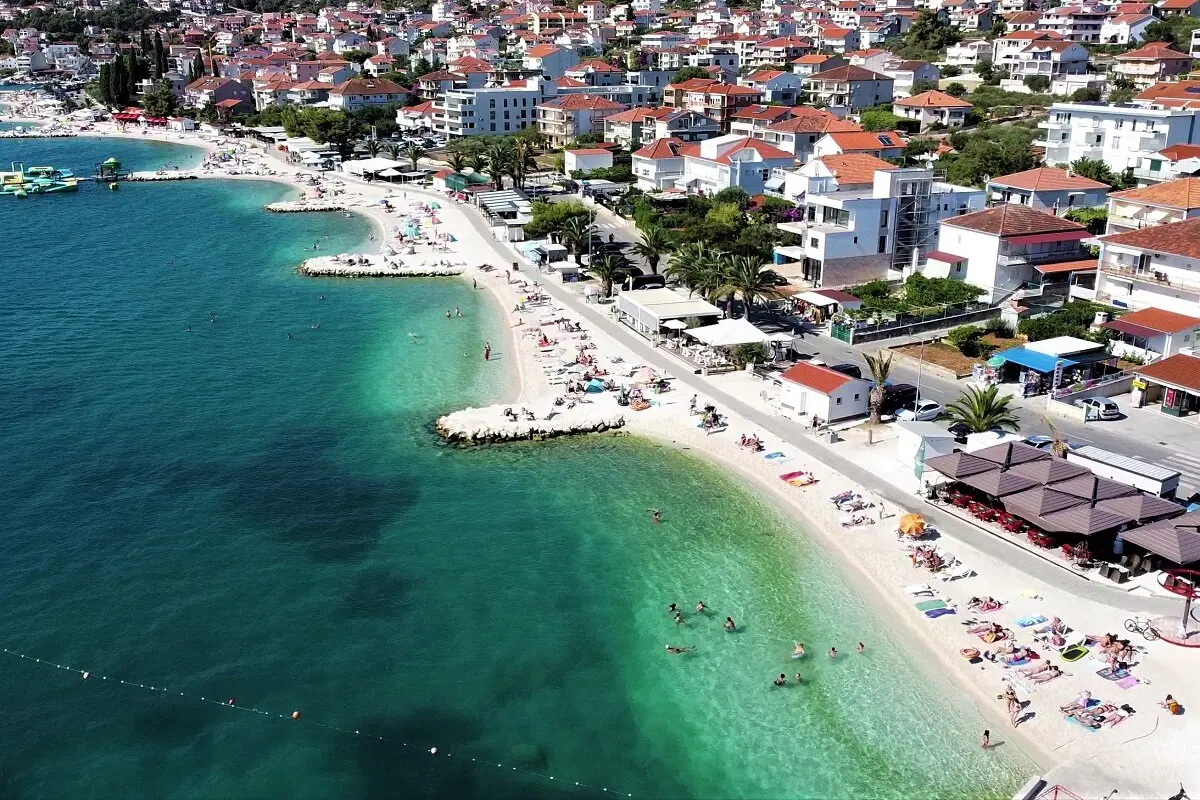
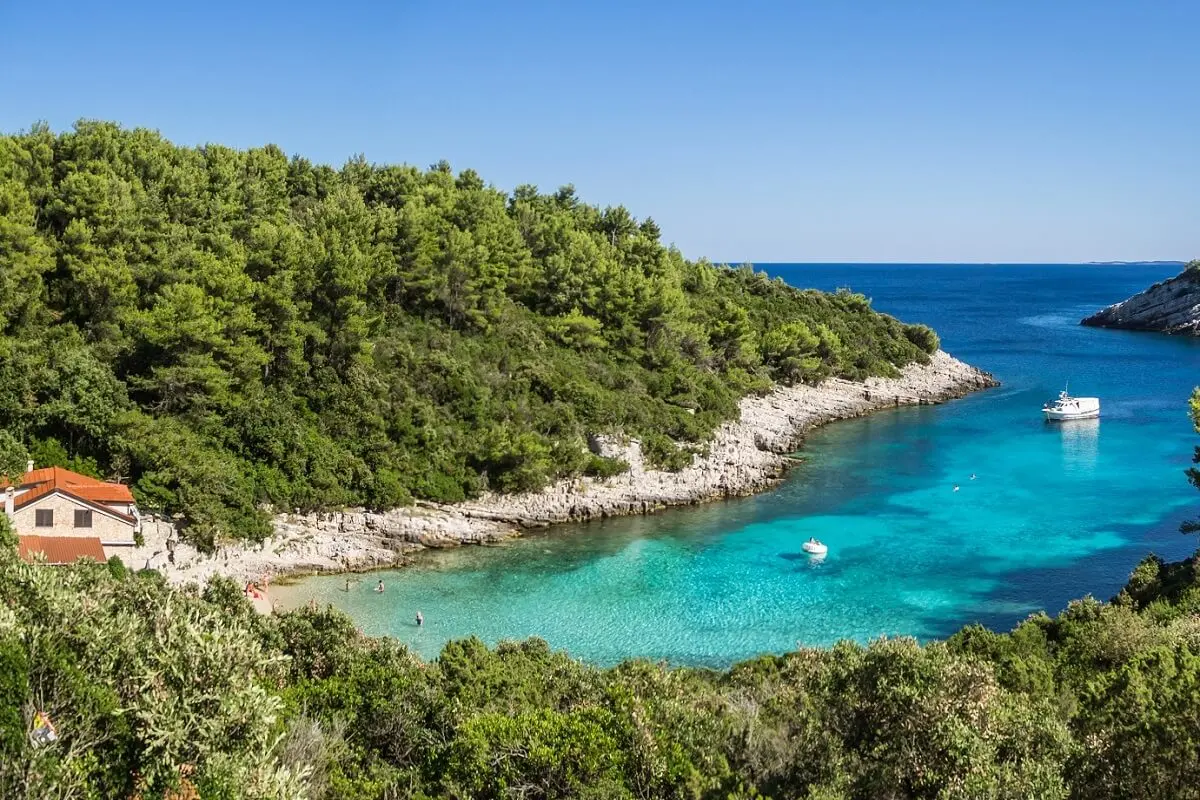
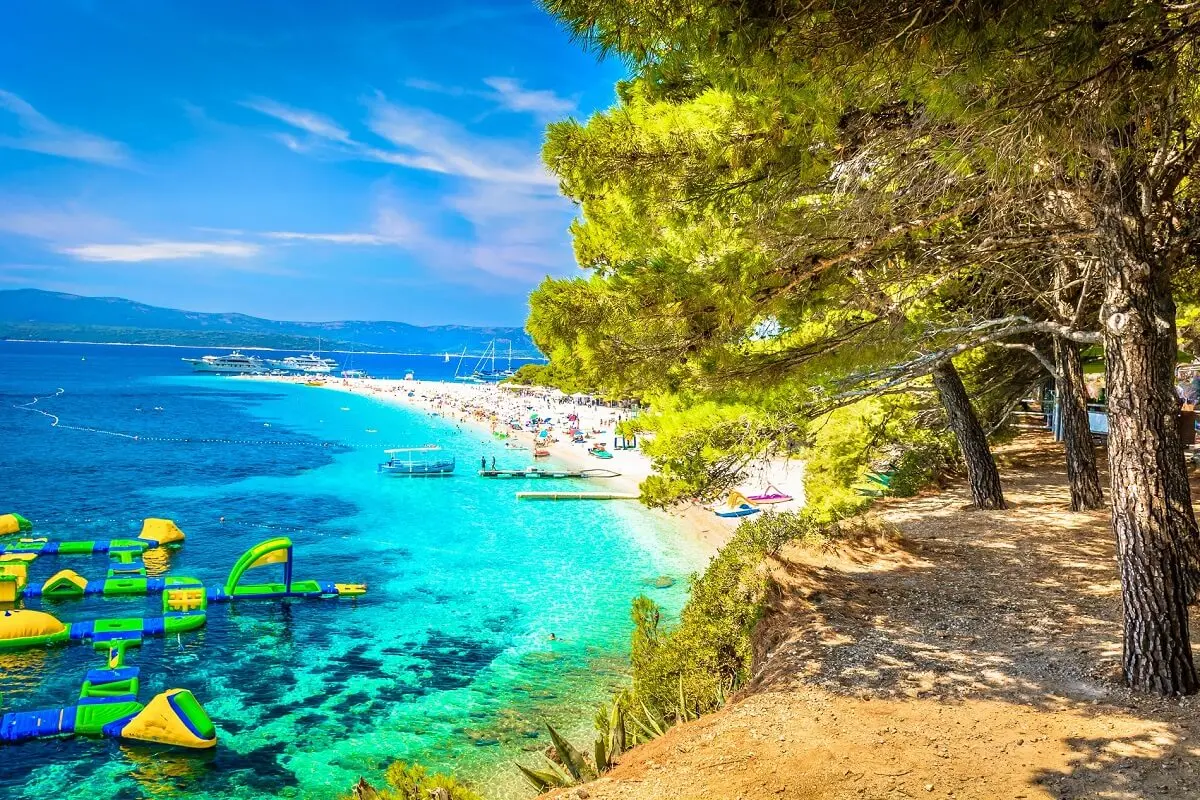
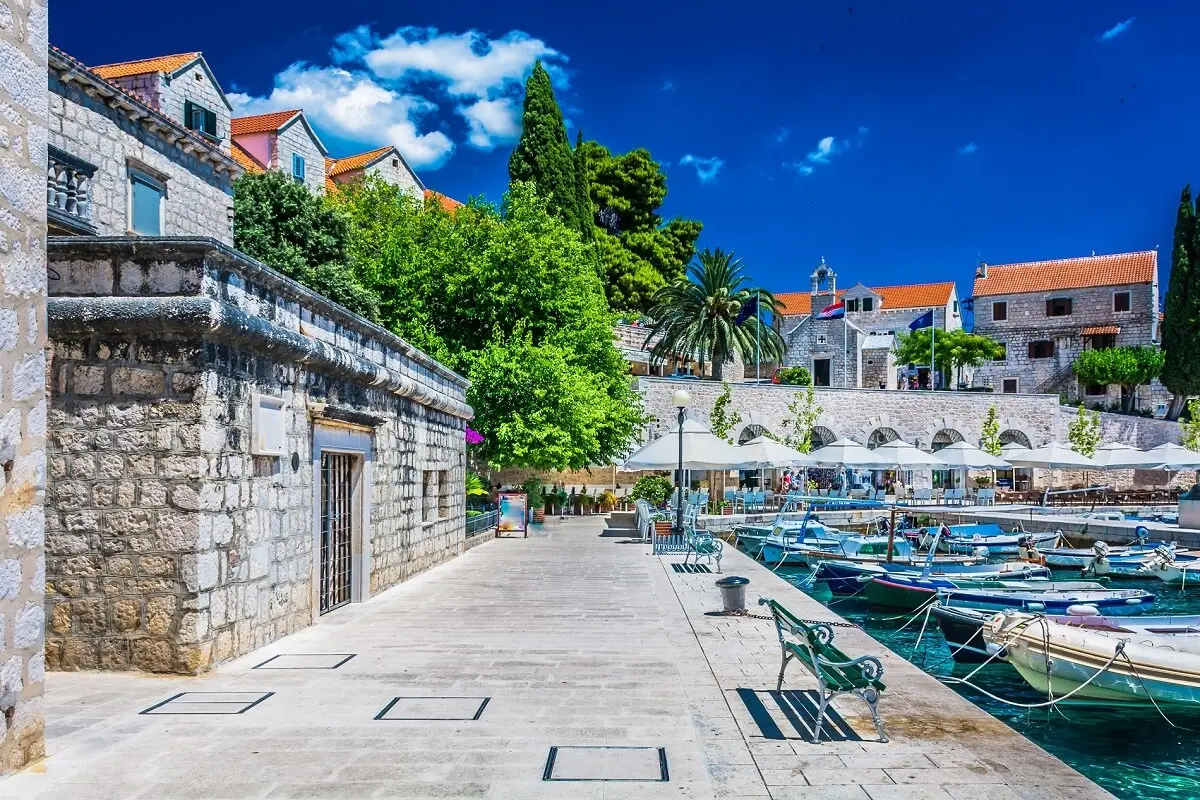
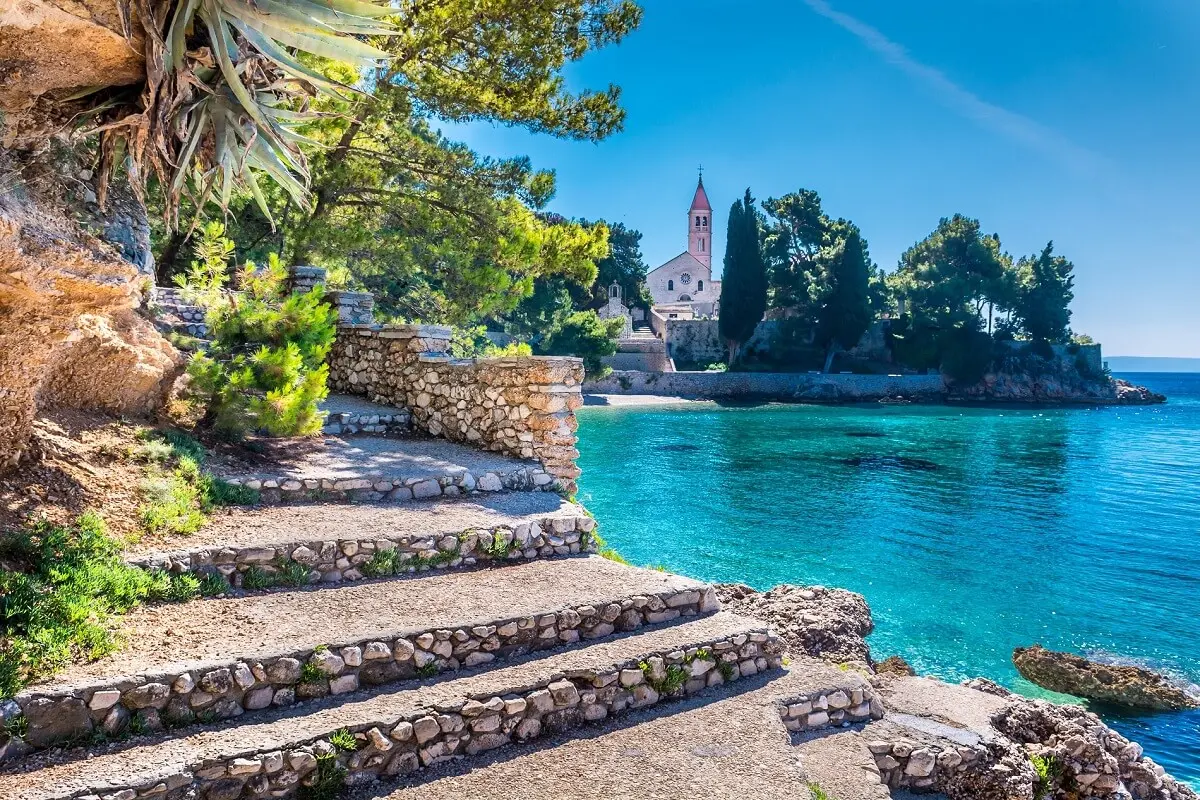
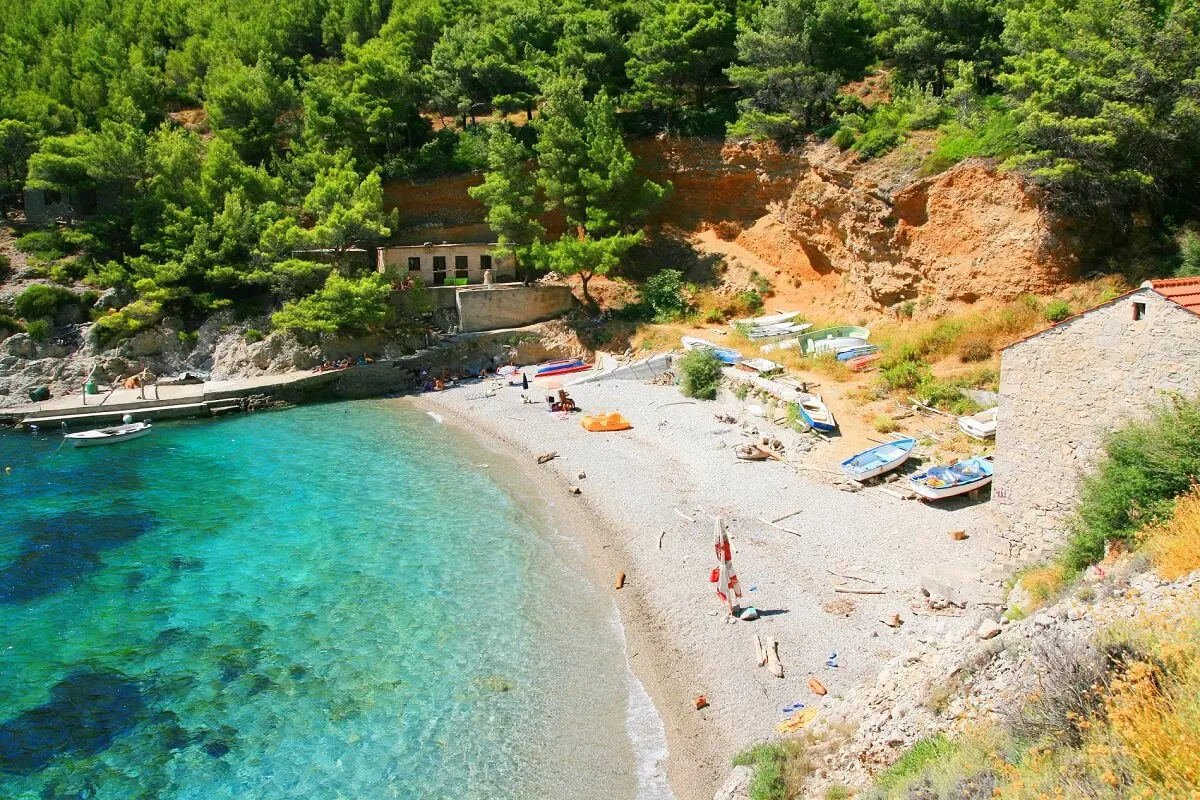
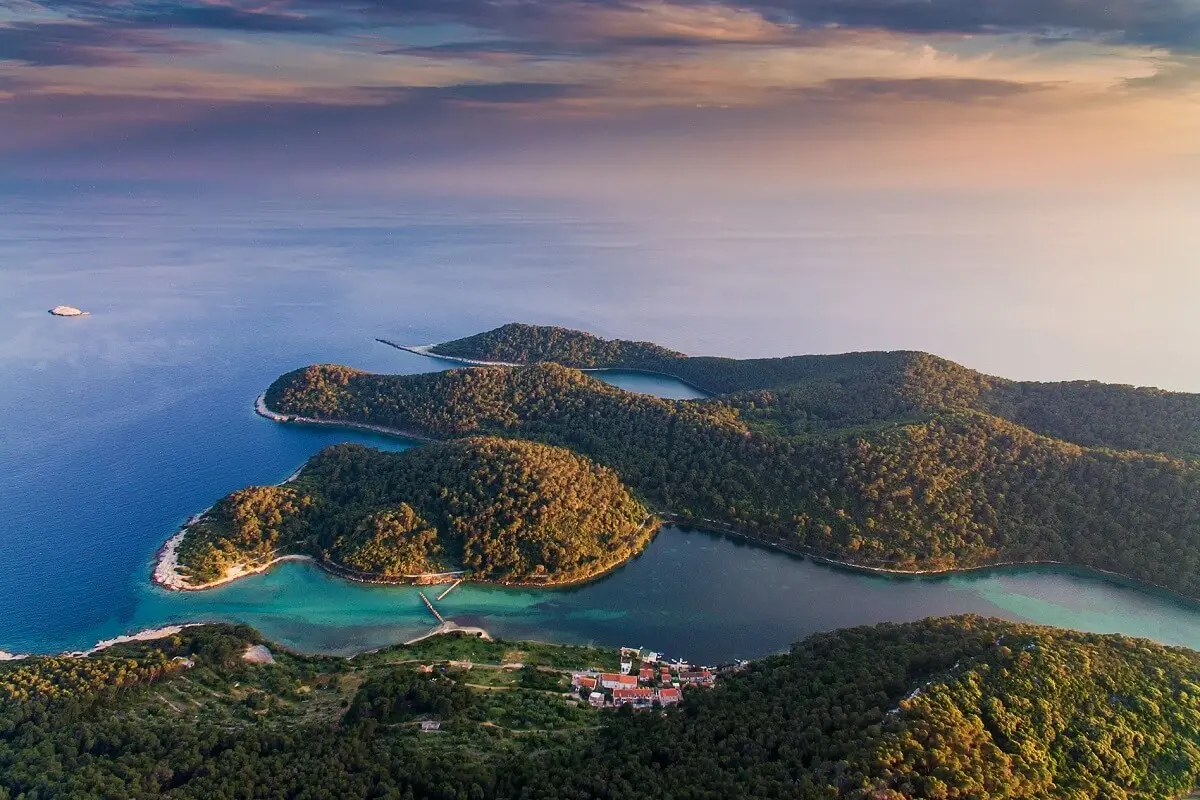
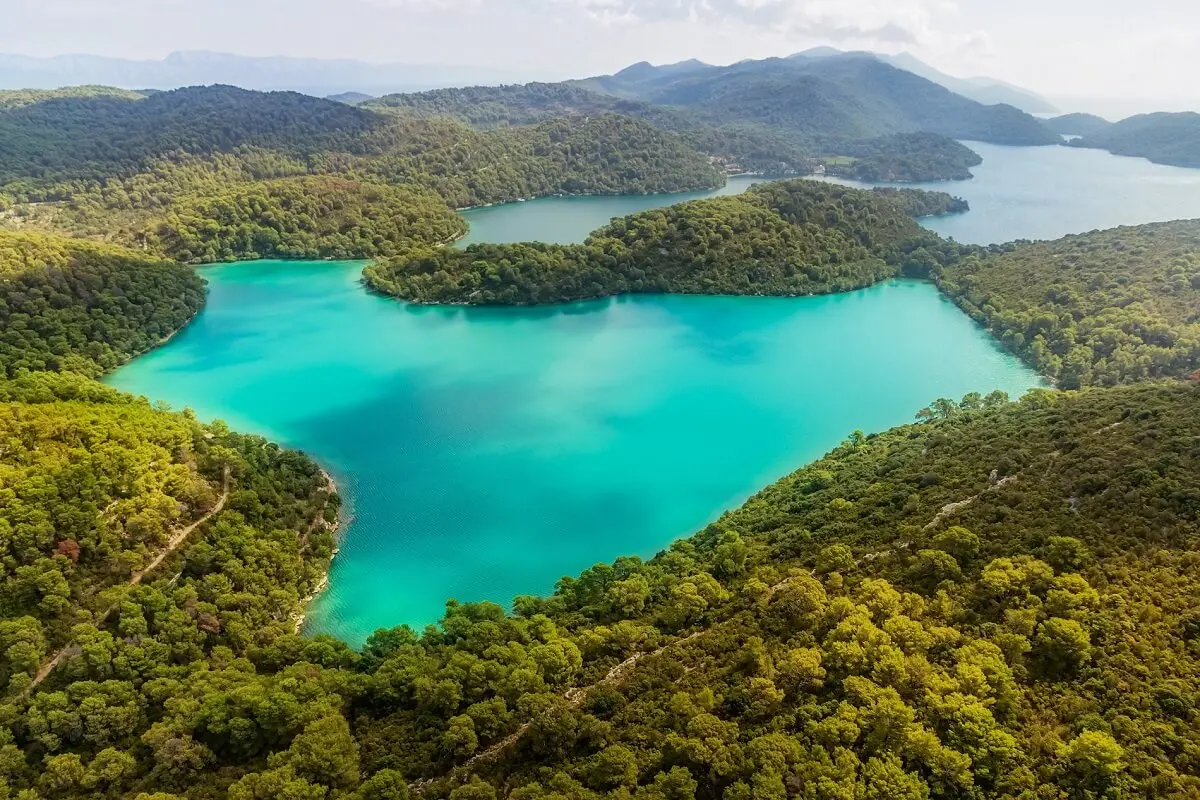
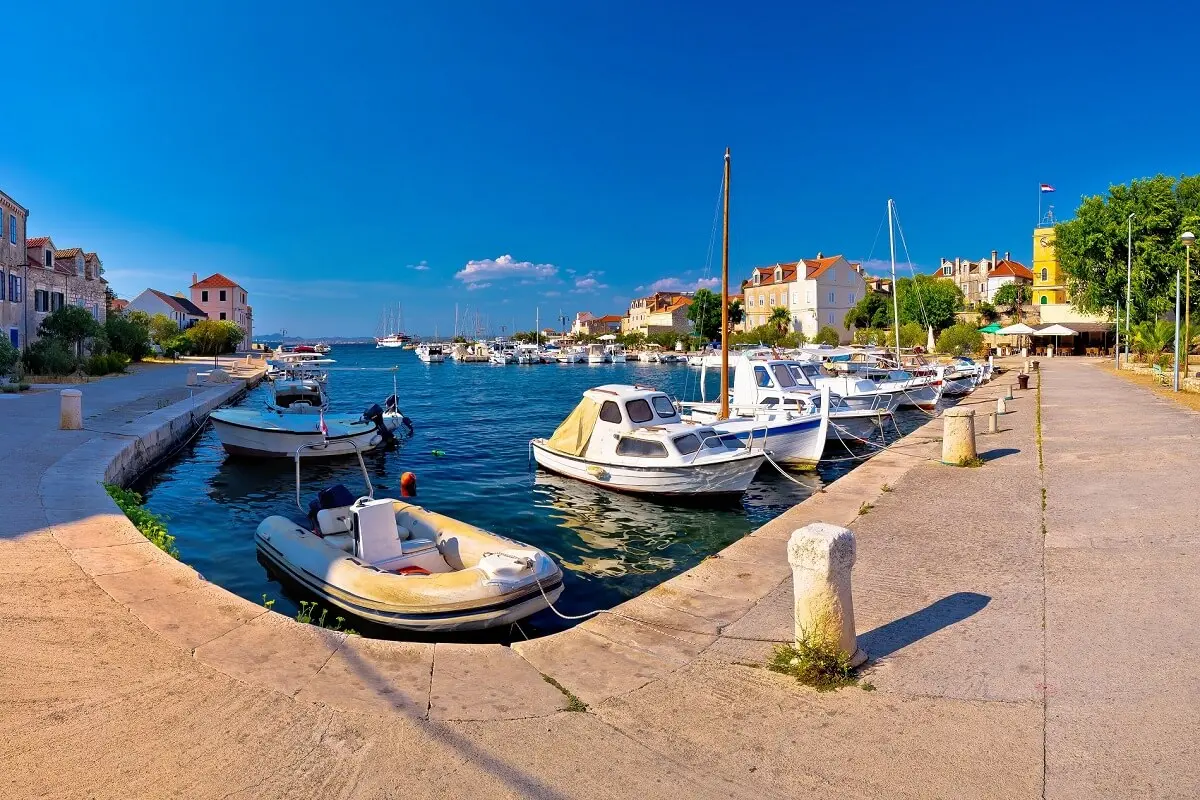
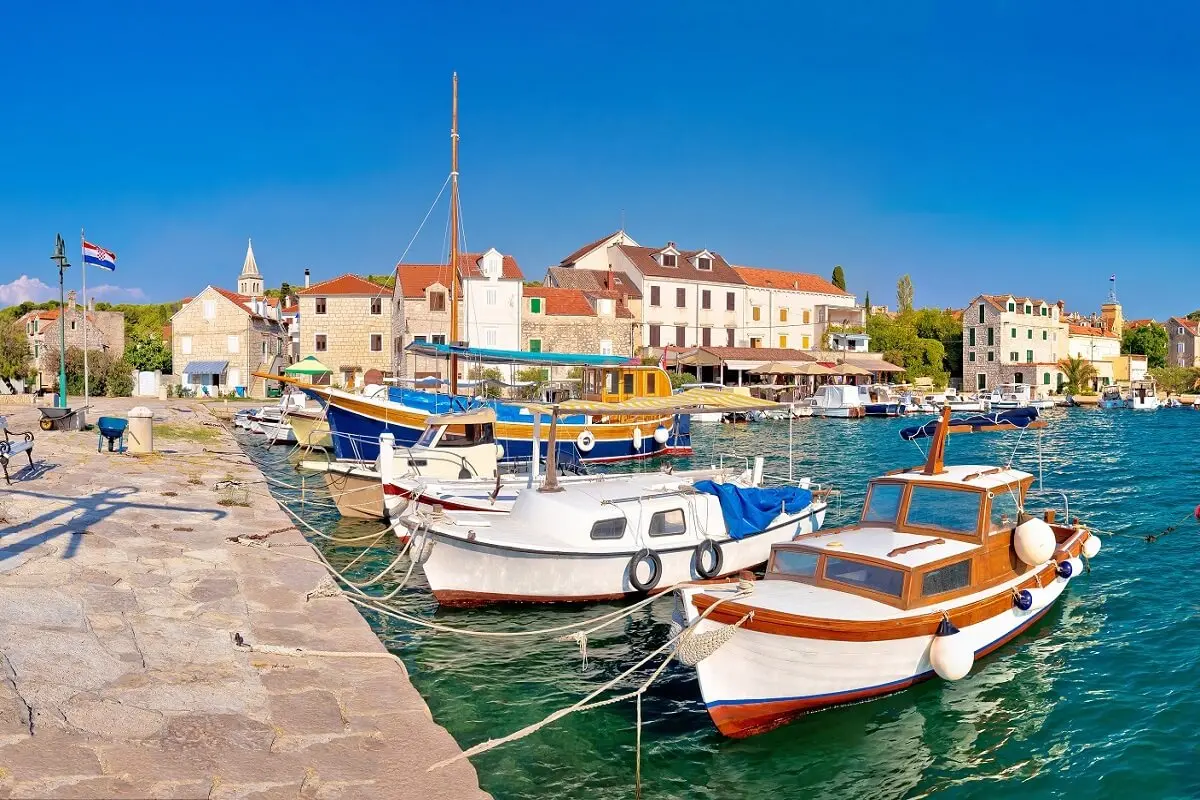
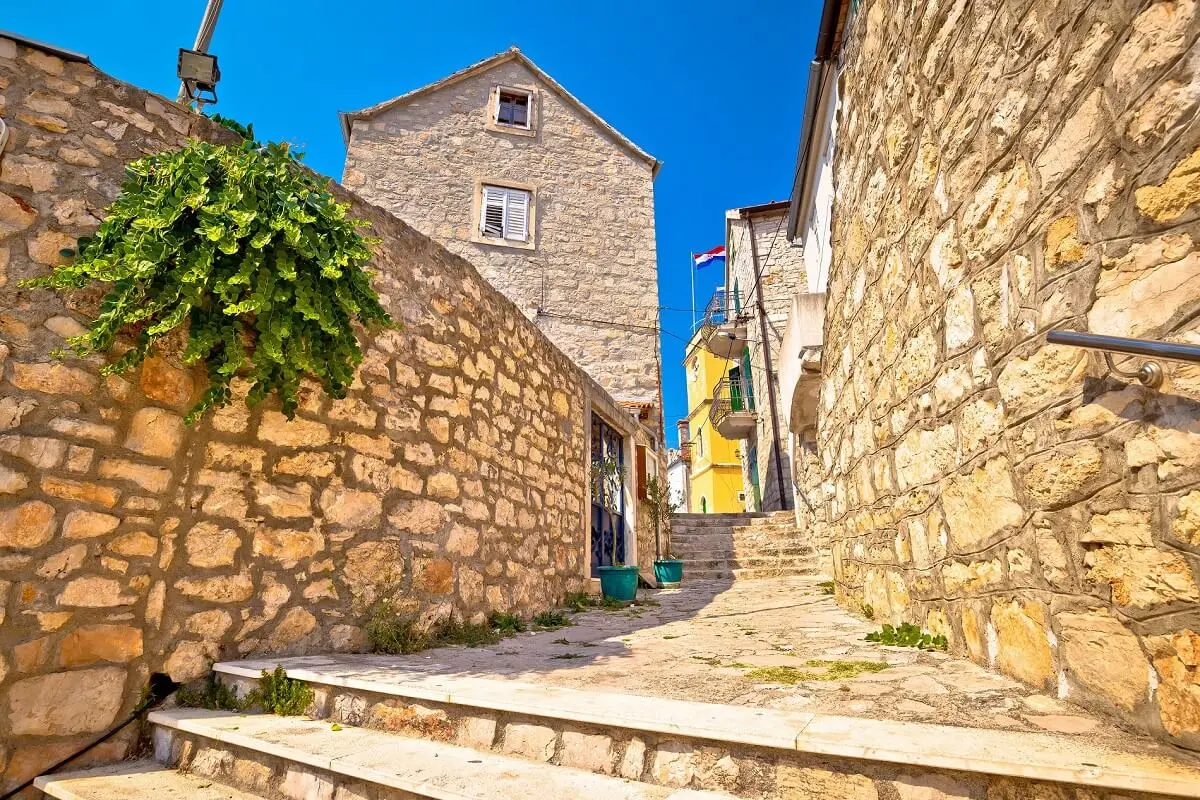
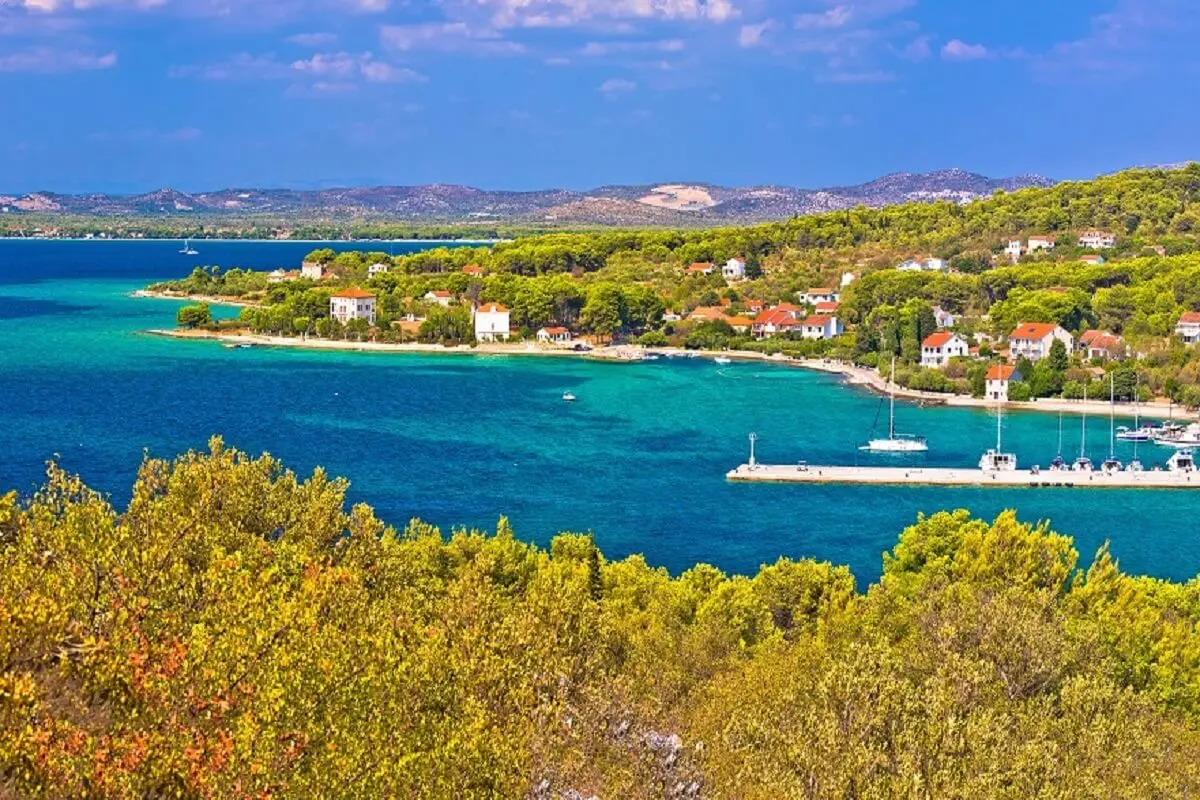
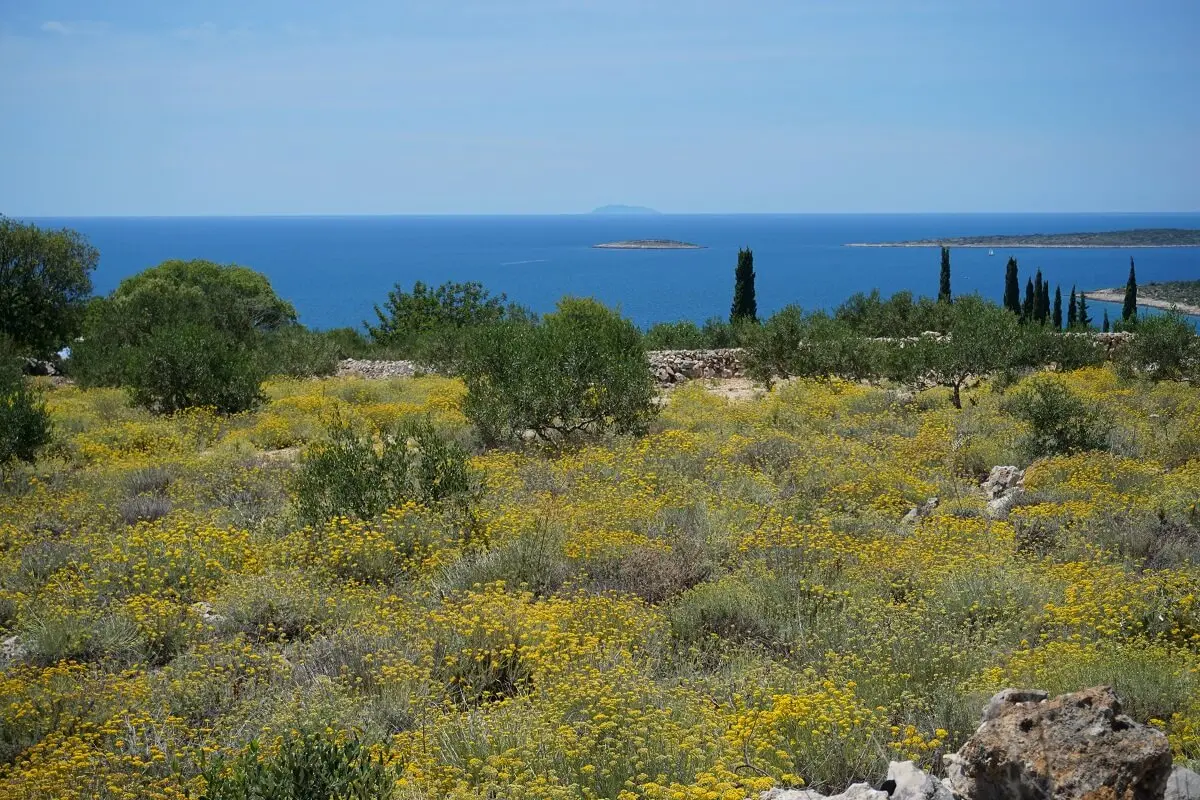
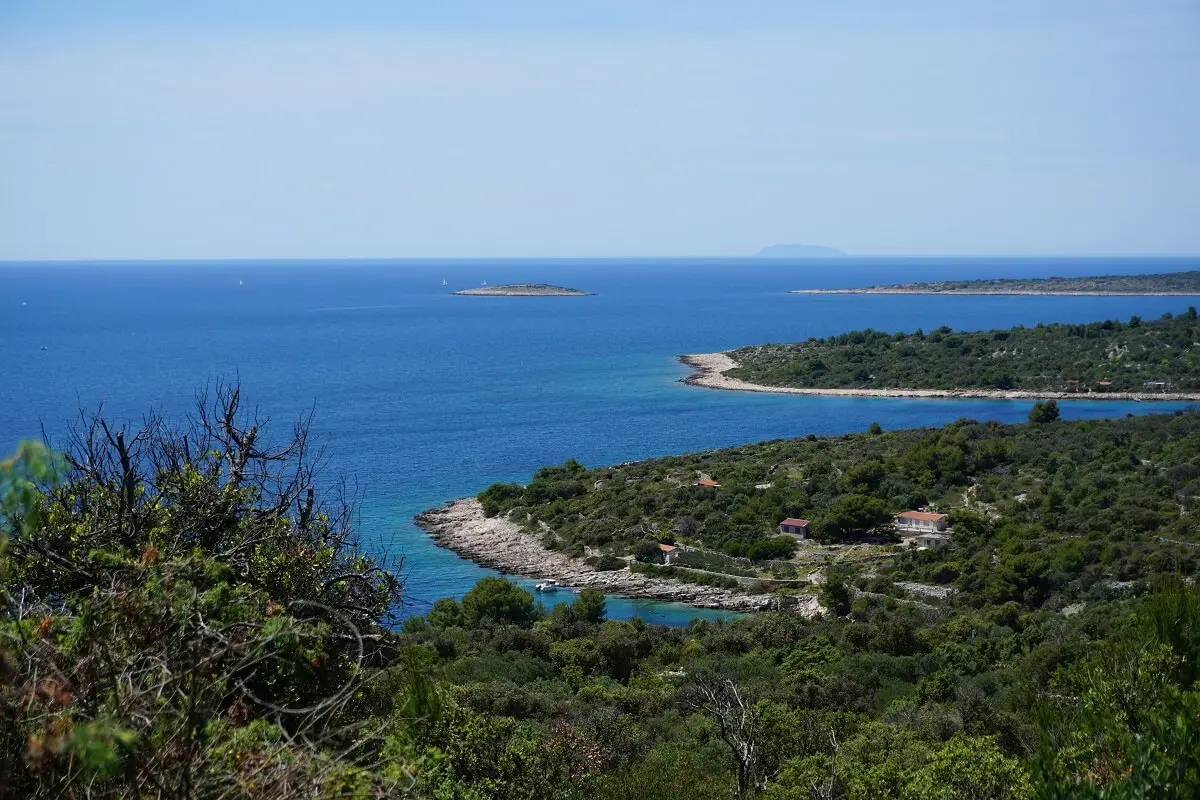
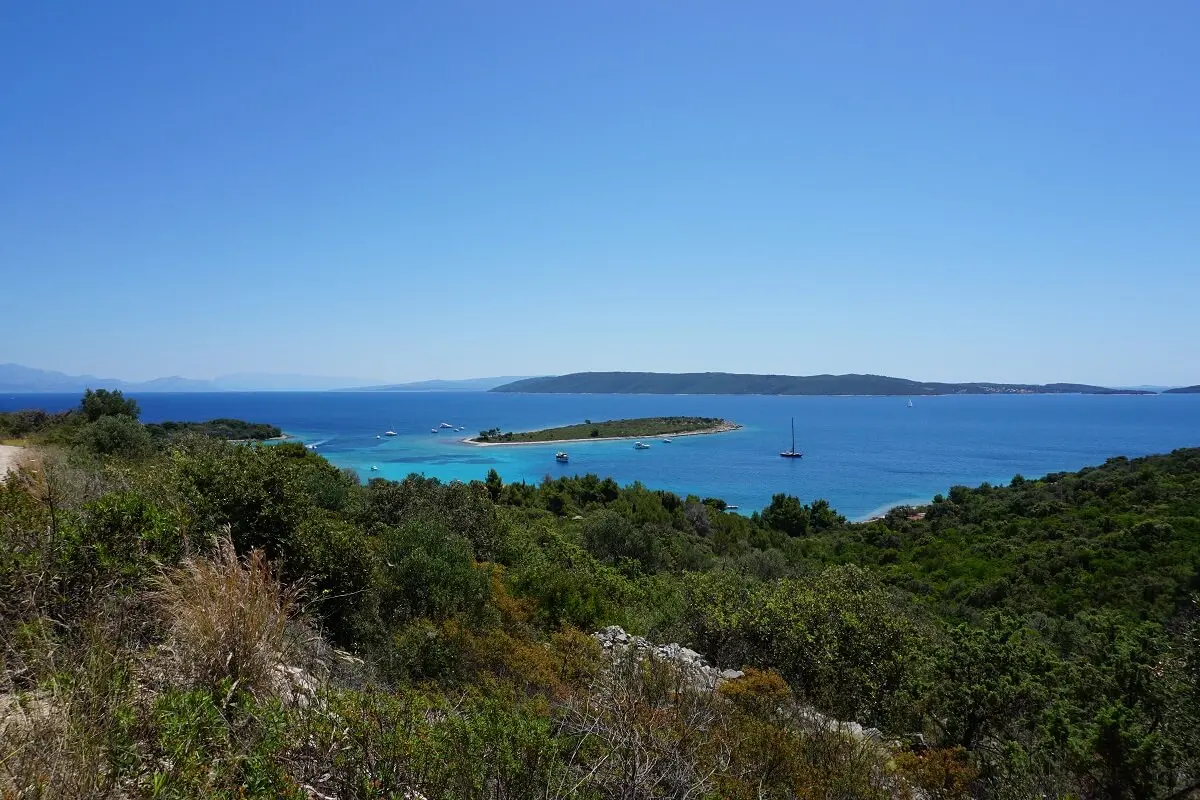
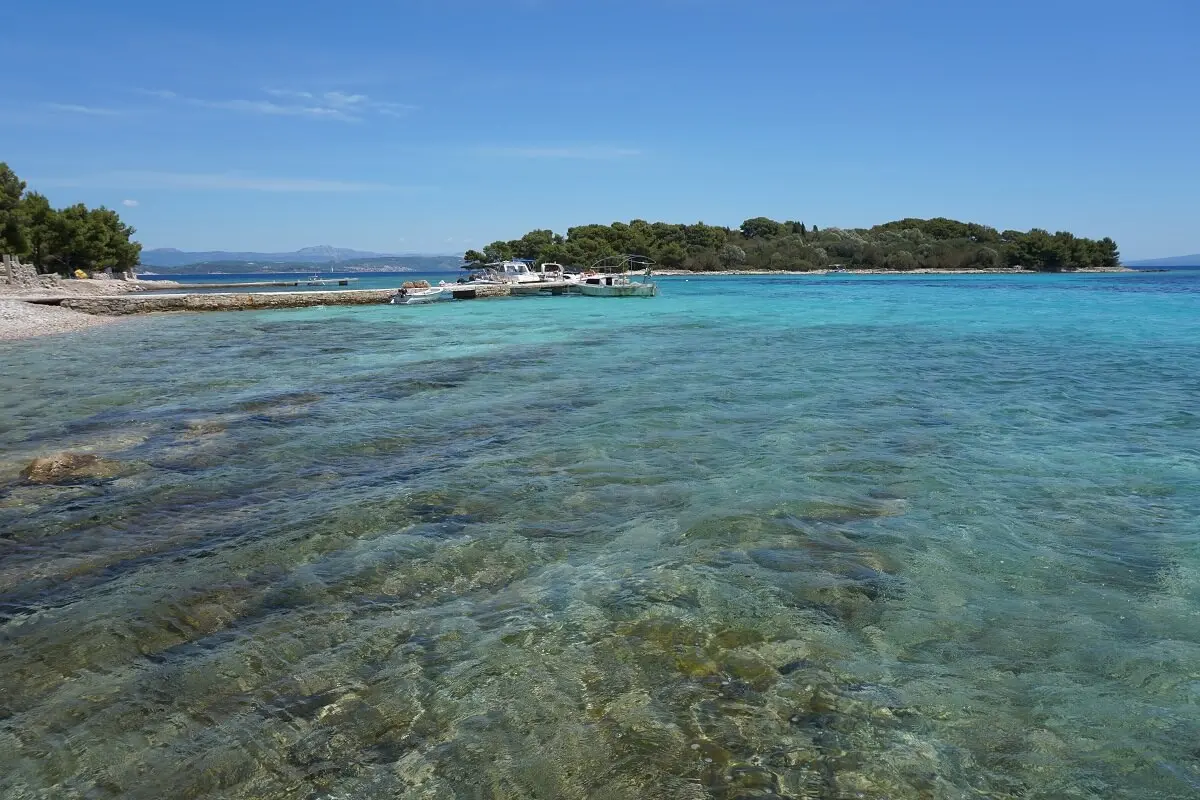
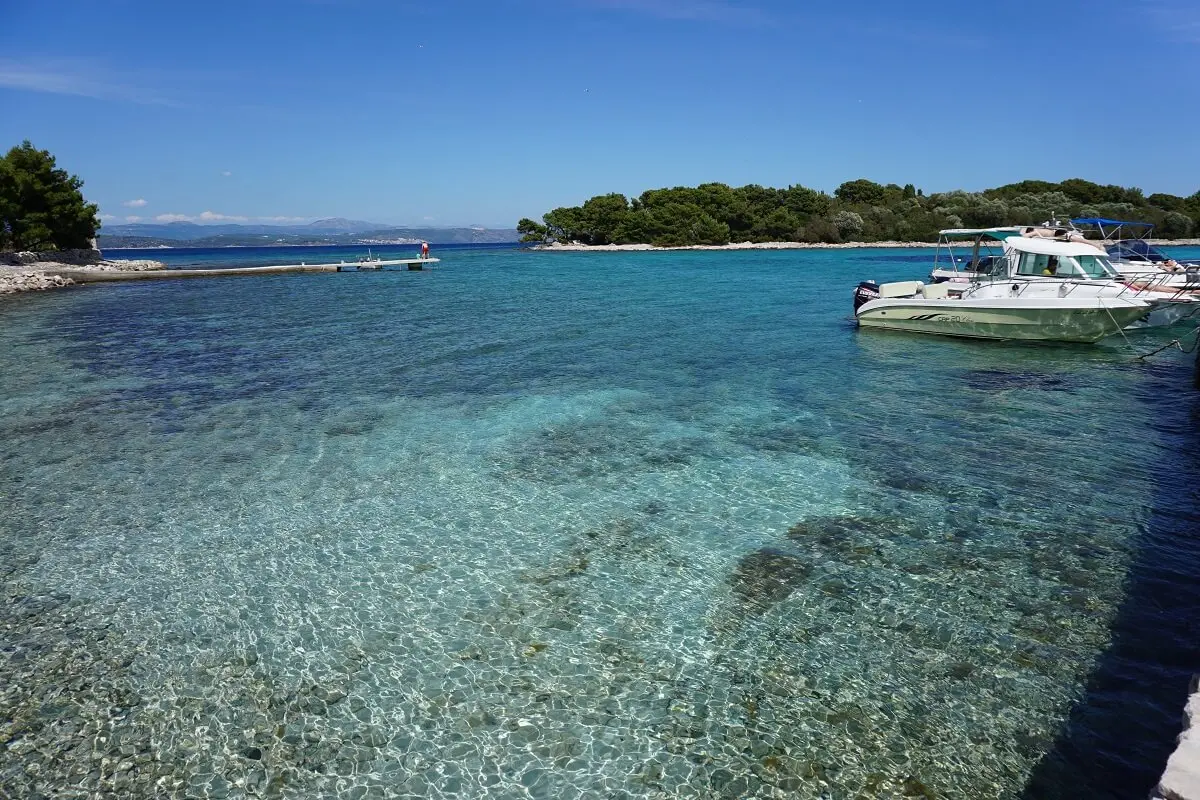
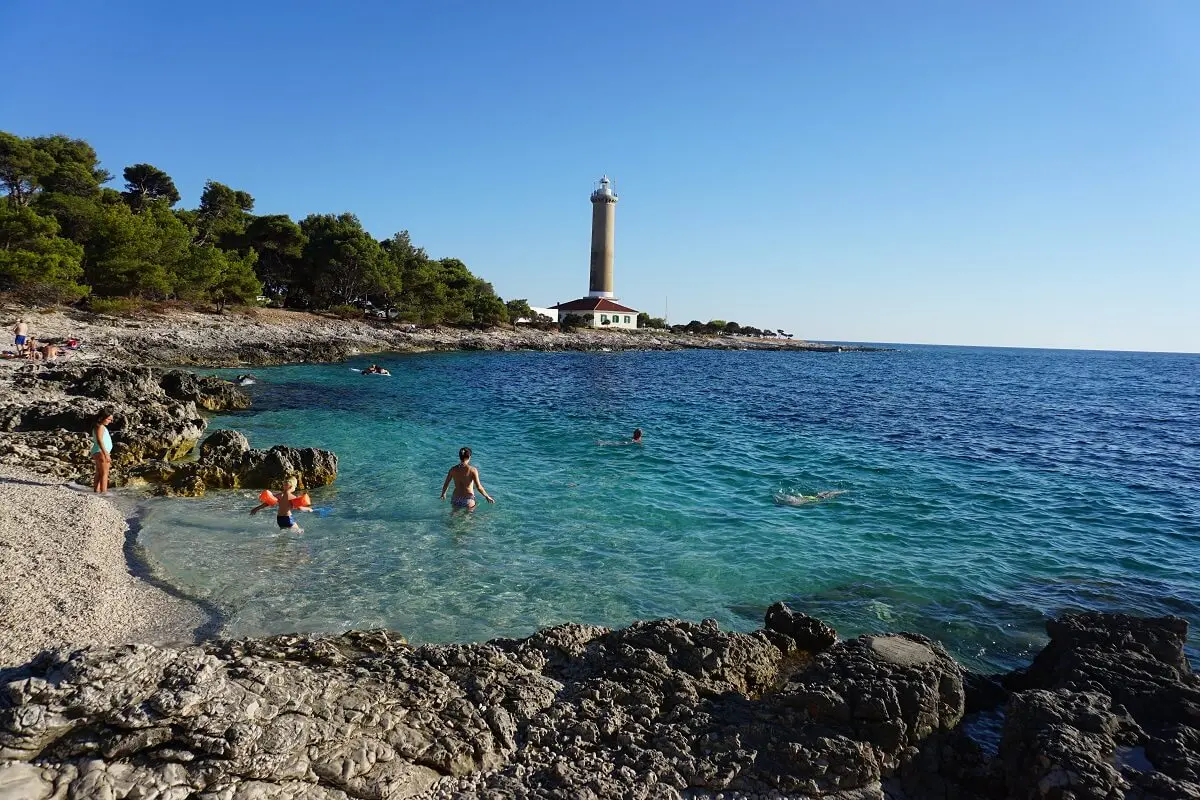
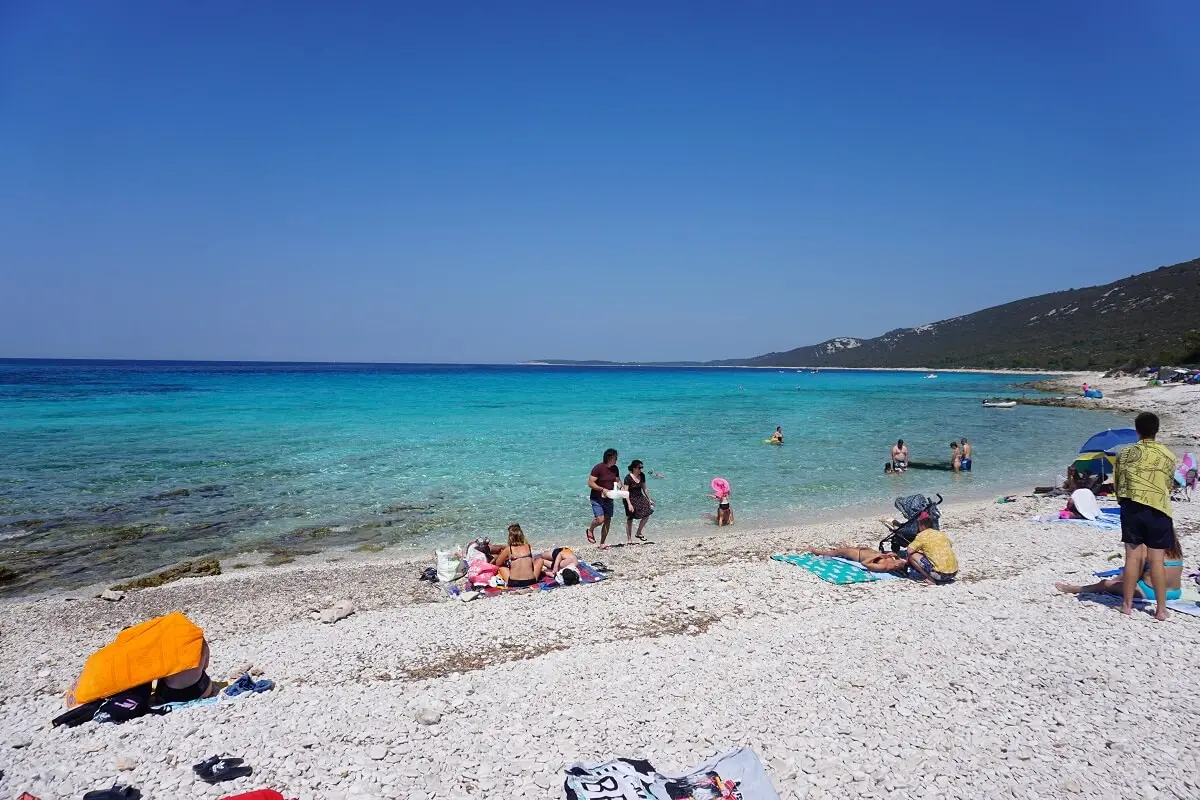
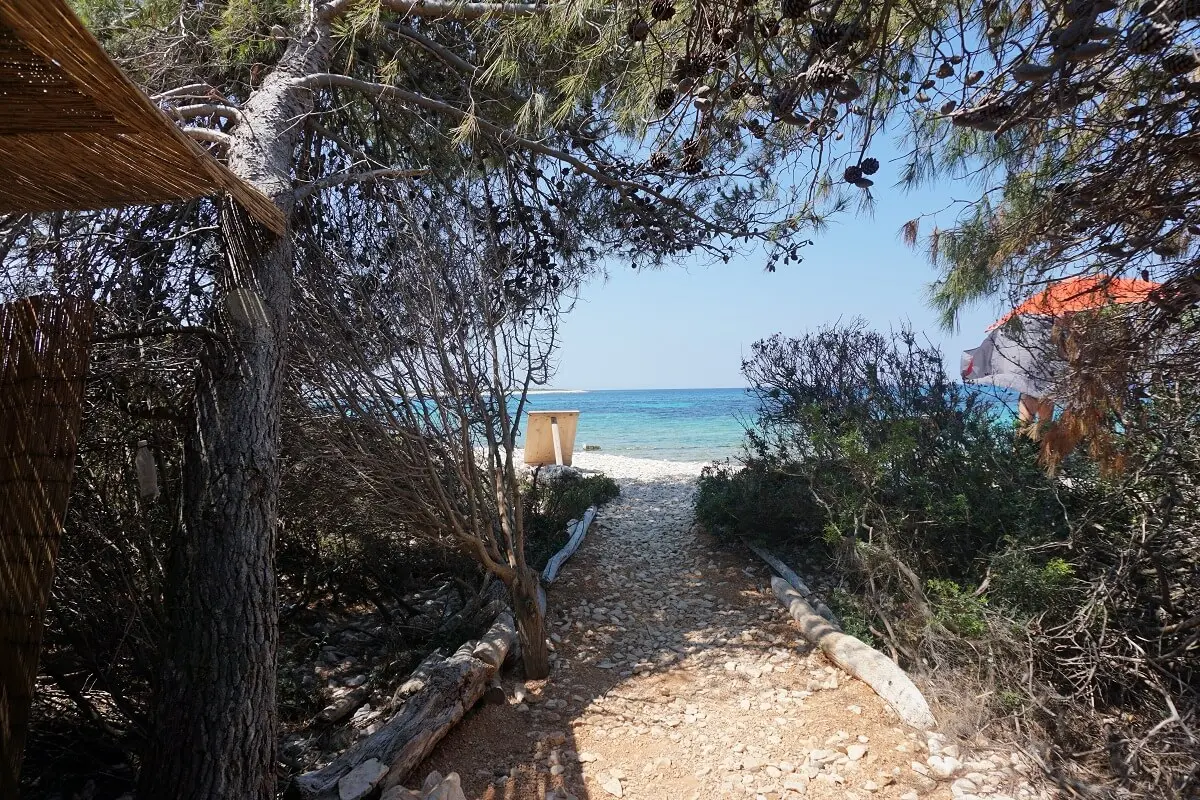
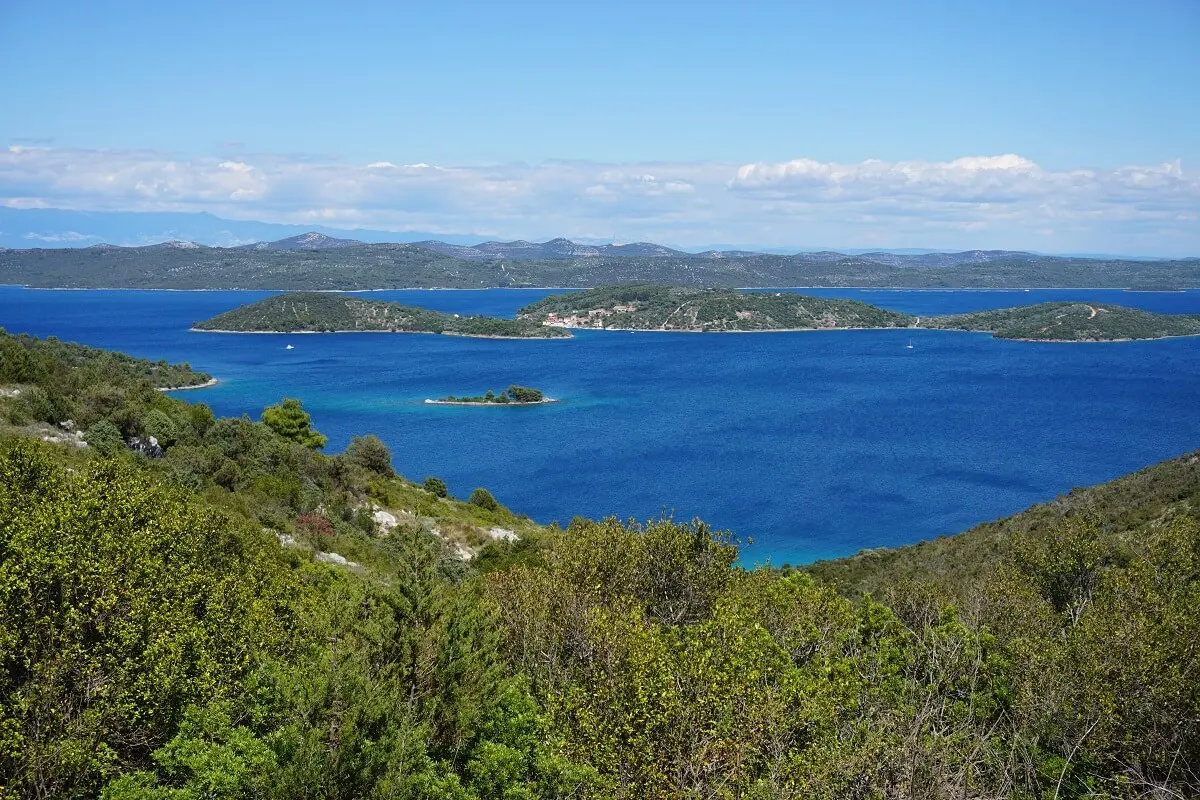
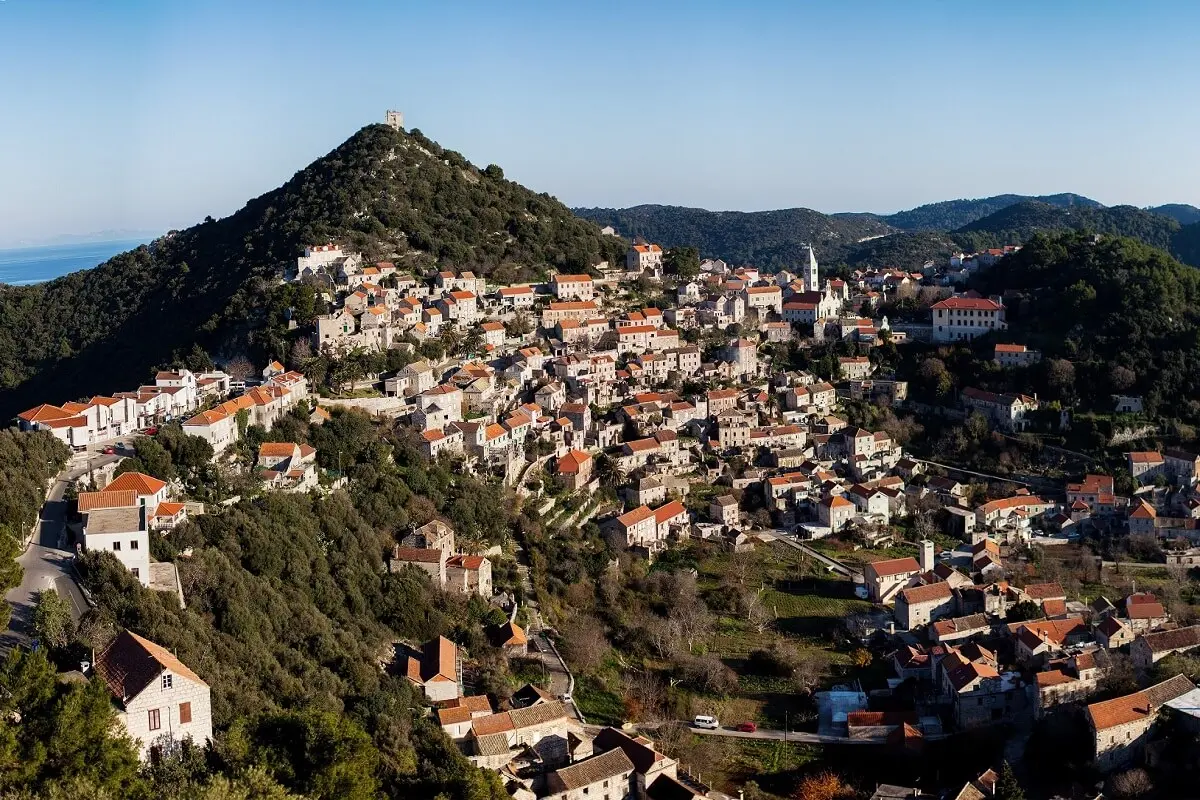
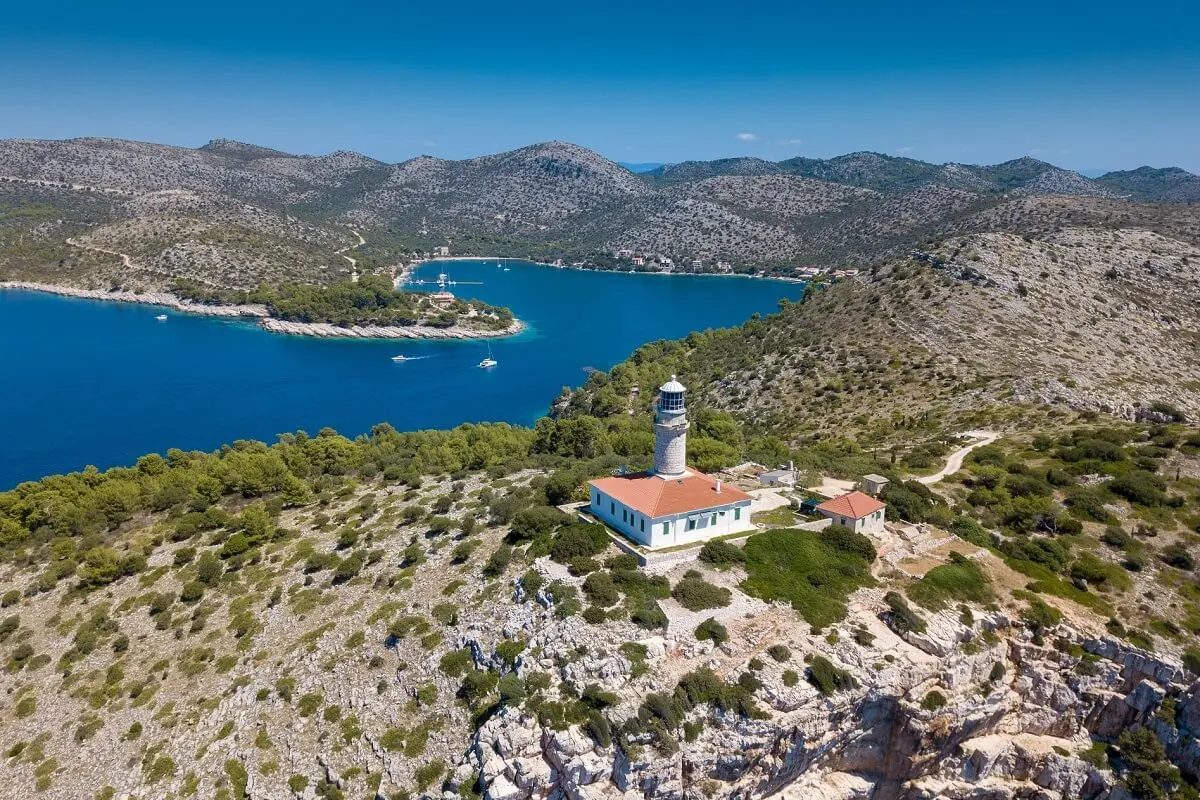
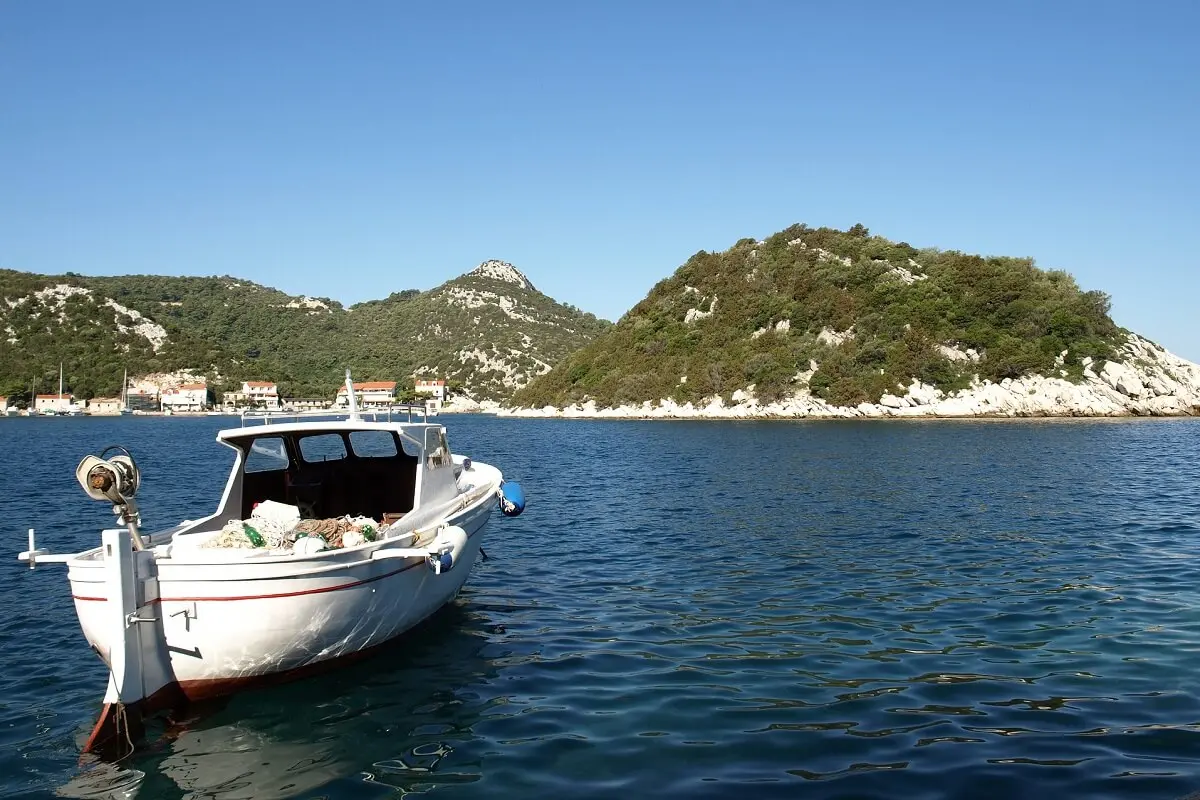
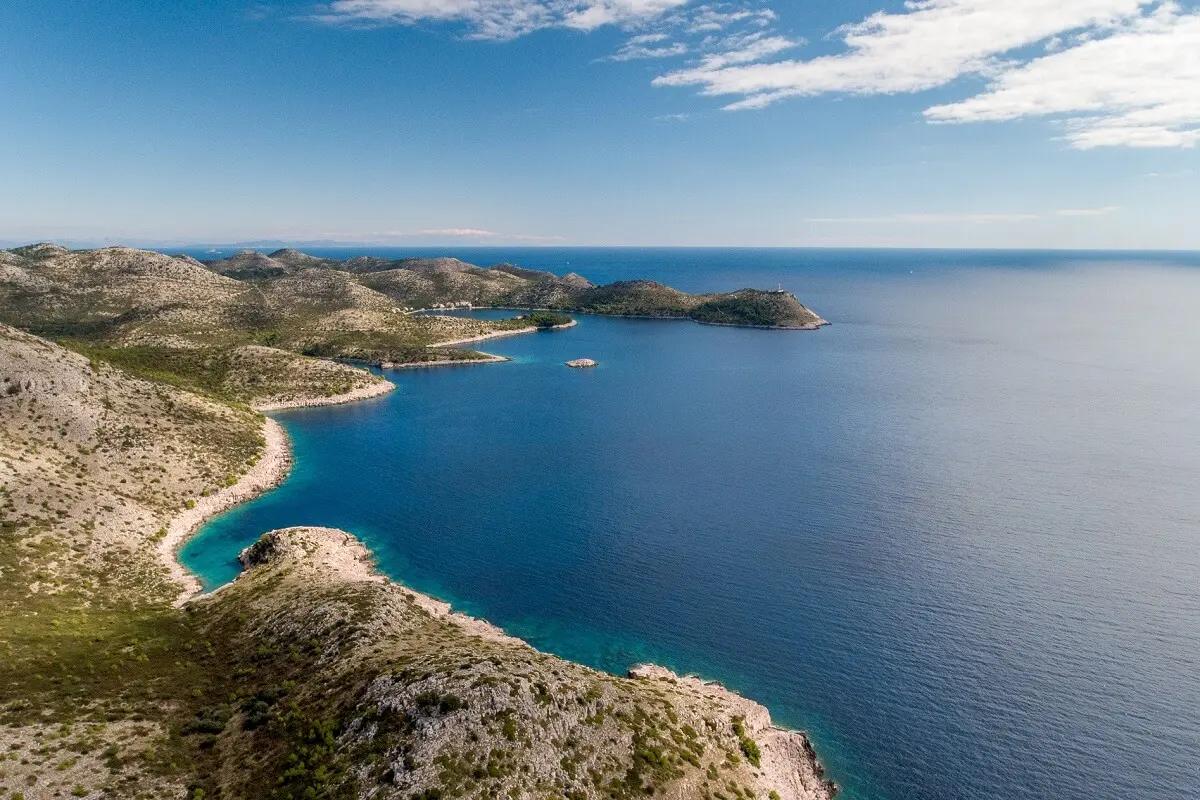
Islands of the Adriatic sea in Croatia

Find an ideal island for your next vacation. Search for apartments, rooms, holiday homes and contact directly owners of private accommodation! No fees and commissions!

Island of Rab

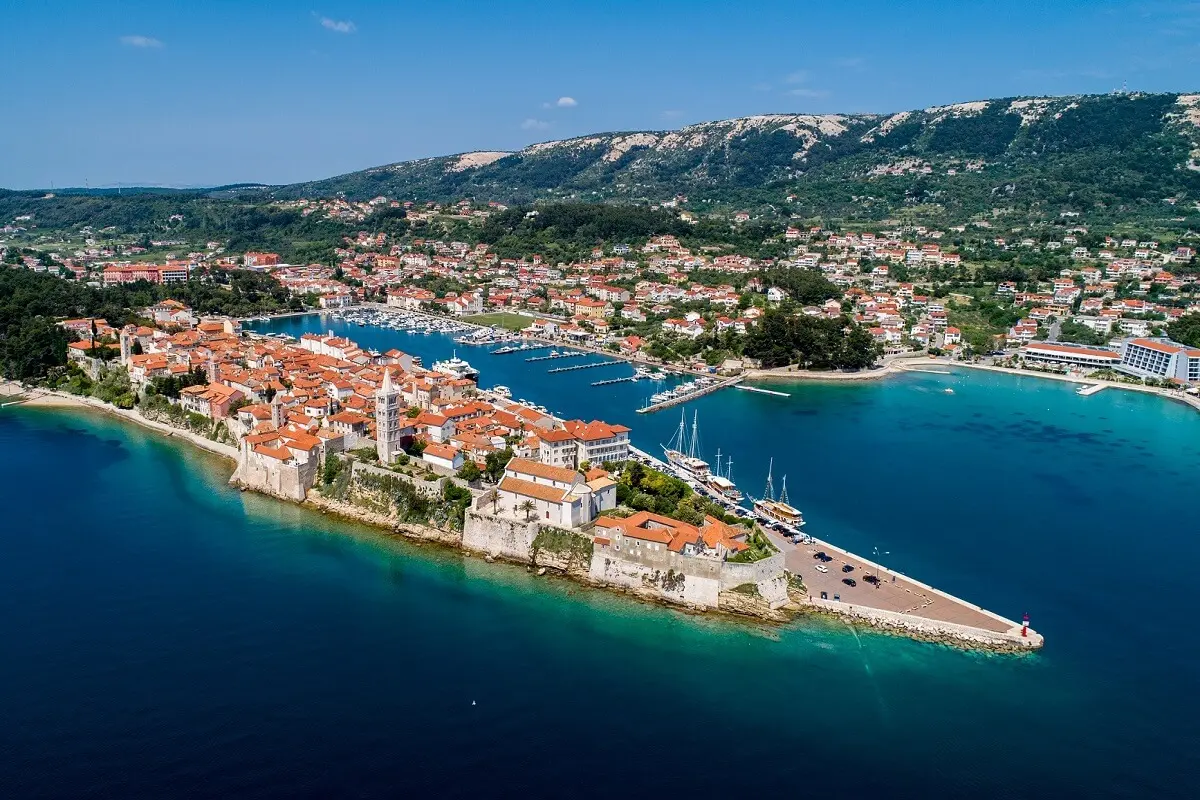
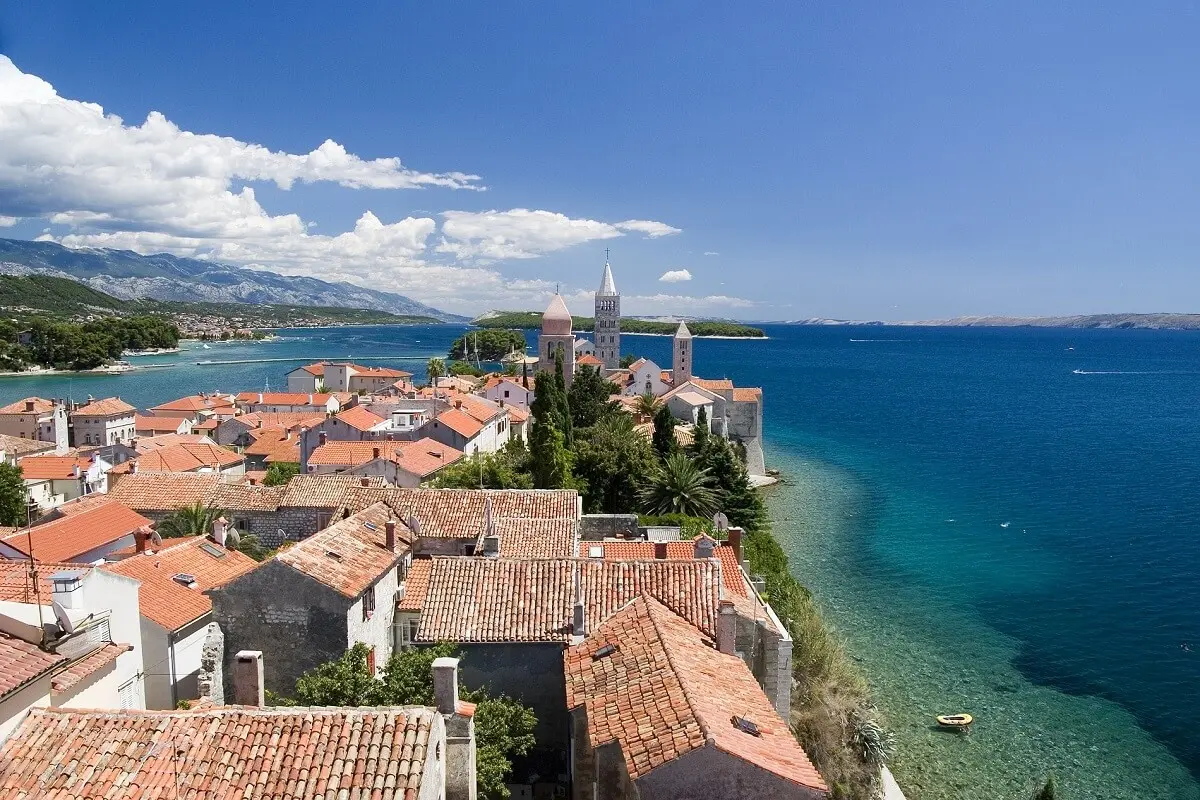
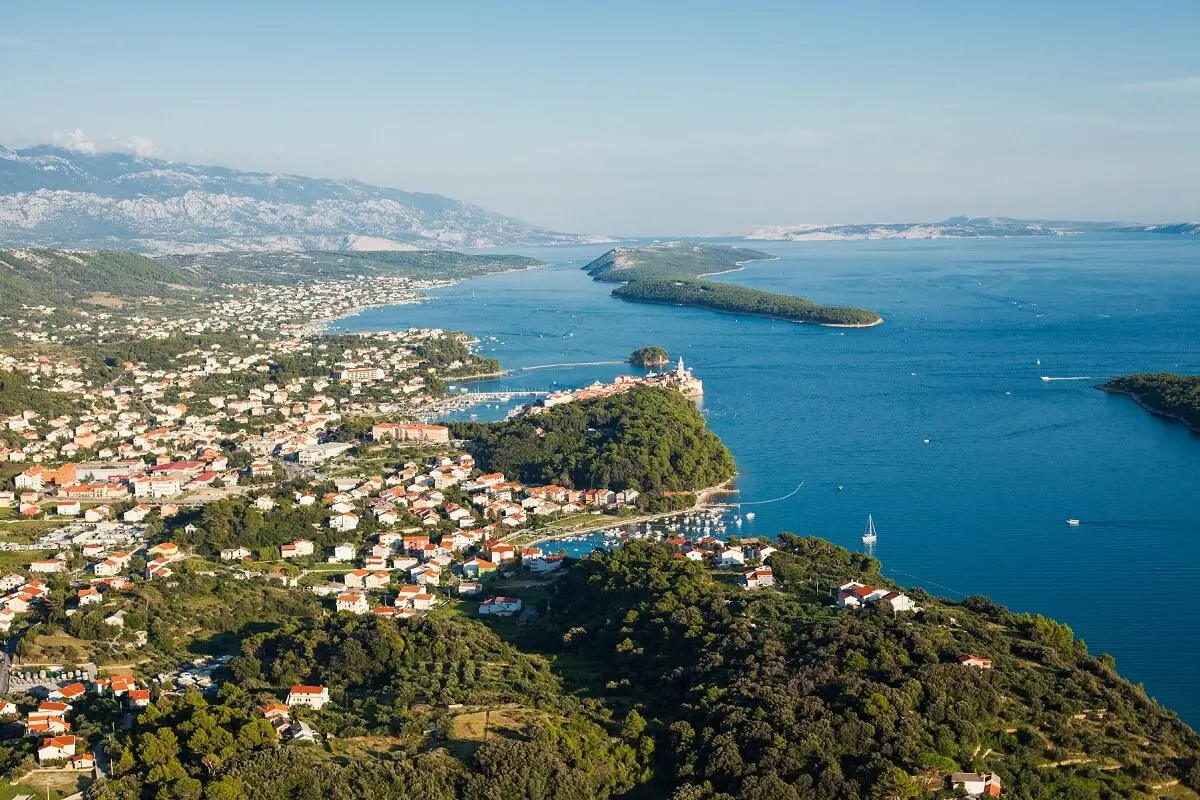
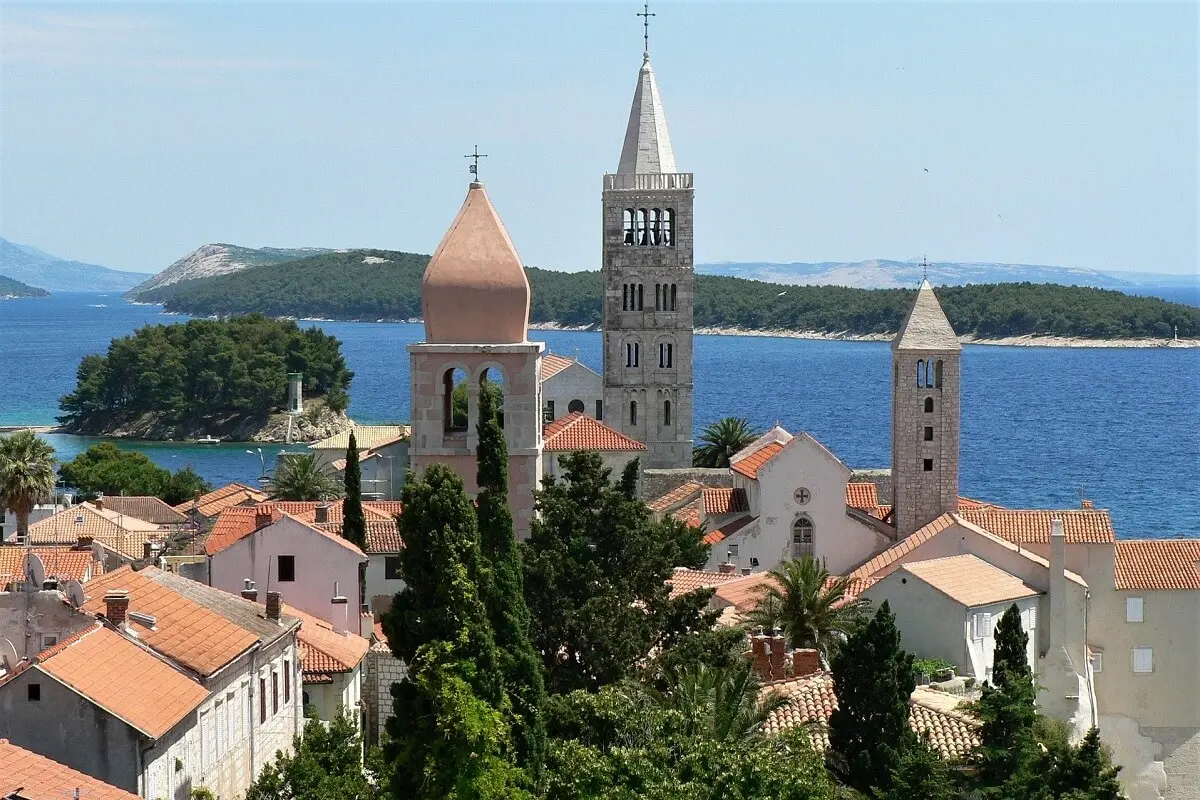
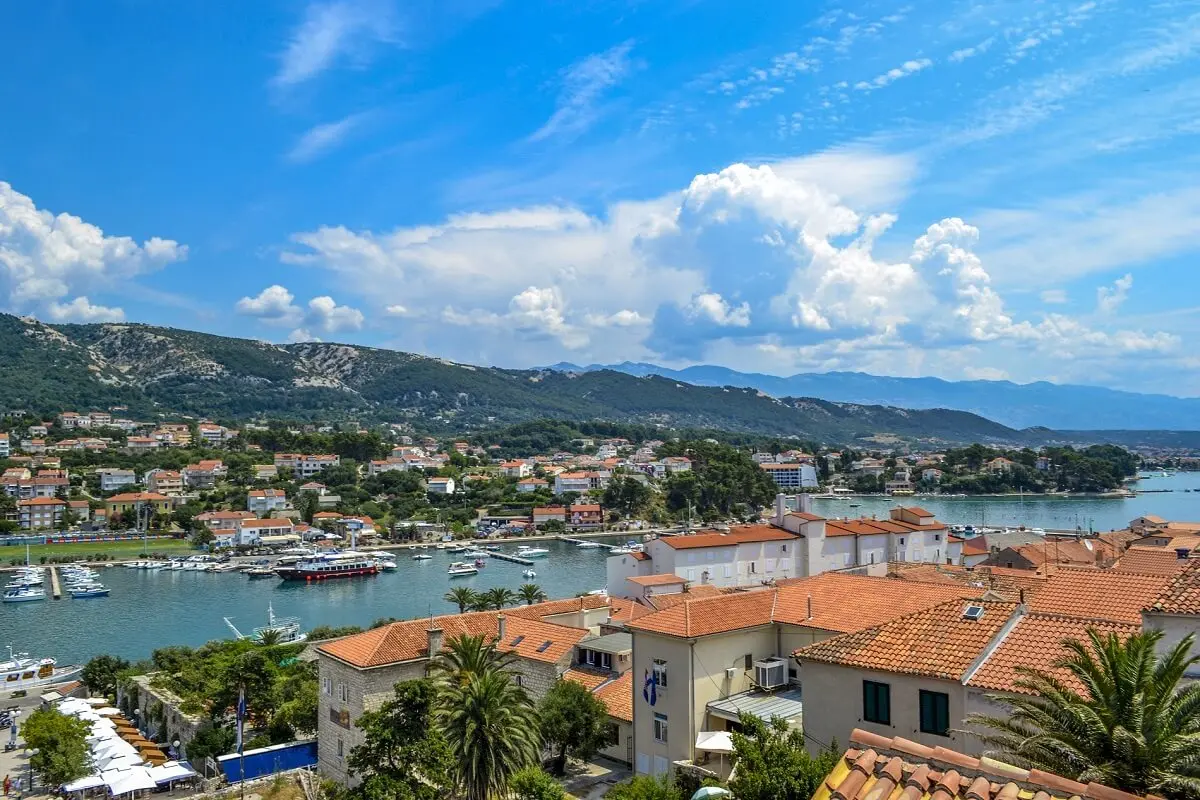
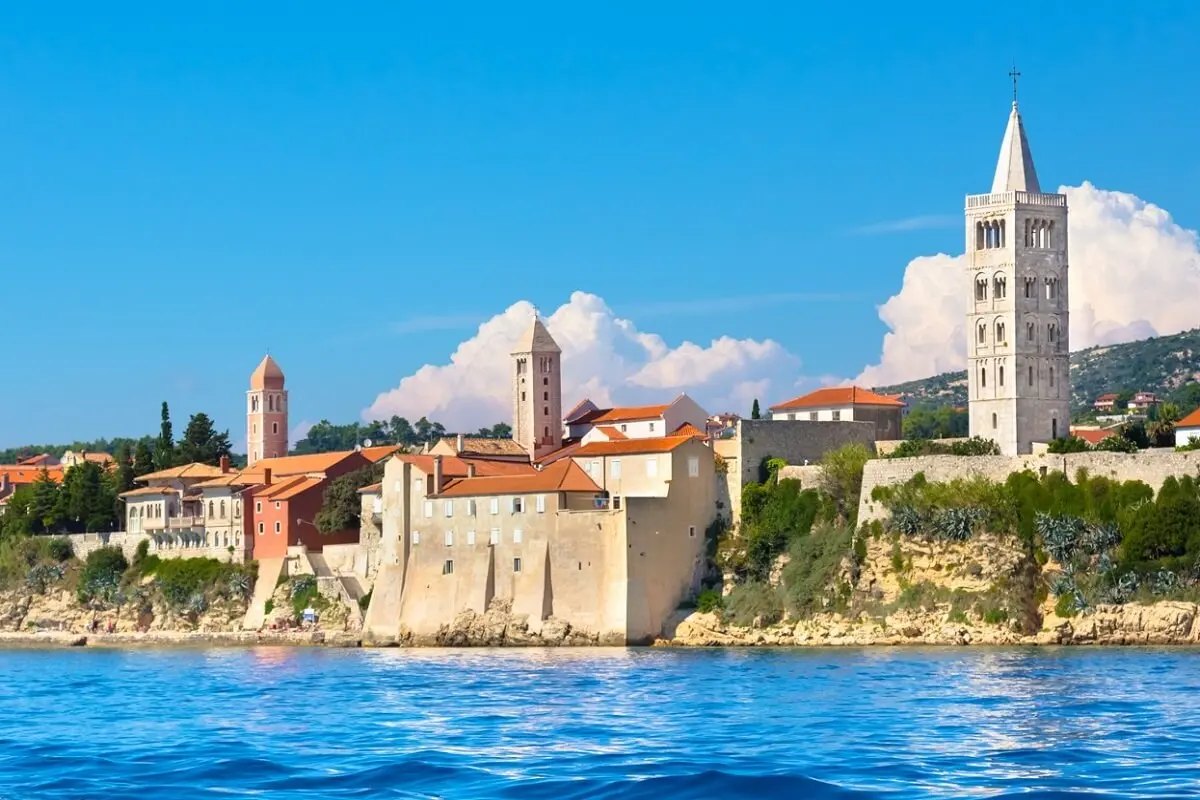
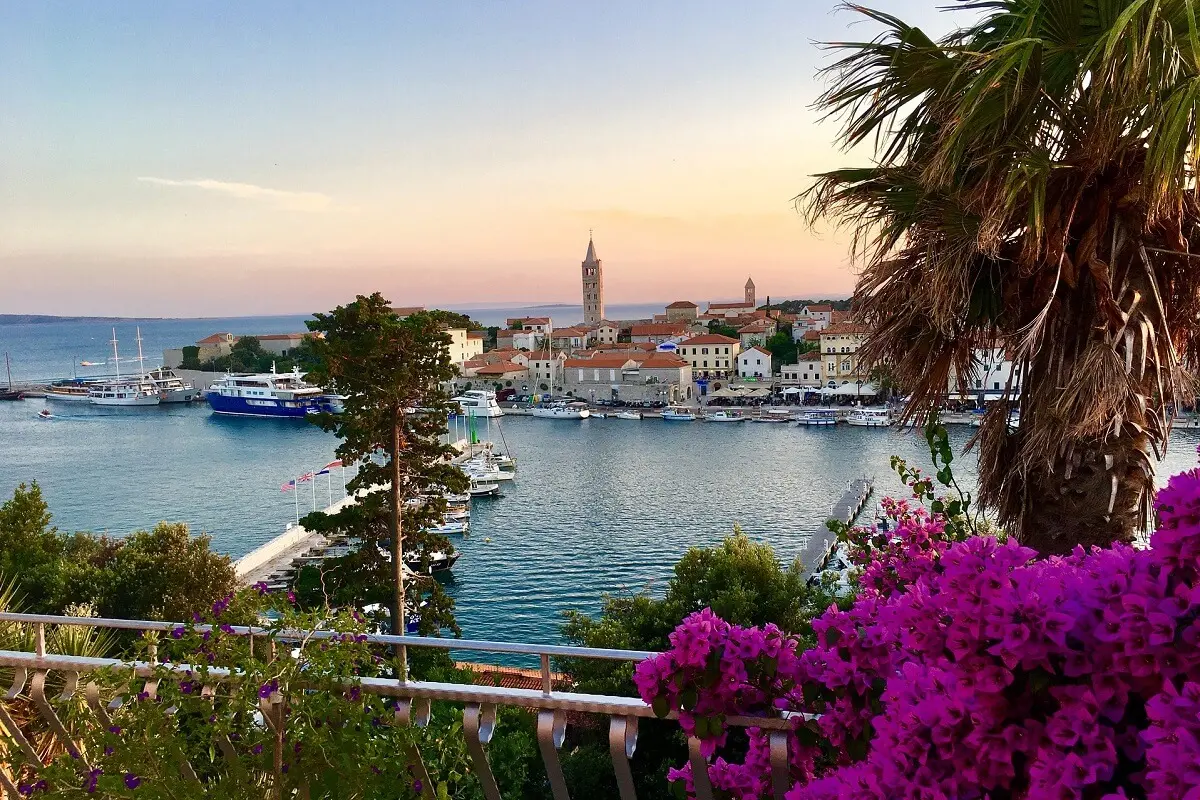
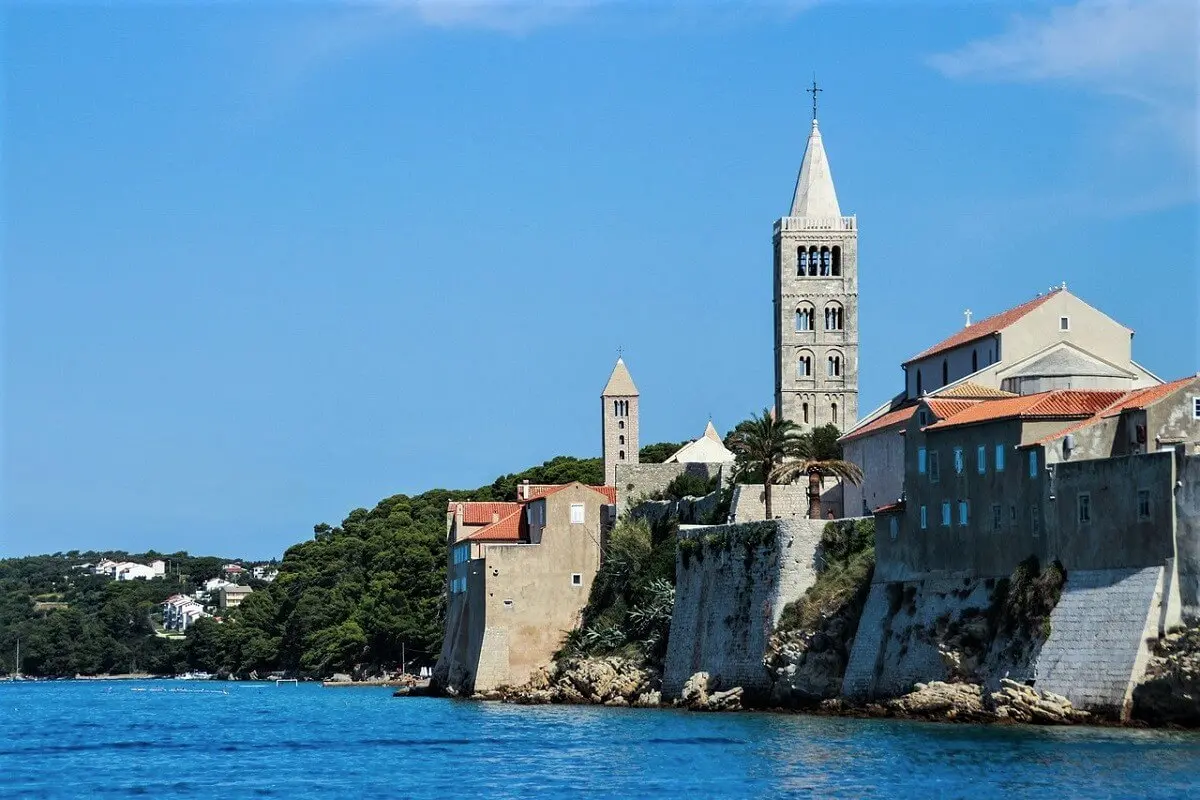
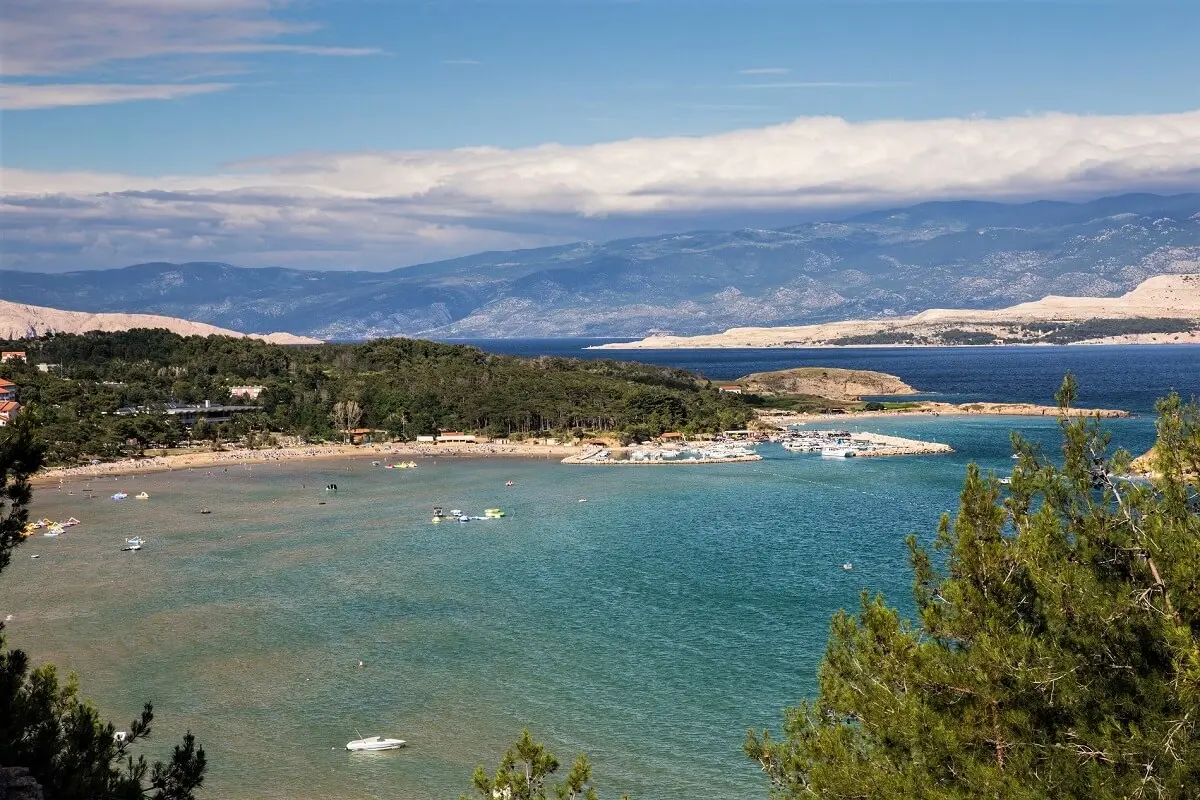
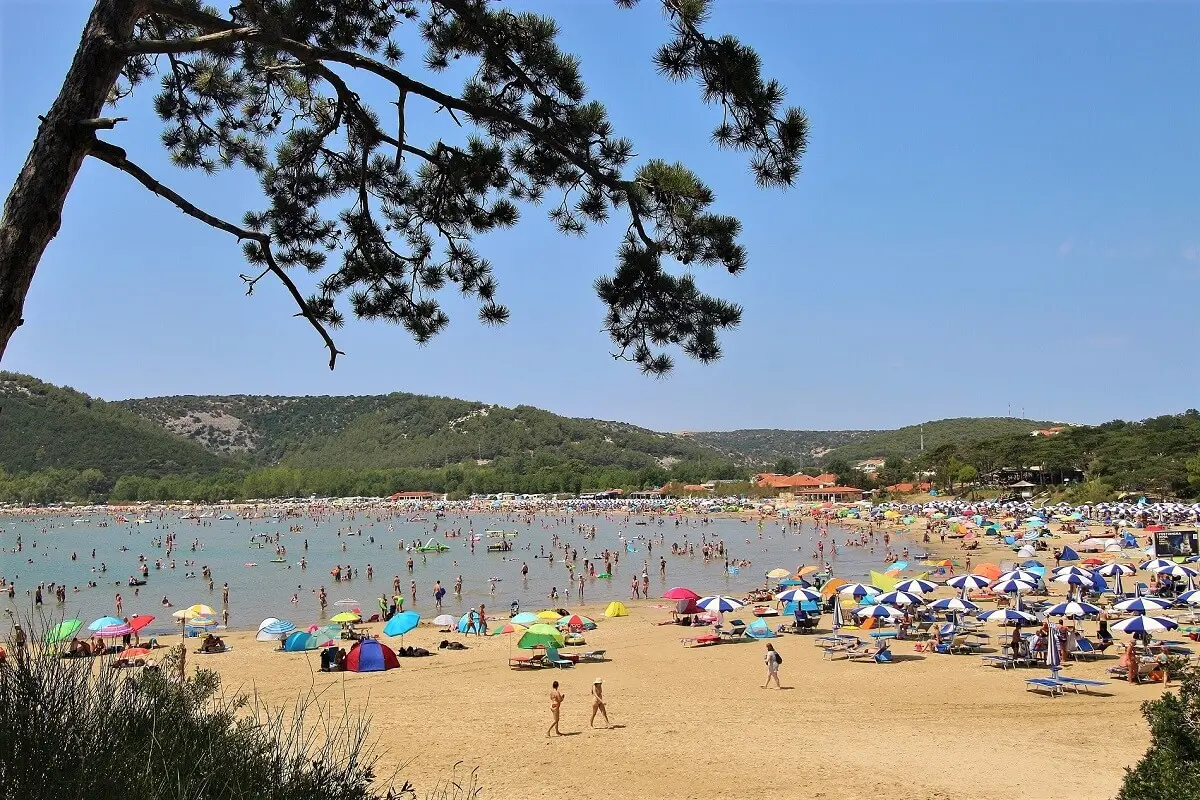
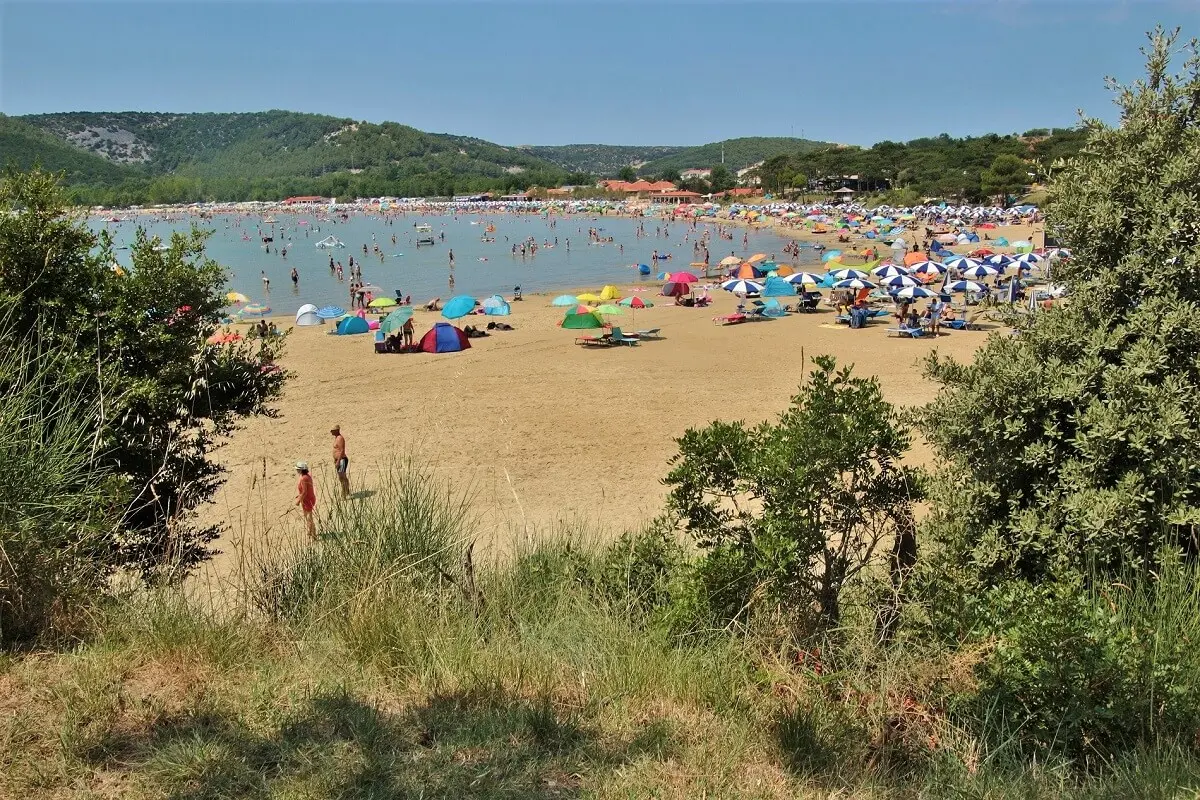
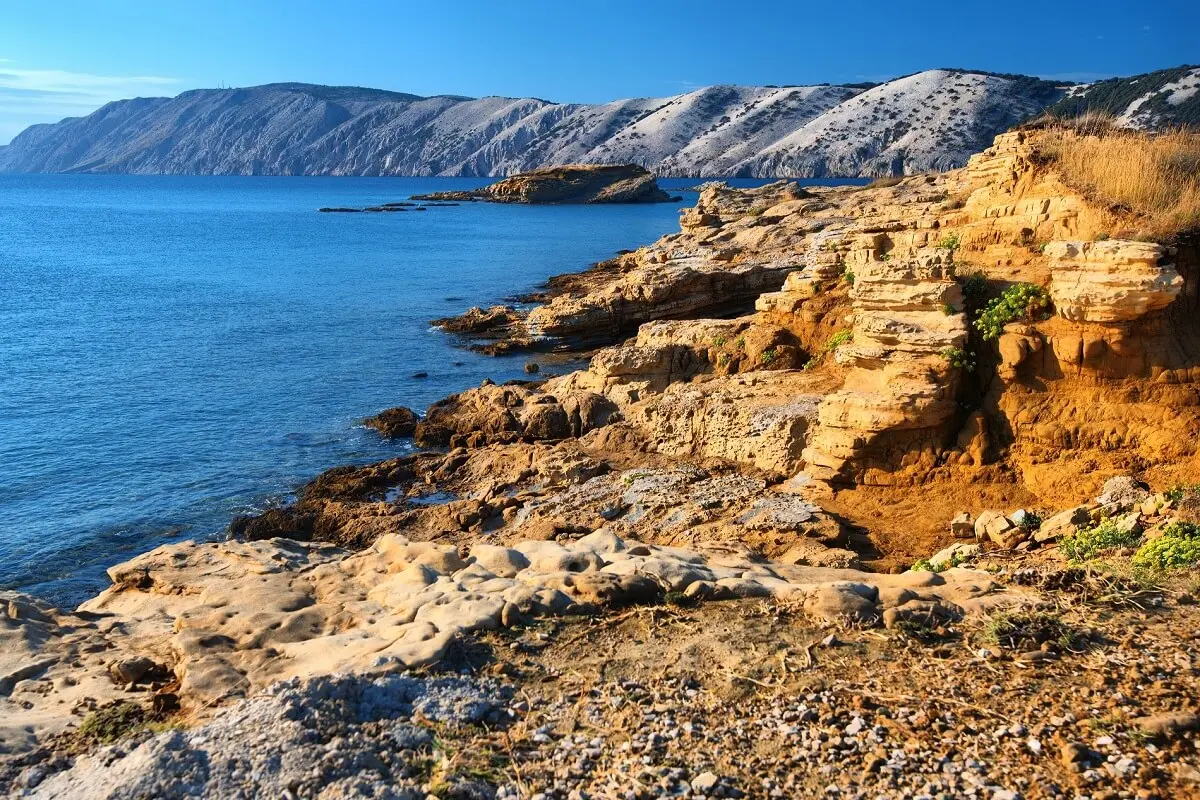
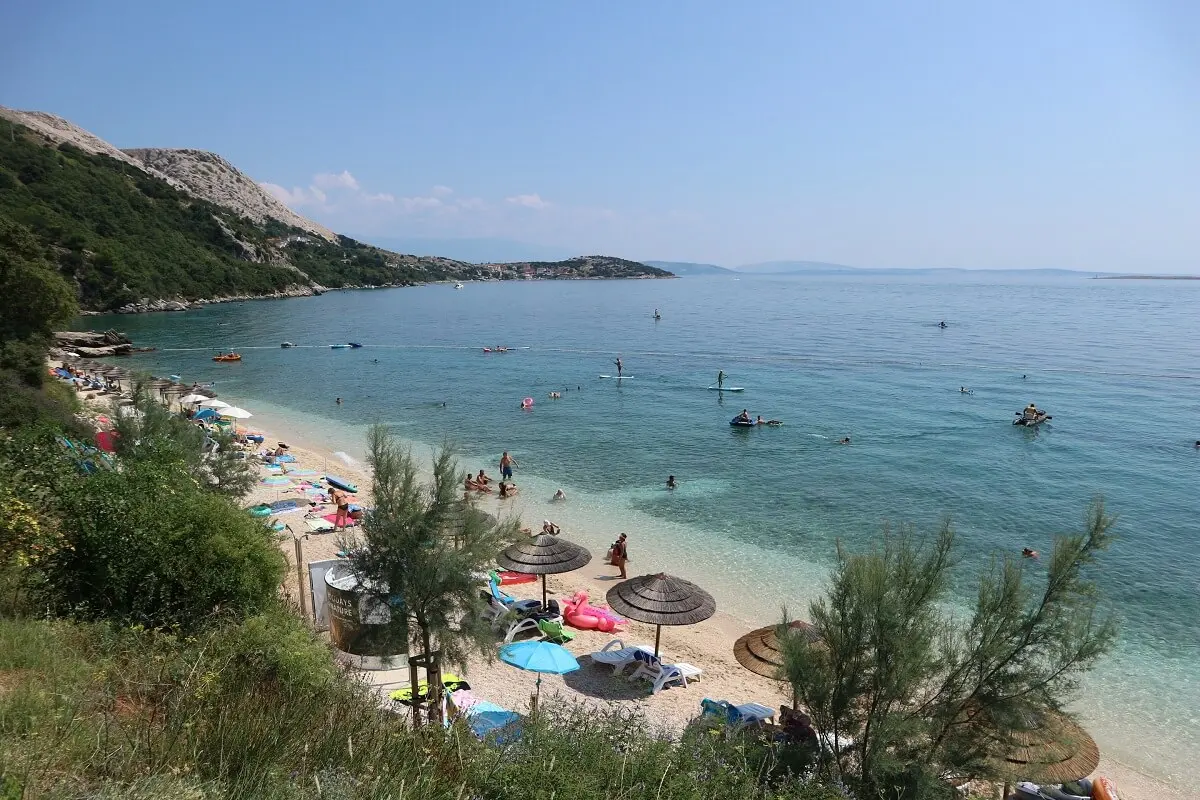
Located in the Kvarner region, Rab is known as an island of the sun, natural sand, and crystal clear sea. Although it doesn’t seem from the east side of the island, Rab is one of the greenest Croatian islands (also called emerald island). It has more than 100 km of walking trails and bicycle paths so it is an ideal destination for nature and sports lovers. Rab was inhabited by Illyrians in 350 BC, and in 1 century AD, it became a Roman municipality and important center called Felix Arba. Nowadays, the island of Rab has more than 9,000 inhabitants, however, the number fluctuates depending on the time of the year mainly due to the tourist season. The most attractive beaches on the island of Rab are 2-km long sandy beach Rajska in Lopar, known for shallow and warm sea, pebble beach Suha Punta with bars and restaurants, city beach Banova vila in the city of Rab, Pudarica beach in Brbat, FKK beach Sahara 30 minutes walking distance away from Lopar and FKK beach Kandarola. The central cultural event of the island is “Rabska fjera”, a traditional festival that attracts more than 10,000 visitors each year from 25th to 27th July. On Rabska fjera many local craftsmen present traditional products, while guests can enjoy rich gastronomic and music offerings. Be sure to explore the old town of Rab, including Saint Mary bell tower from the 12th century, the church of the assumption, and the monastery of Saint Euphemia. Rab can be reached from the mainland by a ferry line Stinica - Mišnjak, and from the island of Krk by a ferry line Valbiska - Lopar. There is also a regular catamaran line from Rijeka. Visit Rab and enjoy the ideal blend of the historical, cultural, and natural heritage of this attractive island. Accommodation is offered in several hotels and in private accommodation such as apartments, rooms, and holiday homes.

Destinations
4

Accommodation objects
149

Island of Rab

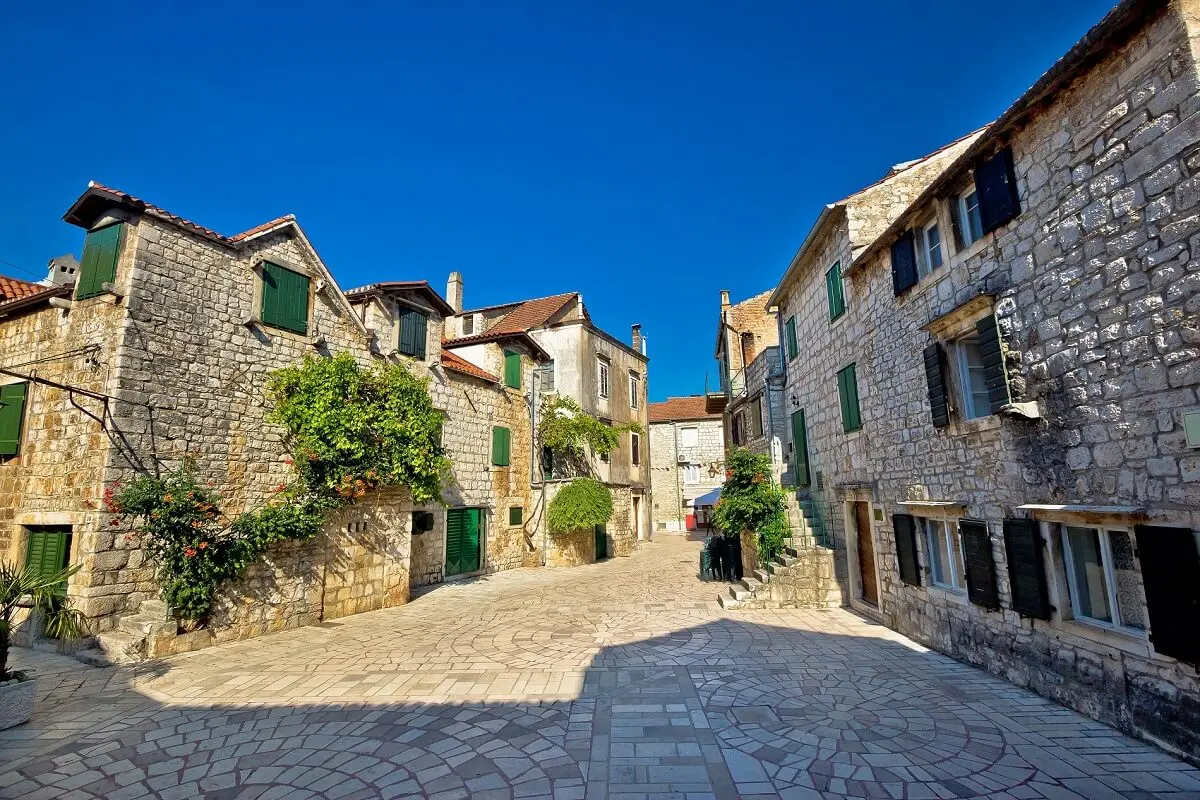
Island of Hvar

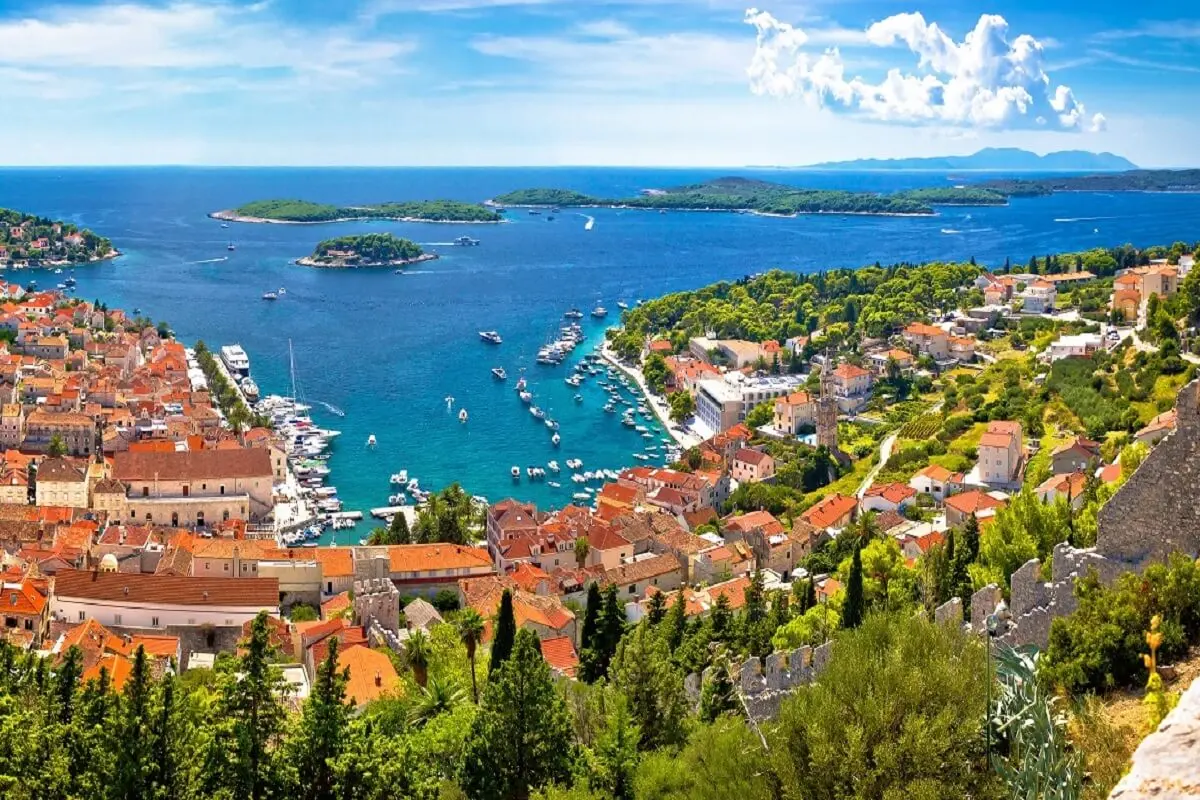
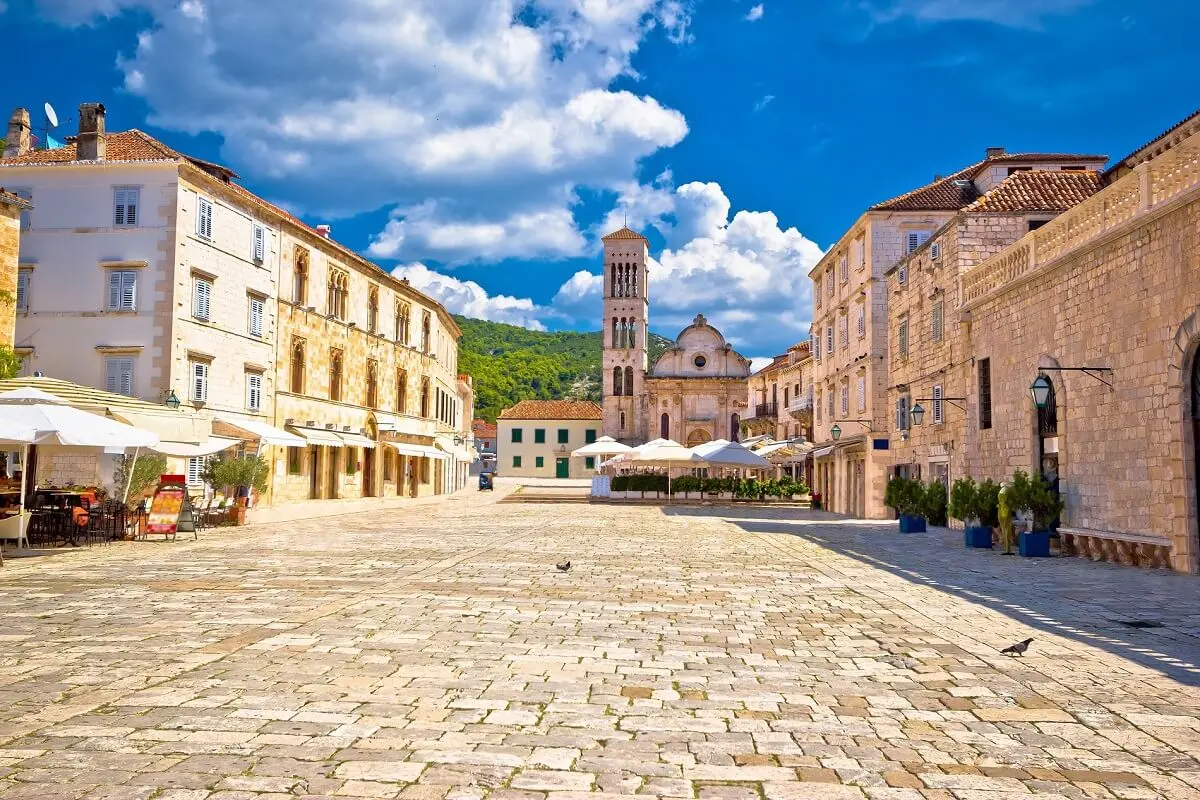
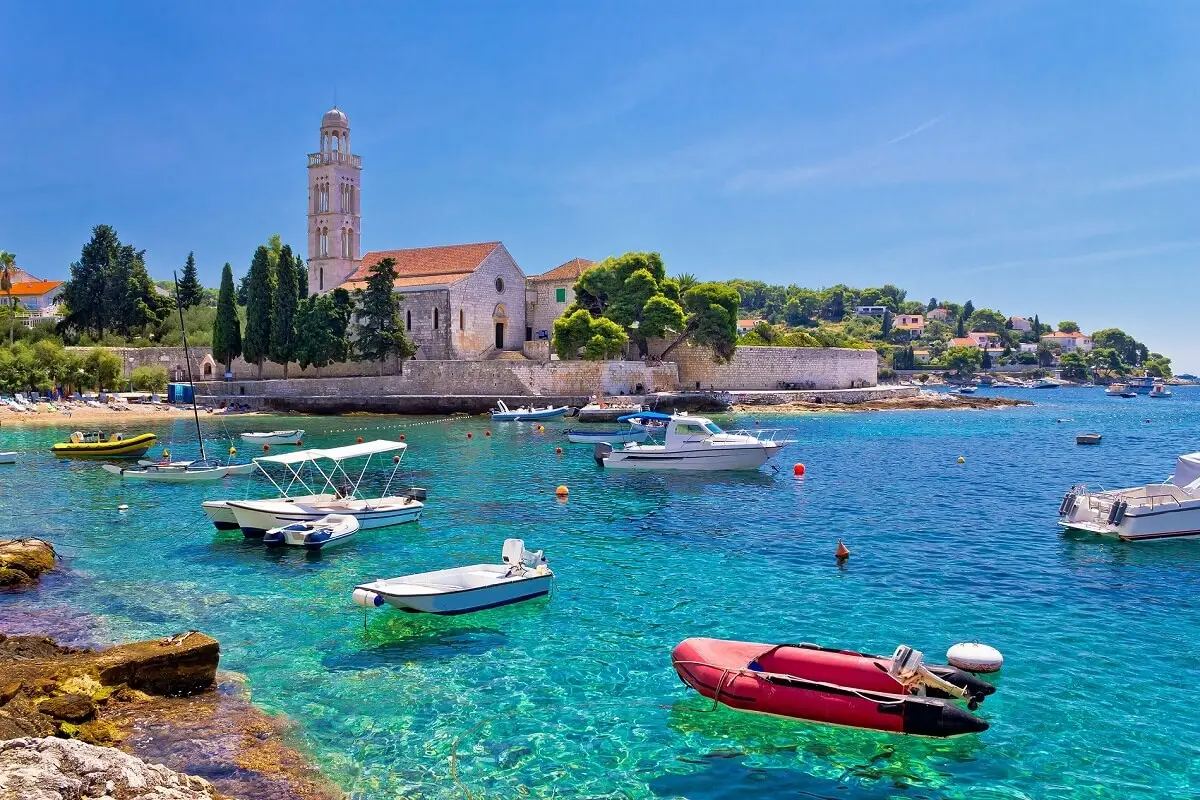
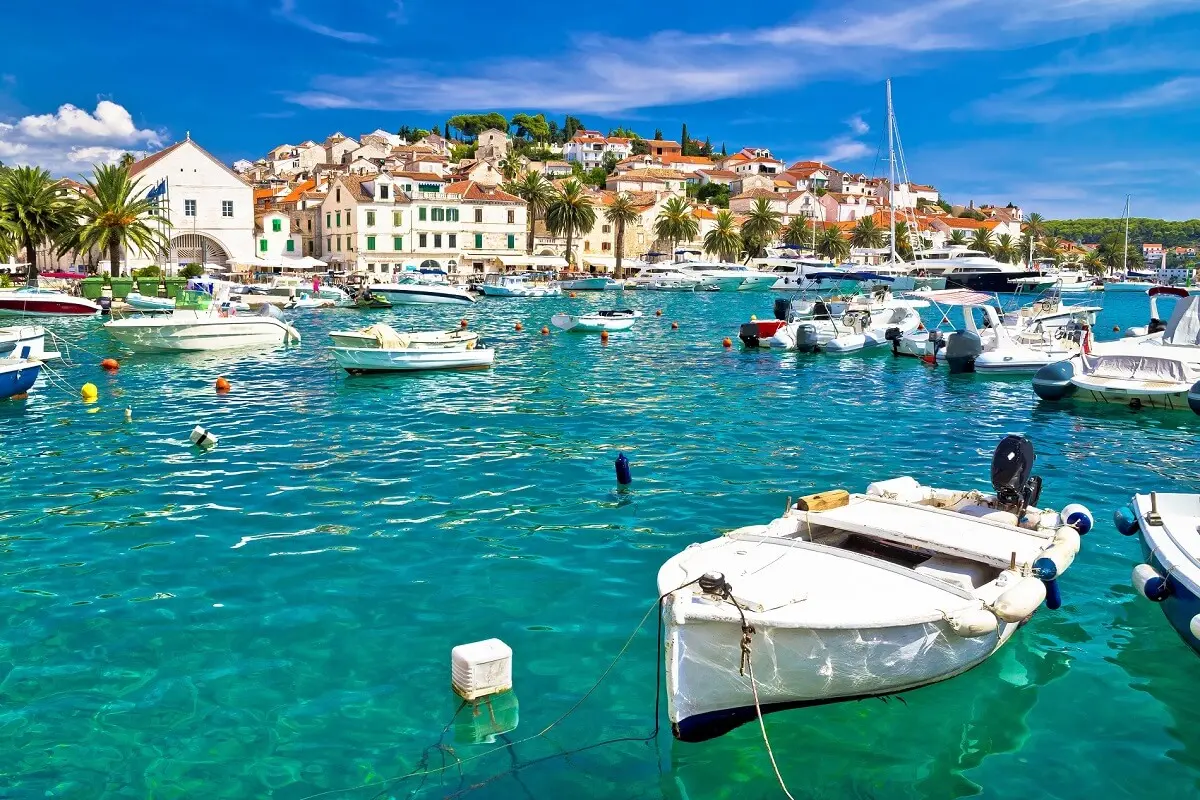
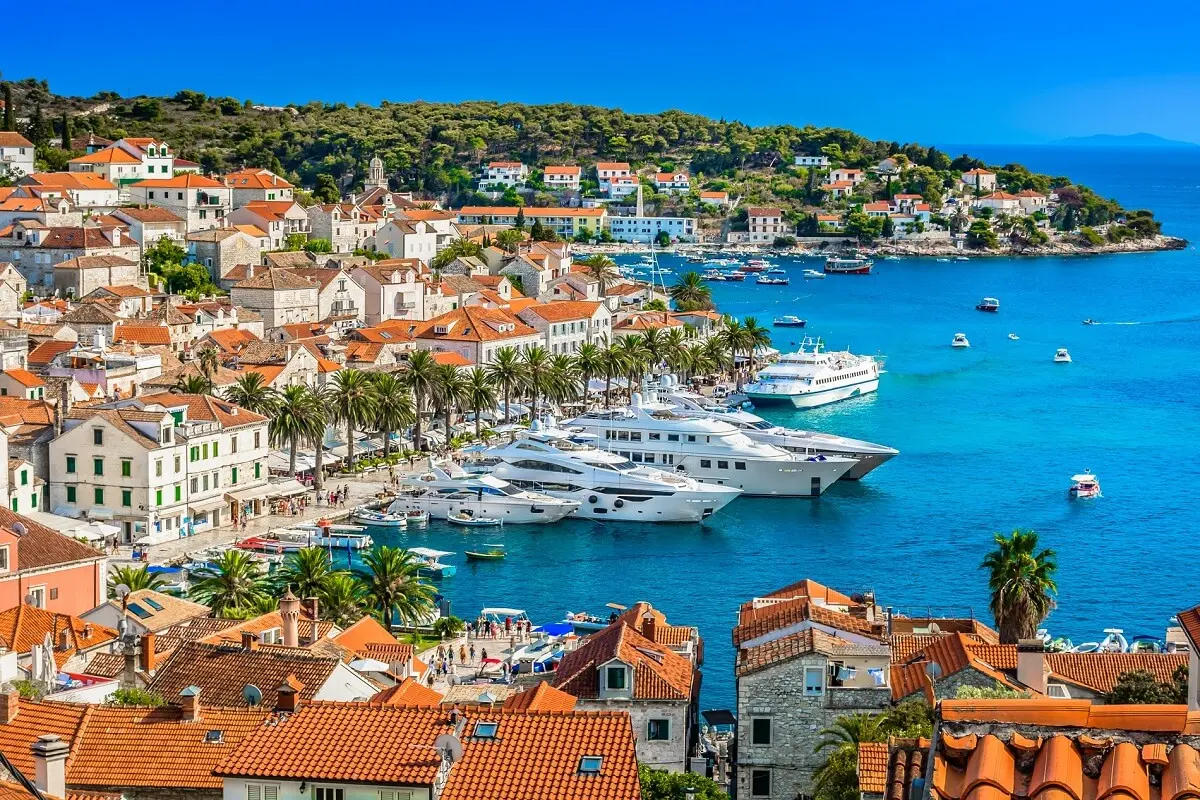
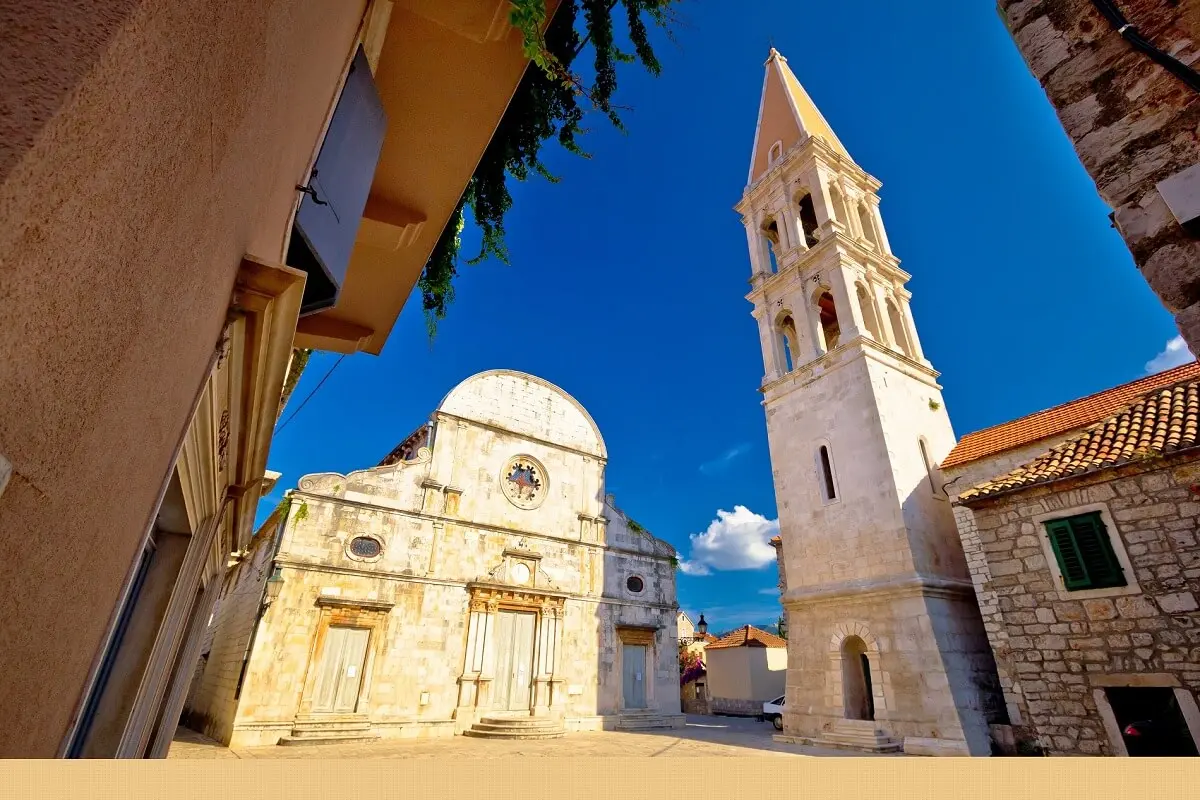
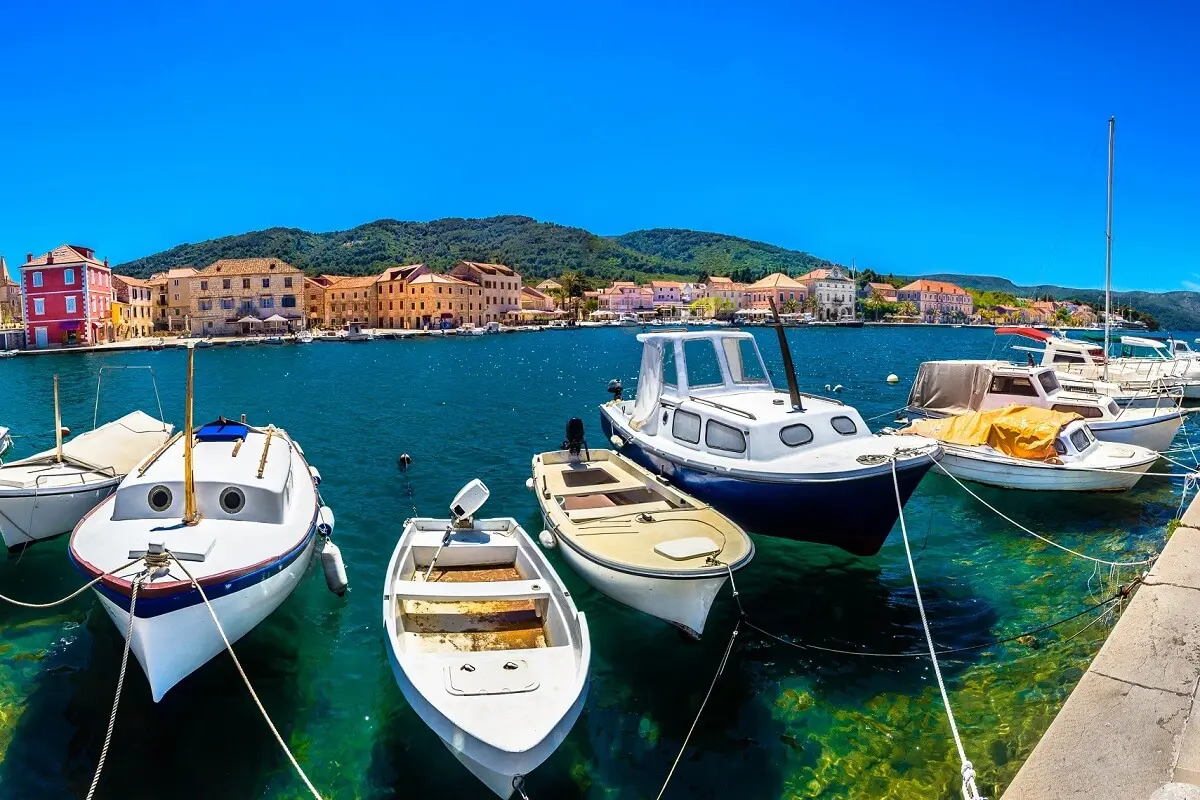
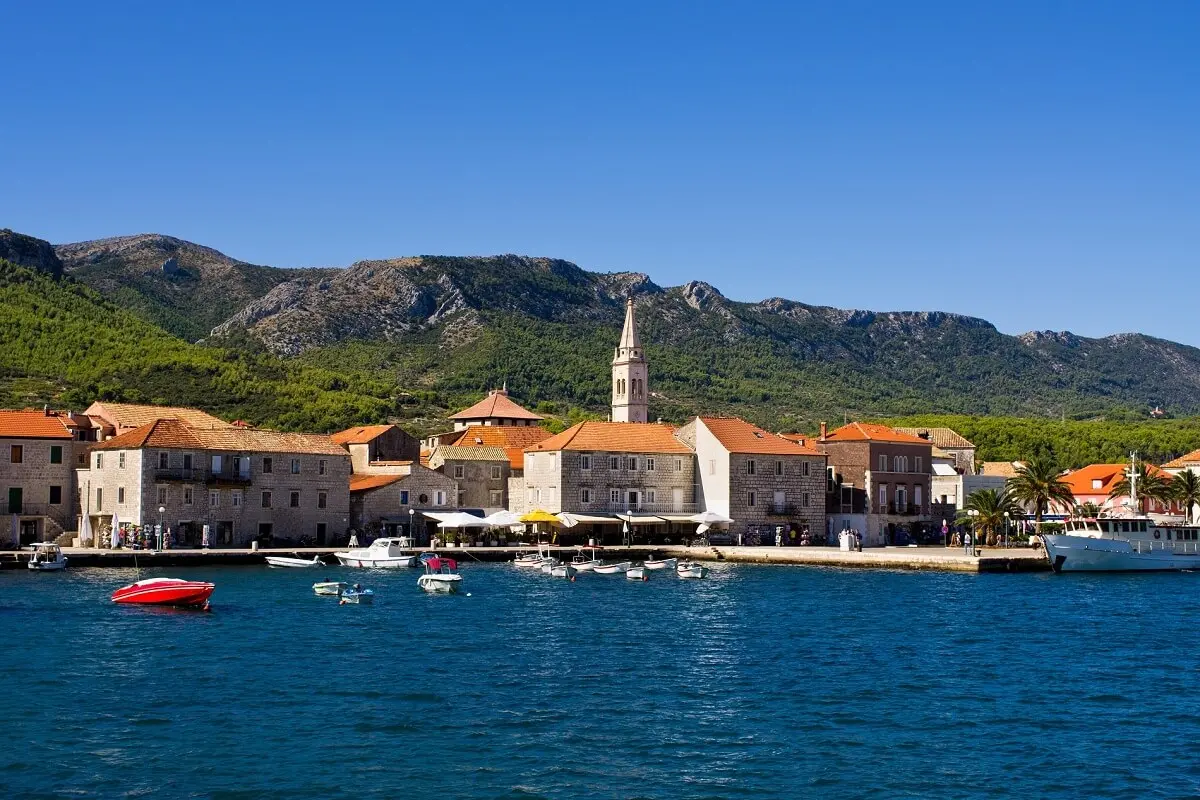
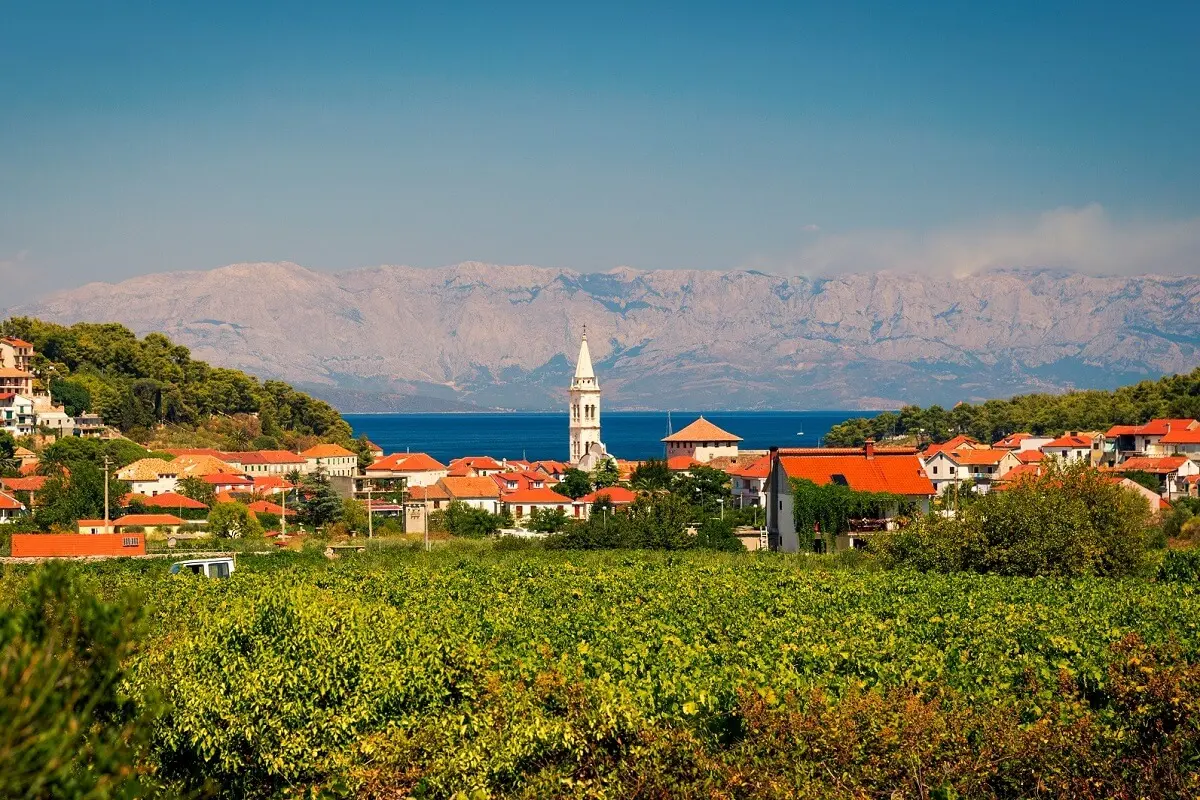
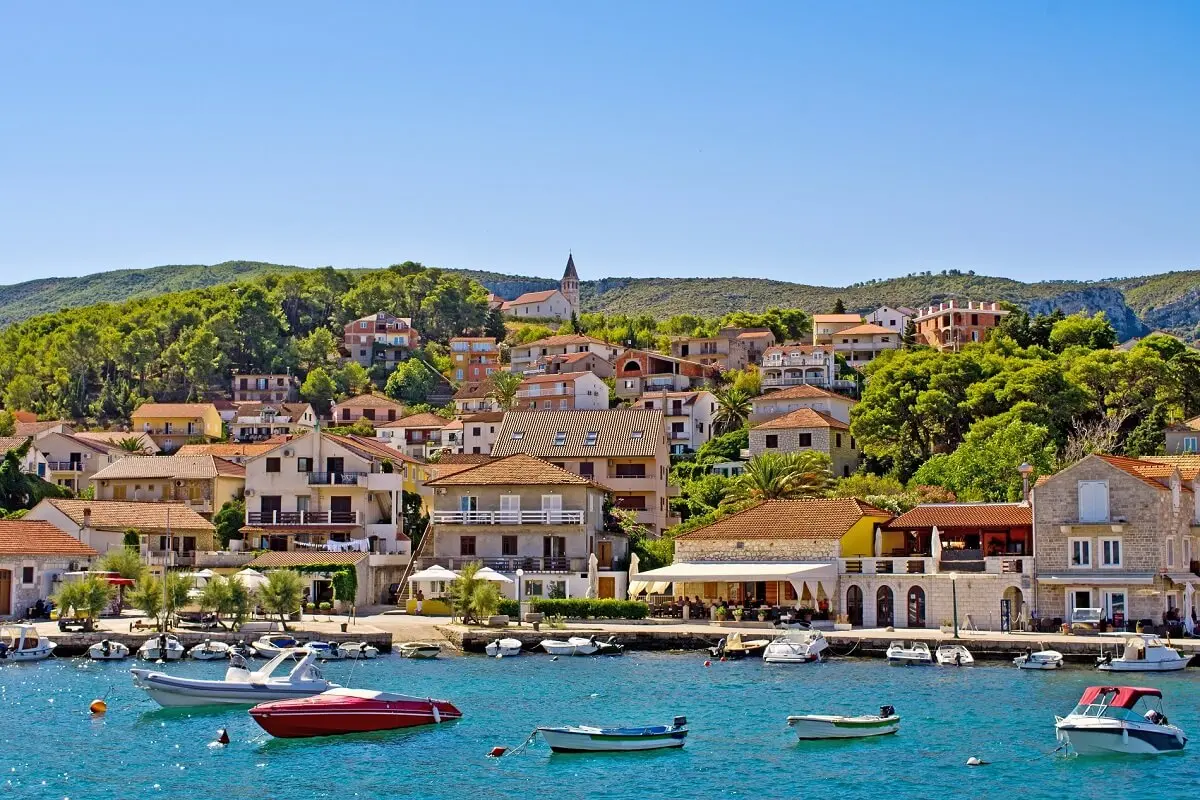
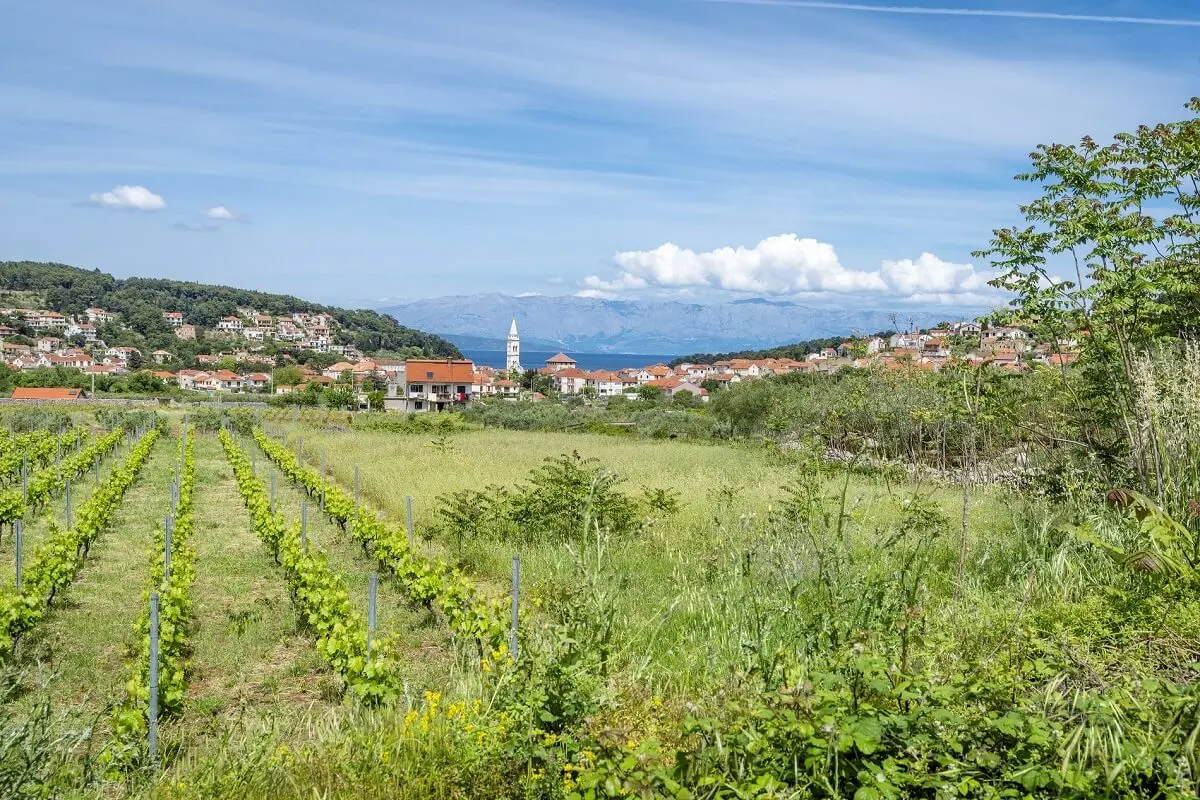
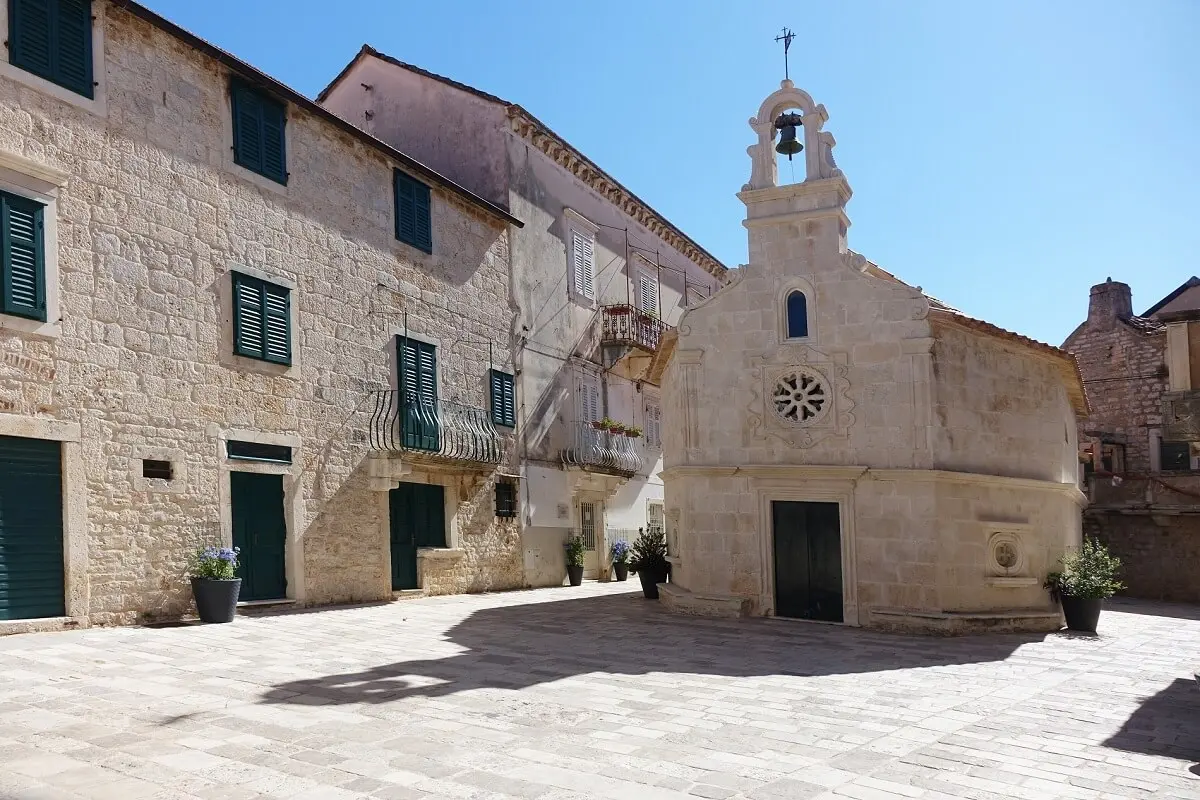
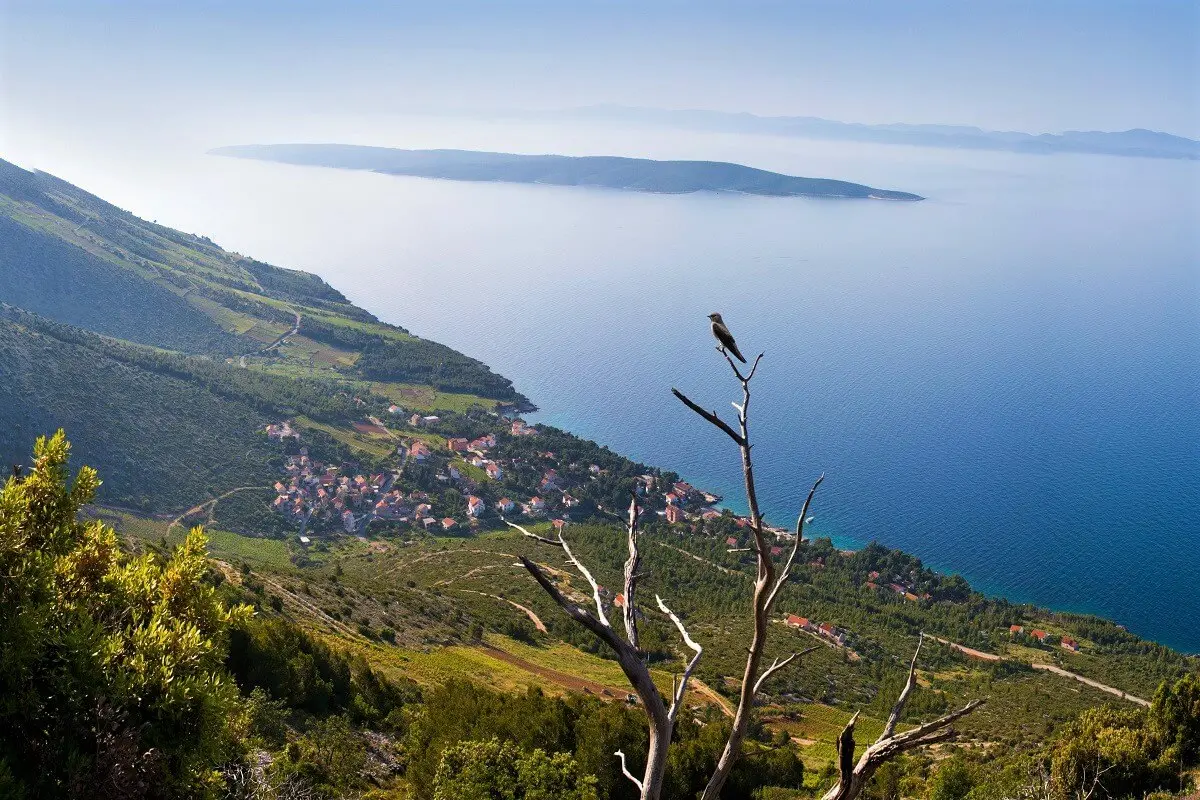
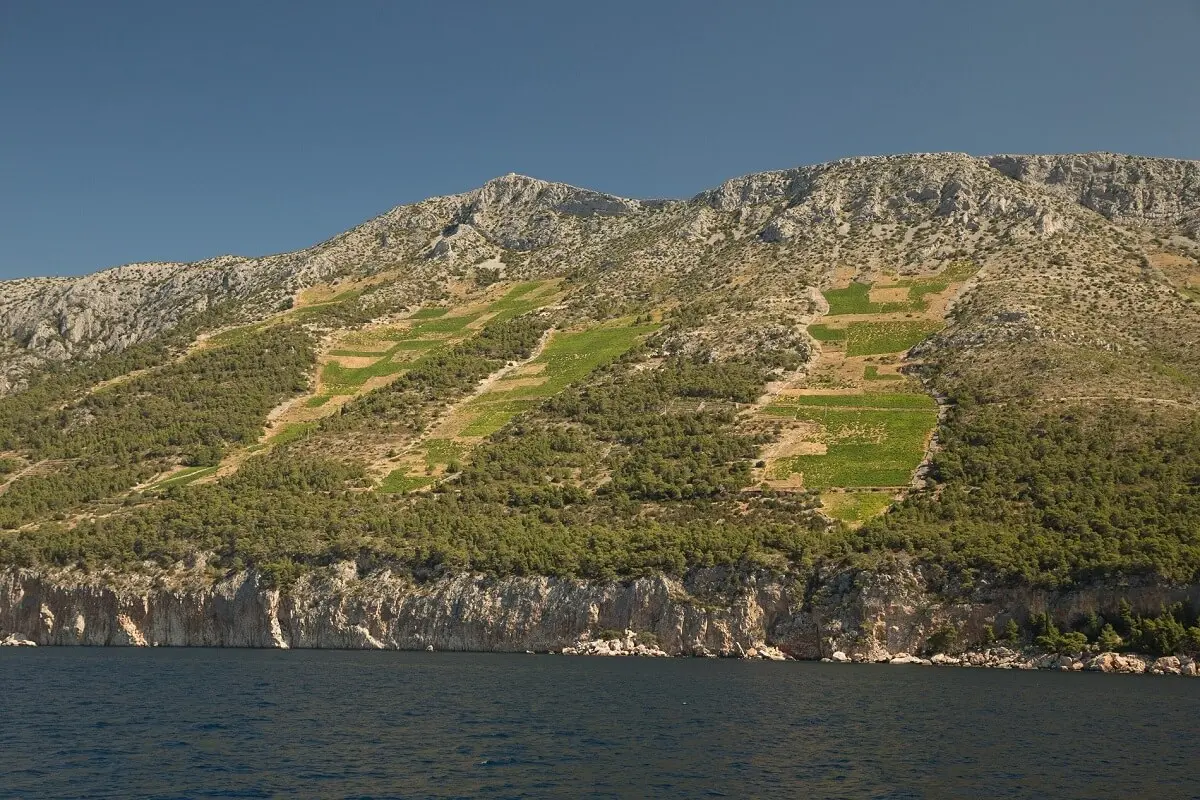
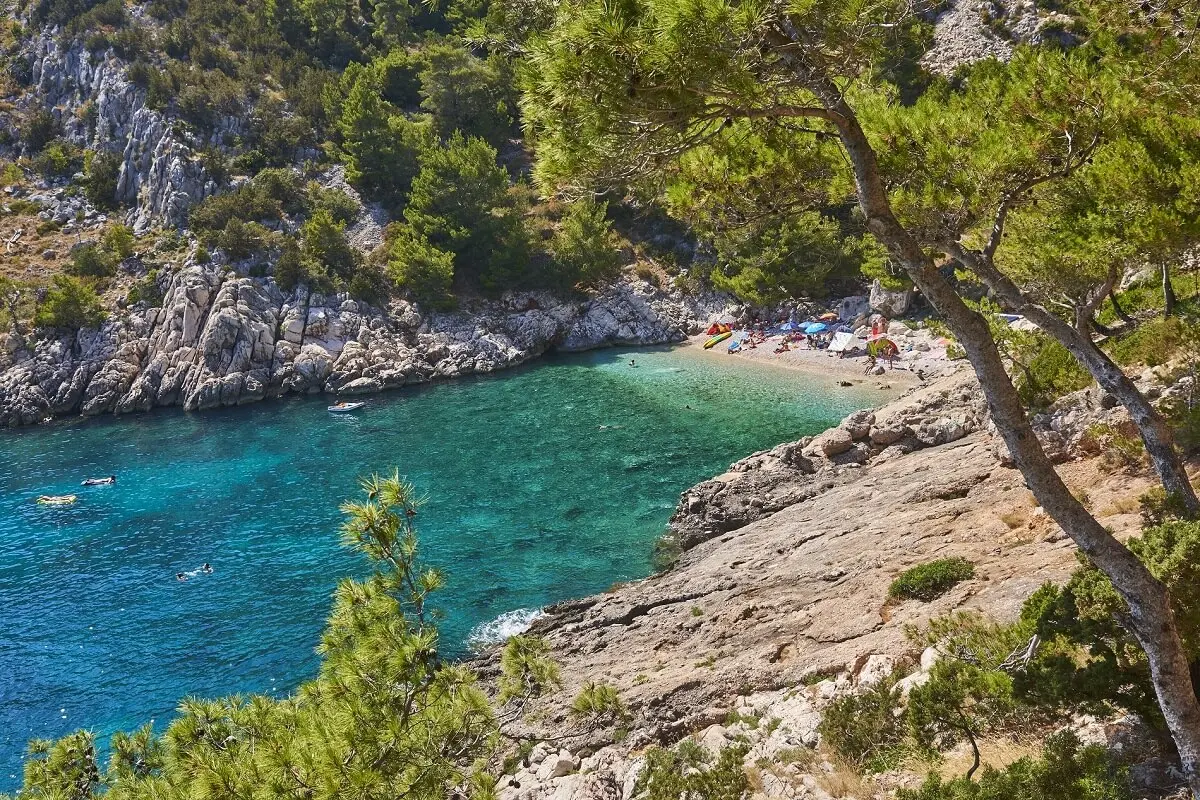
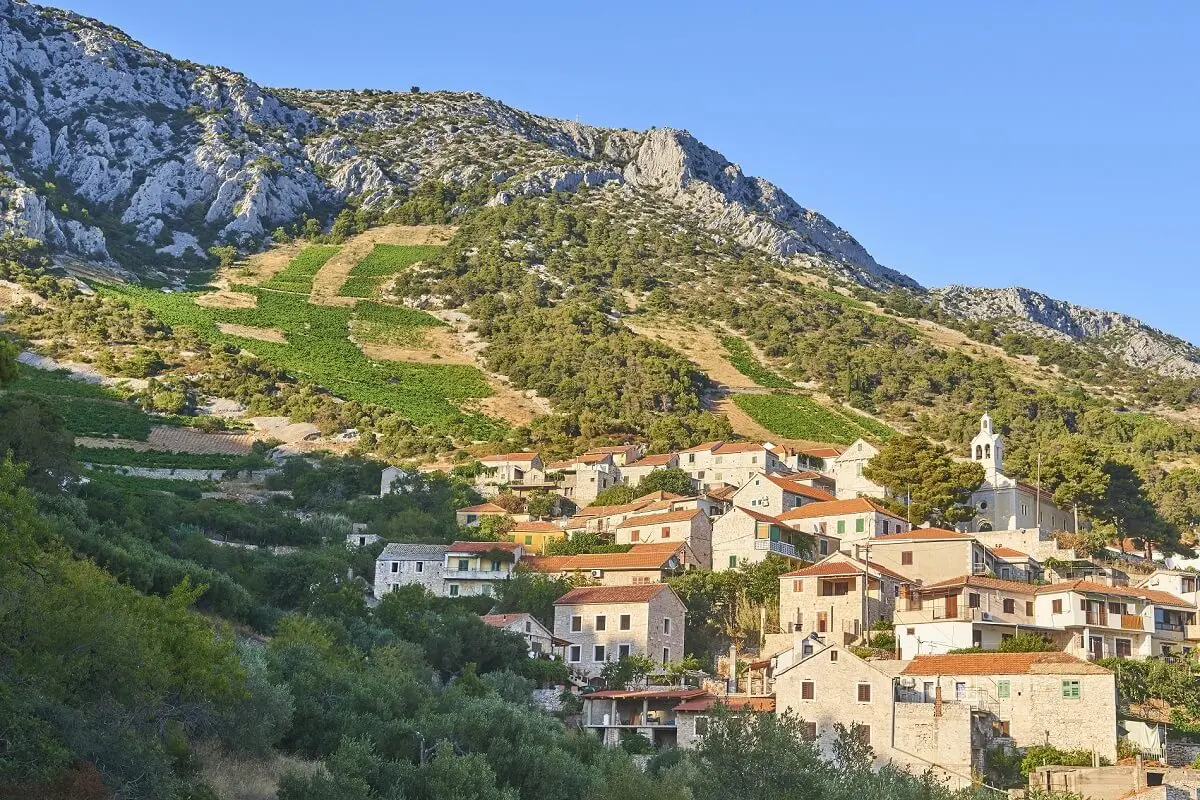
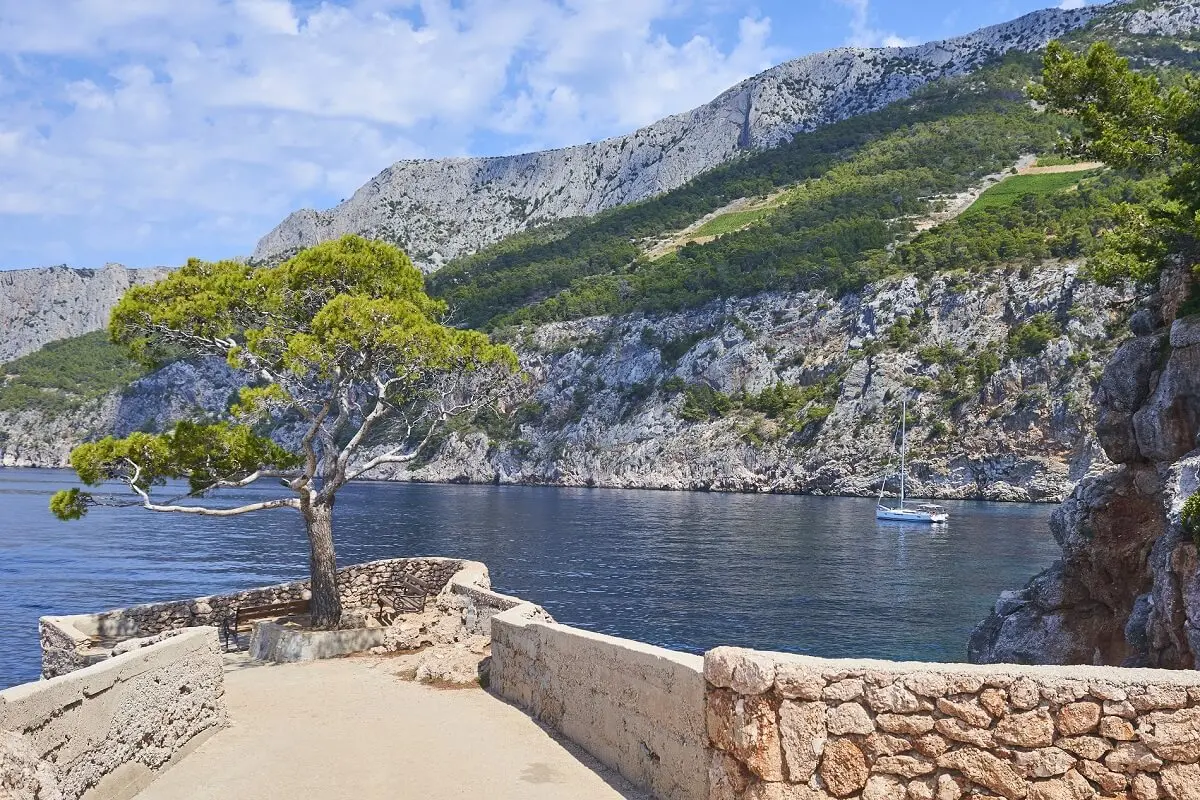
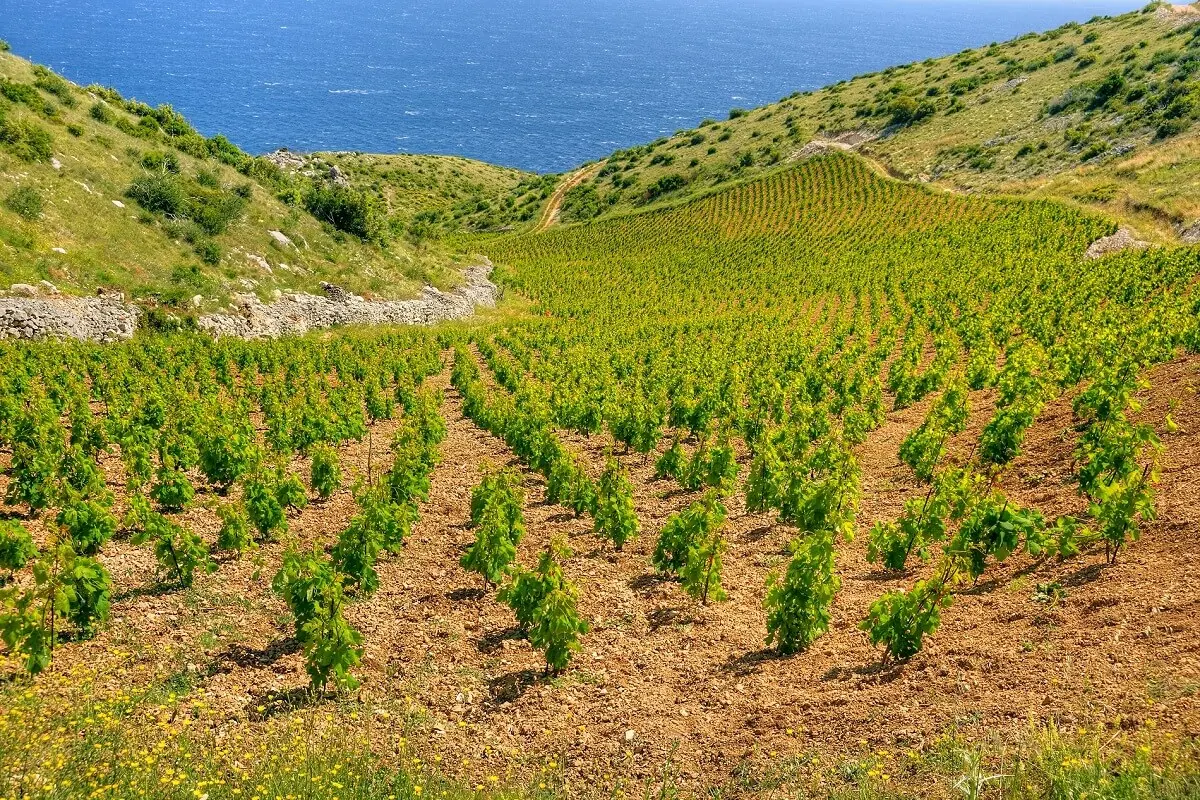
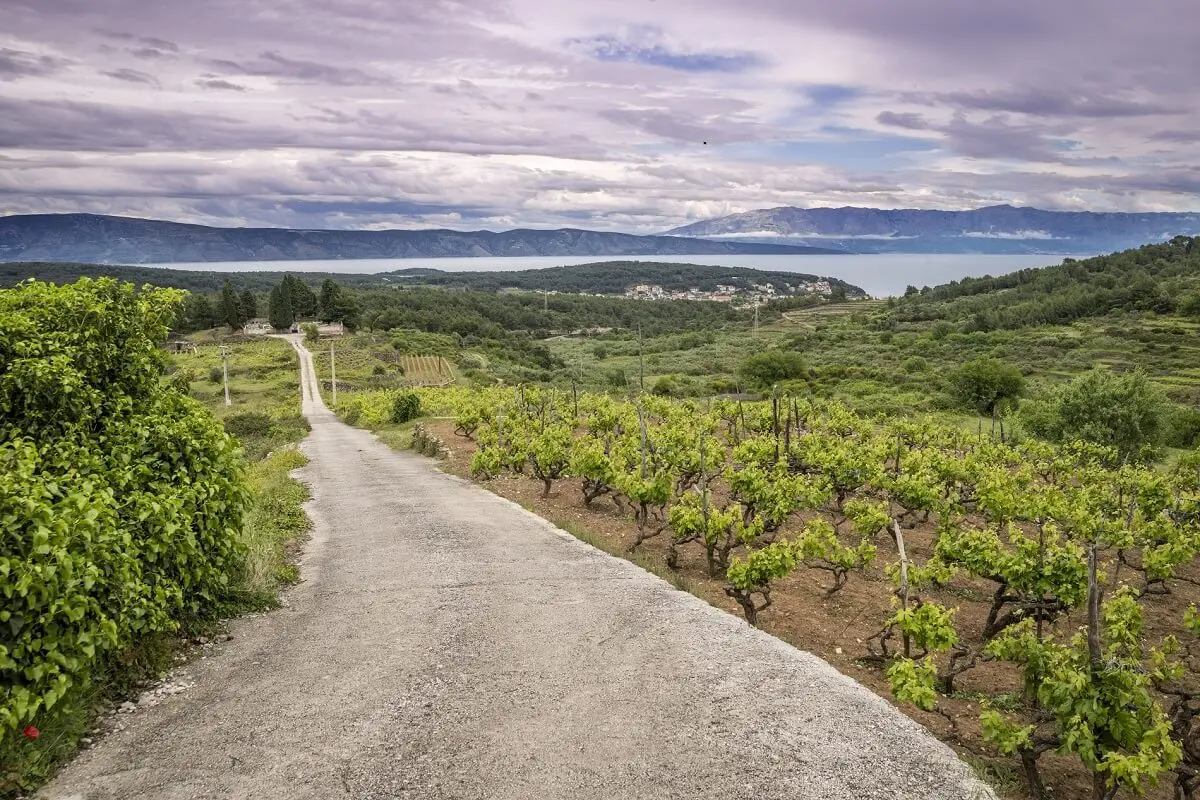
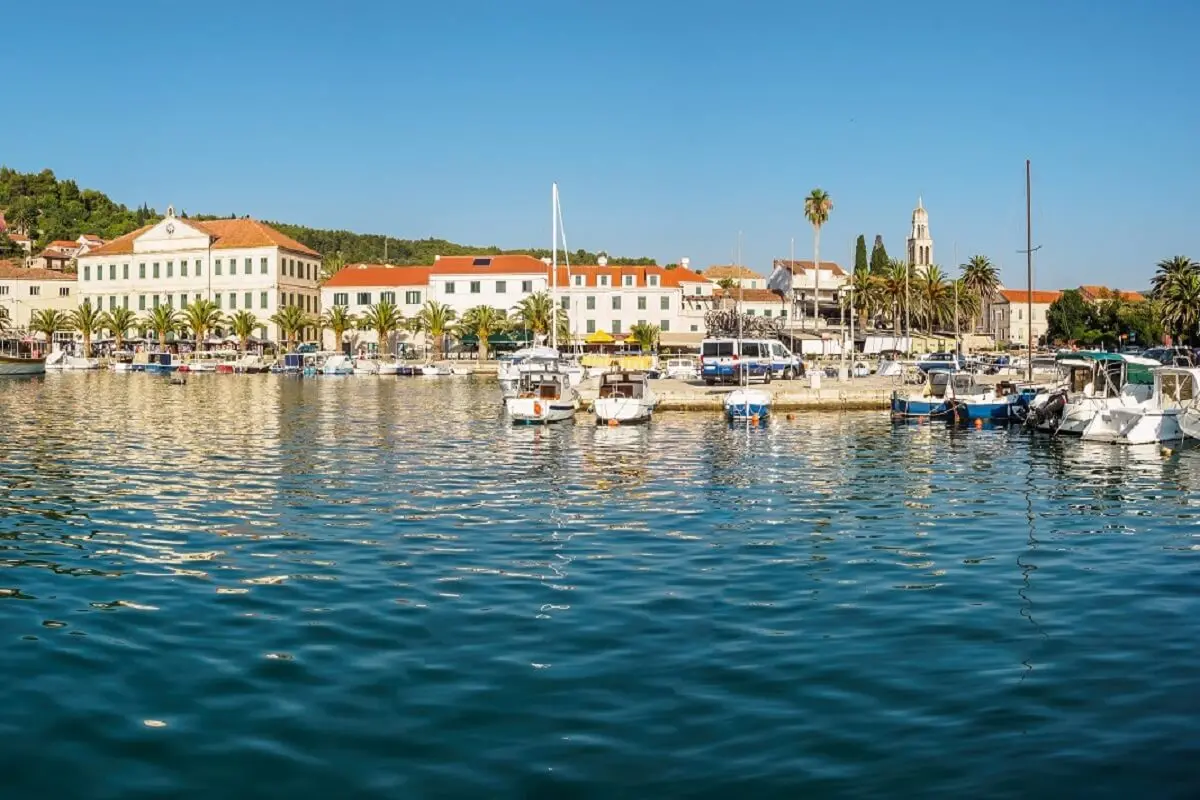
Hvar is an island in Croatia, located in central Dalmatia, close to the city of Split. It is surrounded by attractive islands such as Korčula, Brač, Vis, Šolta, Paklina and the peninsula of Pelješac. Because of the high number of sunny days, it is often called the sunny Hvar (“sunčani Hvar”). Hvar has a surface of 300 km2 which makes it the fourth largest Croatian island. As a result of almost ideal microclimate, the majority of the island is covered by pine forests, olive groves and vineyards from which locals produce great authentic wine (most famous wines are red wine Plavac Mali, and white wine Bogdanuša). Saint Nikola is the highest peak (628 m). Hvar has been inhabited for almost 6000 years, and today's name comes from the Greek word Pharos meaning lighthouse. Today it has a population of 11,500 inhabitants. There are so many reasons why Hvar should be on your travel list - many attractive beaches and hidden coves, remarkable architecture and cultural sights, fields of lavender, vineyards, olive groves and great nightlife. Hvar is big enough and anyone can enjoy it. Top sights and landmarks on the island of Hvar include fortress Fortica (Španjola) from the 16th century, visiting attractive Paklina islands, Franciscan monastery from 1461, Saint Stephen's cathedral, Petar Hektorović’s Tvrdalj with a fish-pond and the UNESCO World Heritage Stari Grad plain. The most attractive beaches on the island of Hvar are pebble beach Dubovica located in a small cove close to the city of Hvar, pebble beach Mekićevica near the city of Hvar, Lučišća beach close to Sveta Nedjelja, pebble beach Zaraće, pebble beach Mlini on Paklina islands, sandy beach Maslinica near Stari Grad ideal for children, pebble beach Pokonji dol near Stari Grad If you are traveling by car, Hvar can be reached from Split and Drvenik by ferry. During the summer there are seasonal international ferry lines from Italy (Ancona and Pescara). Also, there are regular ferry lines from other islands - Korčula, Brač and Vis. Today the island of Hvar is recognized as an exclusive tourist destination with many high-class hotels and attractive apartments, holiday homes and rooms.

Destinations
8

Accommodation objects
58

Island of Hvar

Island of Krk

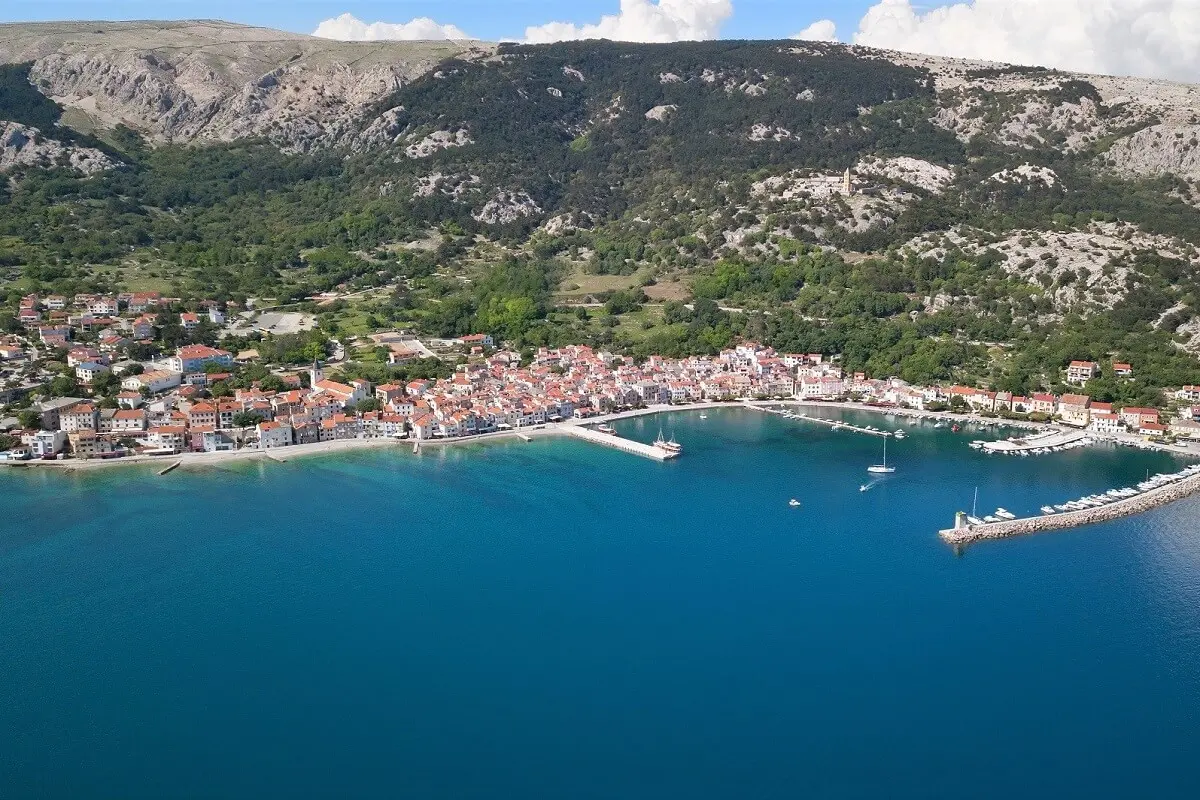
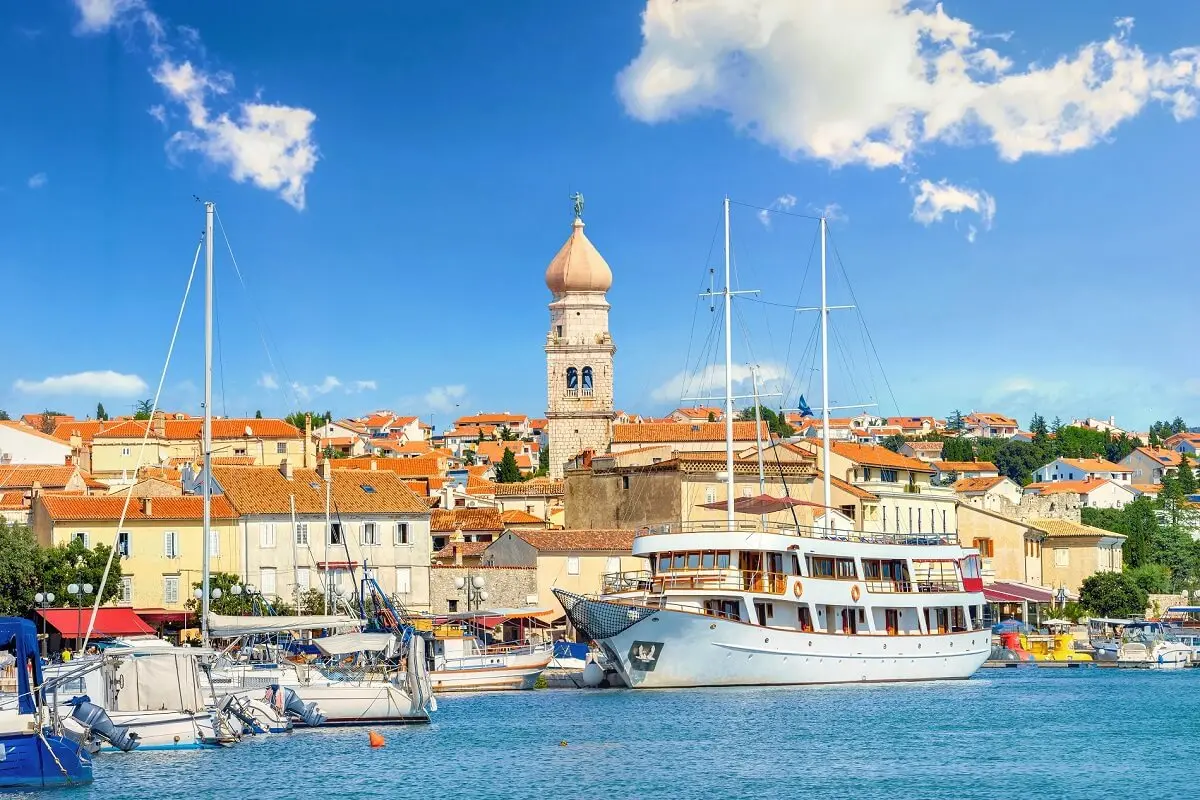
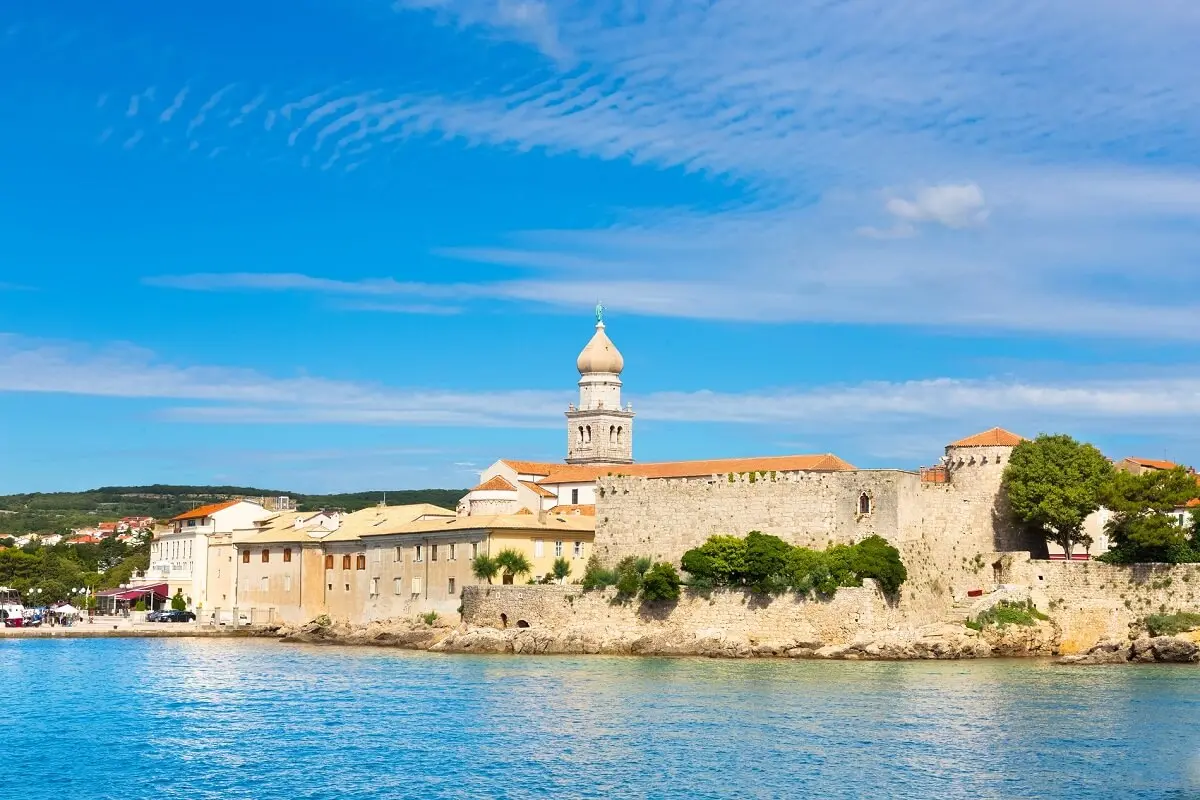
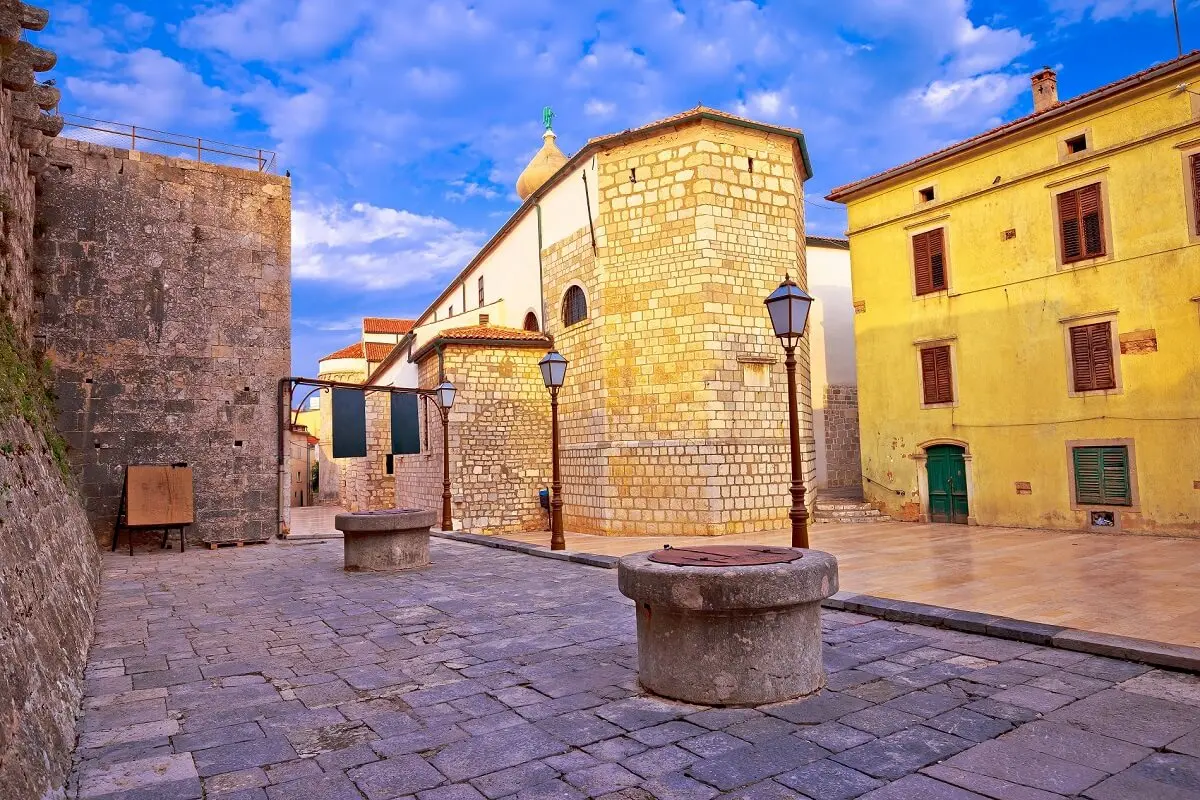
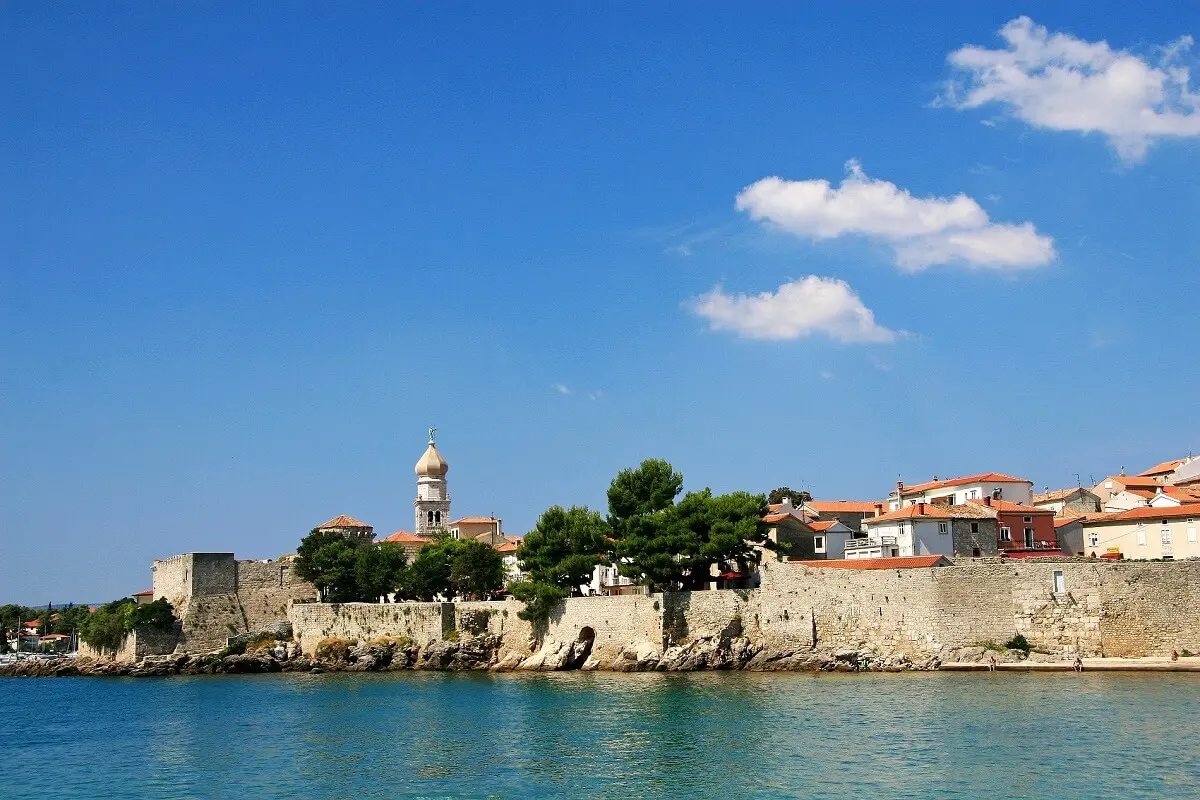
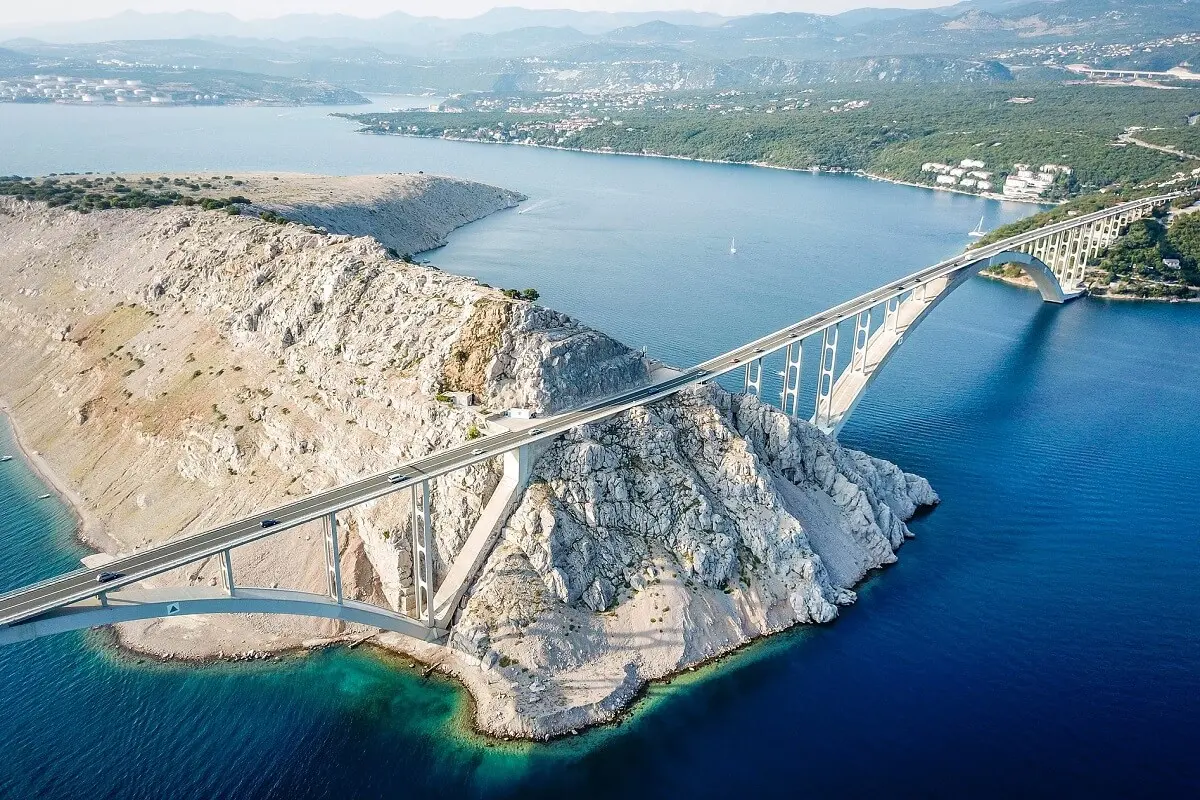
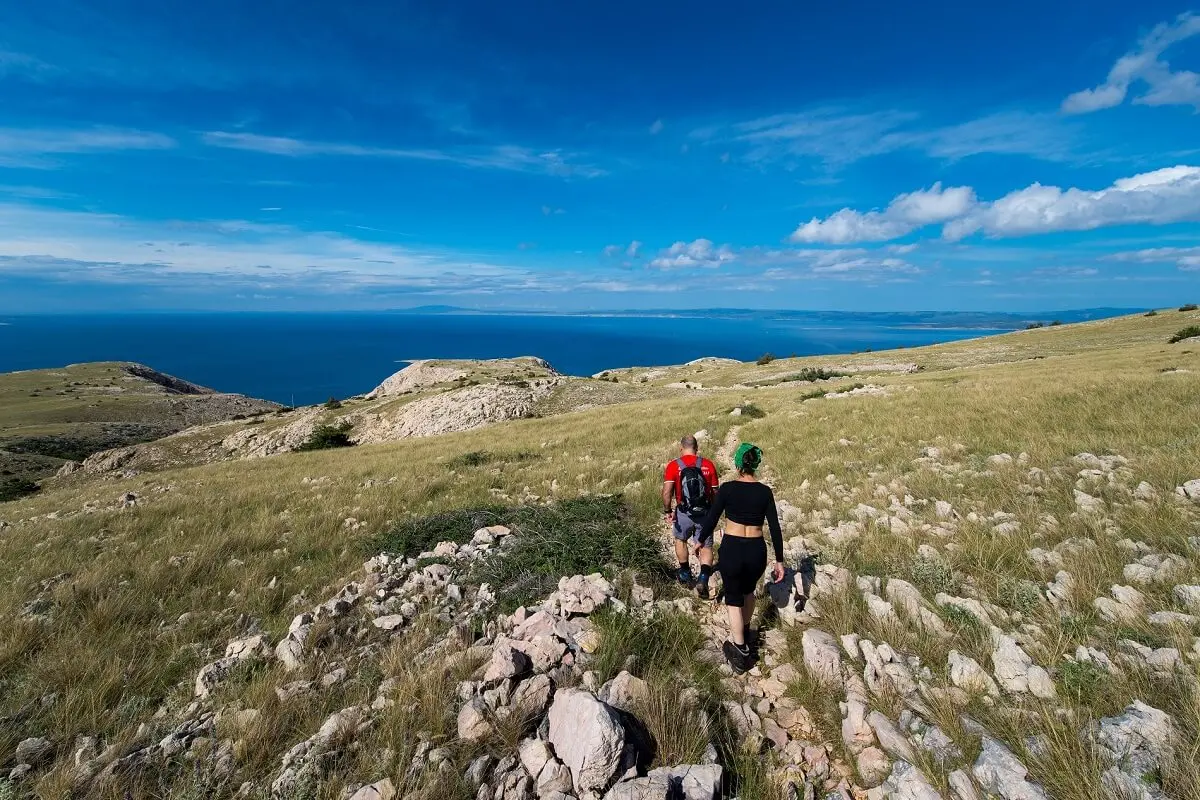
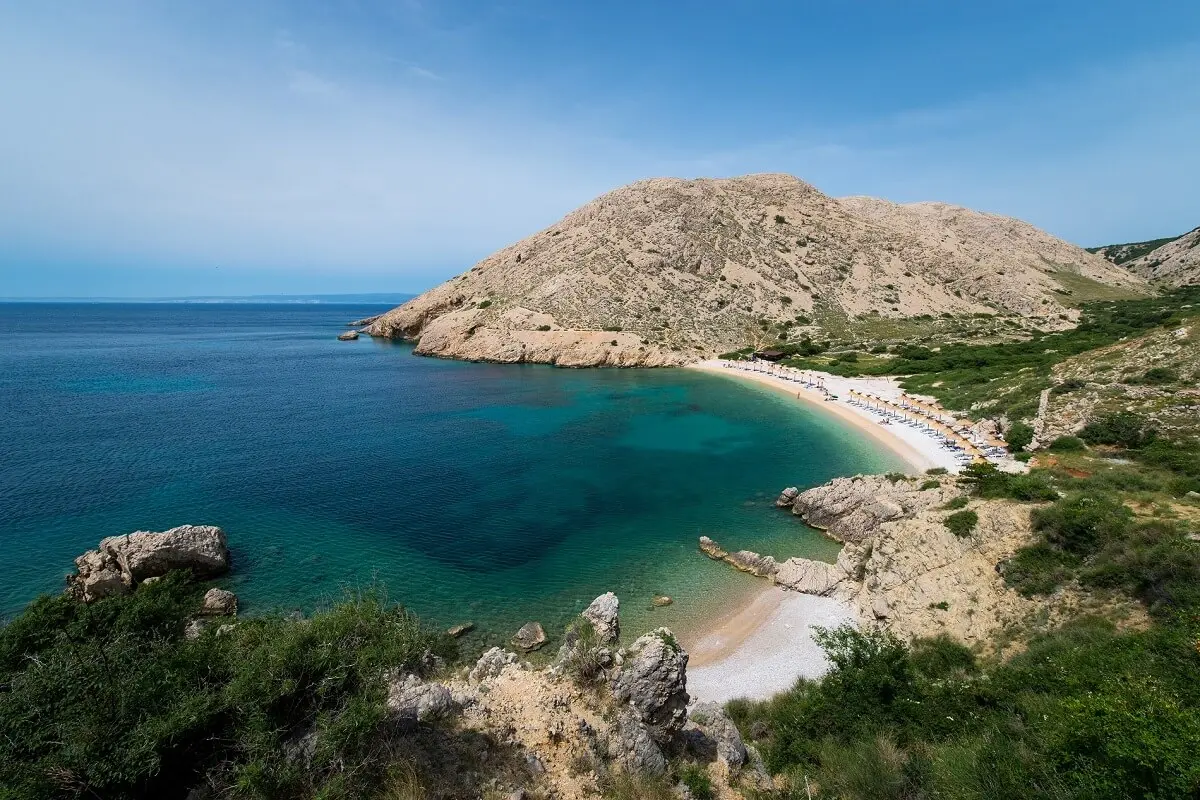
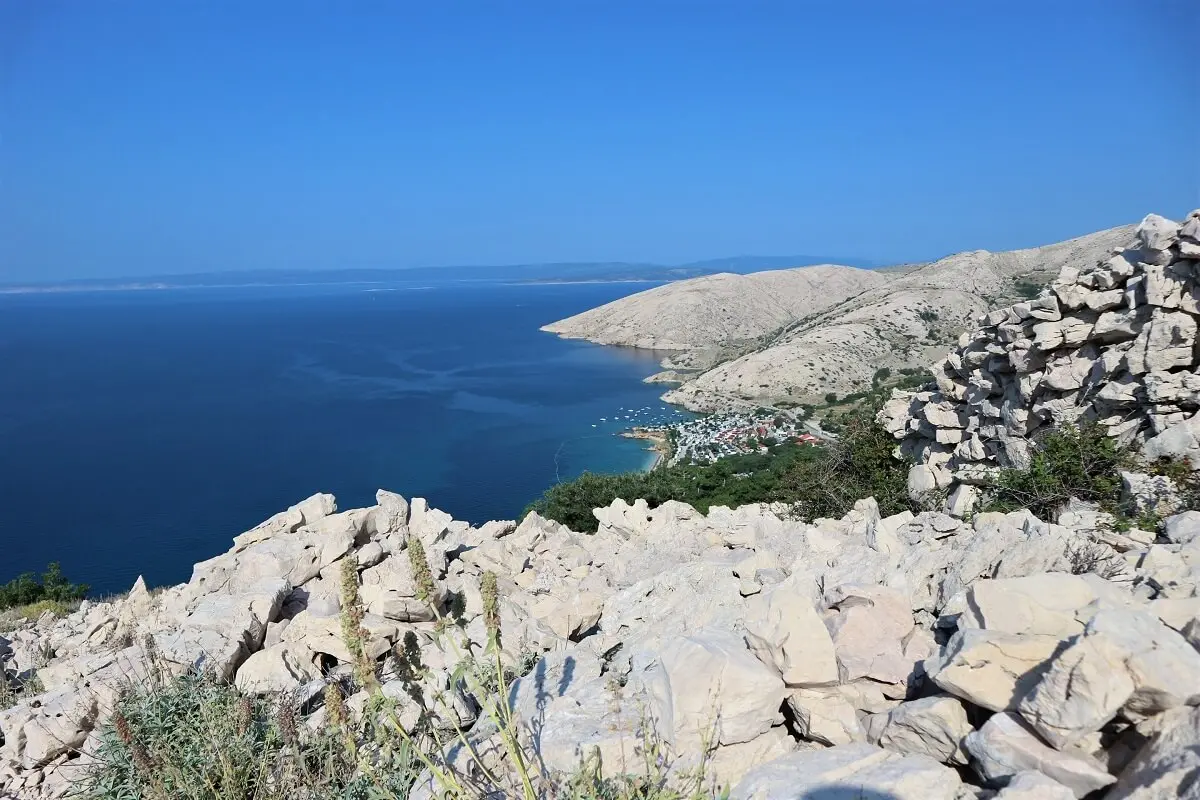
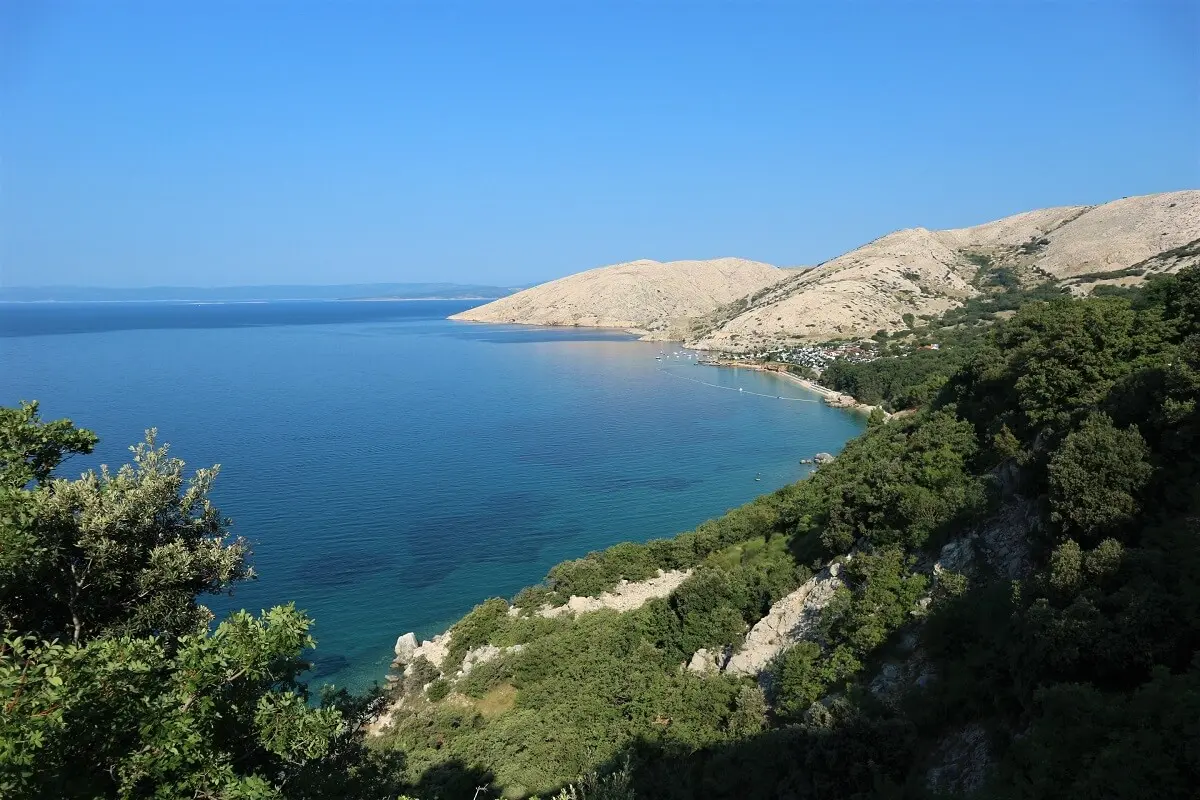
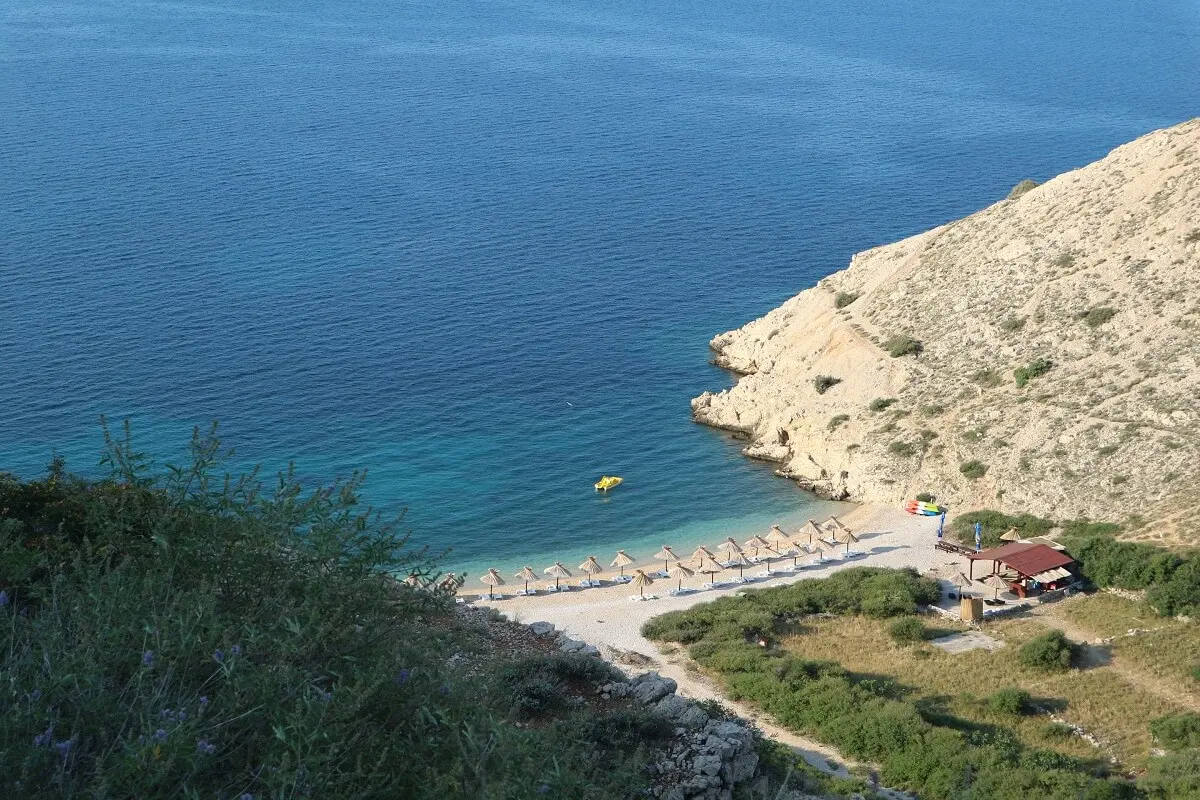
Together with the island of Cres, the island of Krk is the largest Croatian island and the largest island in the Adriatic sea (406 km2). The island of Krk is part of the Kvarner archipelago and it is located in the north Adriatic sea, between Primorje and the peninsula of Istria. Its coast is 219 km long and consists of many ports, coves, bays, and beautiful beaches. For many years, Krk was considered the largest island in Croatia, but in 1993, the Geodetic Institute of Rijeka remeasured its size and found out that the area surfaces of the island of Krk and island of Cres are identical. Because of rich vegetation, mild climate, and many sources of drinking water, Krk was inhabited since ancient times when it was proclaimed as Insula Aurea (golden island). In 2011, the island of Krk had 19,286 inhabitants, and today it is one of the few Croatian islands with a continuous increase in the population that has started after the construction of the Krk bridge (since it is connected to the mainland with the bridge, it can be reached by car). The island of Krk is famous for beautiful beaches of which 15 beaches hold the blue flag - proving the cleanliness of the sea and the coast, as well as the high-quality standard of services. Although there are numerous attractive beaches on Krk, the best beaches are sandy beach Vela Luka near Baška, sandy beach Vela Baška in Baška, Oprna beach in Stara Baška, pebble Potovošće beach near Vrbnik, and sandy Saint Marak beach near Vrbnik. The highest mountain peak of Krk is Obzovi peak (570 m). The main cultural landmark is the Baška tablet (“Bašćanska ploča”) that was found in the church of Saint Lucia in Juradvor. Baška plaque is one of the oldest Croatian monuments (written around 1100 AD) that was written in the Glagolitic script and today it is kept in Croatian Academy of Sciences and Arts while its copy is presented in the church of Saint Lucia on Krk. Other significant monuments are the cathedral in the town of Krk (cathedral of the assumption of the blessed Virgin Mary) and the Krk bridge constructed in 1980. The island is also famous for an indigenous sort of white wine - Vrbnička žlahtina. Visit Krk, a dream island and perfect destination for a family vacation. Find ideal private accommodation on Krk in an apartment, room, or holiday home for rent.

Destinations
13

Accommodation objects
139

Island of Krk

Island of Lošinj

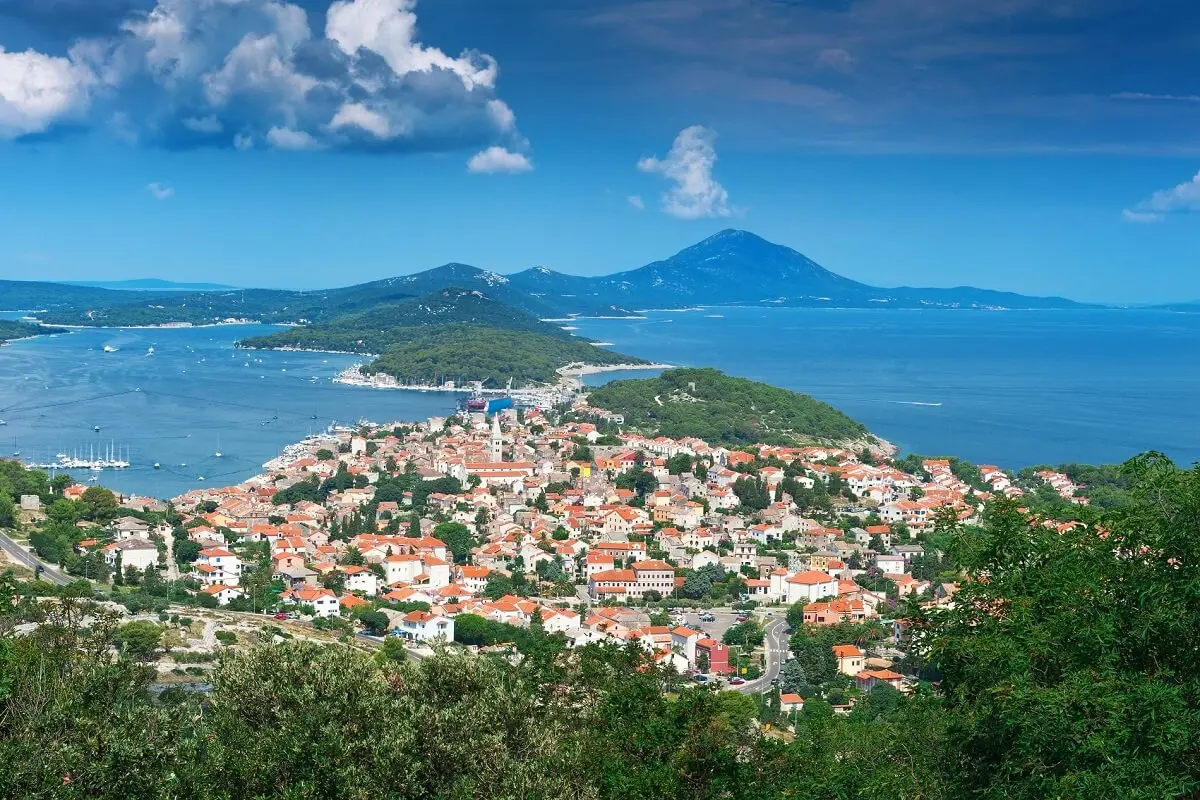
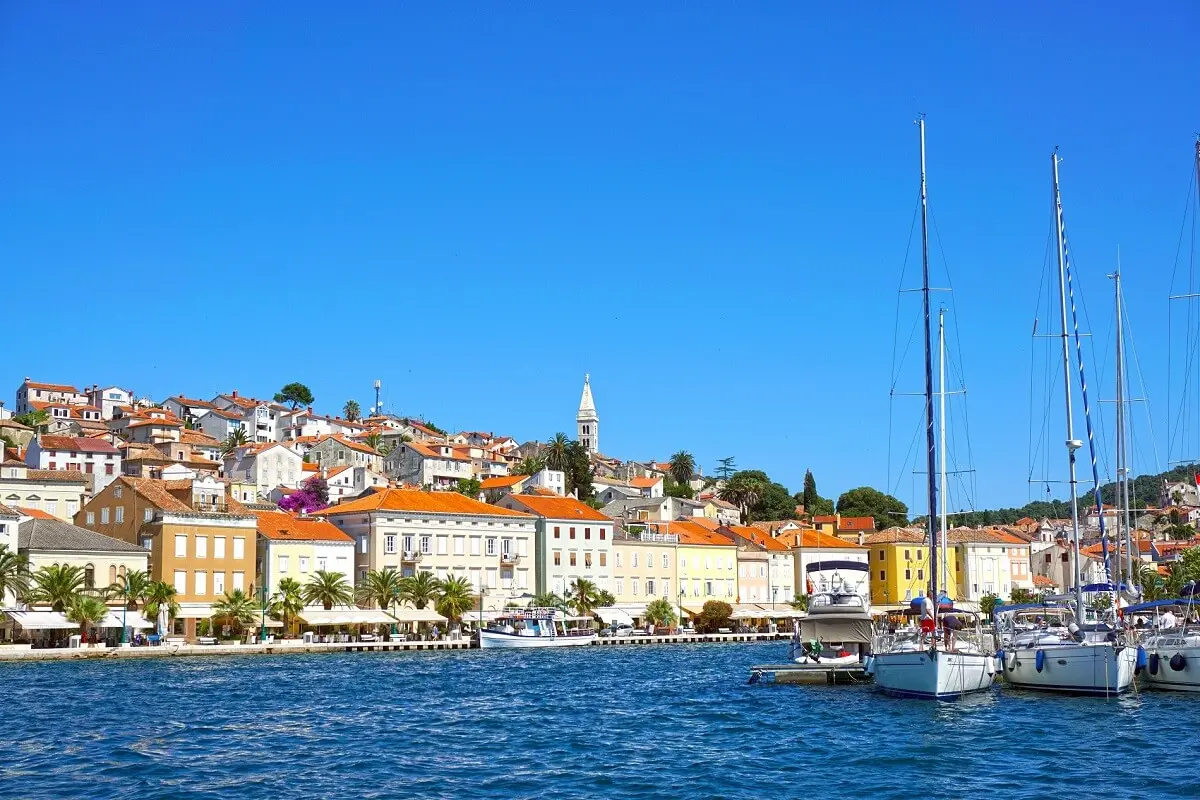
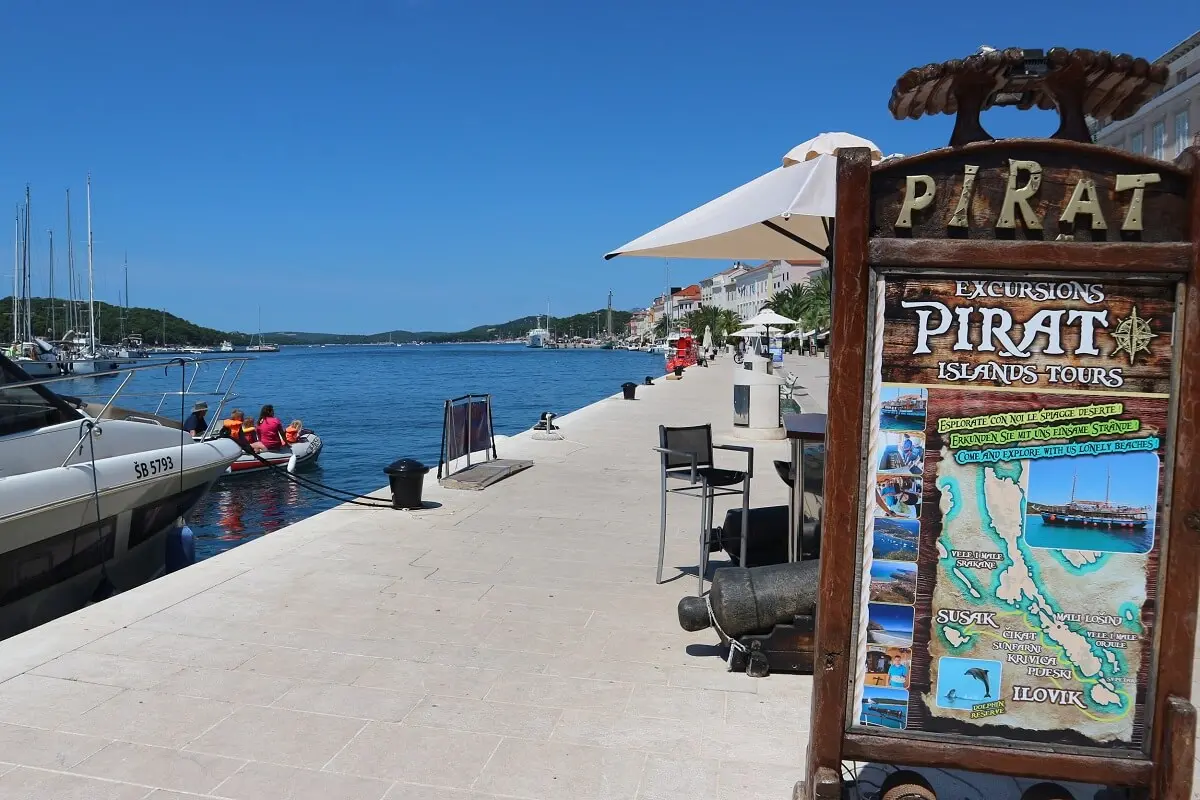
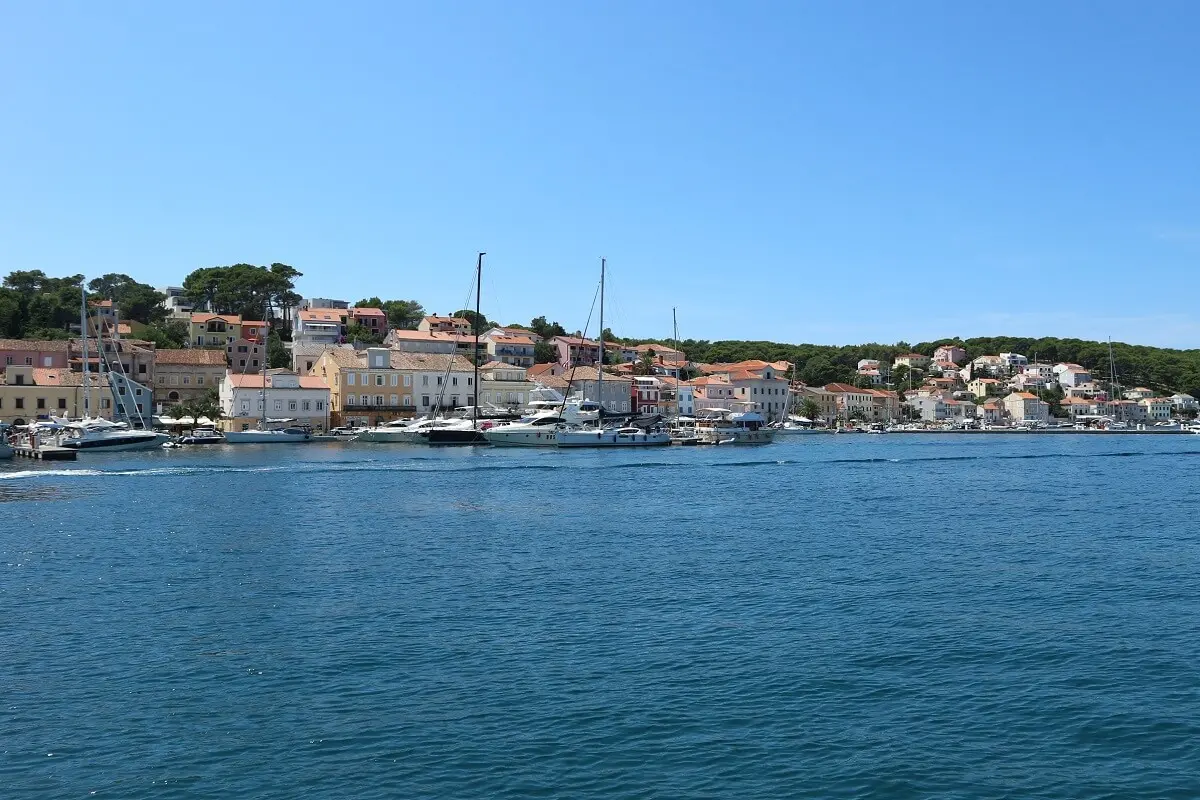
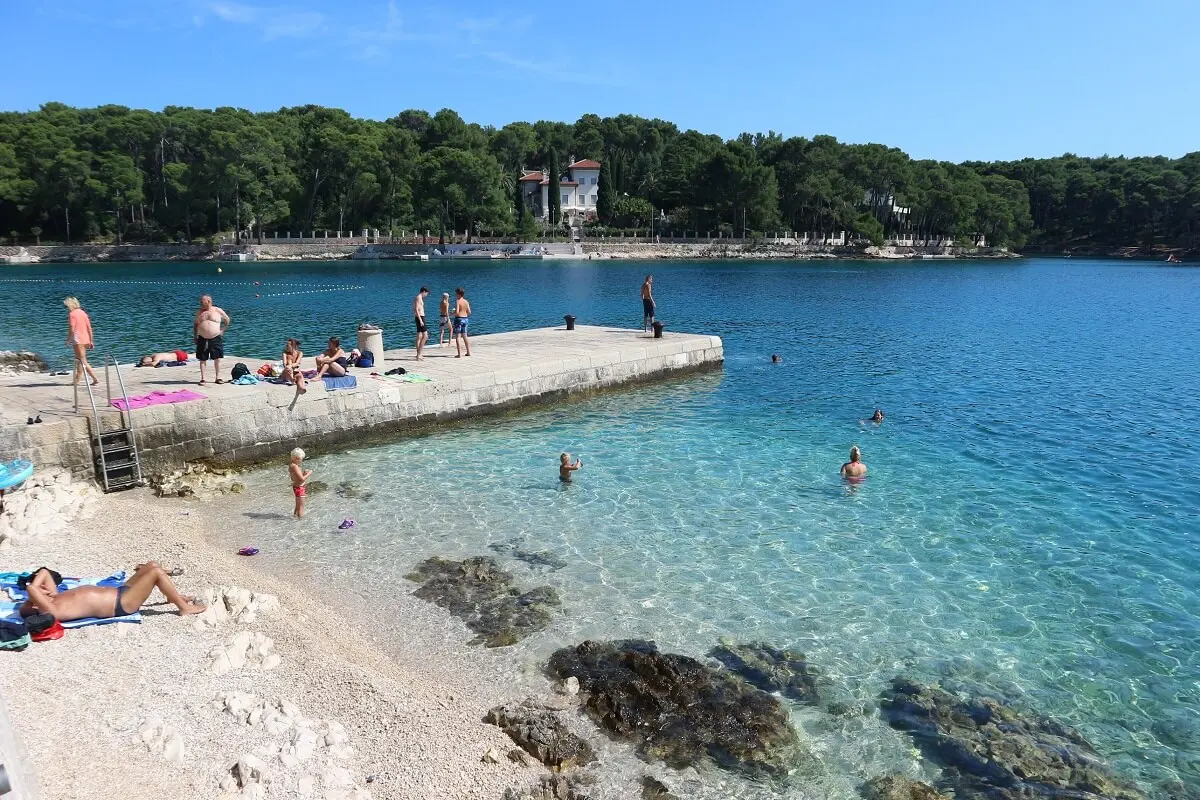
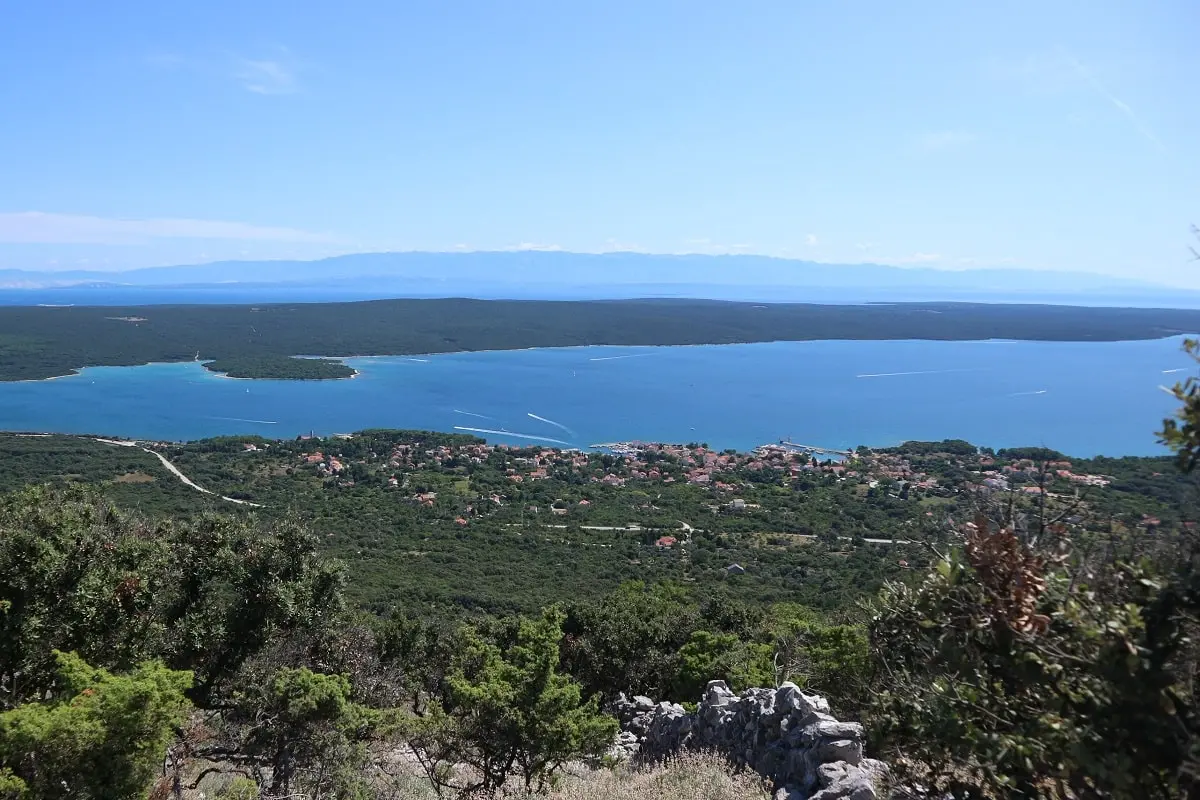
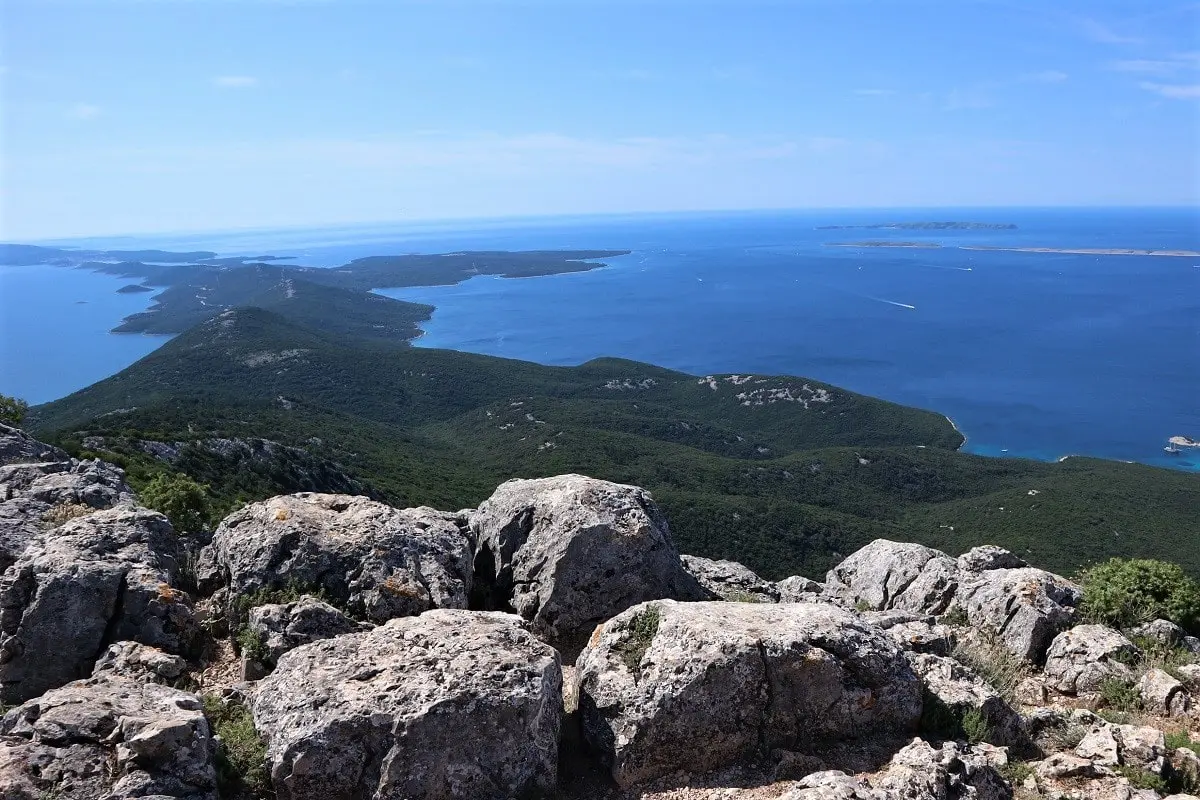
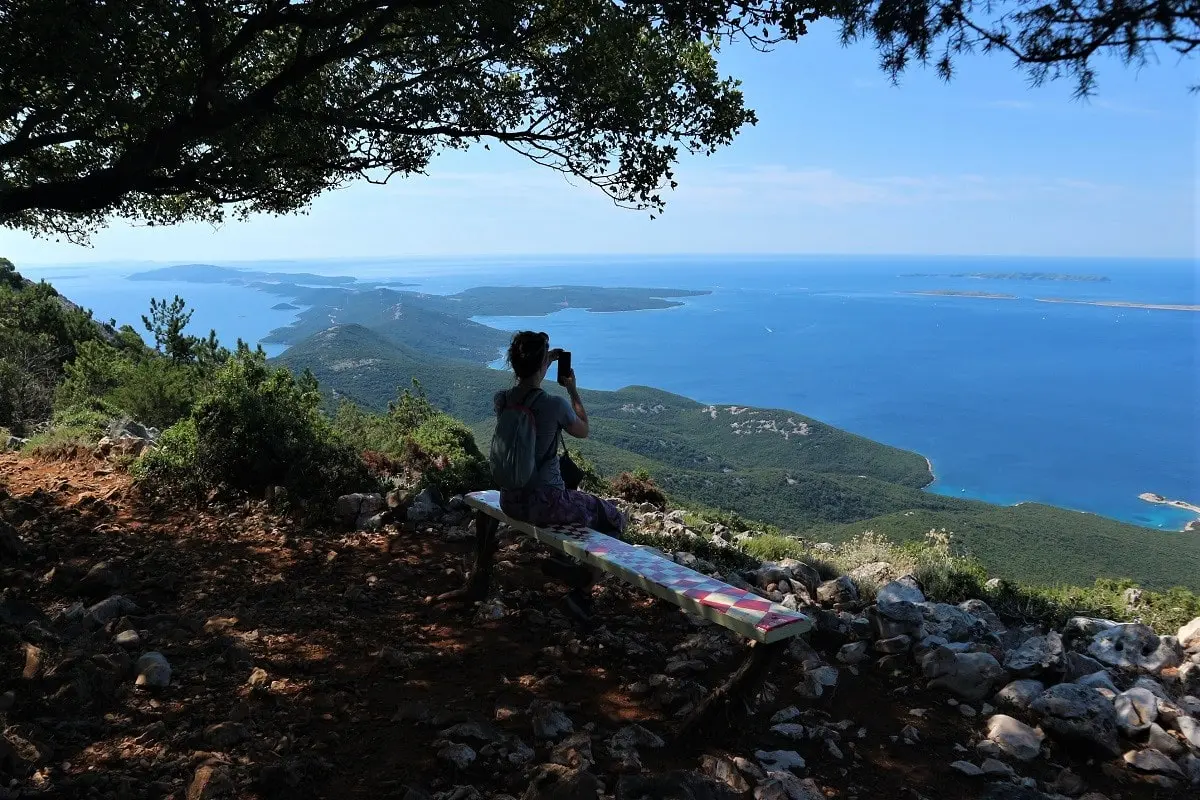
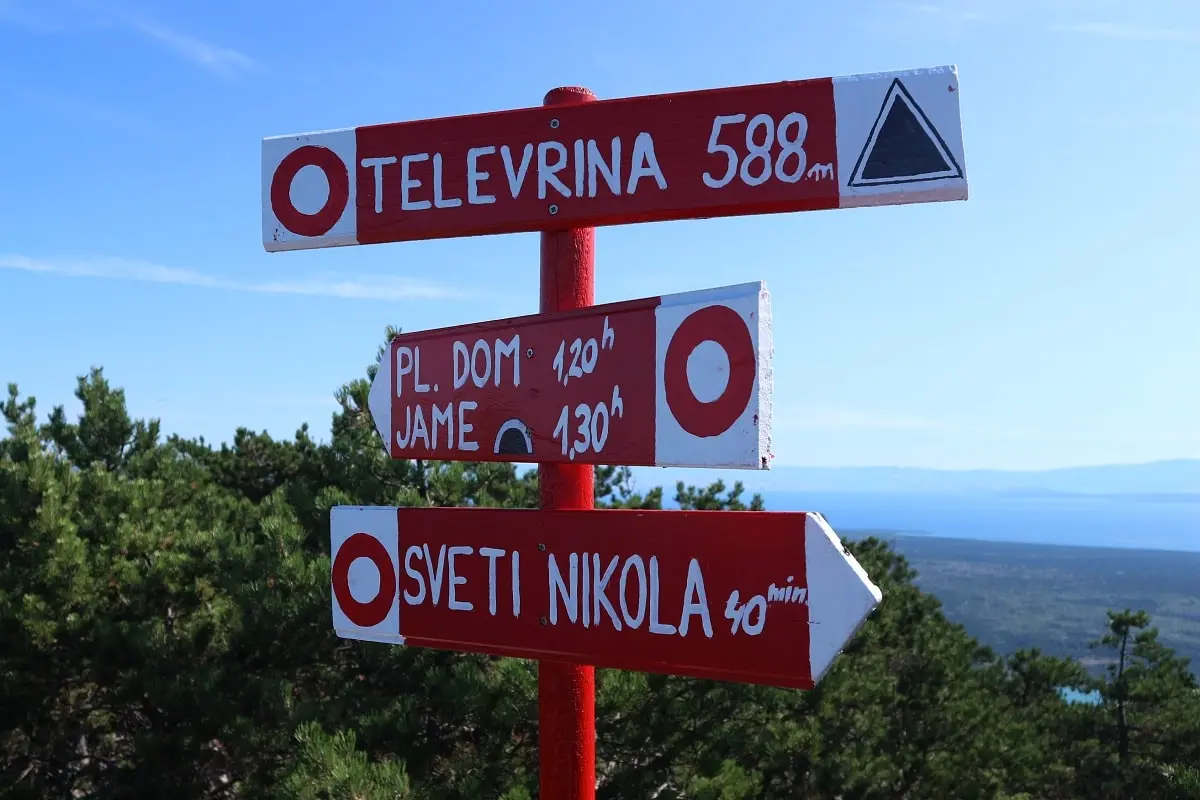
The island of Lošinj is located in the north part of the Adriatic sea and is a part of the Kvarner archipelago. It is a 31 km long island, artificially divided into two parts by a channel was constructed (near Privlaka). This was not the first time when the island was artificially cut into two parts. In the past, before the Romans, the island of Lošinj and the island of Cres were one island and Romans constructed a channel to speed up the transport. Nowadays a bridge connects islands Lošinj and Cres next to the small town of Osor. The island of Lošinj does not have many inhabitants - slightly above 8,100. The cultural, financial, and administrative center of the island is the city of Mali Lošinj. It is also a very popular tourist destination for medical tourism because of the positive impacts of its climate on health and dense vegetation which is ideal for outdoor aromatherapy. The highest mountain of Lošinj is Televrina on the mountain of Osošćica (588 m). Top beaches on Lošinj are sandy beach Čikat, pebble beach Borik and pebble beach Veli žal in Sunčana cove (Sunčana uvala), Kredo beach in Srebrna cove (Srebrna uvala), Parknu beach, sandy beach Meli, Zabodarski beach, and cove Engleza on Koludrac. Apart from attractive beaches, Lošinj has many hiking trails and bike paths, attractive coves, and lookouts (Saint Gavdent and Providenca). You can also go on daily trips to the sunny island of Illovik and the sandy island of Susak. The main cultural attraction of the island is the museum of Apoxyomenos in Mali Lošinj, which should be visited by anyone who comes to Lošinj. Apoxyomenos is a bronze statue of an athlete from the 1st century BC that has been found in the sea near Lošinj. Lošinj and Cres are connected with the bridge which improves the connectivity with the mainland. Cres has a well-connected network of ferry lines from Krk (Valbiska - Merag on Cres), Istria (Brestova - Porozina on Cres), while Lošinj has a frequent ferry and catamaran lines from Zadar (Zadar - Mali Lošinj) and Rijeka (Rijeka - Mali Lošinj). The island has an international airport for smaller airplanes. For staying on the island of Lošinj, we recommend finding private accommodation in one of many apartments, rooms, or holiday homes.

Destinations
3

Accommodation objects
45

Island of Lošinj

Island of Čiovo

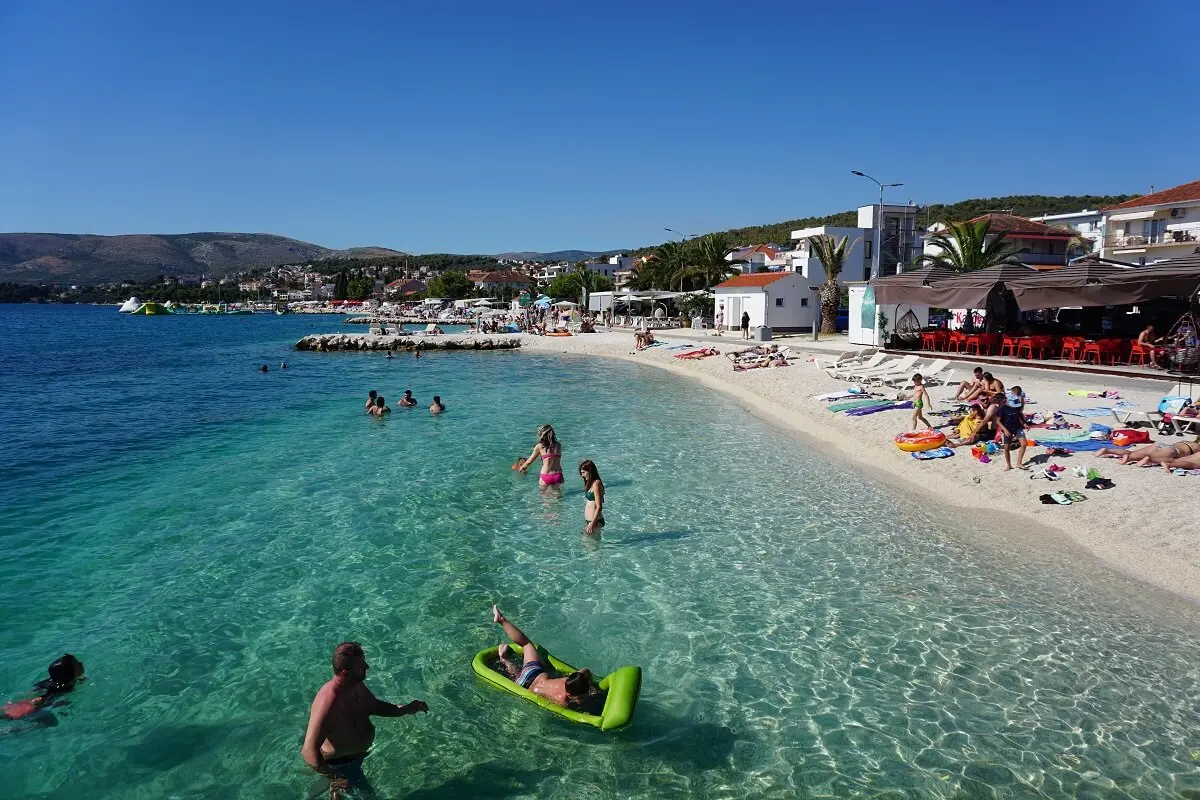
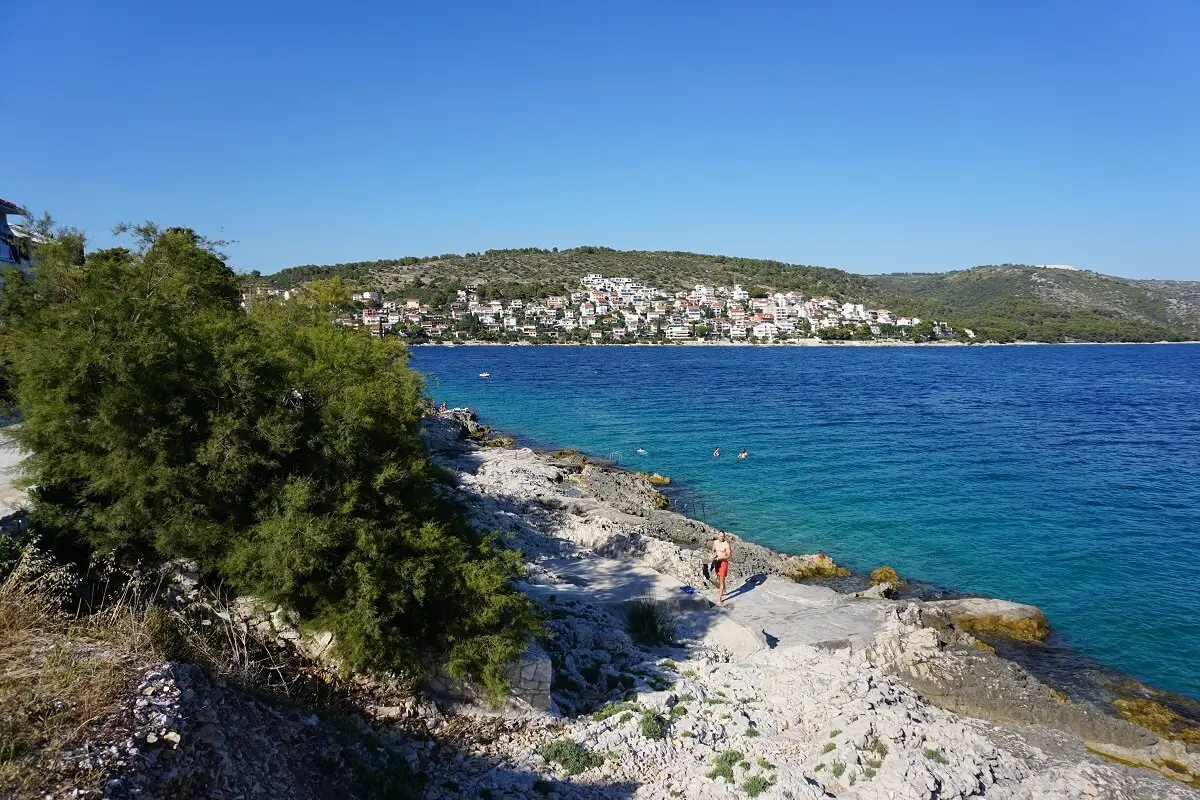
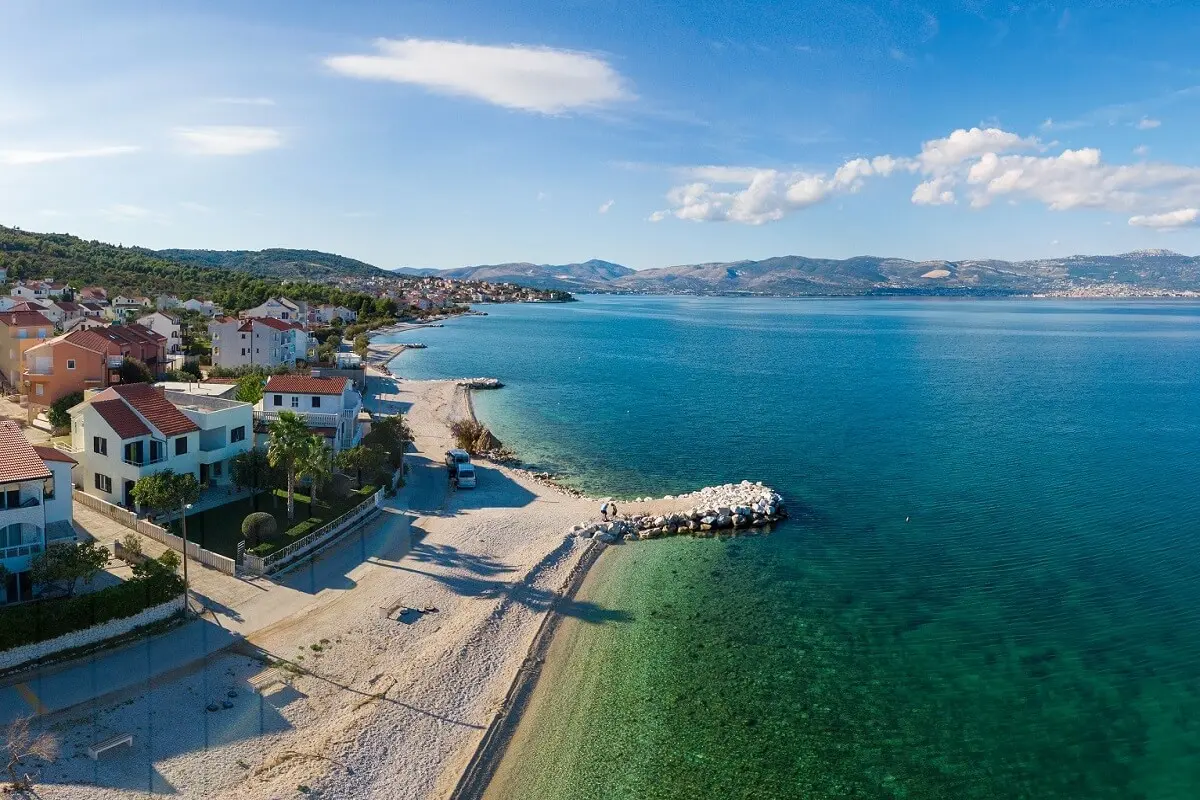
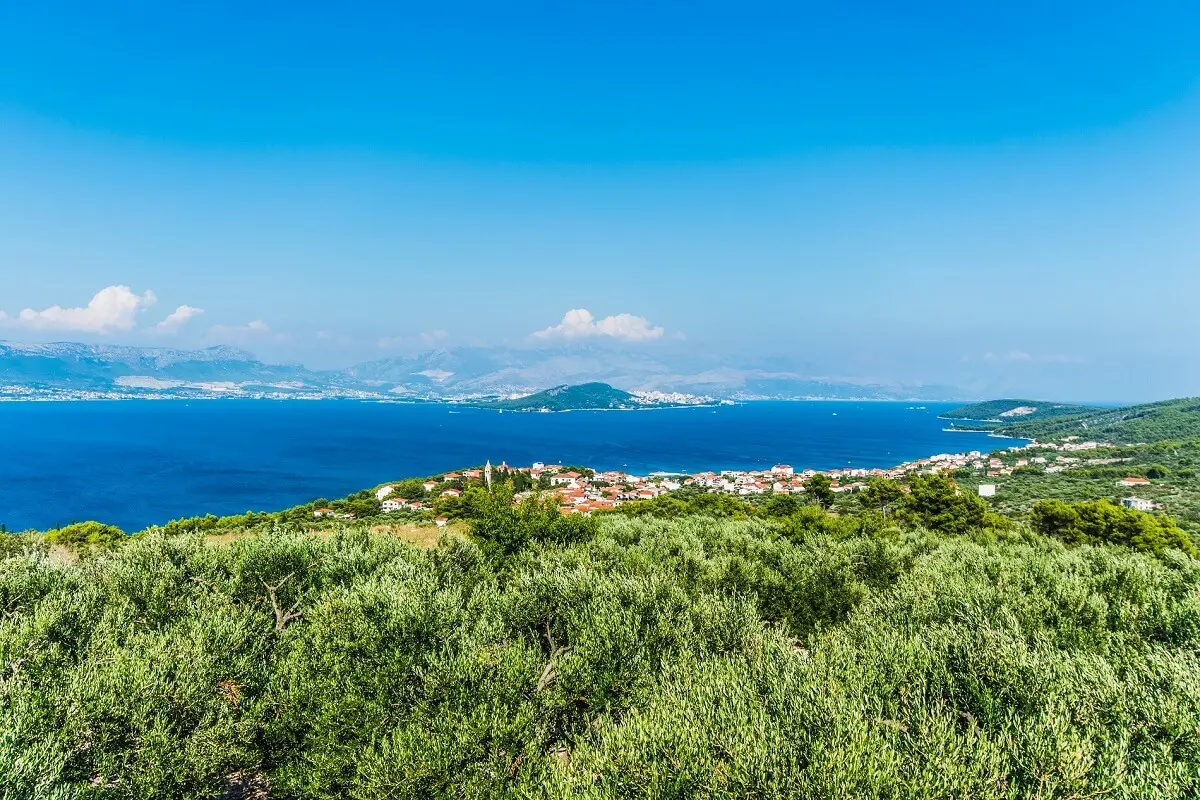
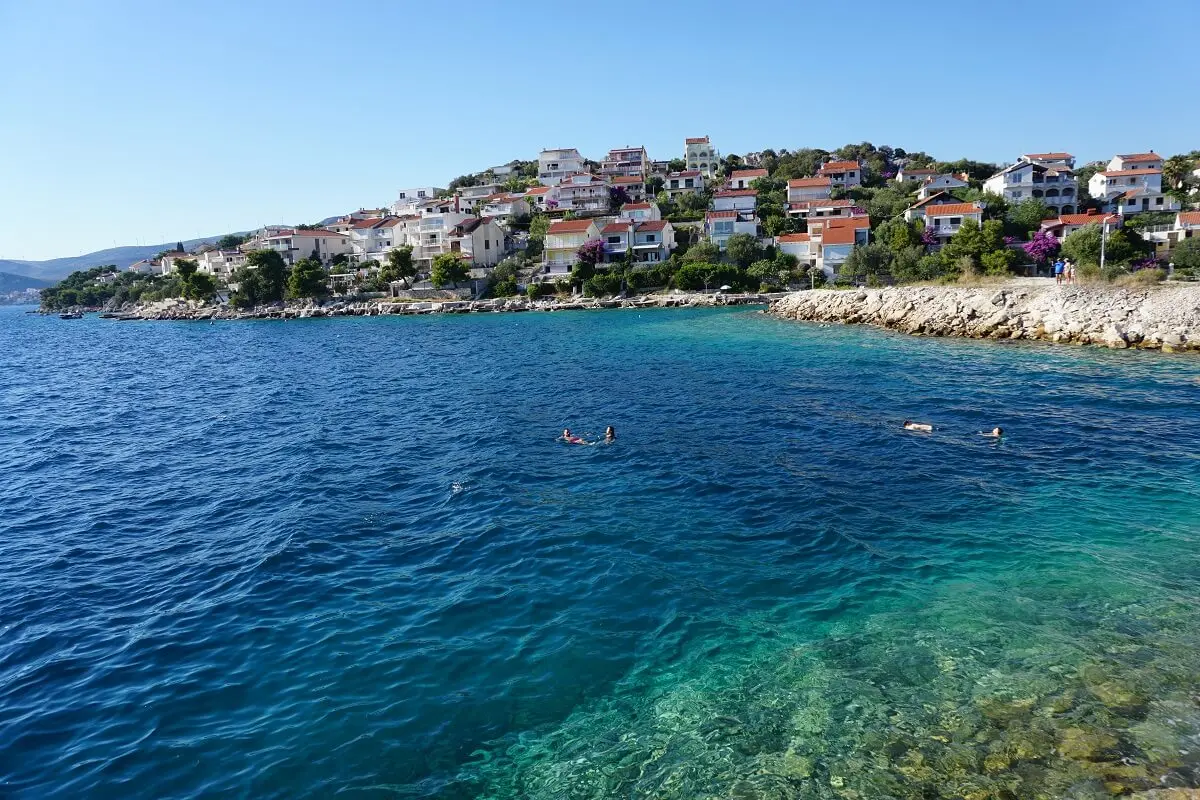
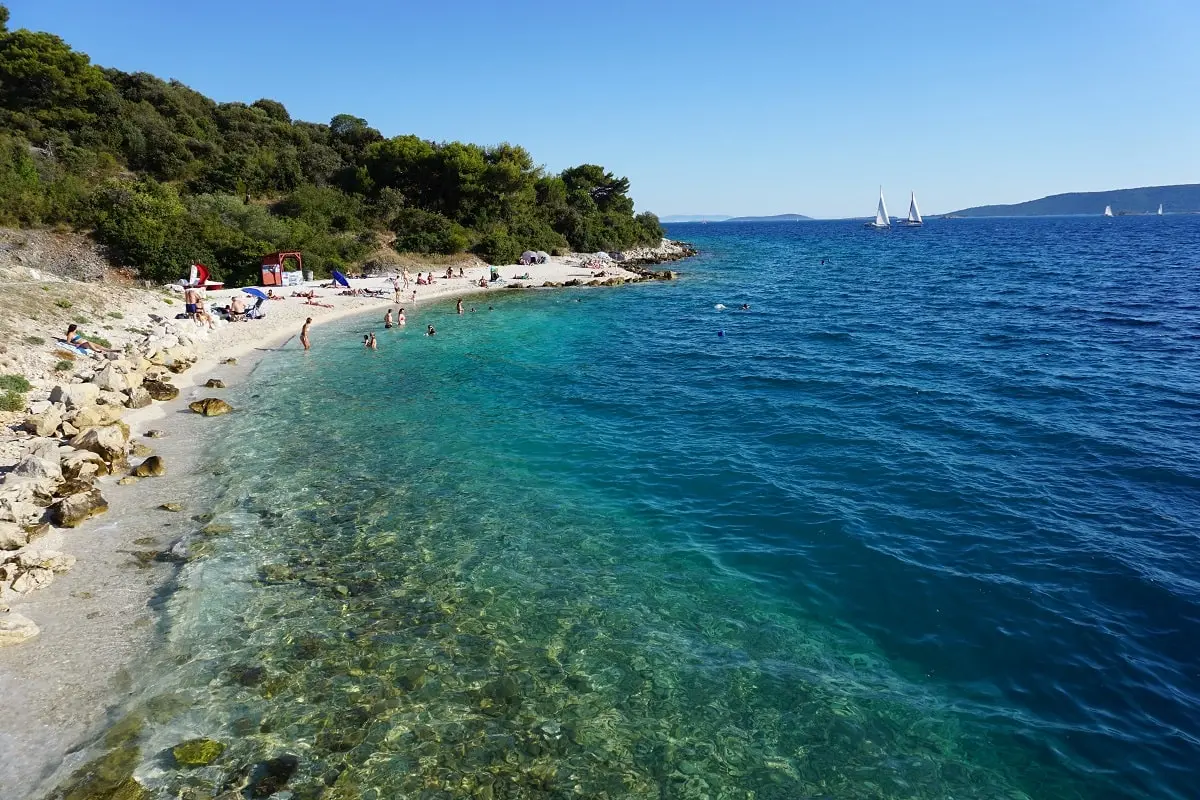
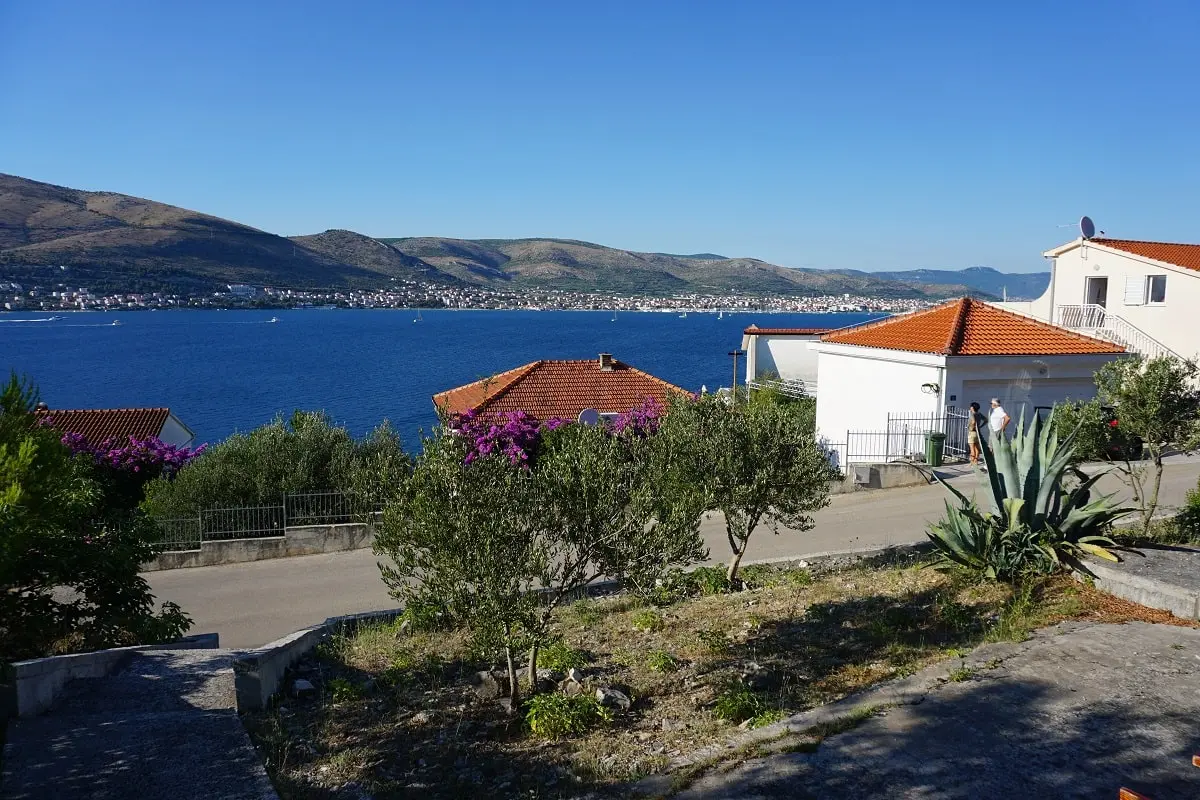
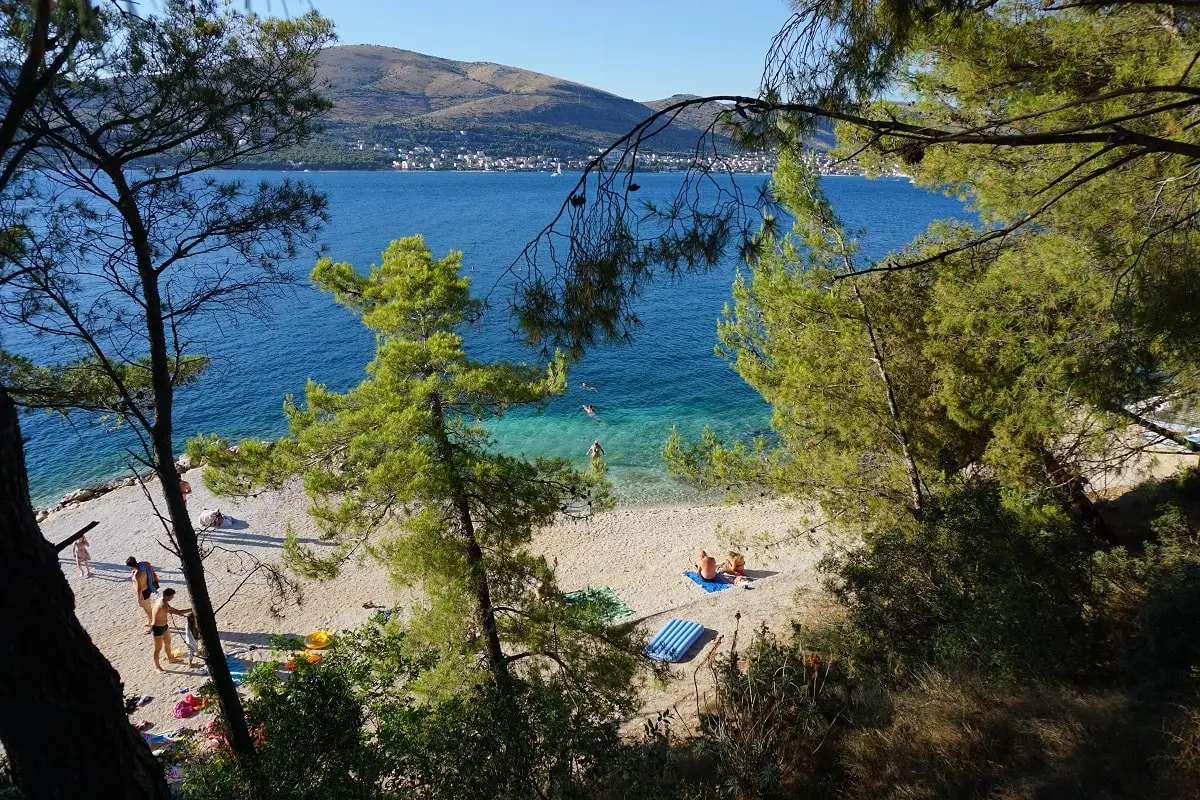
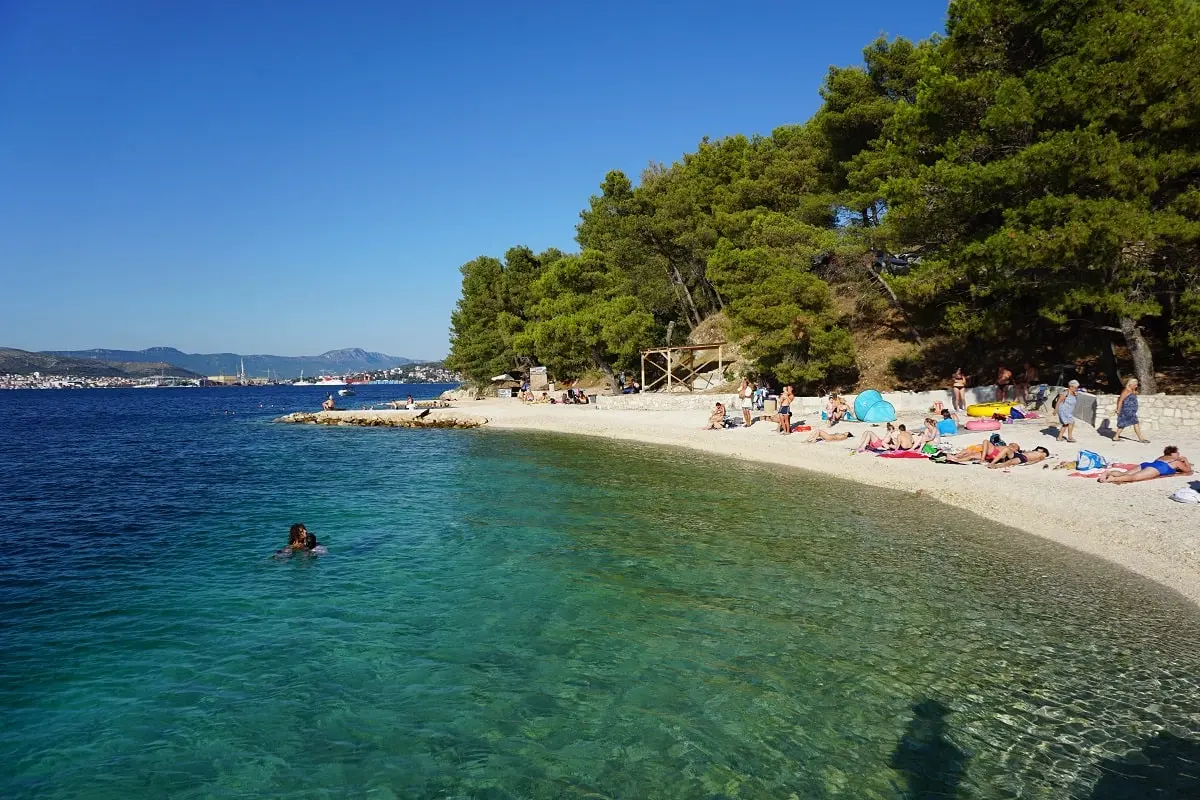
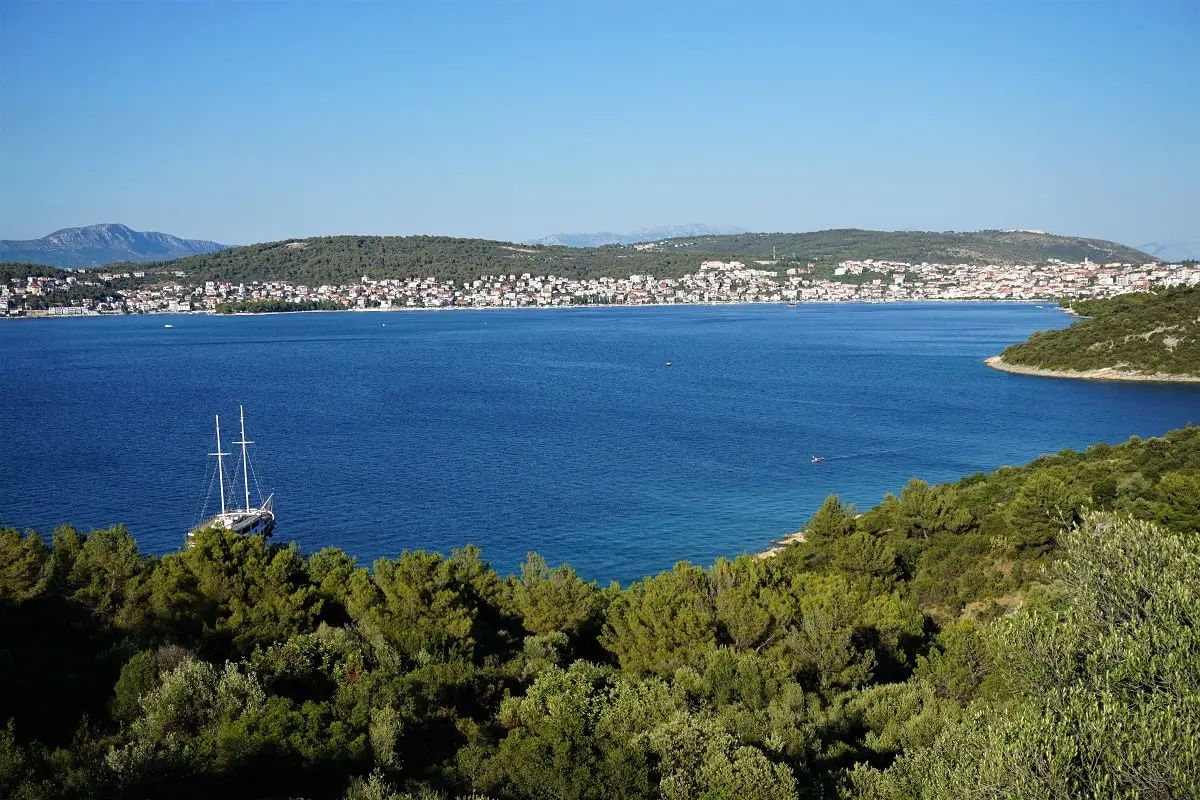
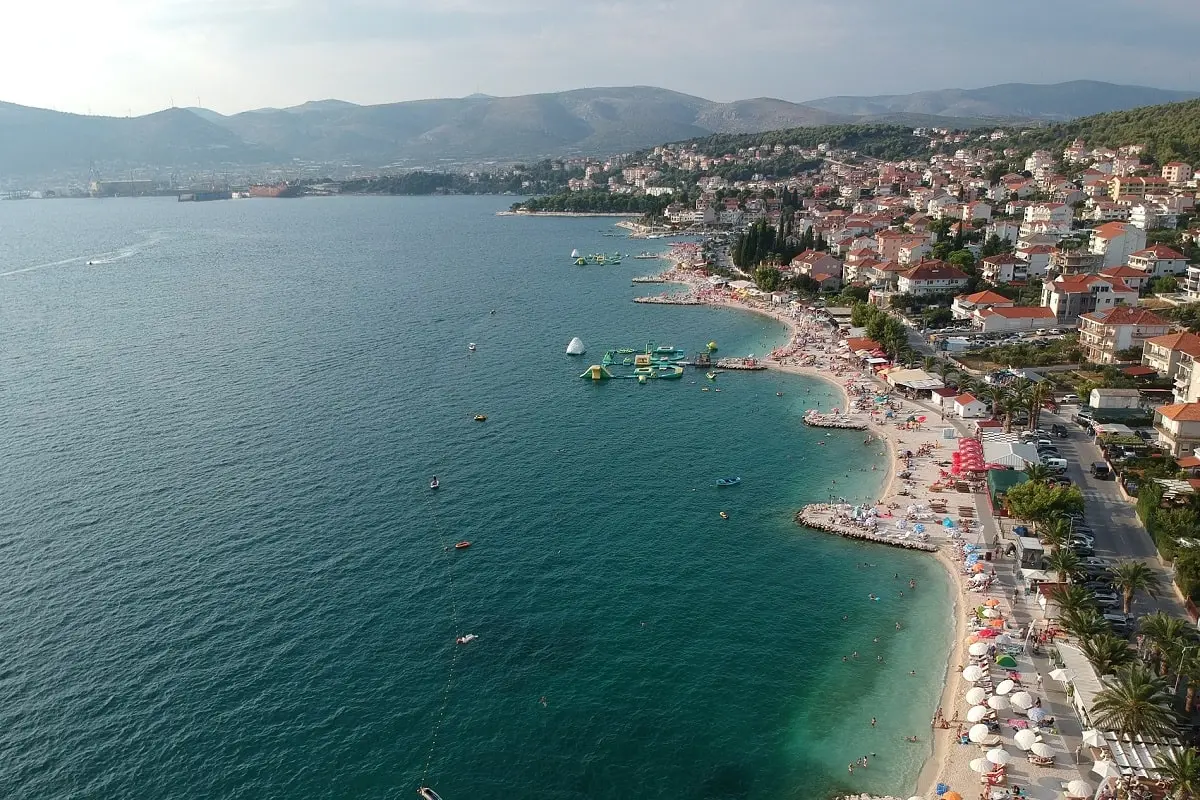
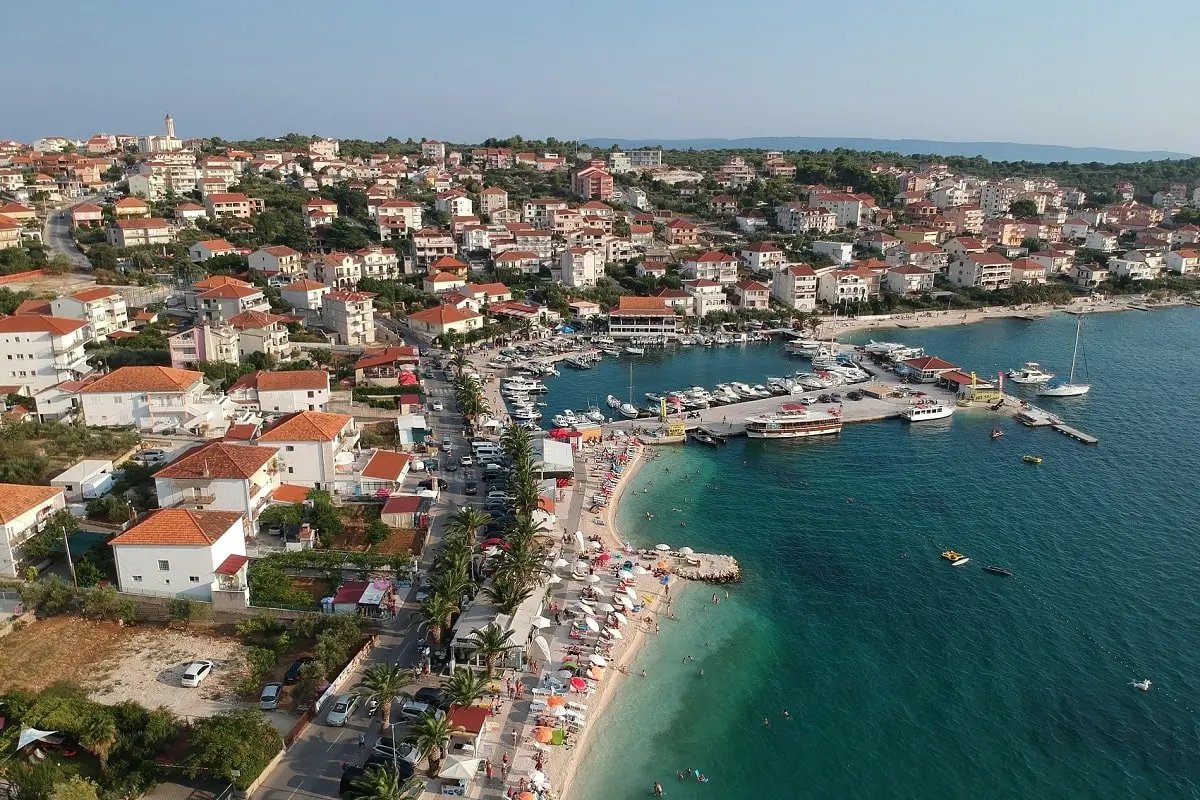
Čiovo is an island in central Dalmatia connected to the mainland with two bridges. There are many advantages of this island - from beautiful nature, attractive beaches, bays to accessibility and vicinity to the city of Split and Trogir (Split airport). This hilly island has a surface of almost 30 km2 and it is located near the Kaštela bay. The highest point of the island is 209 meters high Rudine. The island of Čiovo has been inhabited since ancient times and today it has more than 6,000 inhabitants. The most important towns on the island are Okrug Gornji, Okrug Donji, Slatine, Mastrinka, Arbanija, and Žedno. The most popular beaches on Čiovo are Okrug beach also known as Copacabana beach, Labadusa beach, and attractive pebble Slatine beach. The main cultural attractions of Čiovo are the church of Lady of Prizidnica from the 14th century located on the southeast side of the island, the church of St. Theodore from the 15th century, and the church of St. Charles Borromeo from the 18th century. As the island of Čiovo is connected with the mainland with two bridges (in Trogir), it is a very accessible island that offers many opportunities for interesting holidays. The older bridge is located in the center of Trogir, and the newly constructed bridge (opened in 2018) is located outside of Trogir. Except for the beautiful beaches, it is surrounded by many historical and cultural sights worth visiting including the UNESCO World Heritage site the historic city of Trogir, historic complex with the Diocletian palace in Split (also under UNESCO World Heritage), and Klis fortress. We recommend cycling tours on Čiovo and daily boat trips to the islands of Šolta and Drvenik Veliki, where is located magical Blue Lagoon. Accommodation on the island is mainly offered in private accommodation (apartments, rooms, holiday homes...).

Destinations
5

Accommodation objects
82

Island of Čiovo

Island of Korčula

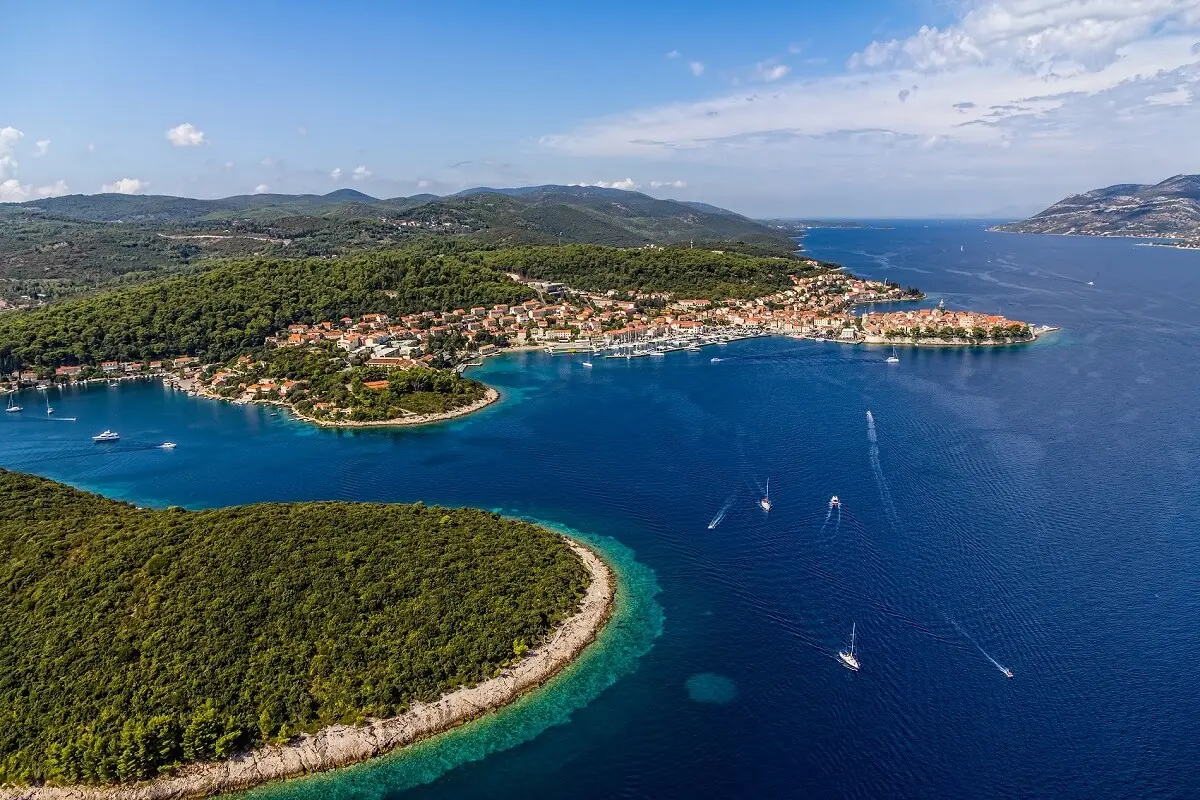
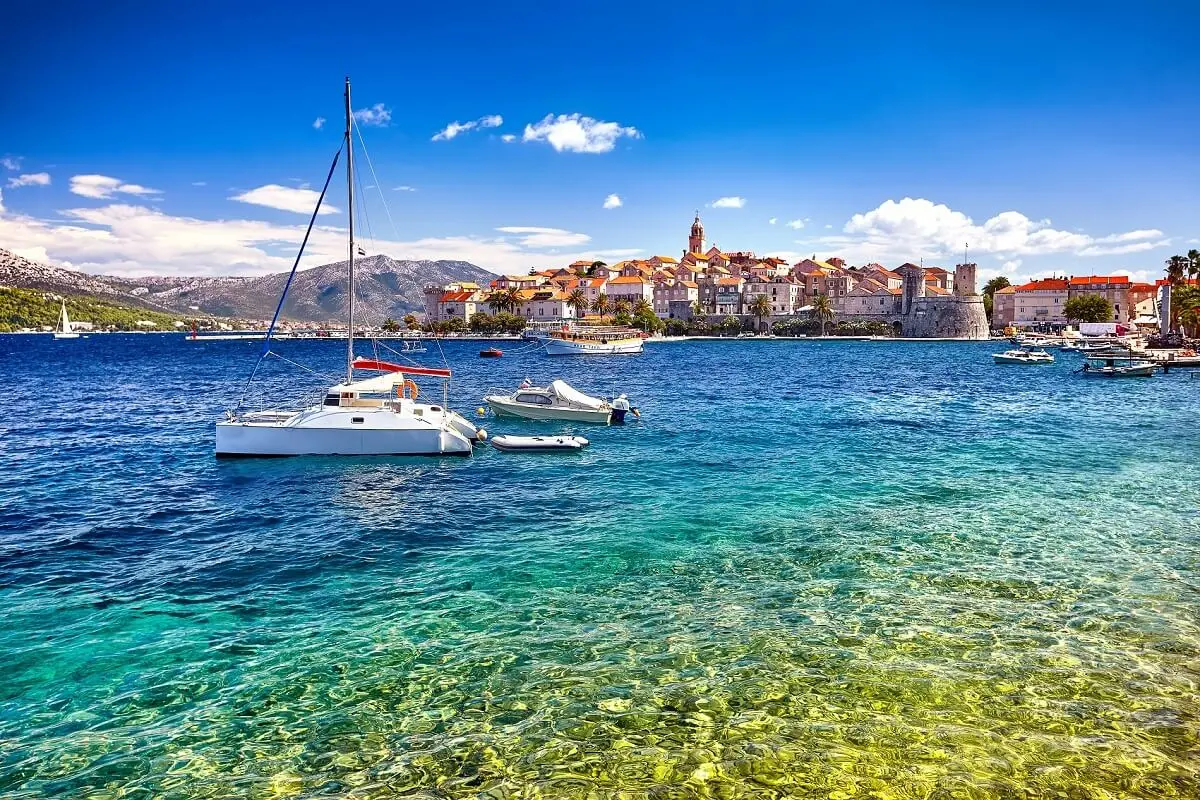
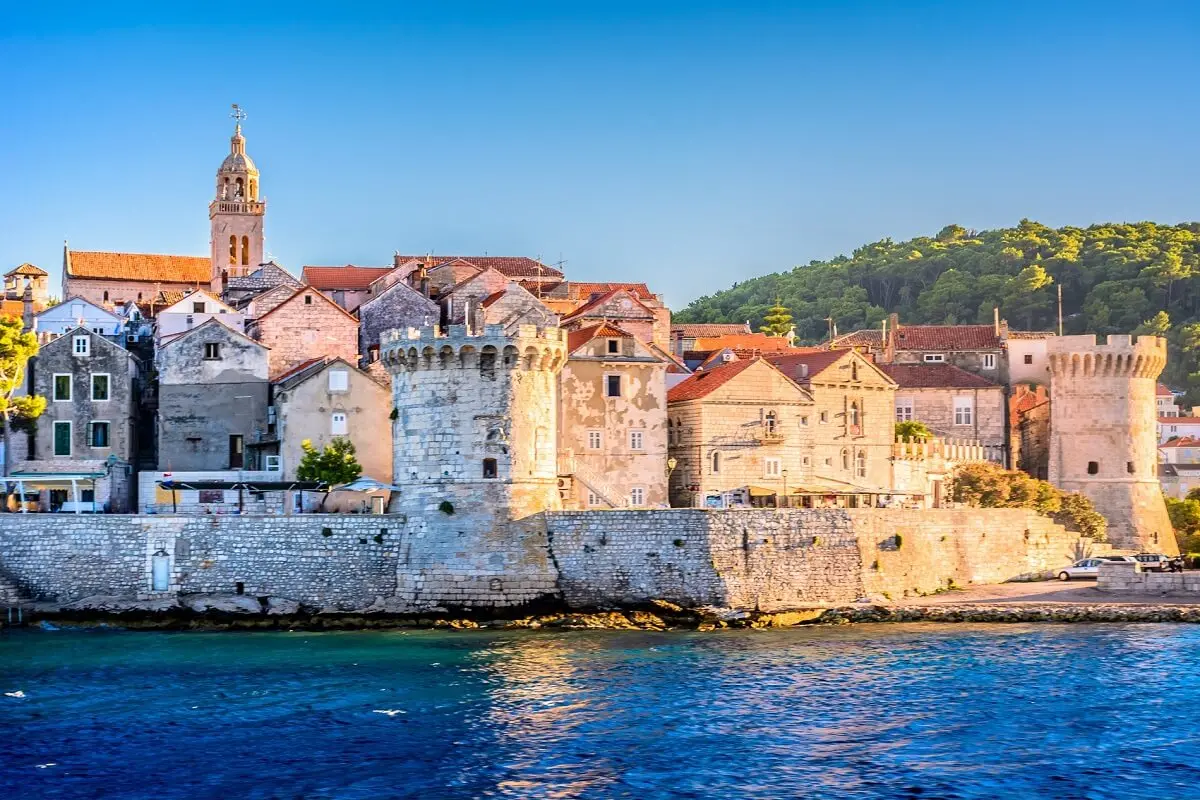
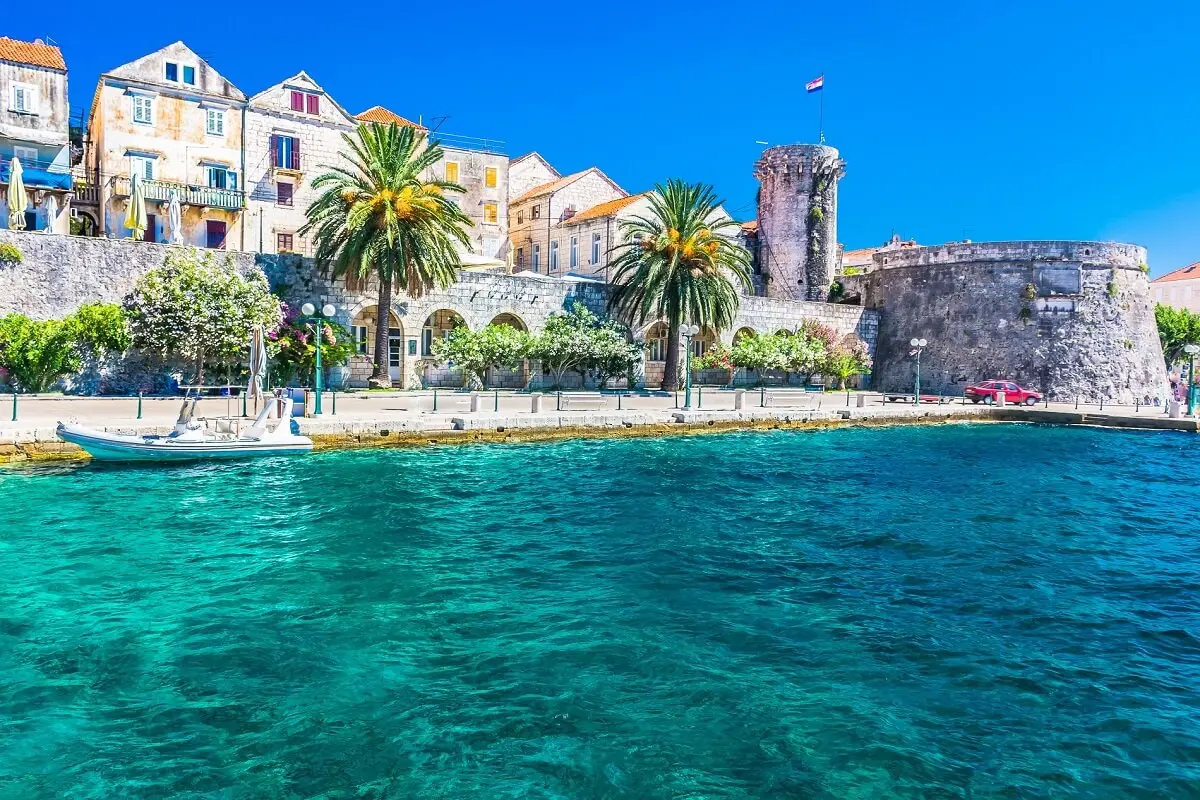
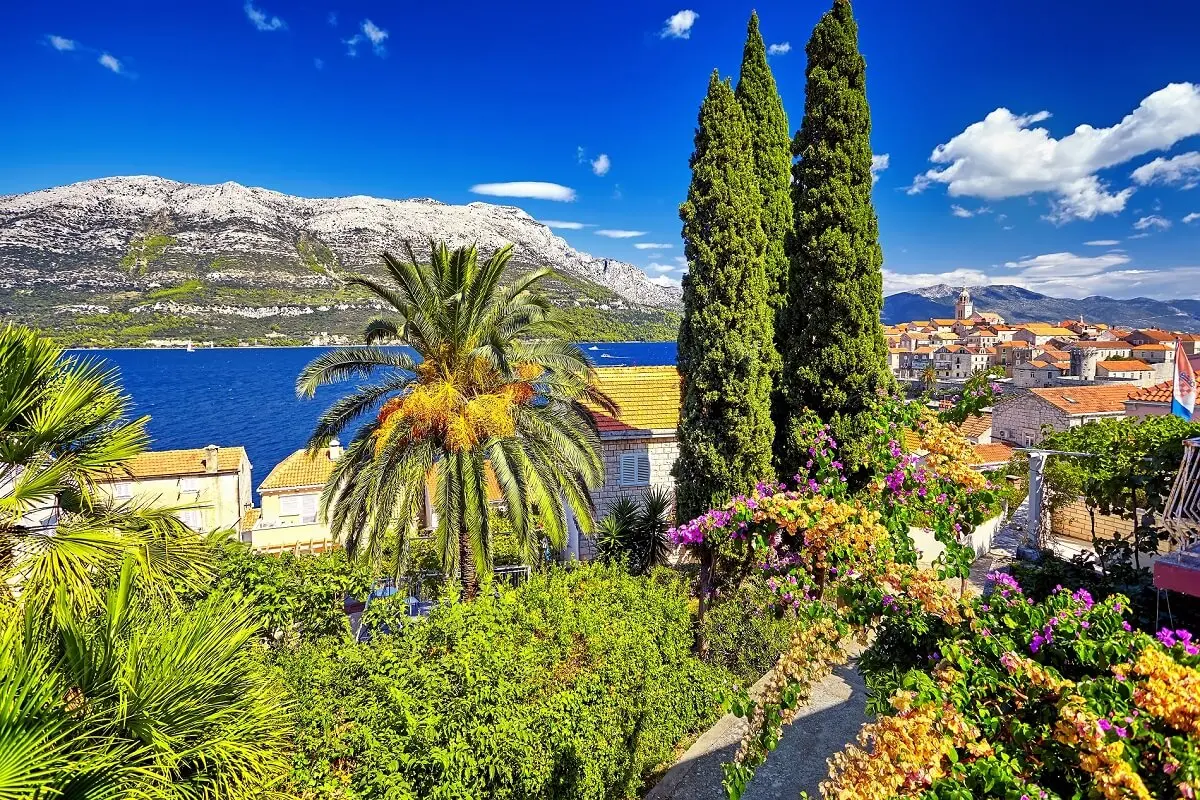
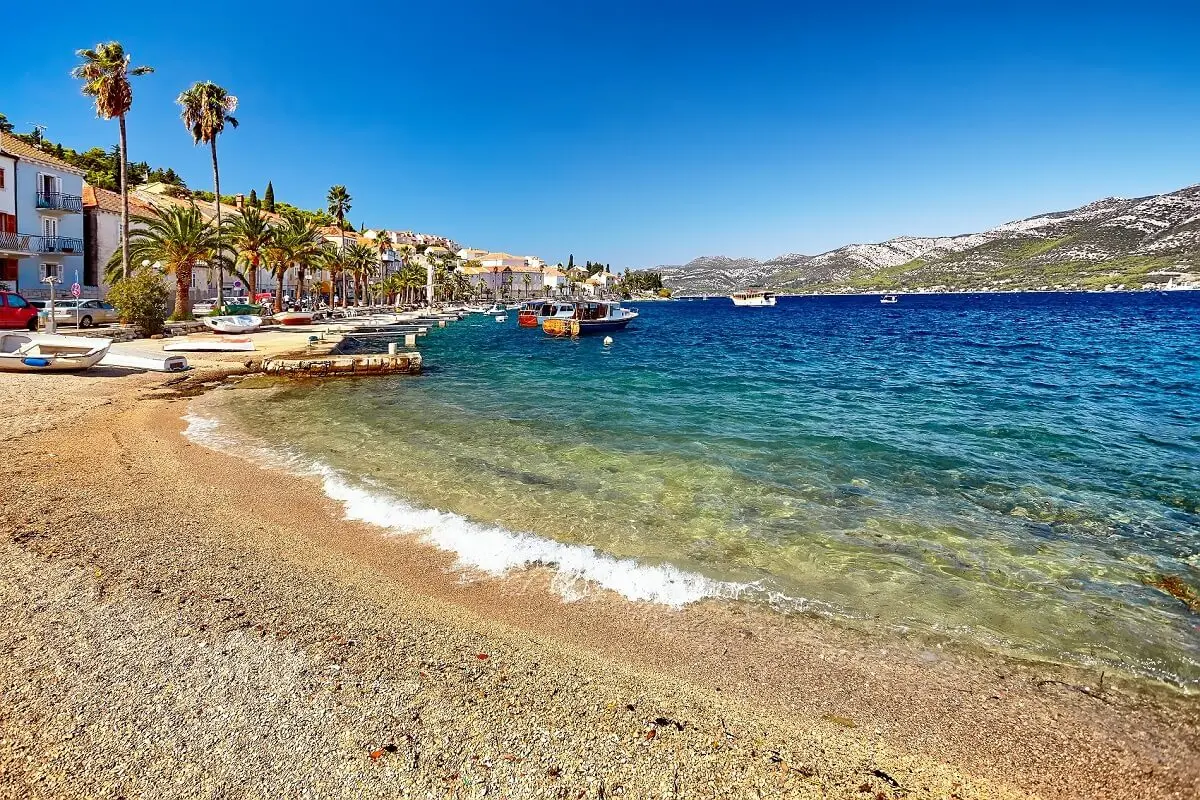
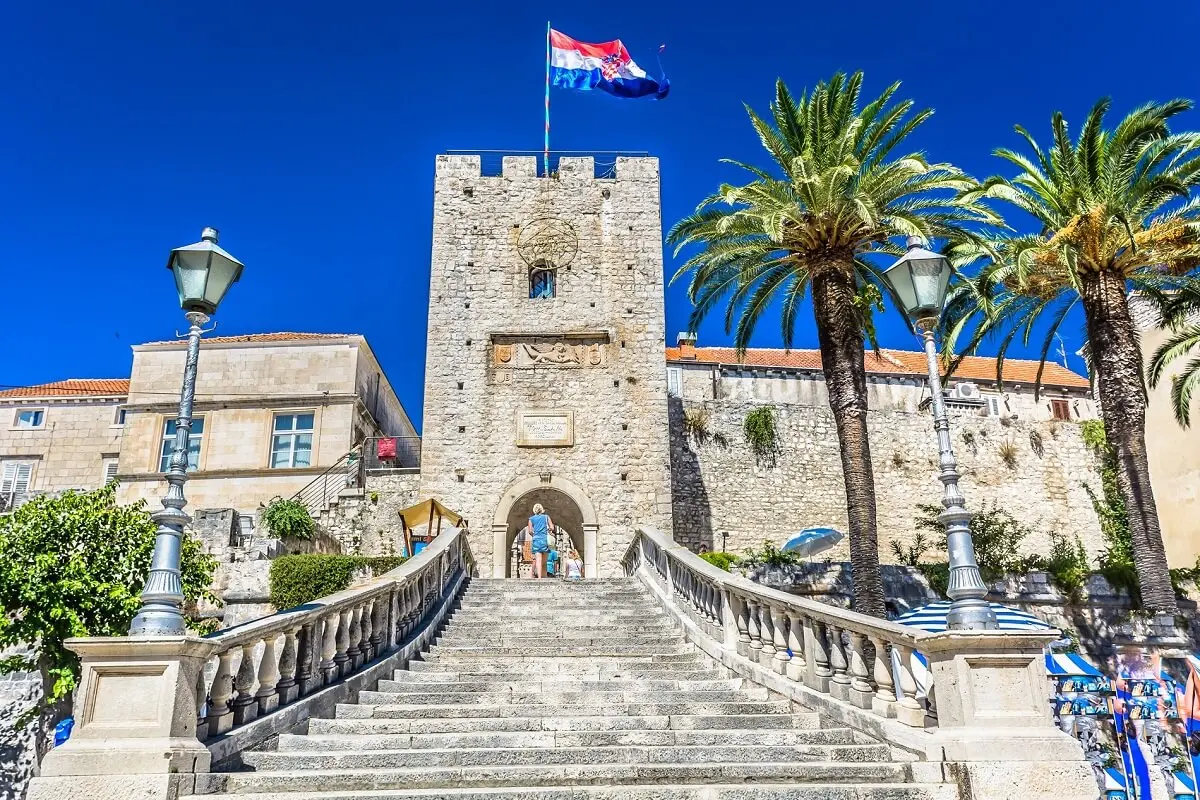
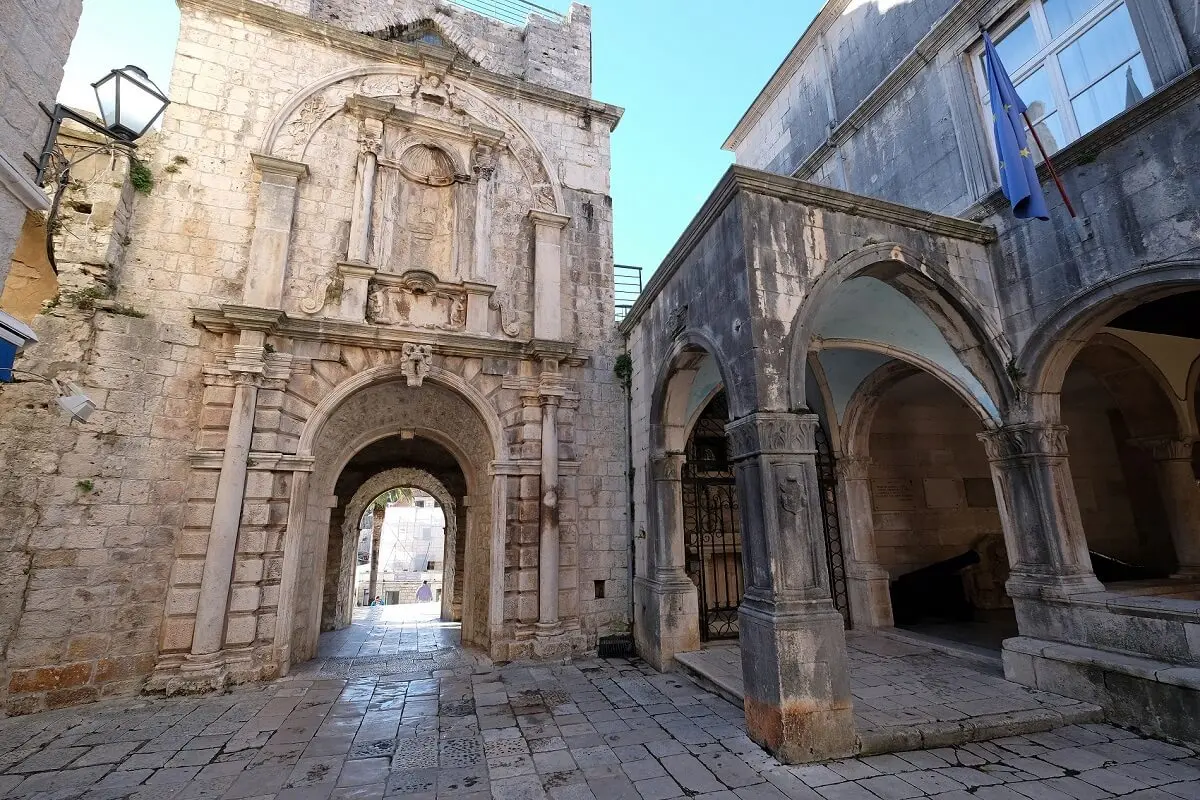
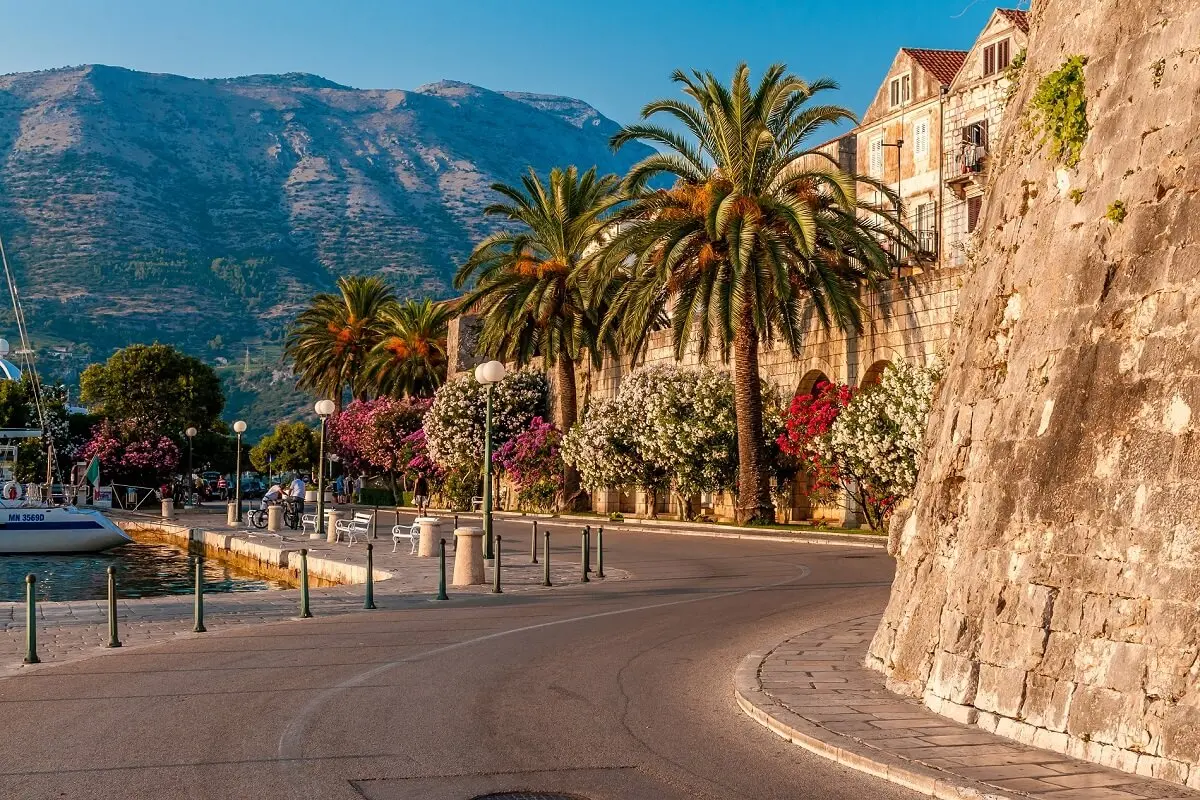
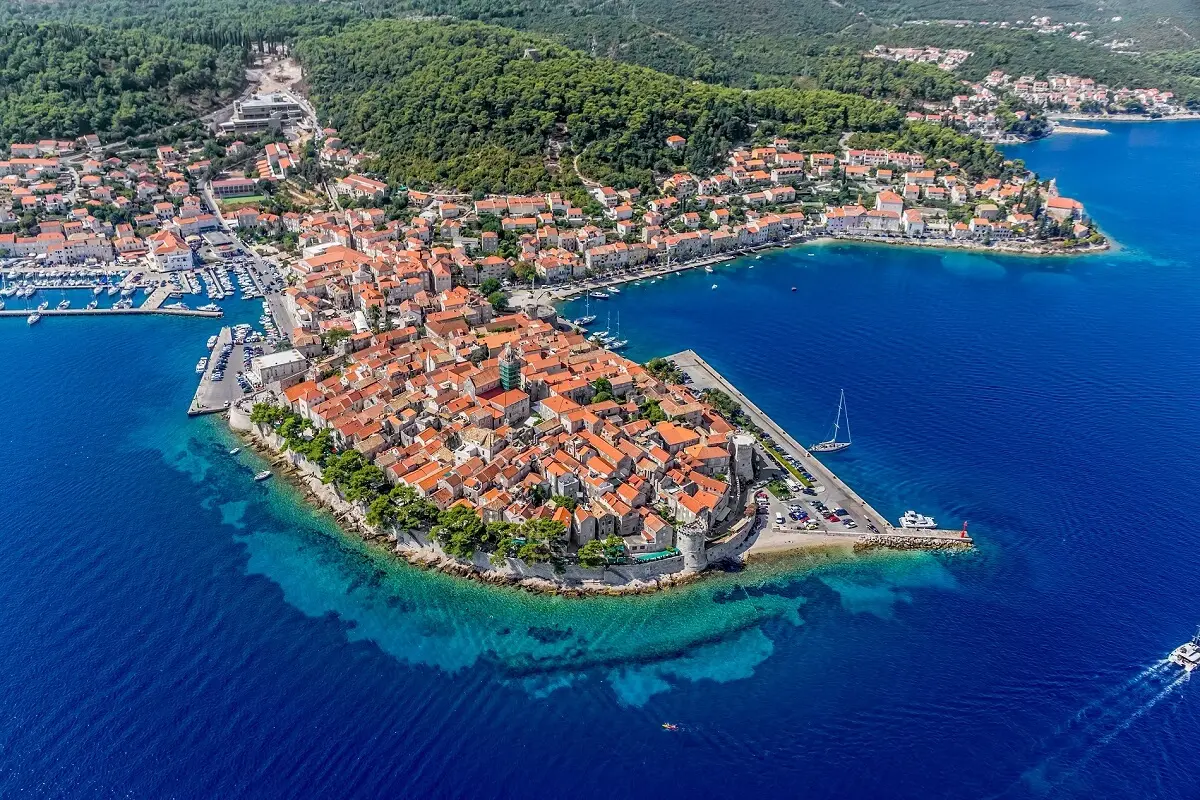
Korčula is one of the most beautiful and greenest islands in Croatia. The island of Korčula is located in south Dalmatia, between Dubrovnik and Split. Although it is a relatively remote island, Korčula has so many to offer - from remarkable nature, rich cultural heritage to delicious traditional food and great hosts. Many visitors see Korčula as a dream island and for sure they are not wrong. The island of Korčula has a size of almost 280 km2 what makes it one of the biggest Croatian islands. The main tourist destinations on the island are Korčula, Vela Luka, Lumbarda, Smokvica, and Blato. The island has been inhabited since ancient times with the oldest traces being found in the Vela cave. According to a legend, a Troyan hero Antenor in the 12 century BC came to Korčula. Over the years Korčula changed several rulers and today it has around 16,000 inhabitants which mostly work in agriculture, shipbuilding, fishing, and tourism sectors. There are so many tourist attractions worth visiting on Korčula so it is extremely hard to point out only a few of them. Probably the most popular attraction is Korčula old city with town walls, Zakerja tower, Revelin tower, and other historic buildings why it is often called little Dubrovnik. Famous explorer, merchant, and writer Marco Polo were born on Korčula in the 13th century (we recommend visiting the Marco Polo Museum and his house in the town of Korčula). The most attractive beaches are pebble beach Pupnatska Luka near Korčula, town beach Banje in Korčula, sandy beach Vela Pržina near Lumbarda, Istruga beach close to Smokvica and Brna, Bilin Žal near Lumbarda, and Prozid beach on the small island of Prozid. For those looking for active holidays, we recommend cycling (Korčula has 20 bike paths), hiking (on more than 20 hiking trails), scuba diving, windsurfing, kayaking, and other sports. Close to Korčula are islands Mljet and Lastovo, ideal for a day trip, especially to Mljet (home of National Park of Mljet). The world’s top destination - Dubrovnik is also close enough for a day trip. On the local menus, you can find octopus, shrimps, lobsters, lamb, and tasty local wines - Pošip or Grk (white wines). Although it is a relatively remote island, Korčula is well connected with the mainland, especially during the tourist season. There are frequent daily ferry lines from Split and the peninsula of Pelješac (Orebić) as well as boat lines from Dubrovnik and surrounding islands. The accommodation is offered in hotels and private apartments, holiday homes, villas, and rooms.

Destinations
6

Accommodation objects
40

Island of Korčula

Island of Vis

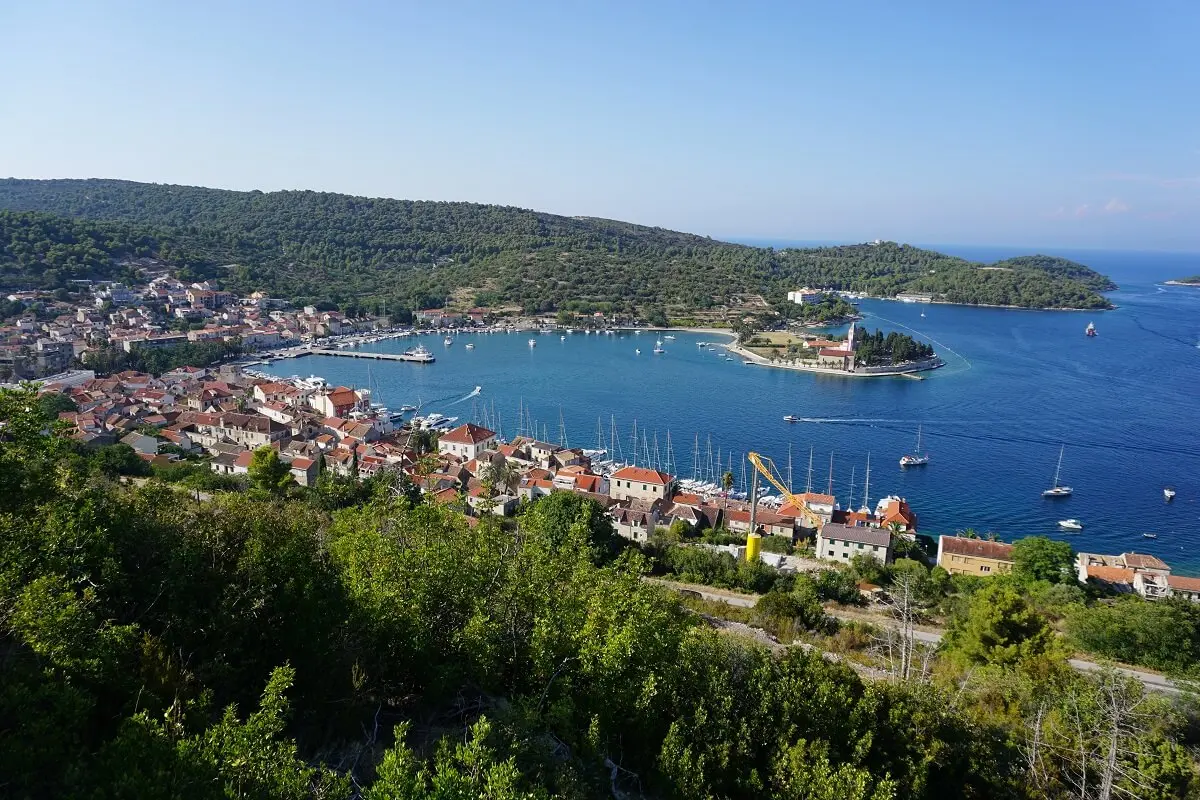
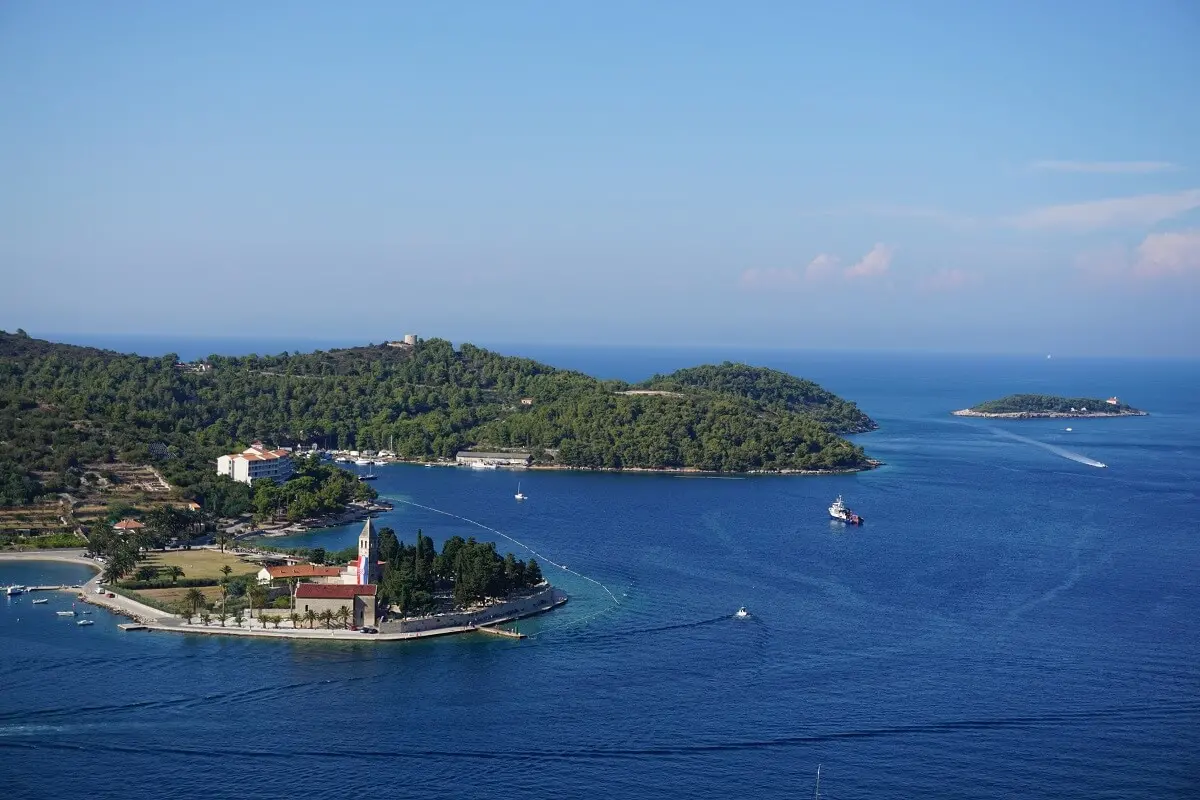
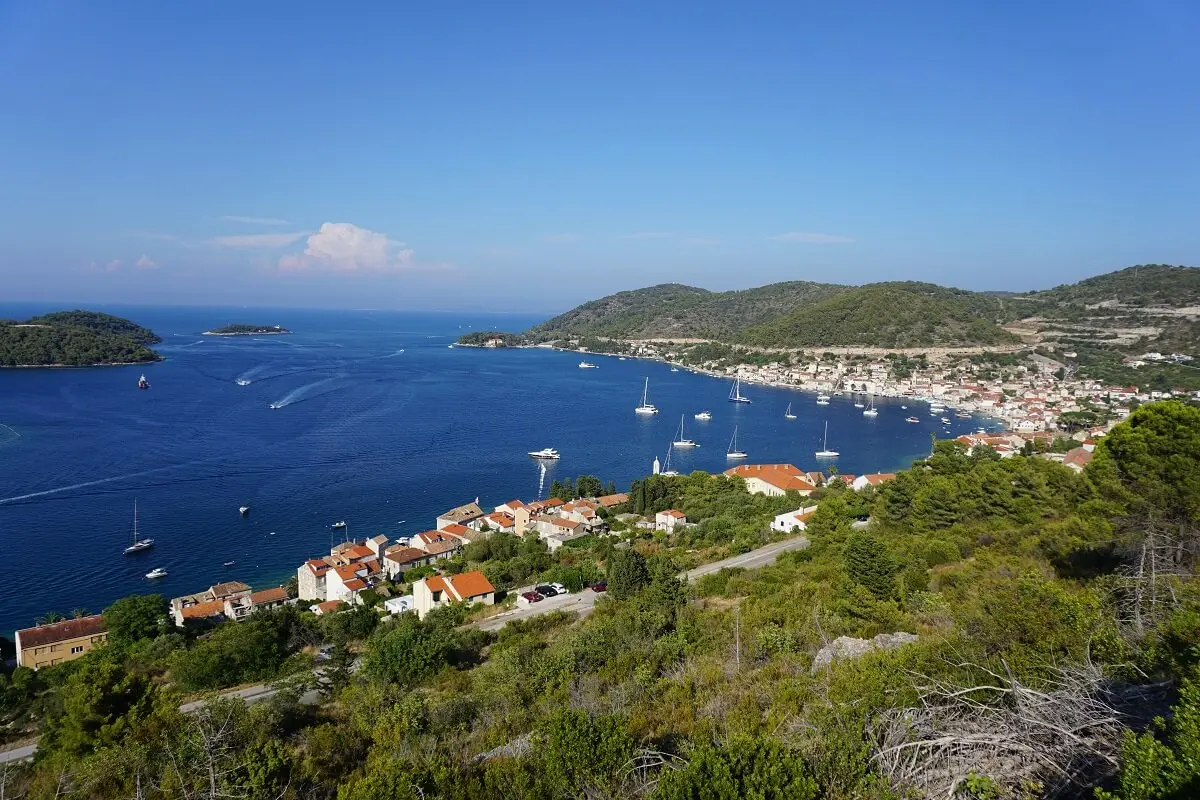
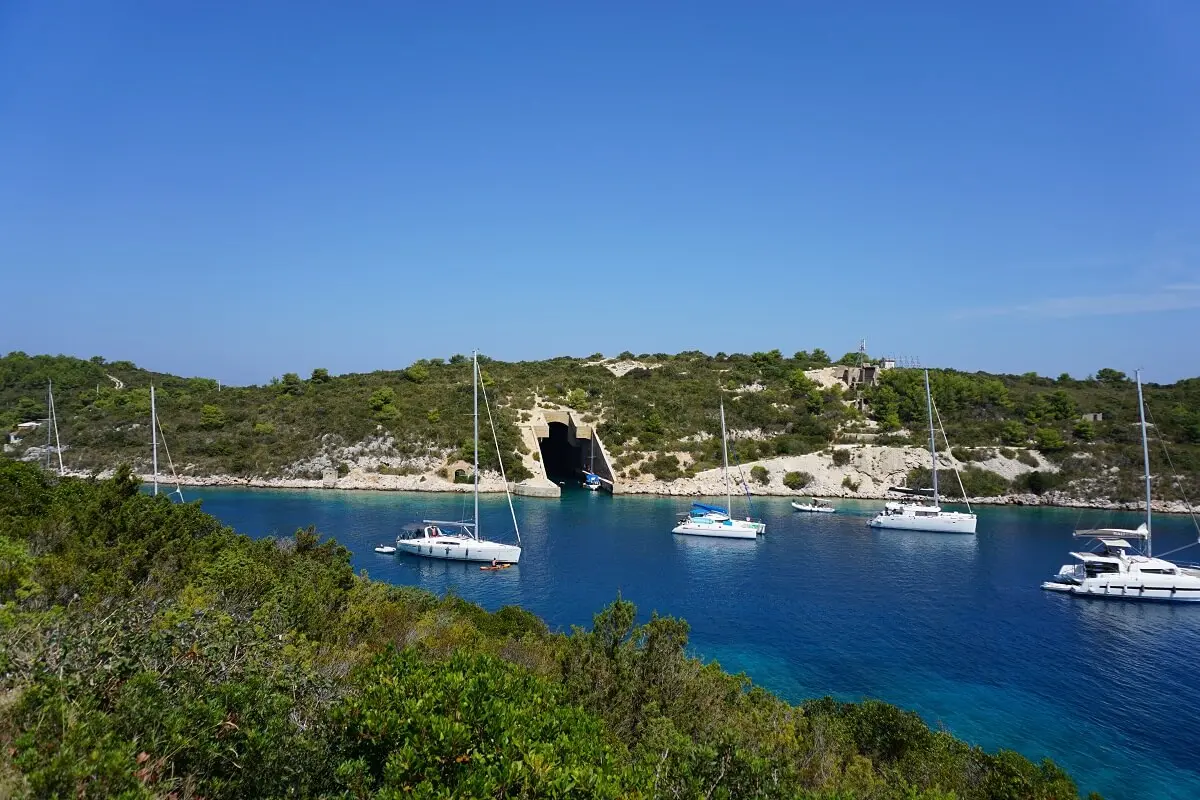
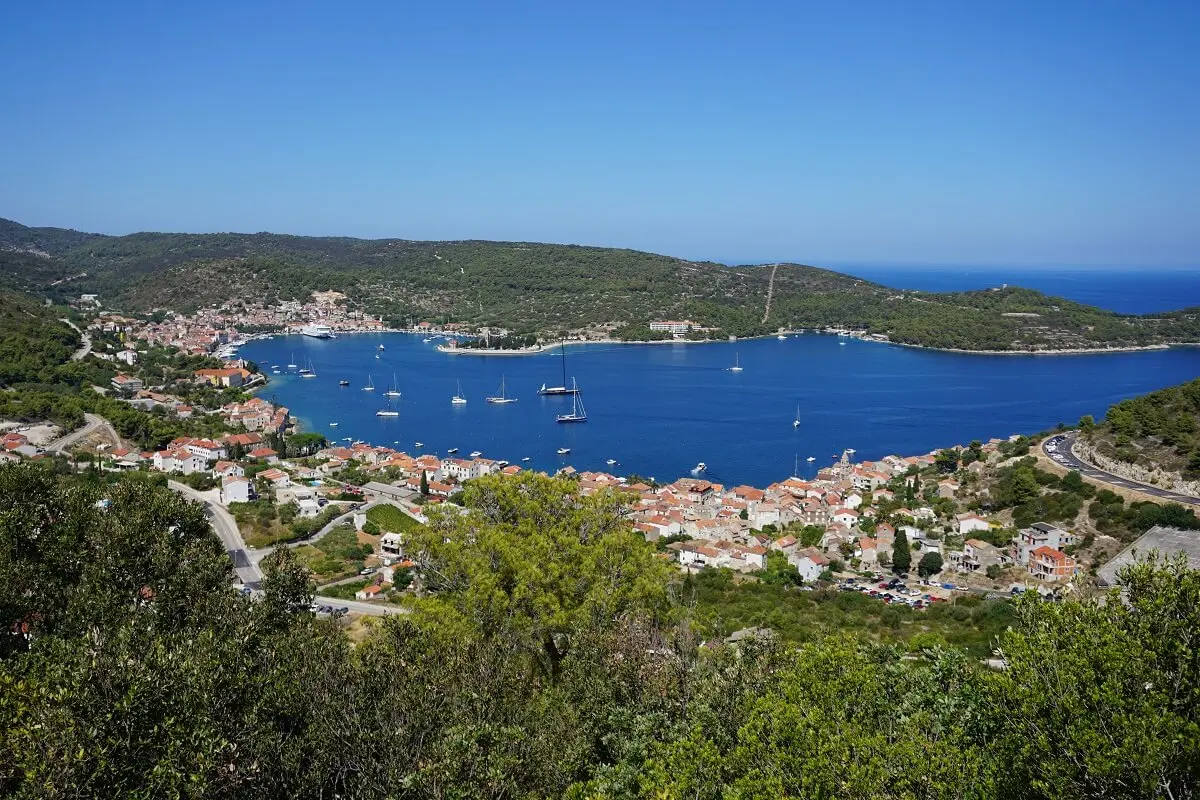
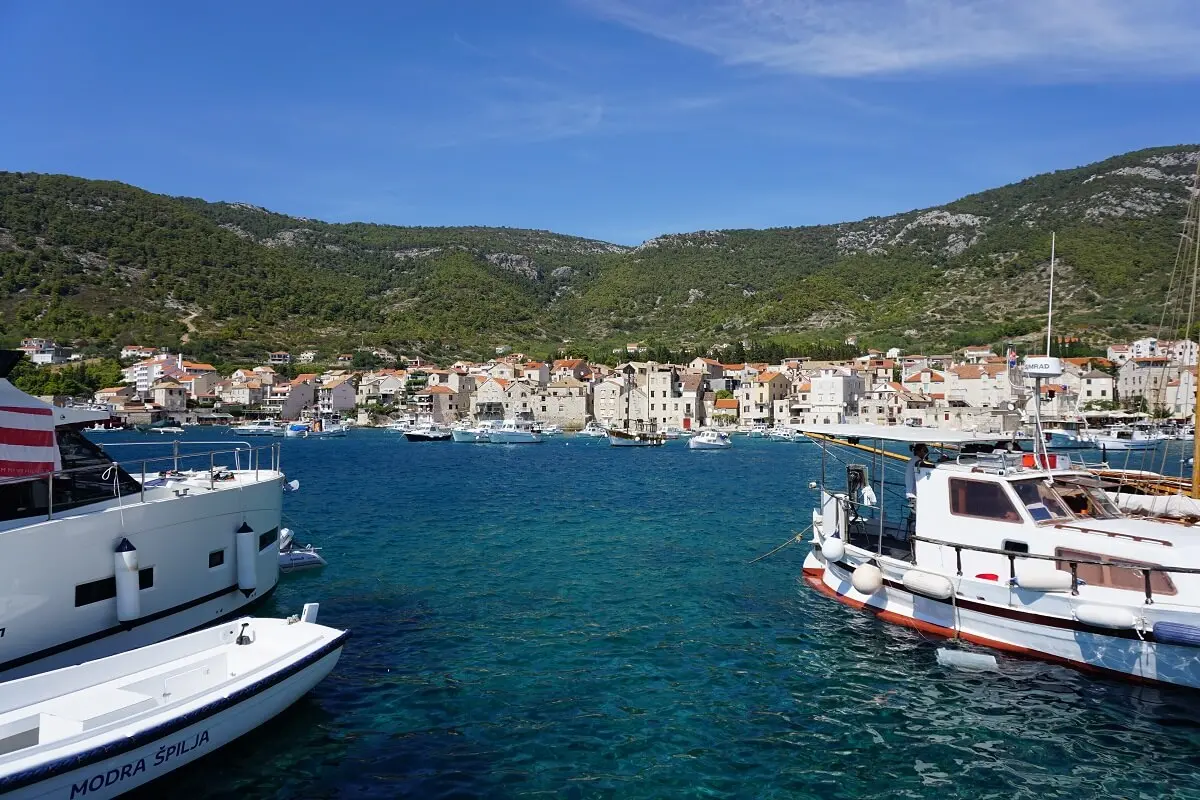
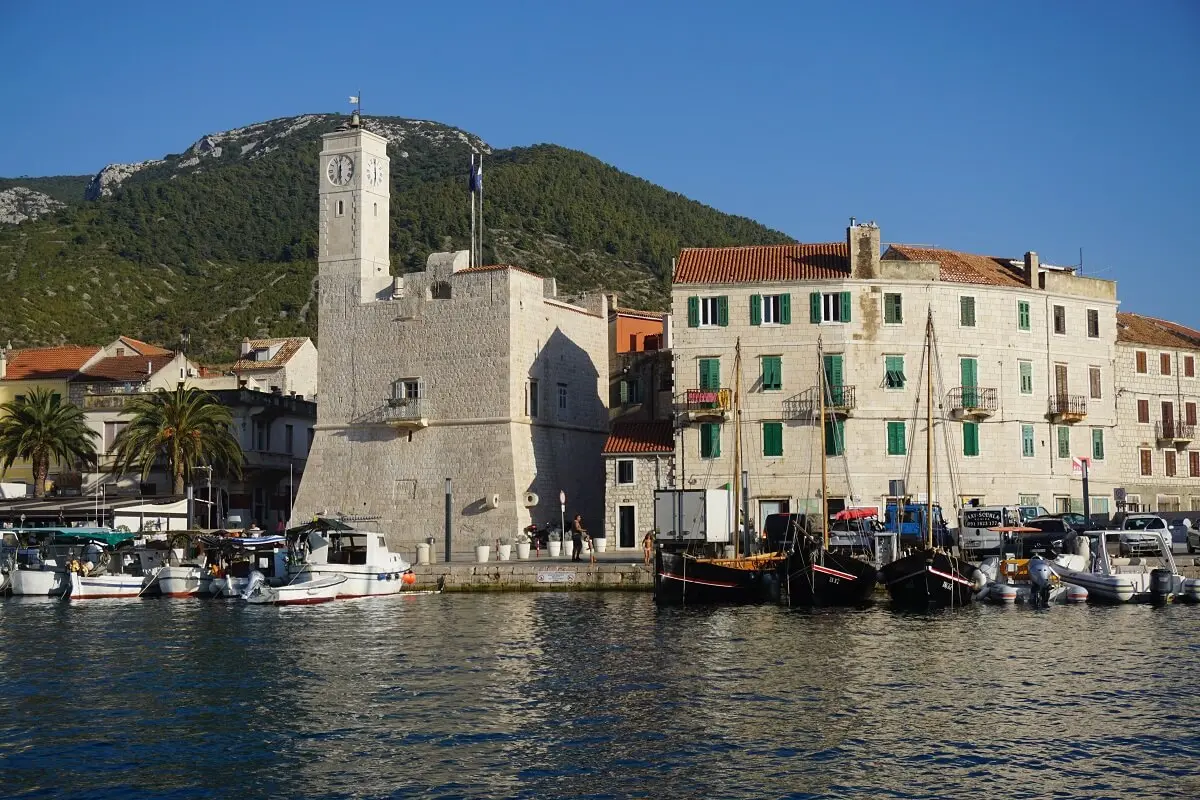
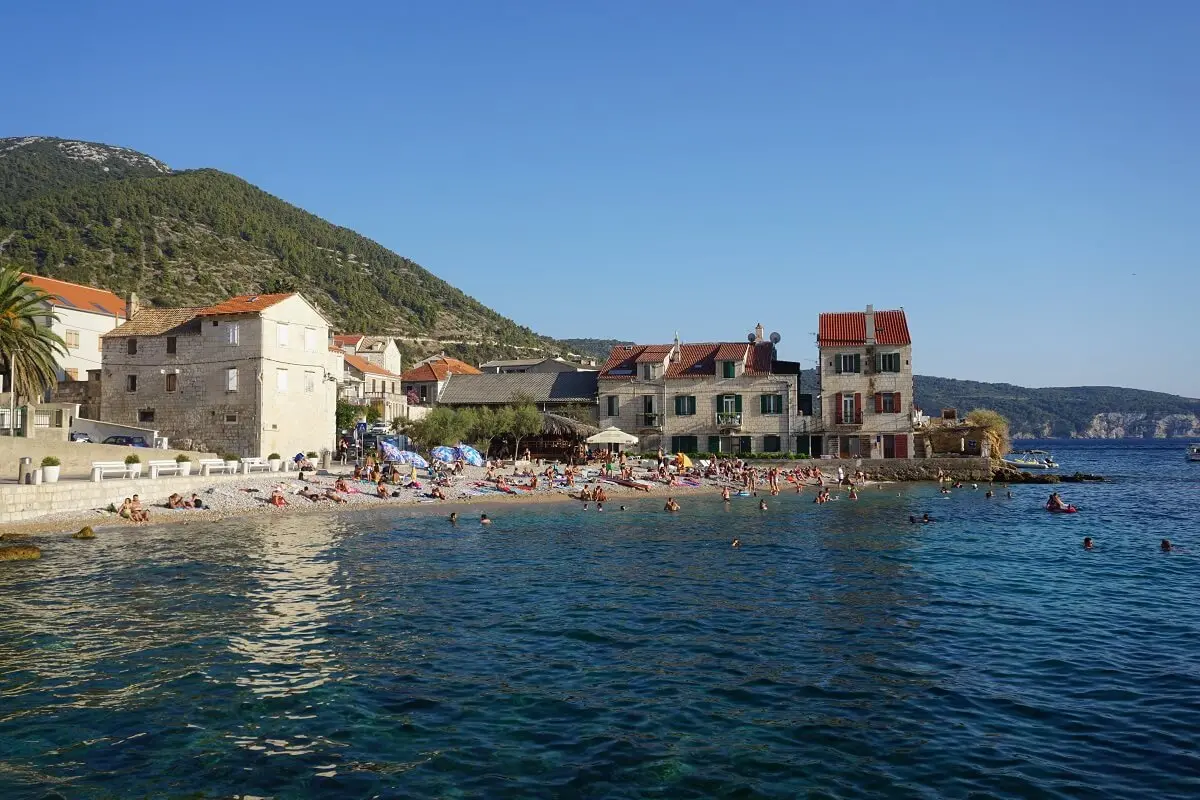
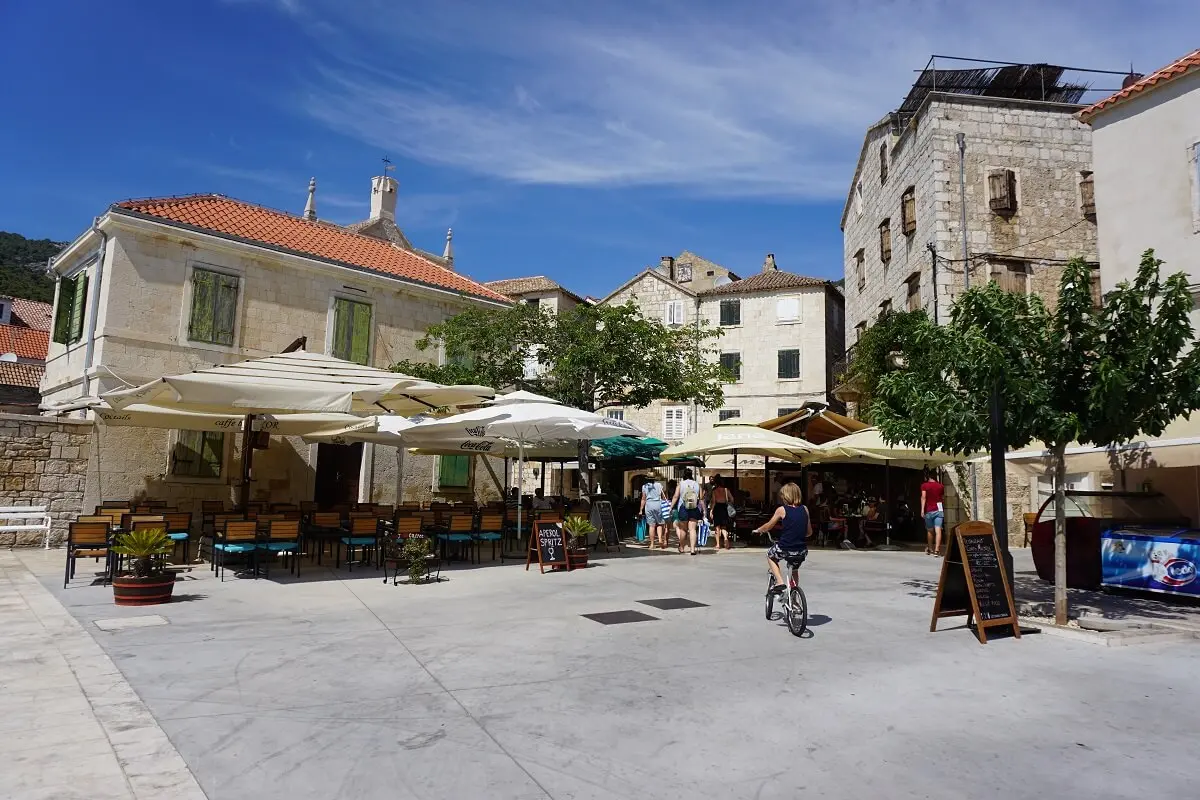
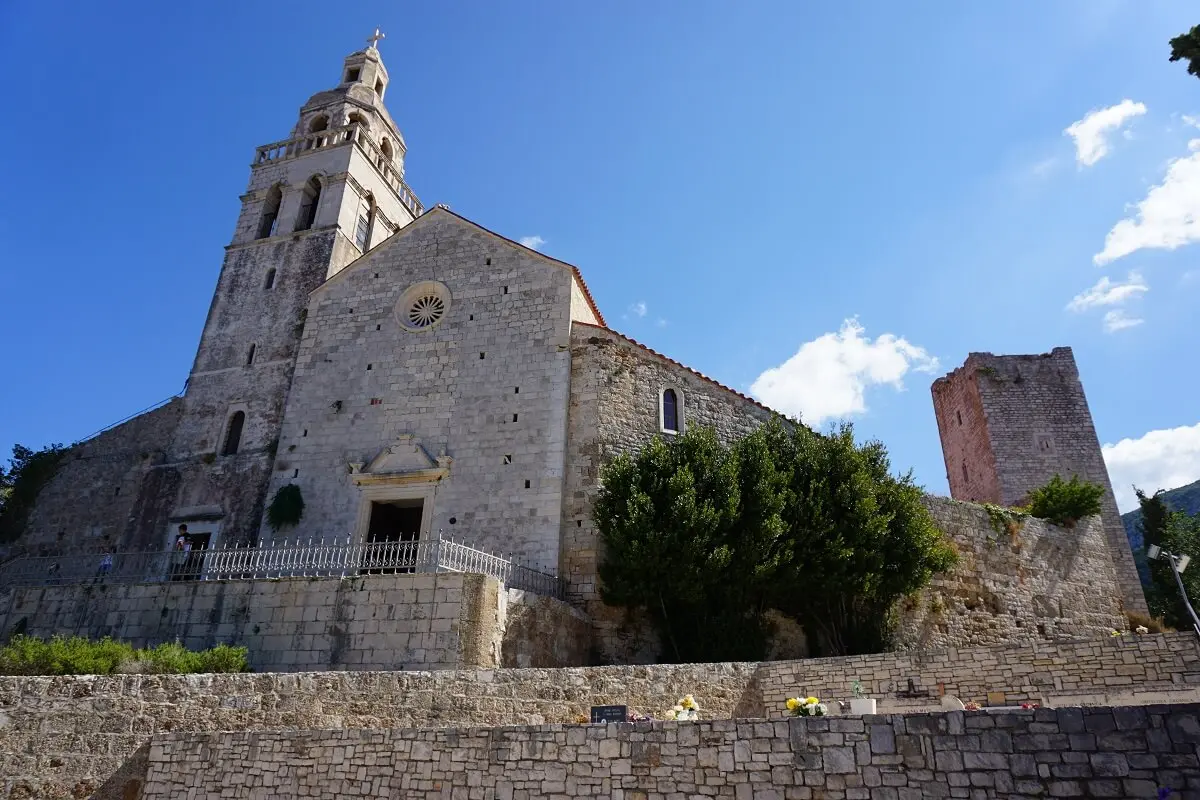
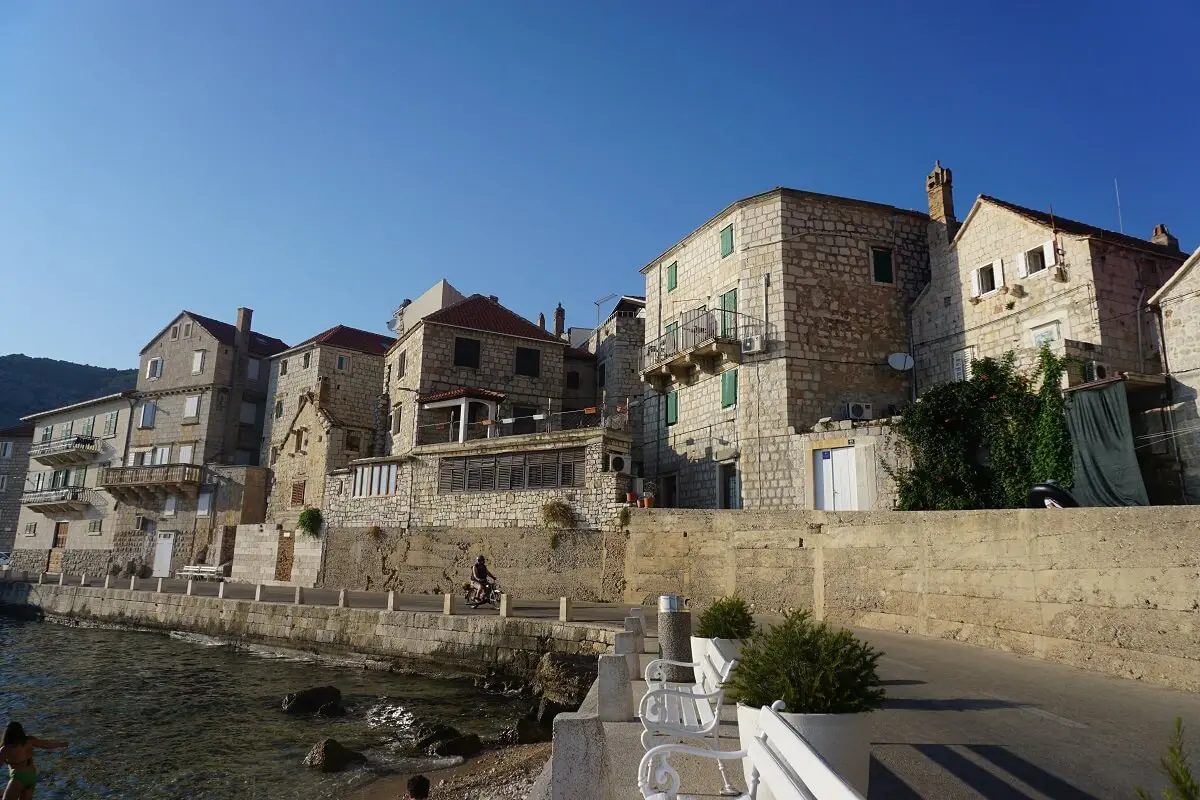
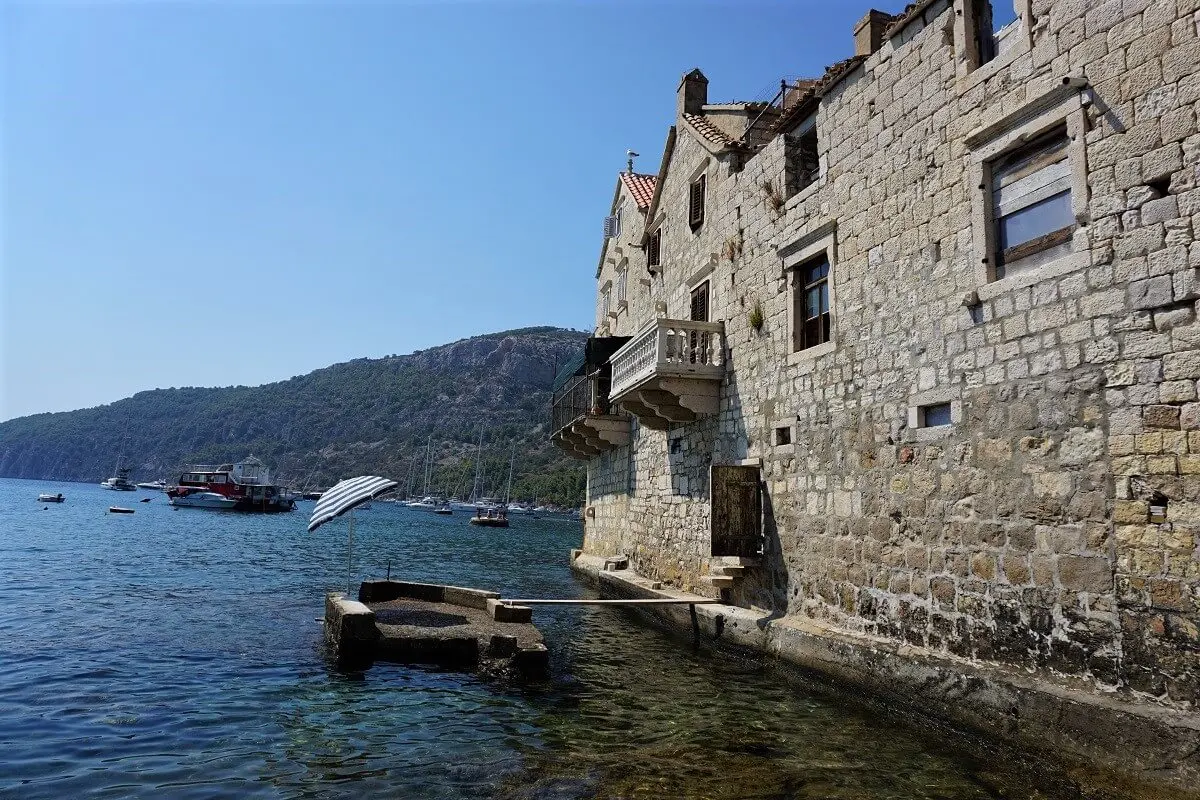
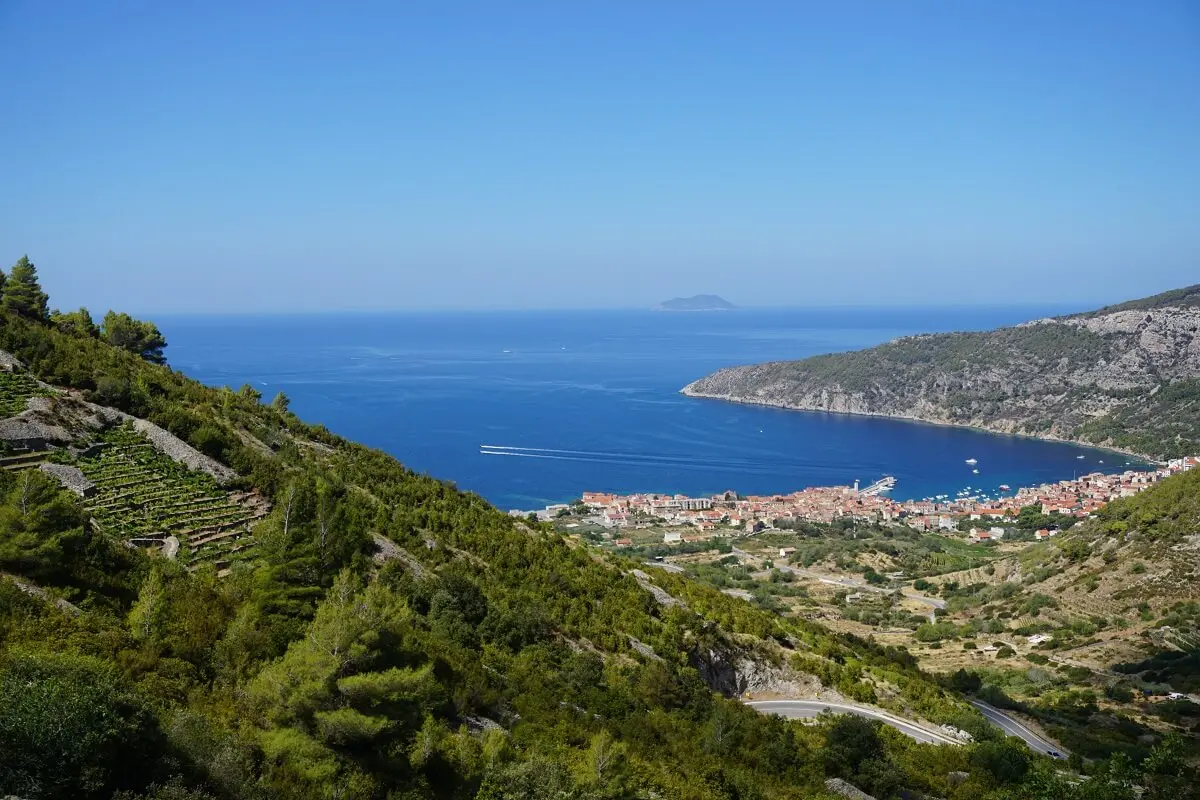
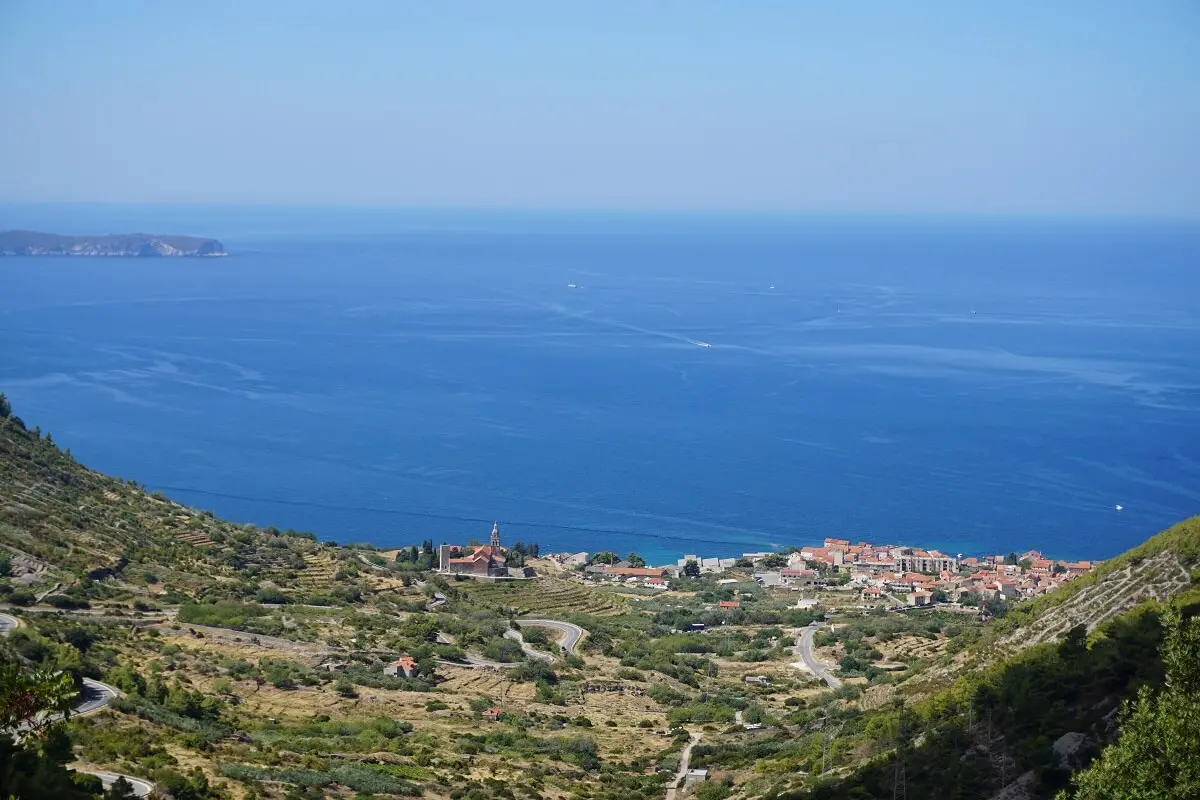
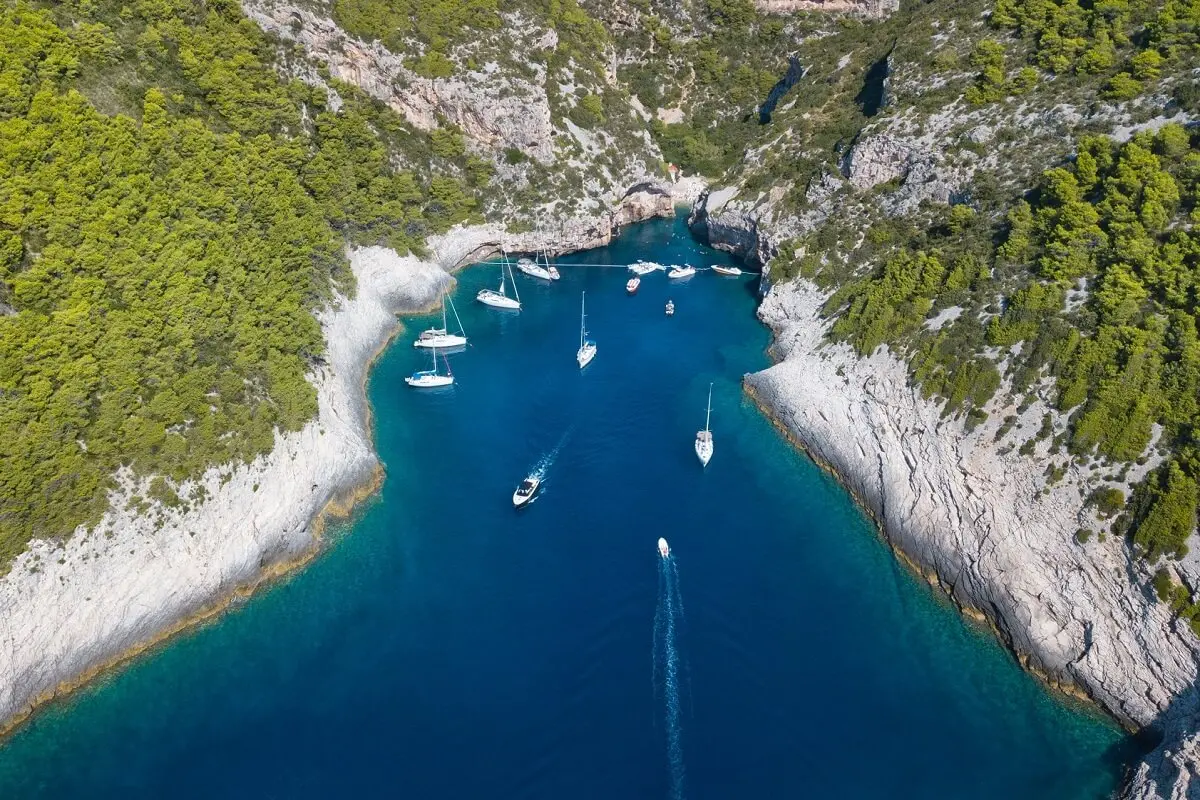
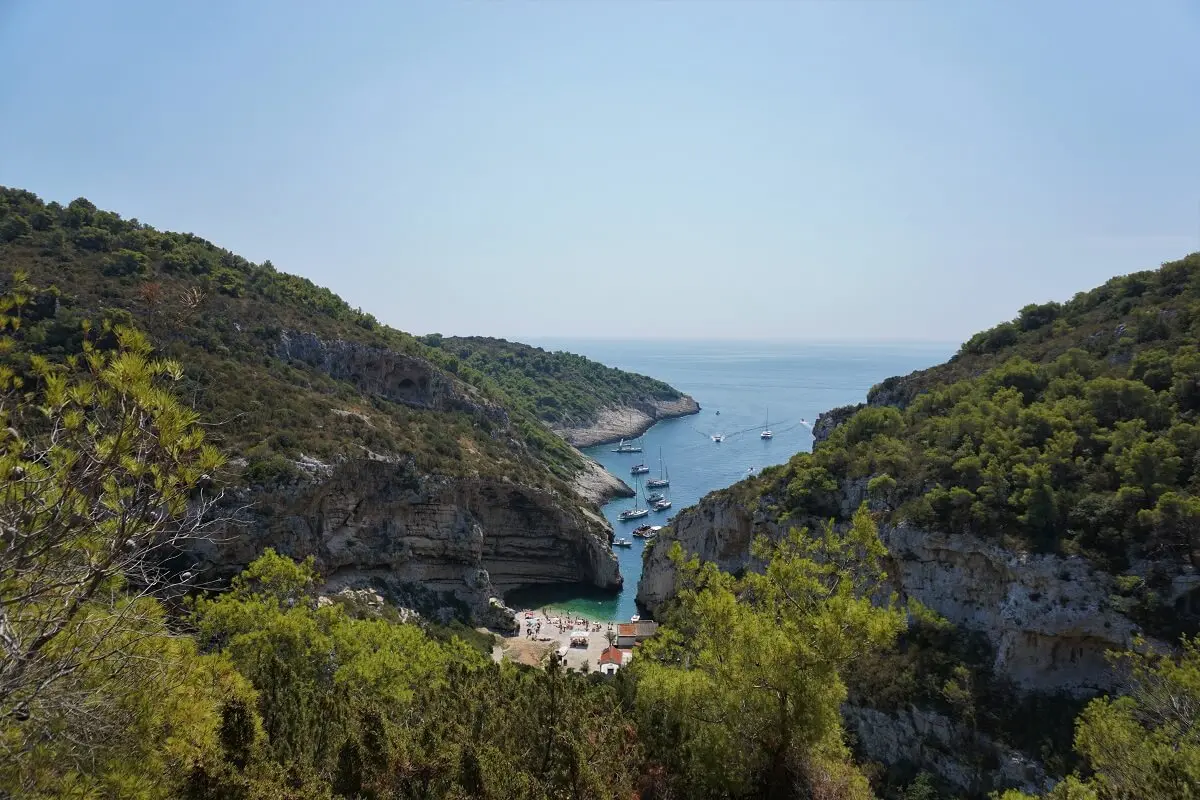
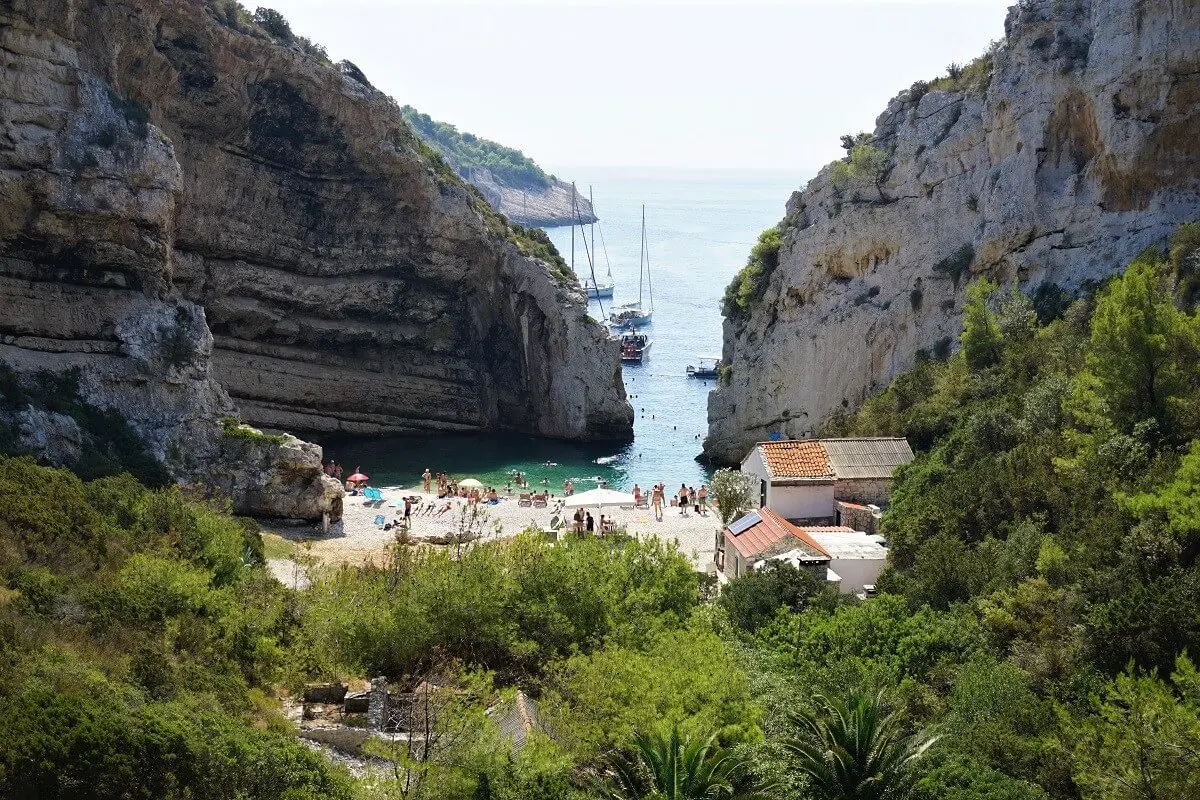
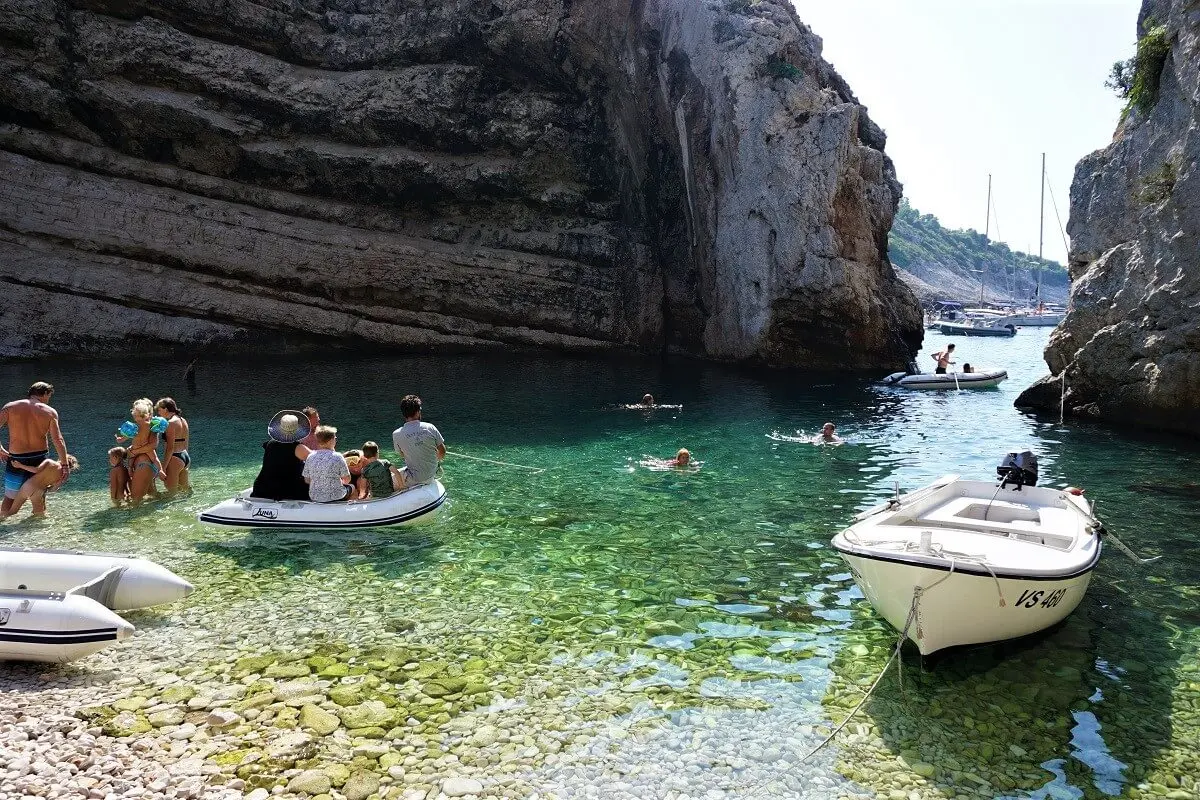
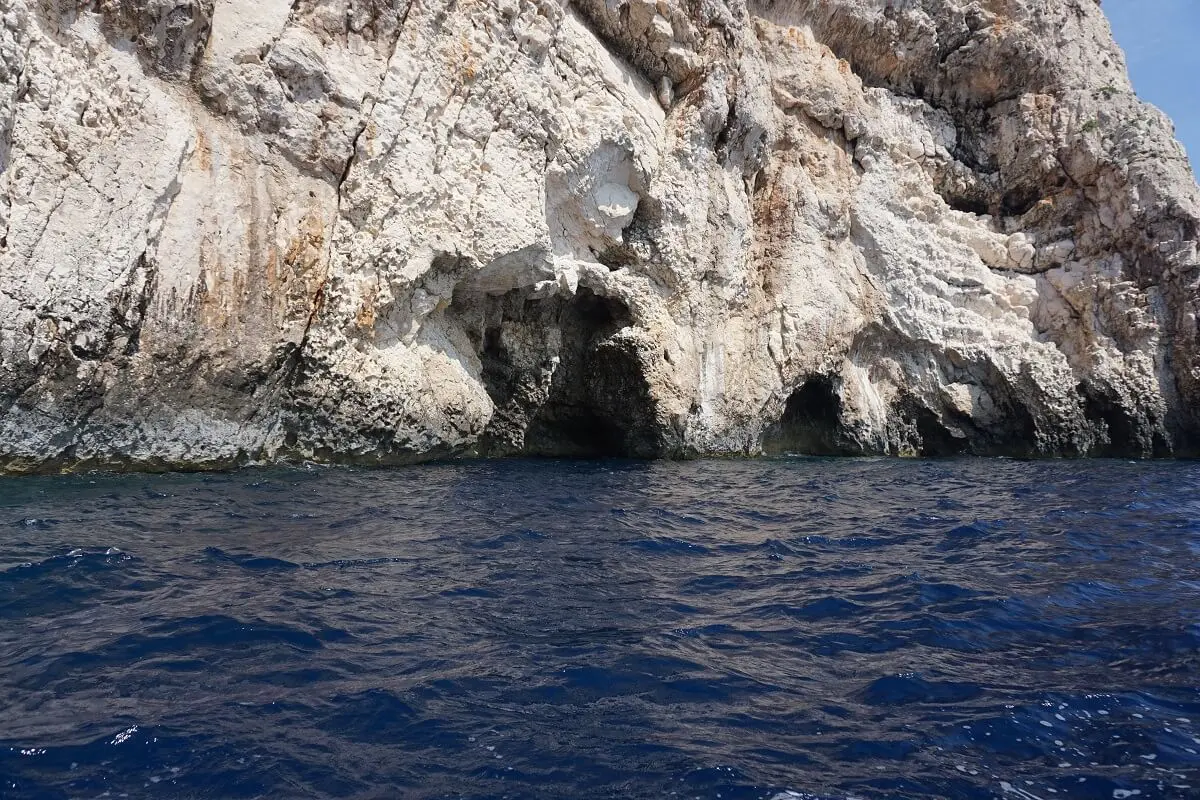
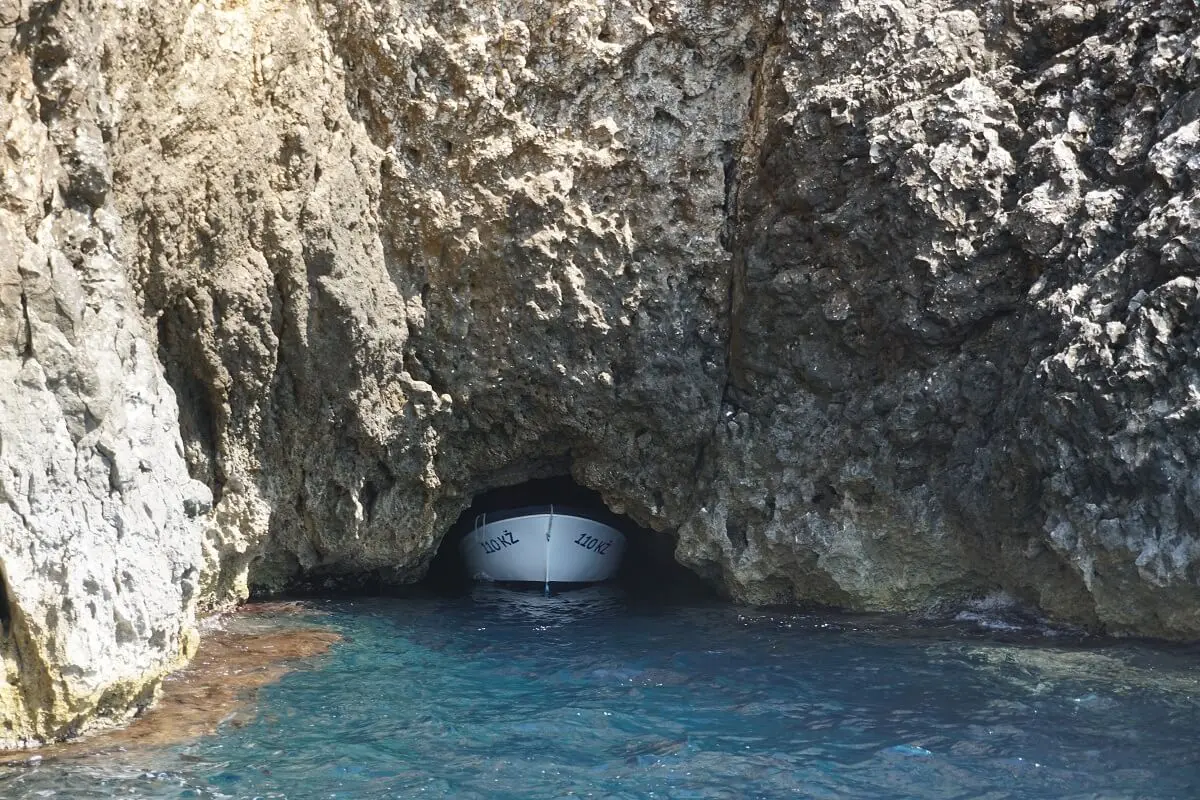
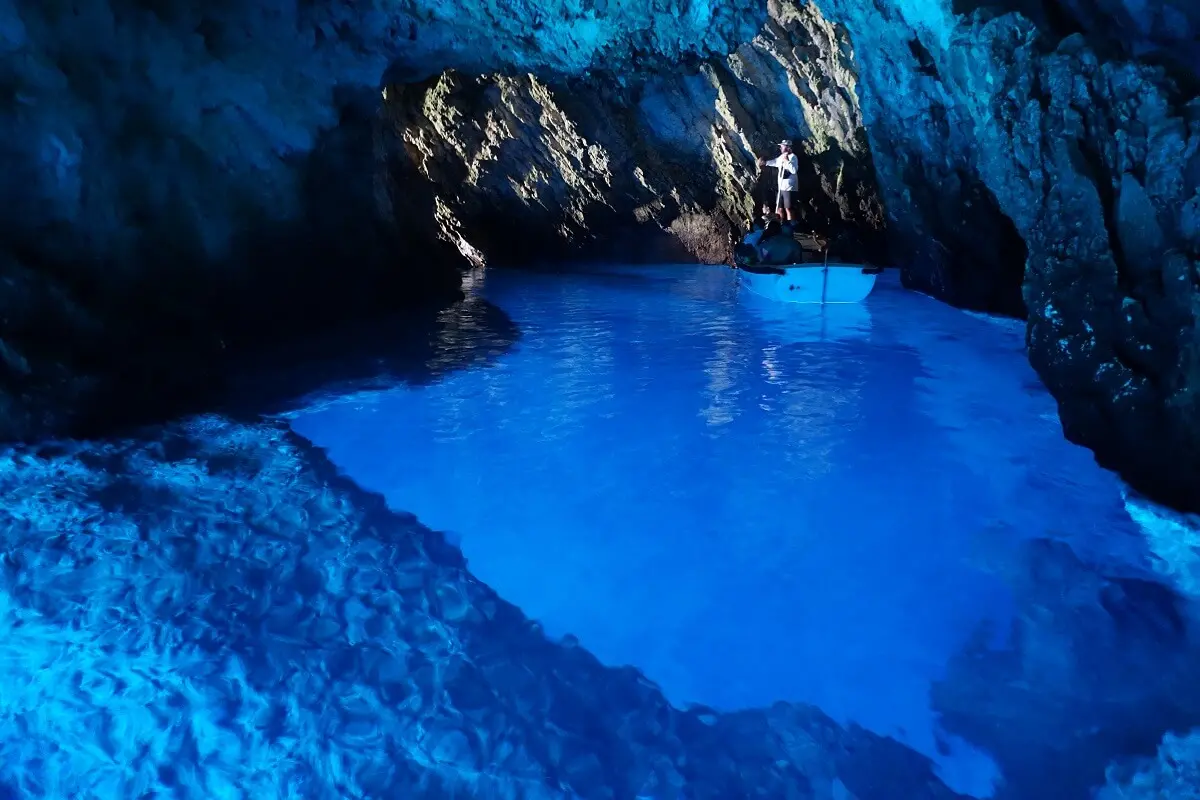
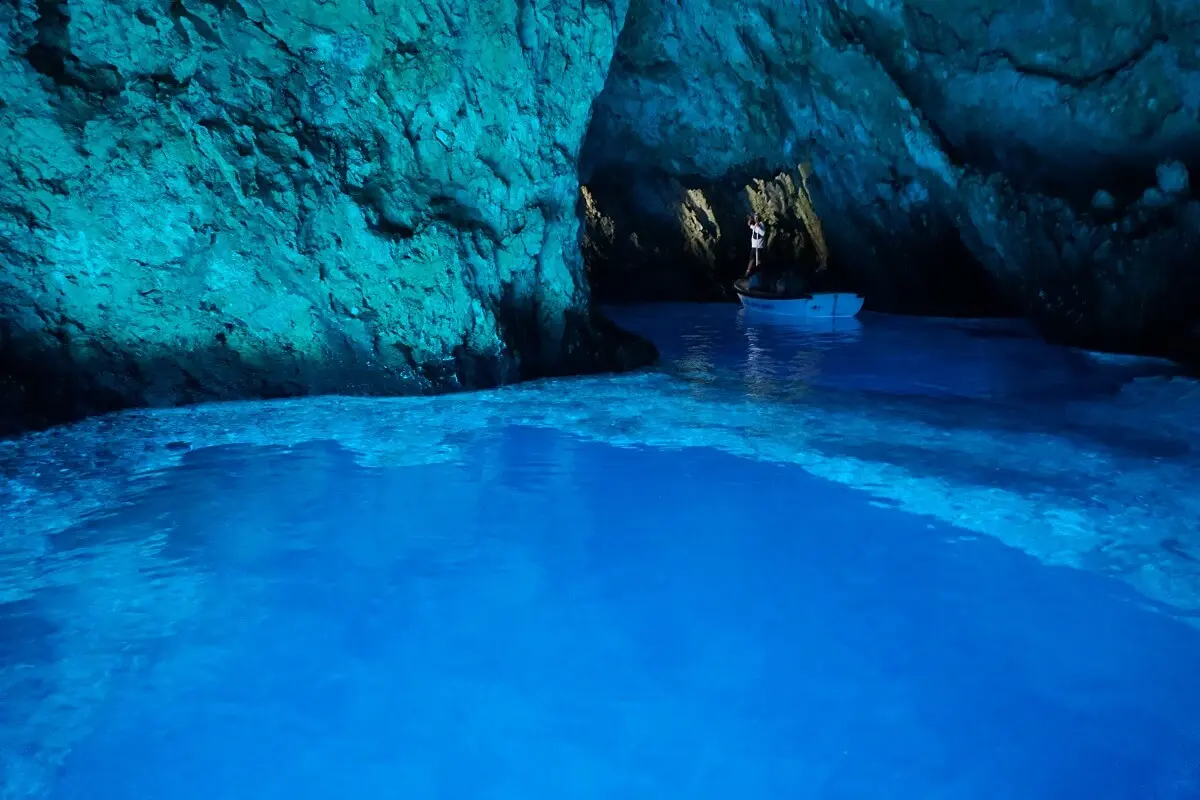
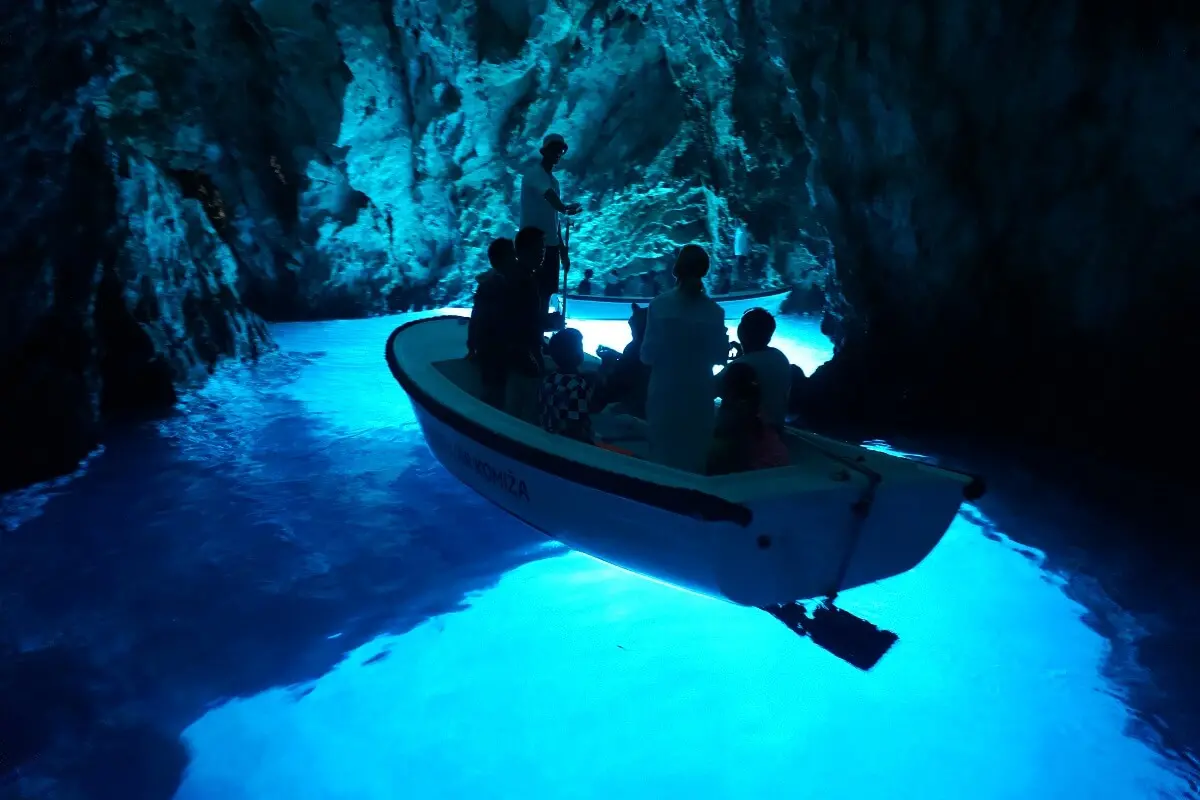
The island of Vis is one of the most beautiful islands in Croatia. For many decades, Vis was closed for tourists what is one of the main reasons why it is preserved until today. Vis is a remote island, 45 km away from the city of Split. With a surface of 90 km2 and many natural wonders, it offers much more than just the sun and sea. Vis is home to one of the most beautiful beaches - Stiniva bay, often proclaimed as one of the most beautiful beaches in the world. The largest settlements on the island are the town of Vis and the town of Komiža. Vis has a very interesting history. It has been inhabited since ancient times by ancient Greeks with the first settlement being Issa. Later, it was taken under the control of the Romans. The island changed many different rulers from Napoleon, Englishmen, Habsburgs to Italians. In Yugoslavia under Tito’s rule, Vis was closed for foreigners (until 1989) and the entire island served as a large military base. It had more than 30 military buildings including an underground tunnel for submarines, an underground military hospital, and a military base. As it could not accommodate tourists for many decades, the tourist infrastructure was not being developed, causing large emigration of the locals. However, long isolation made Vis a unique destination in the Adriatic. One thing that makes this island ideal for tourists is that it has so many to offer. From beautiful natural beaches and coves to hills and hidden military base from the period after the Second World War build by ex-Yugoslavia president Tito. The most known beaches are world-renown Stiniva bay, pebble Srebrna beach, Stončica bay, sandy beaches Milna and Zaglav. Blue cave on the nearby island of Biševo is also a must-see attraction. Other attractions include Tito’s cave, the top of mount Hum (the highest point of the island), scuba diving, the military tour, Green cave, fort George and George III fortress. Food on the island of Vis is perfect - we recommend trying local indigenous wines (white wine Vugava or Bugava and red wine Plavac Mali), octopus “ispod peke”, delicious fresh fish caught by local fishermen, Viška cake, and Komiška cake. In the island interior, there are many vineyards and cozy restaurants worth visiting. Although Vis is remote it is very well connected with the mainland and surrounding islands. There are several boat lines and ferry lines (Split - Vis, Vis - Hvar, and Vis - Brač). The best option to explore Vis is by staying in private accommodation - an apartment, holiday home, villa, or room.

Destinations
2

Accommodation objects
20

Island of Vis

Island of Pašman

The island of Pašman is a true paradise for lovers of nature and peaceful family vacations. It is the second-largest island of the Zadar archipelago (60 km2), separated from the mainland with the Pašman channel (which is from 2 to 5 km wide). The island is accessible to visitors since it has a bridge that connects Pašman with the island of Ugljan. Close to Pašman, there is one of the most known small islands in Croatia - the heart-shaped island of Galešnjak. Galešnjak is also known as the island of love or the island of lovers. The island of Pašman has been inhabited since ancient times, and today it has around 3,000 permanent inhabitants. The locals are mainly engaged in agriculture (wine and olive oil), fishing and tourism.  Pašman offers its visitors plenty of possibilities. The majority of beaches are natural pebble beaches where you can enjoy crystal clear sea, sunbathing and swimming. Beaches are usually surrounded by pine trees what makes them ideal for families with children. Top beaches on Pašman are sandy Matlovac beach near Ždrelac, Polača beach, Soline beach, Banj beach, Dobropoljana beach, Lokva beach near Neviđane, sandy Mrljane beach, Barotul beach, Lučina beach near Pašman, Jasenice beach, Tratica beach and Dužica beach near Kraj. For lovers of active vacations, Pašman offers plenty of hiking and biking trails of different heaviness. The viewpoint Straža on the hill above the town of Tkon offers an attractive view of the entire island of Pšman and nearby Kornati archipelago, same as from the stone lookout of Veliki Bokolj (272 meters high). Remains of the stone fortress Ugrinića Dvori from the 16th century and the Franciscan monastery St. Dujma from the 14th century are also worth visiting. Other activities include rowing, sailing, volleyball, and bowling. On the island, there are many cultural events including Fishermen's night and the Škraping international trekking race. On Pašman there are many small restaurants and Dalmatian taverns offering local specialties such as octopus, lamb, Dalmatian ham, and pašticada. It is easy to reach the island of Pašman - there is a frequent daily ferry line from Zadar to Preko (Ugljan), while Pašman is connected to the island of Ugljan with the bridge. You can also choose the ferry line Biograd - Tkon (Pašman). Tourism is developing with a focus on green or eco-tourism. The best accommodation is offered in private apartments, rooms, or holiday homes.

Destinations
6

Accommodation objects
65

Island of Pašman

Island of Murter

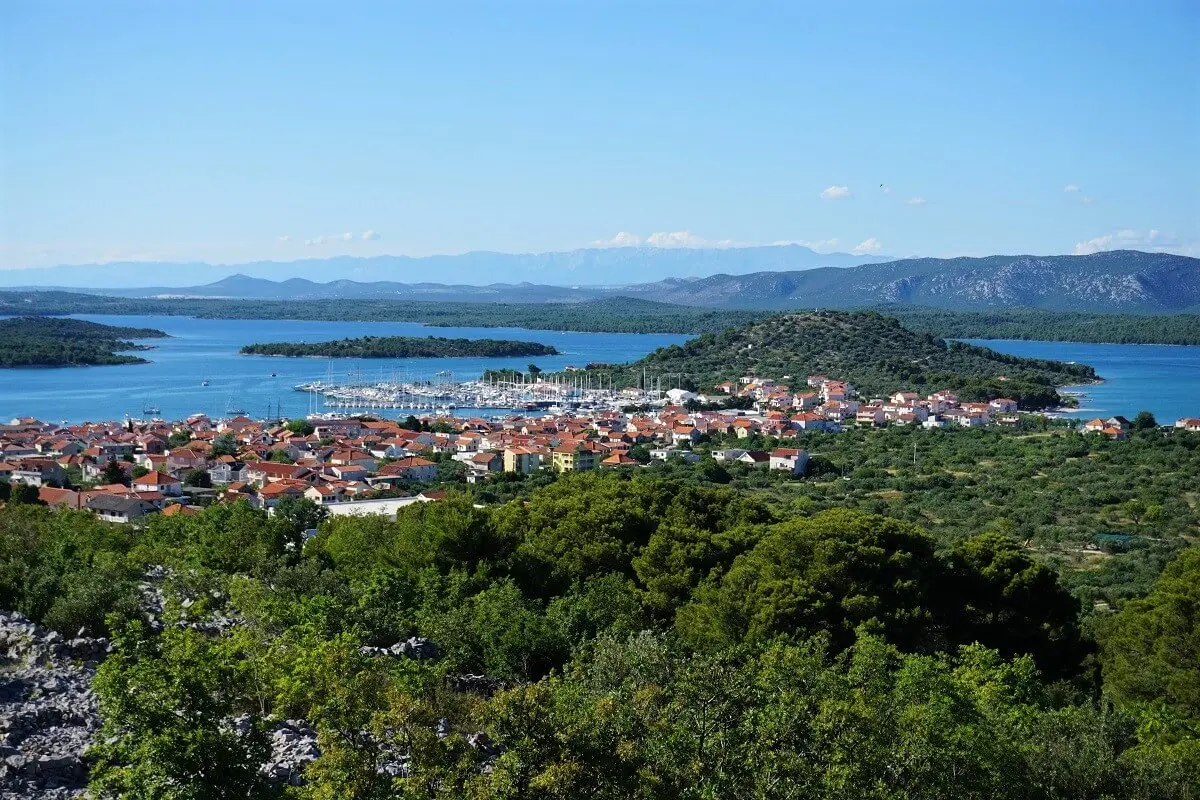
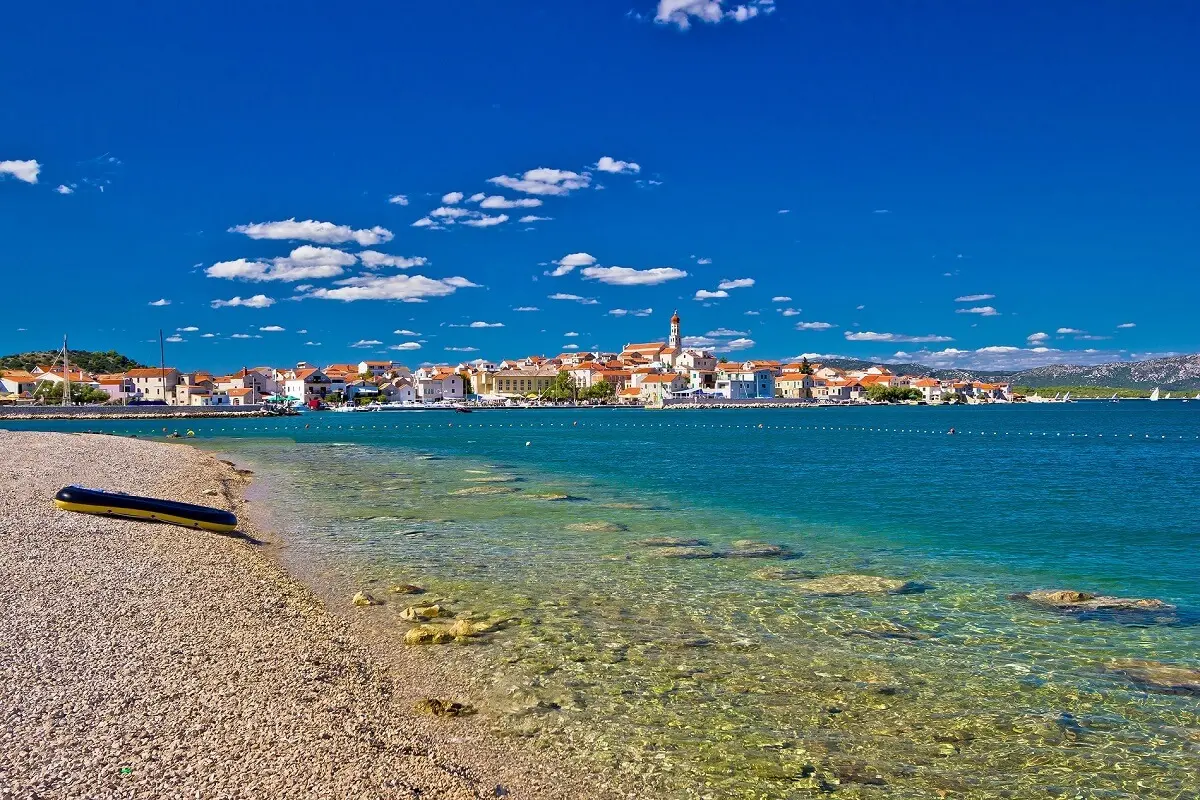
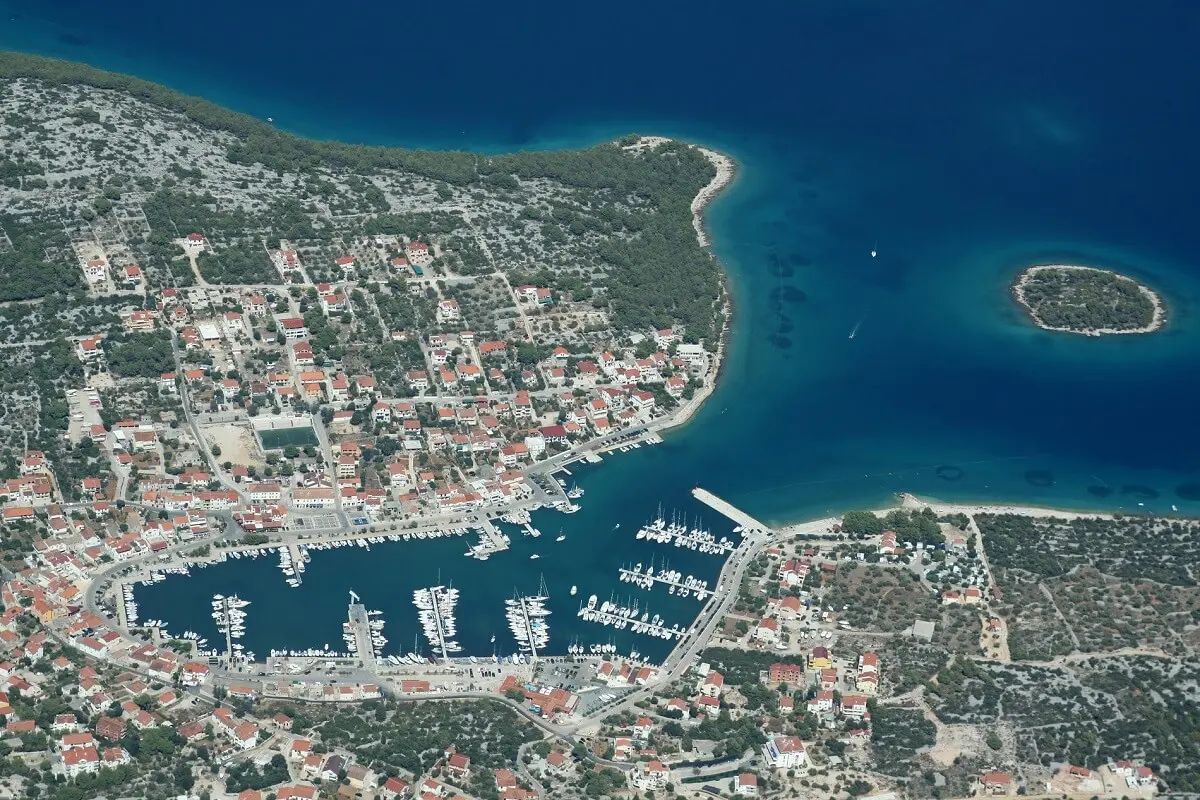
The island of Murter, located in the north Dalmatia, is the largest island of the Šibenik archipelago. The island is very popular among domestic and foreign tourists because it has everything you need for a perfect summer vacation. It is very accessible as it is connected with the mainland via a 12 meters long movable bridge. One of the main attractions of the island is the sandy beach Slanica. The main settlements are Murter, Tisno, Jezera, and Betina. The island has been inhabited since ancient times. An interesting fact is that it was first mentioned by the Greek philosopher Ptolomej (Scardon). The Romans had also ruled the island, thus remains of Roman settlement Colentum and of other constructions have remained until today. Nowadays, the island has around 5 thousand permanent inhabitants and their main sources of income are tourism and agriculture. Probably the most known beach of Murter is sandy beach Slanica which is ideal for families with small children. Other attractive beaches that we recommend visiting are Podvrške beach, Čigrađa beach, Kosirina beach, and Lovišća beach. In close vicinity is one of the most attractive national parks in Croatia - National park Kornati as well as nature park Vransko lake. The top attractions of Murter are the remains of fort Tureta, Raduč hill (125 m) with amazing views over Kornati islands, daily trips to Kornati islands, and scuba diving. A central cultural manifestation of Murter each year is the international donkey race (“međunarodna trka tovarov”). This manifestation has become a tourist brand and important event which promotes donkeys and their importance for the local culture and local people. Visit the island of Murter, a perfect destination for family vacations. Enjoy your stay in private accommodation - find your ideal apartment, room, or holiday home for rent. In the period from 15 June to 15 September, the movable bridge is lifted every day from 5 pm to 5:30 pm.

Destinations
4

Accommodation objects
68

Island of Murter

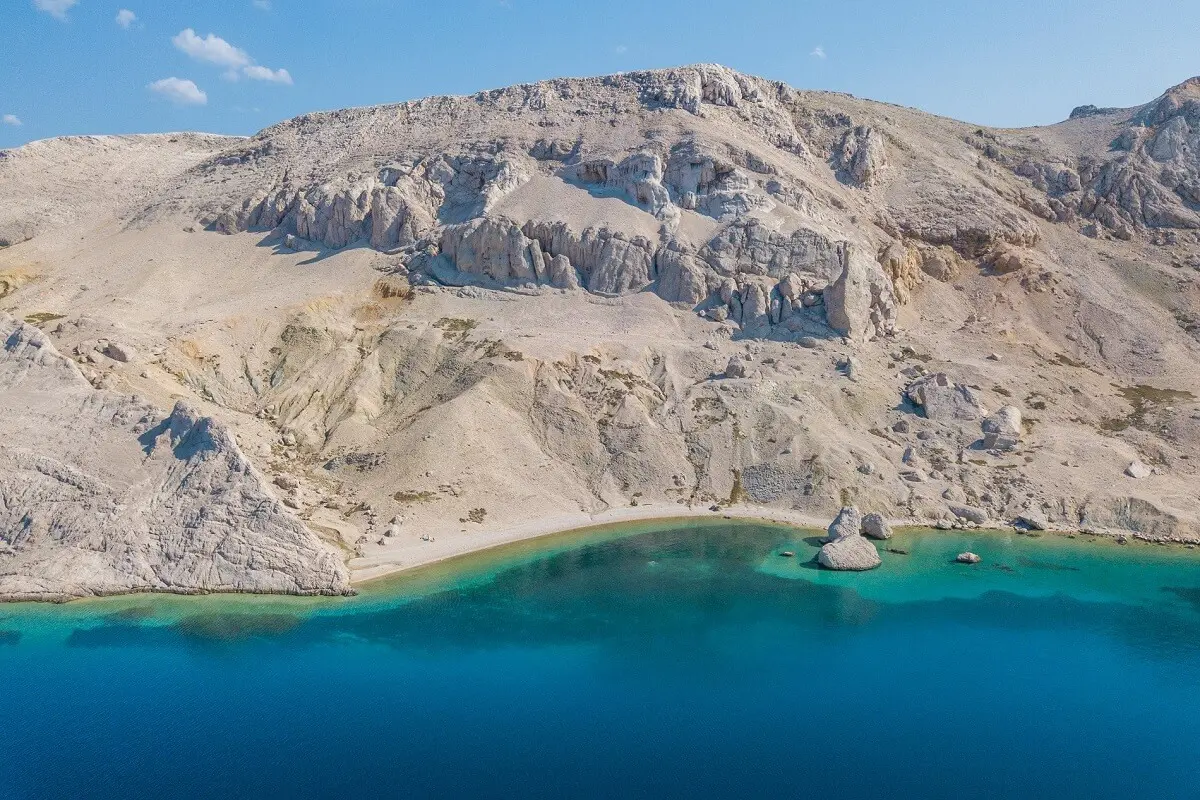
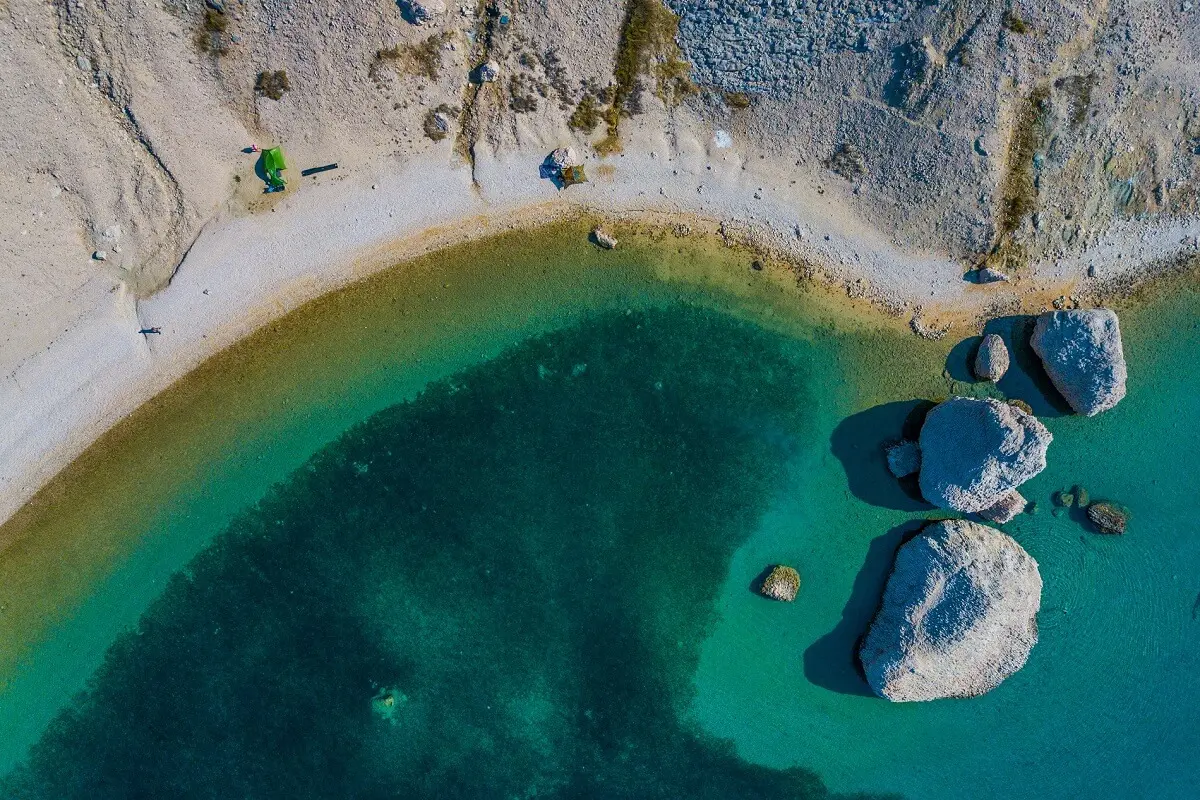
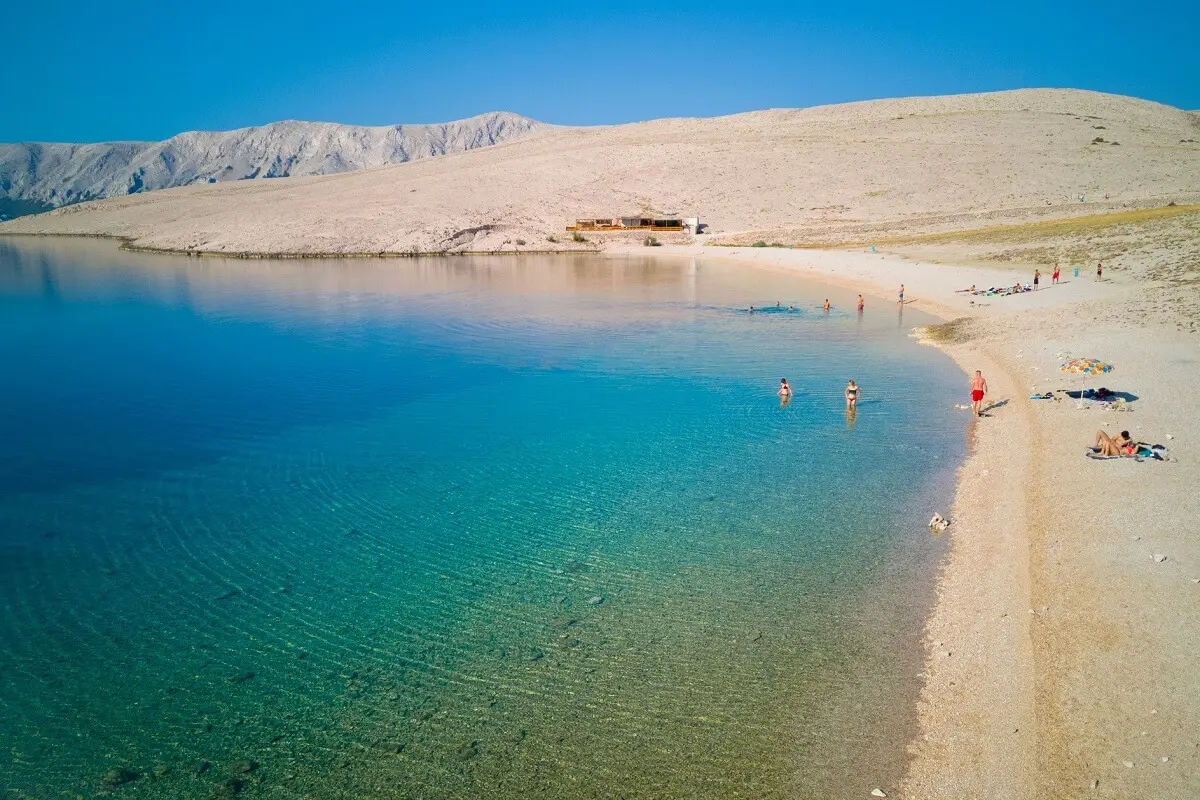
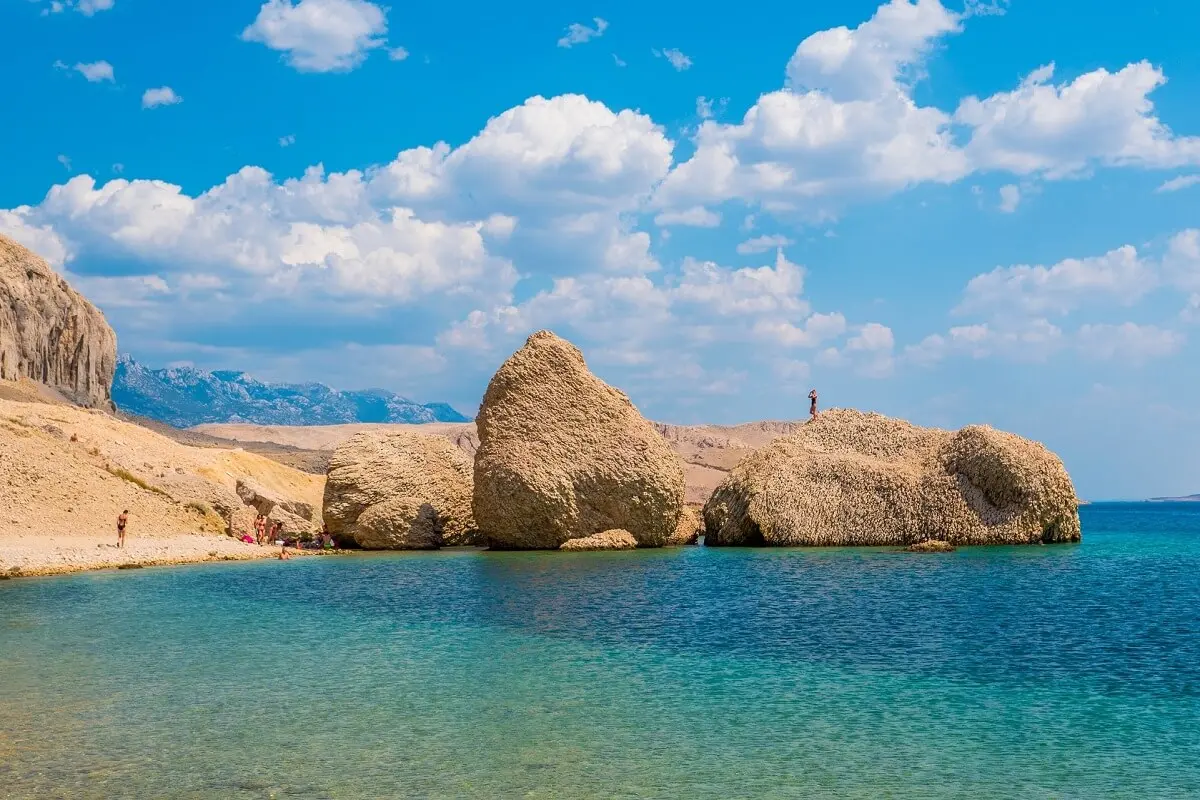
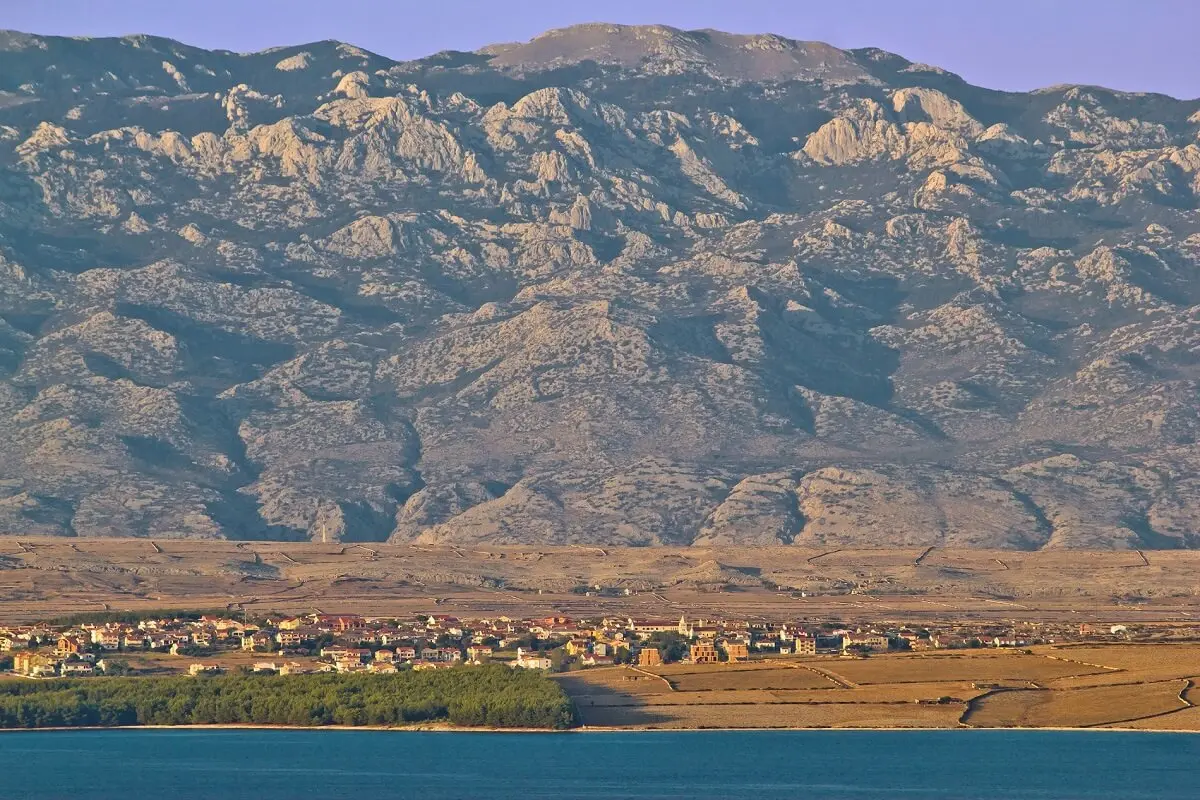
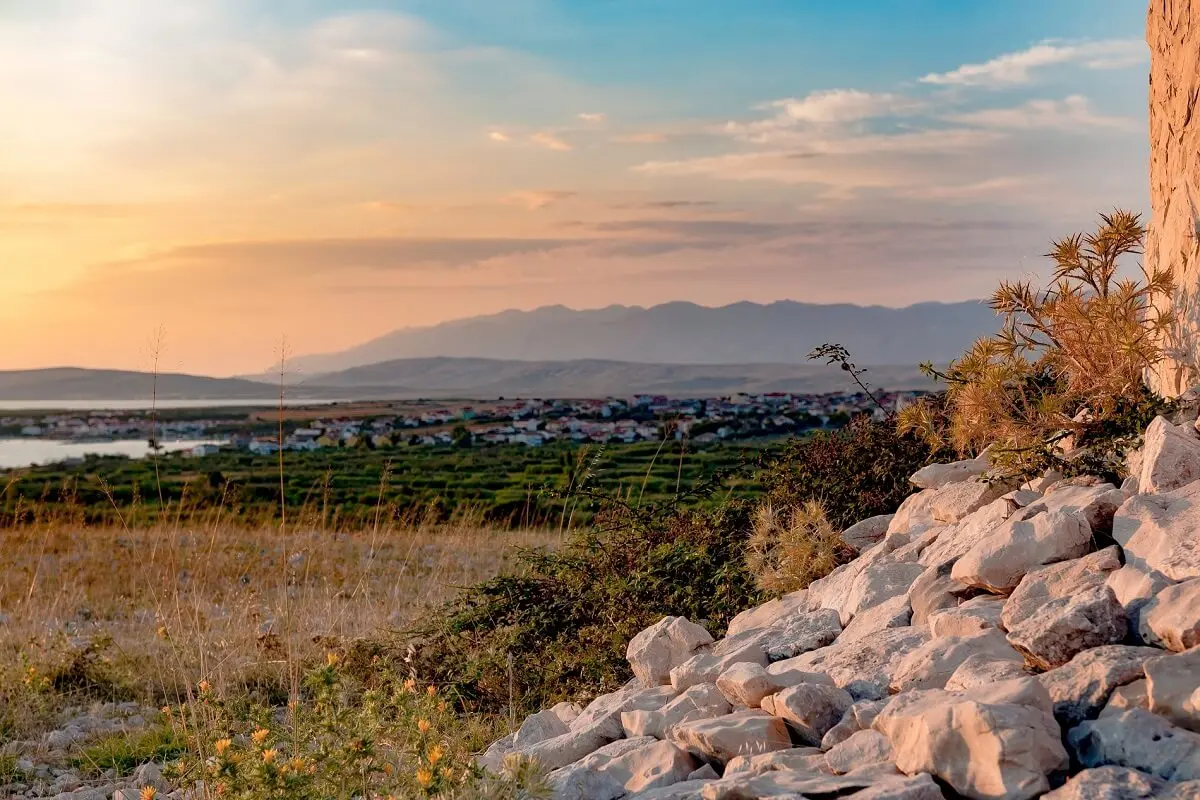
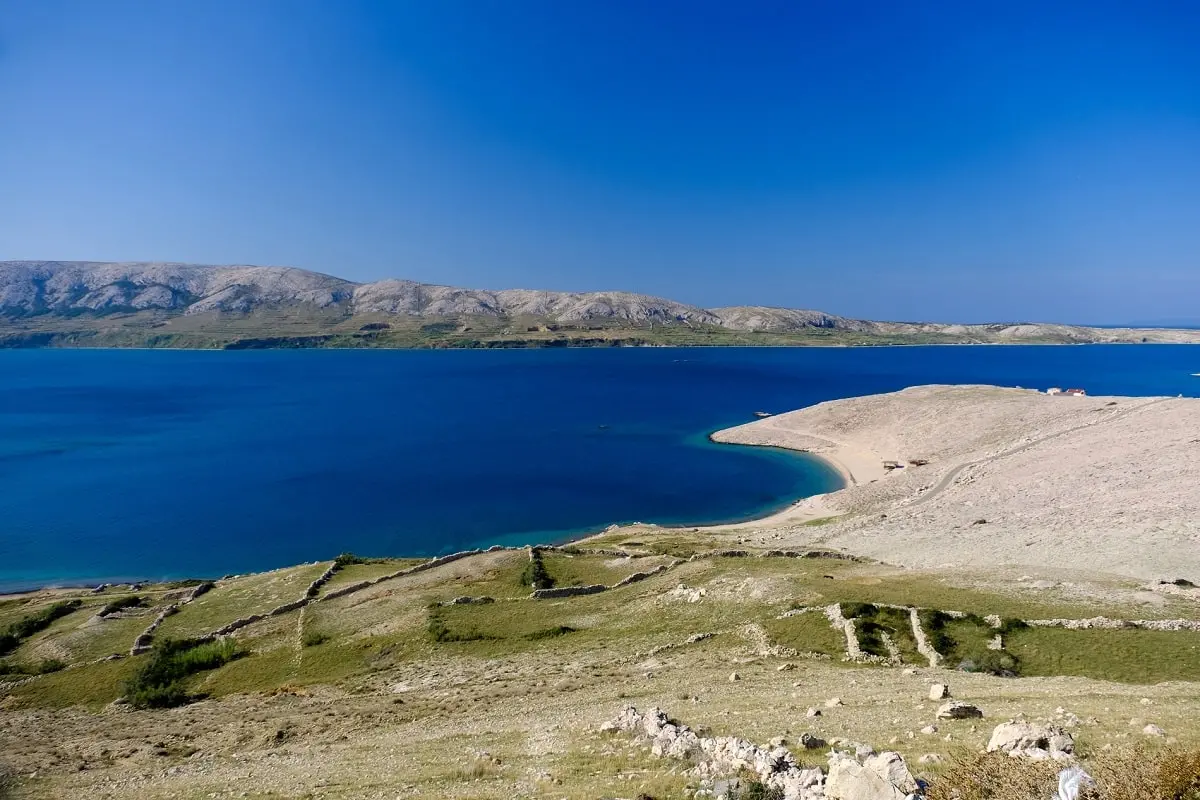
Island of Pag

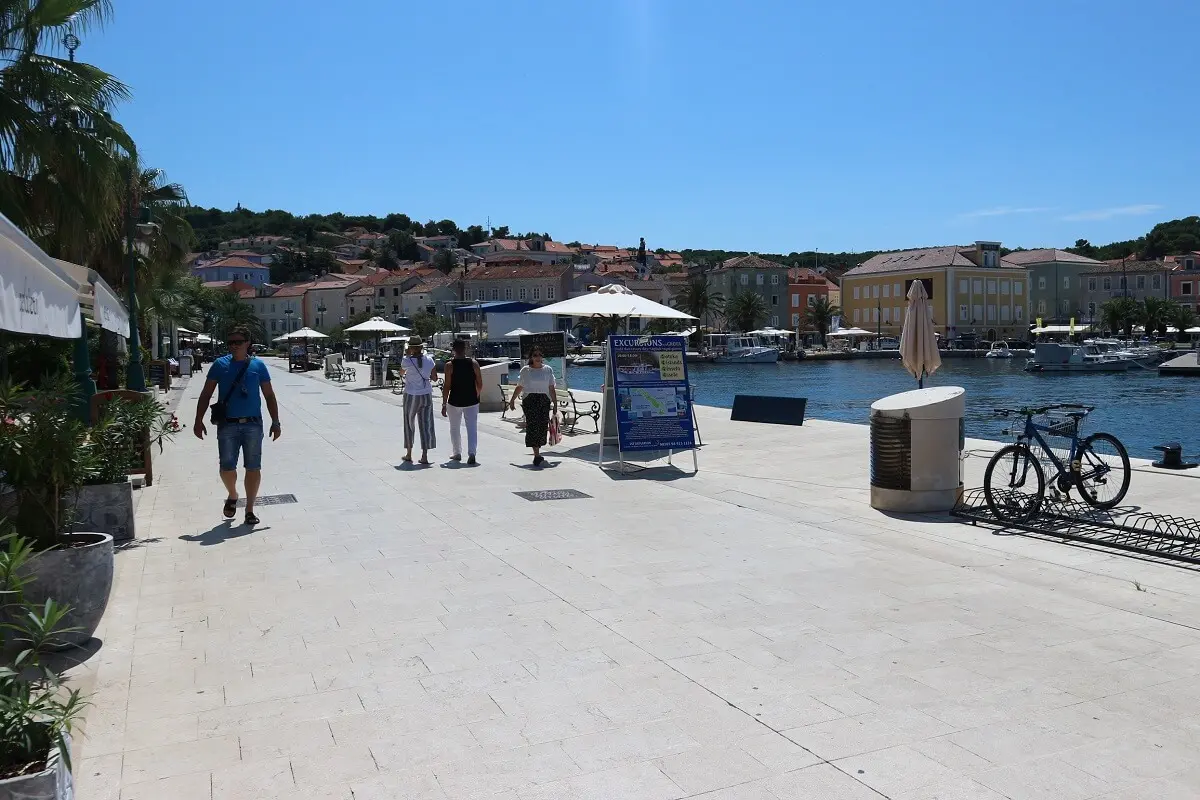
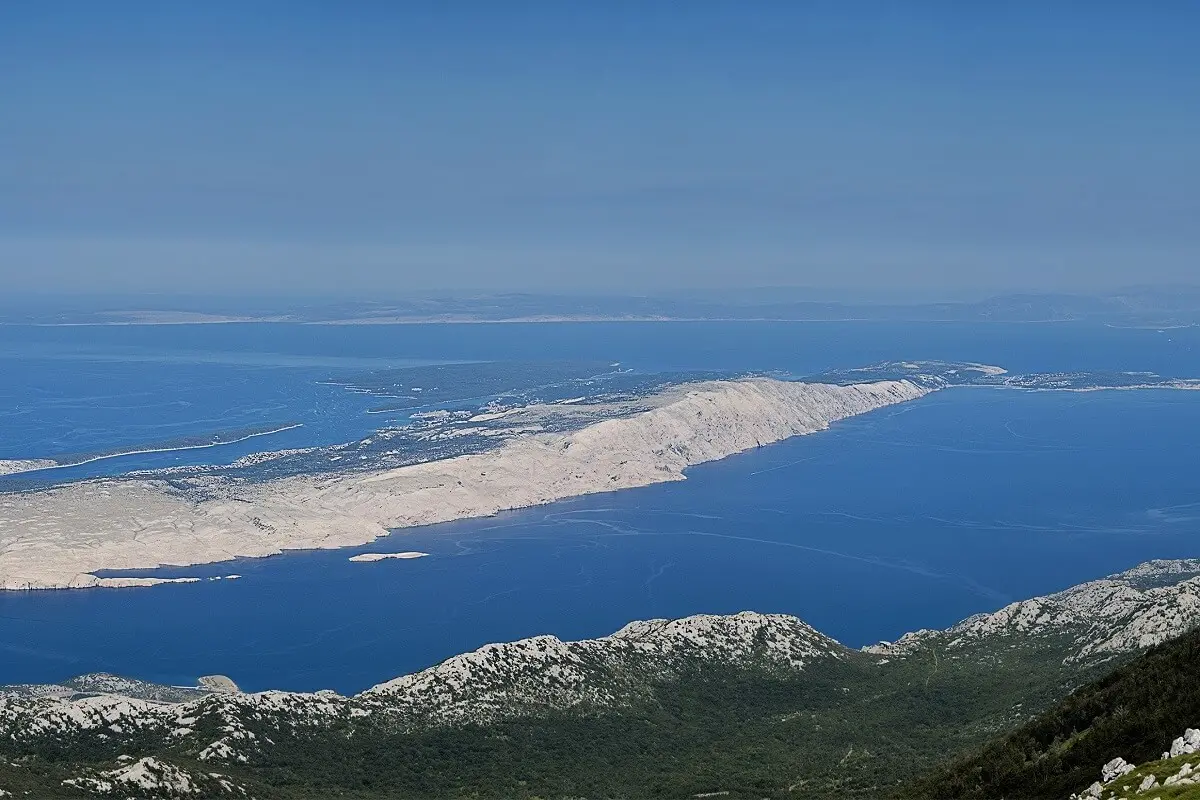
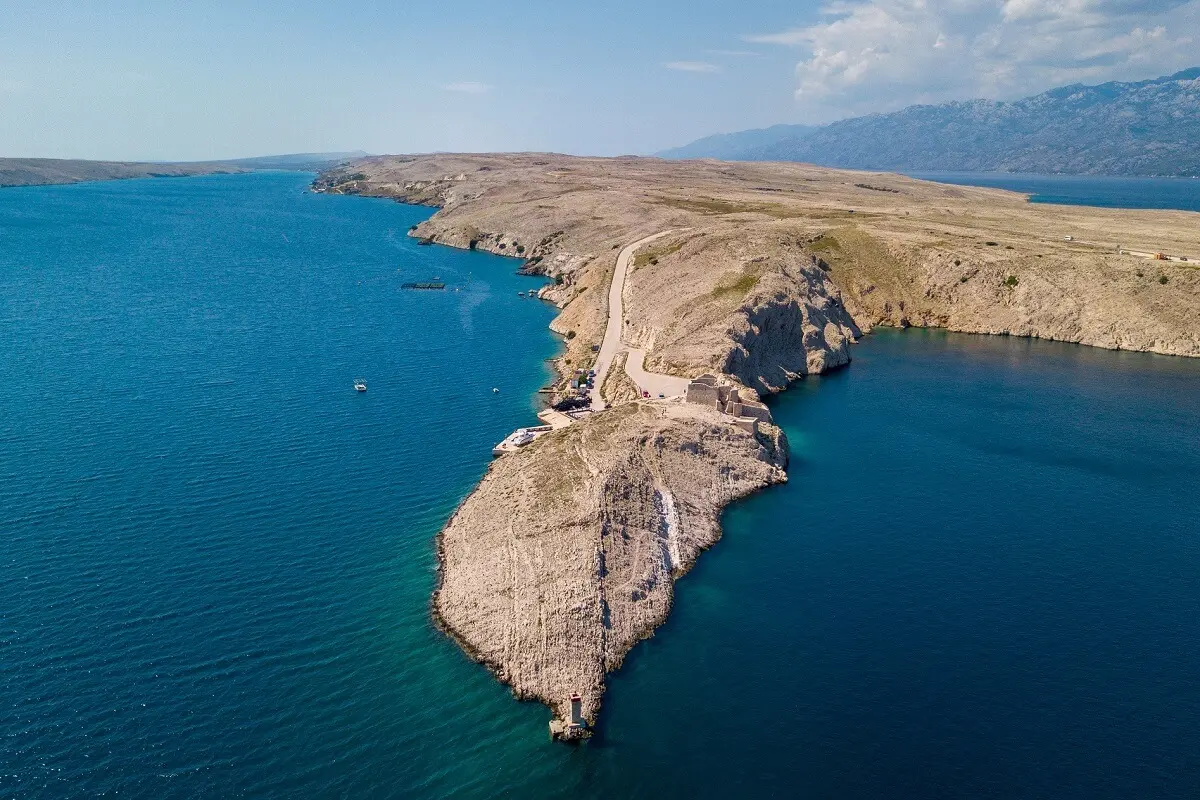
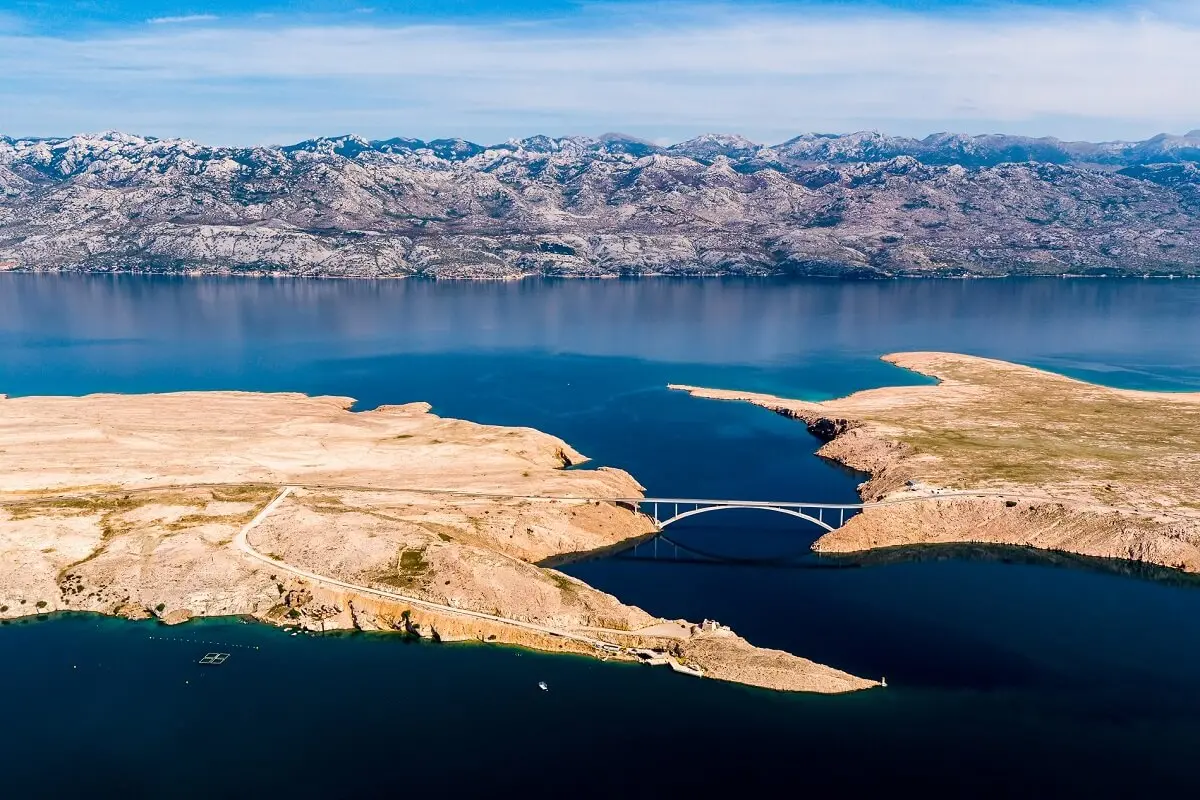
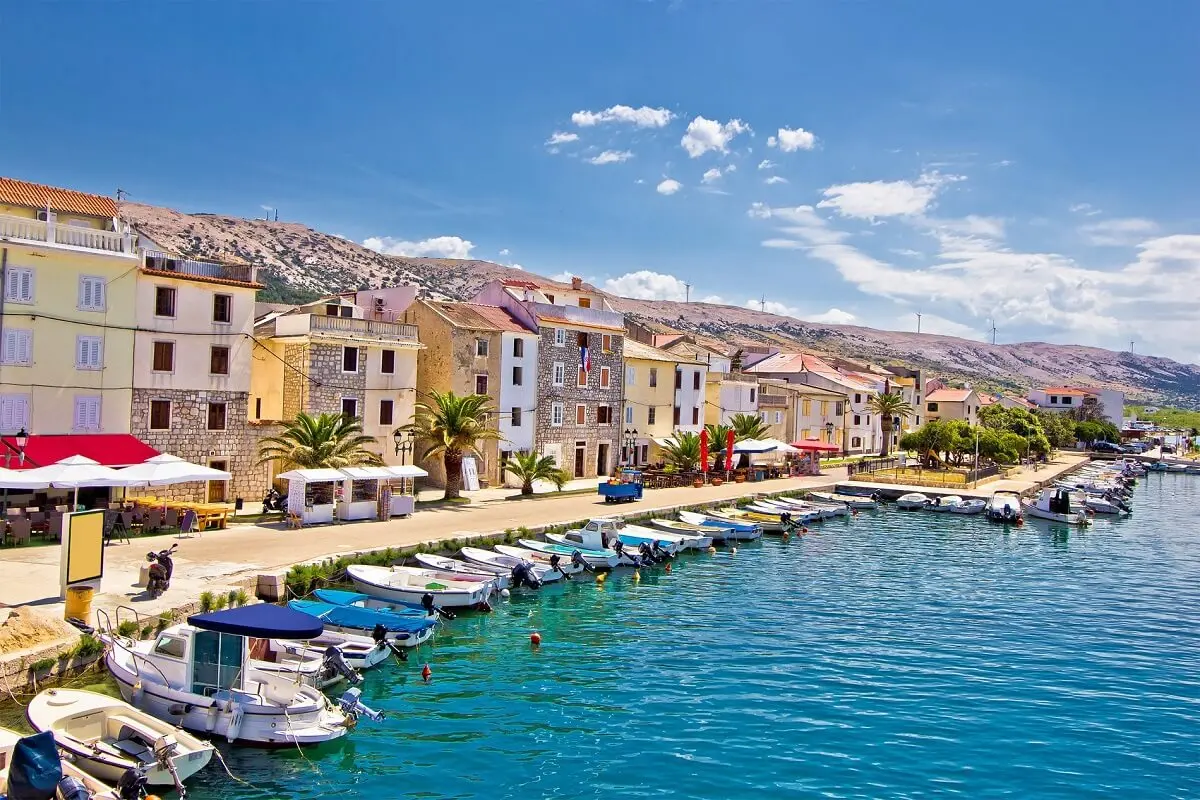
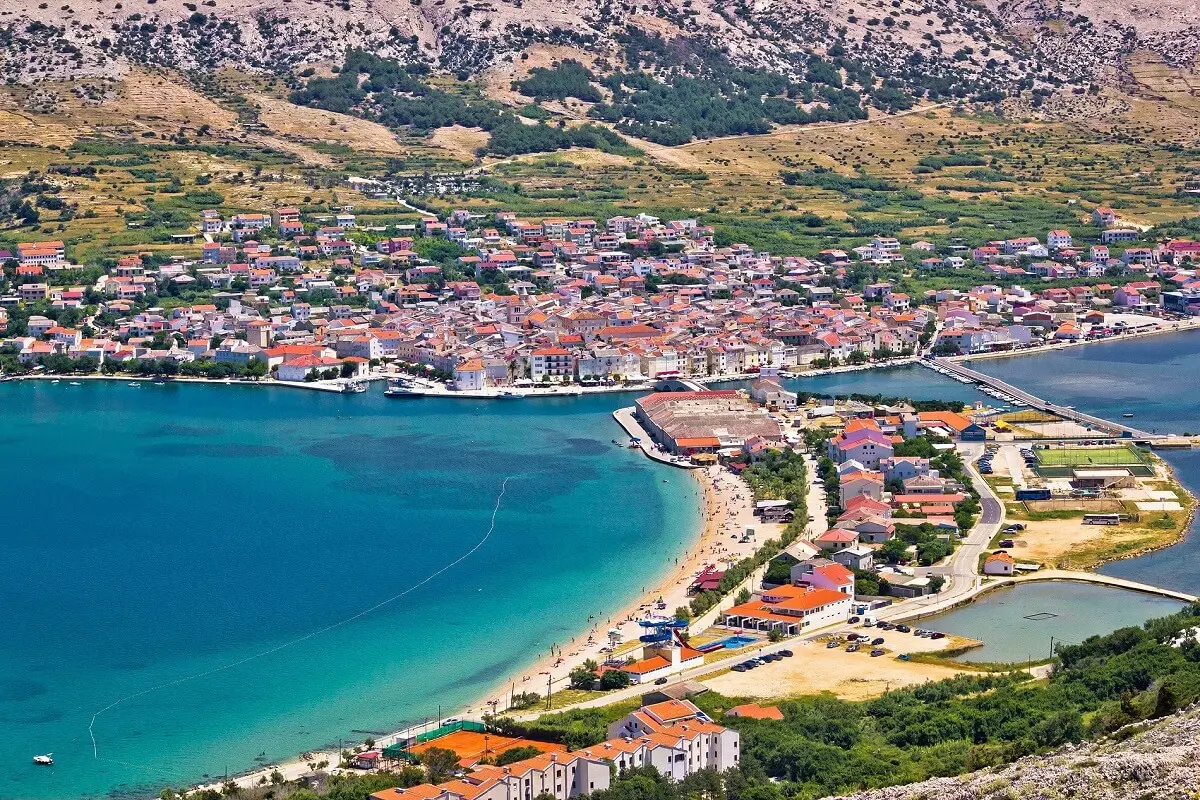
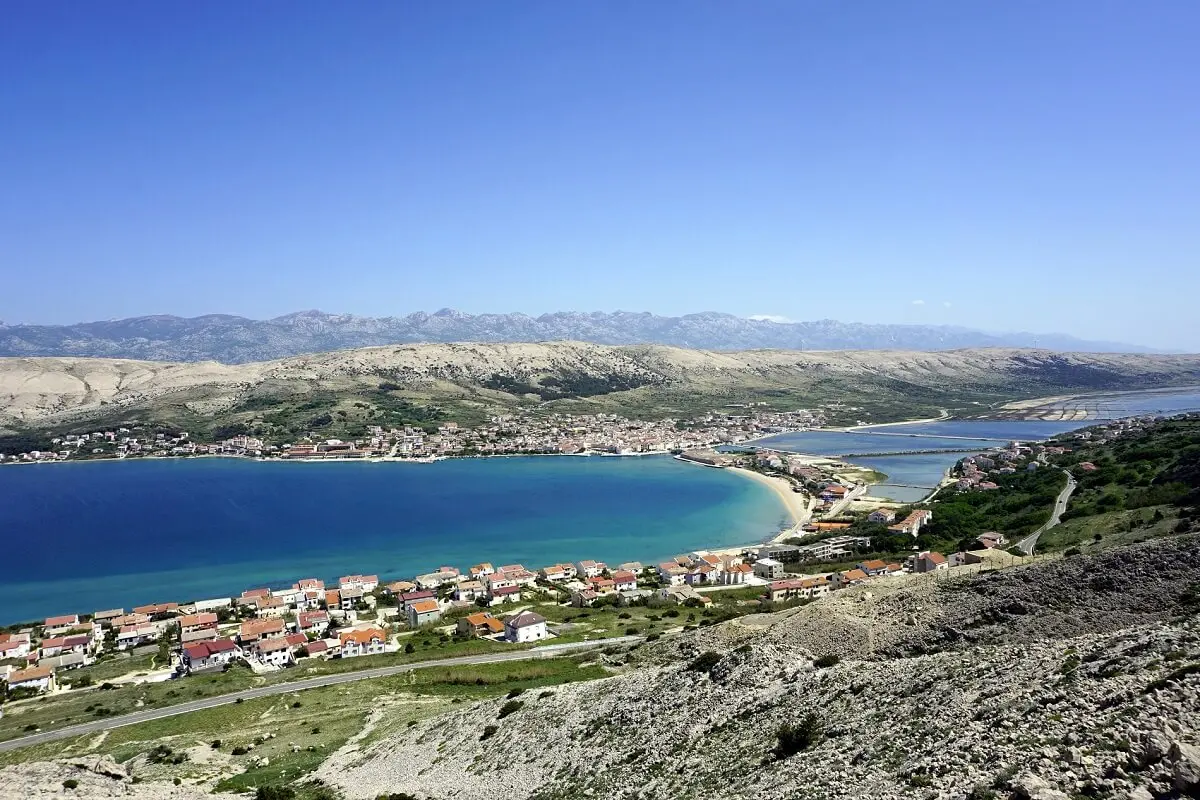
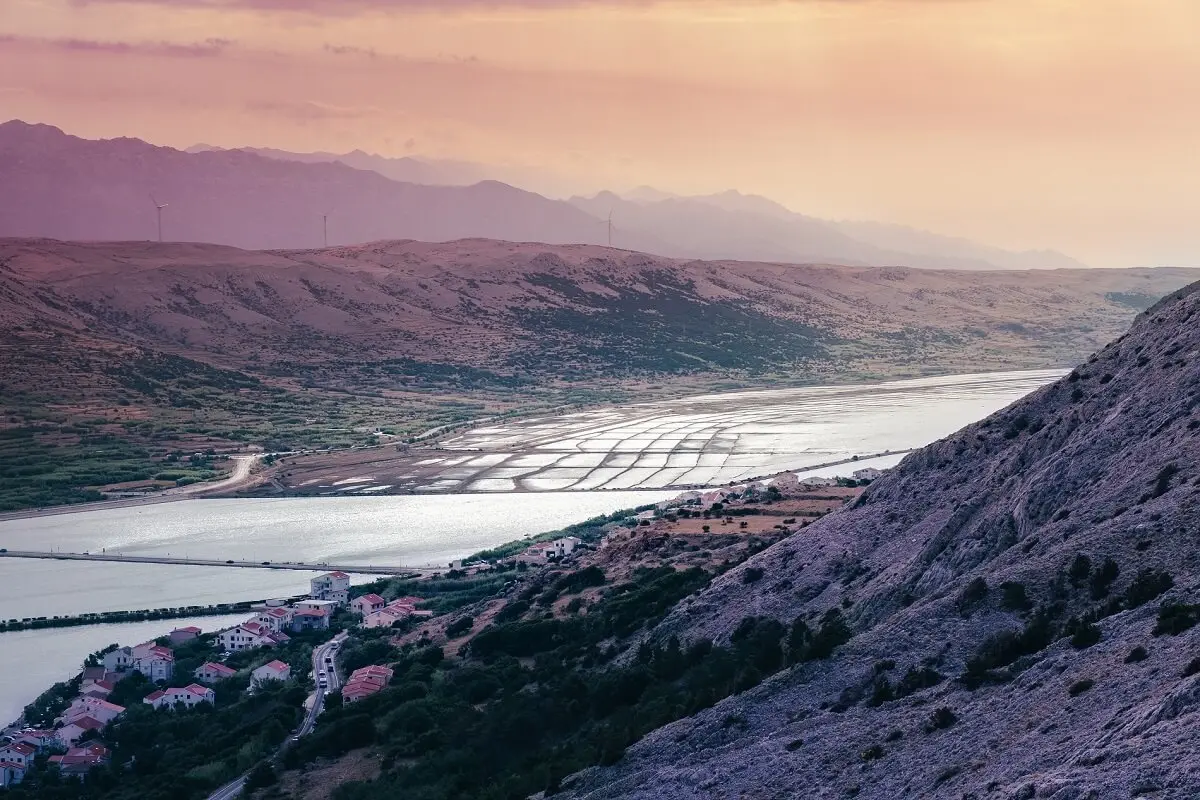
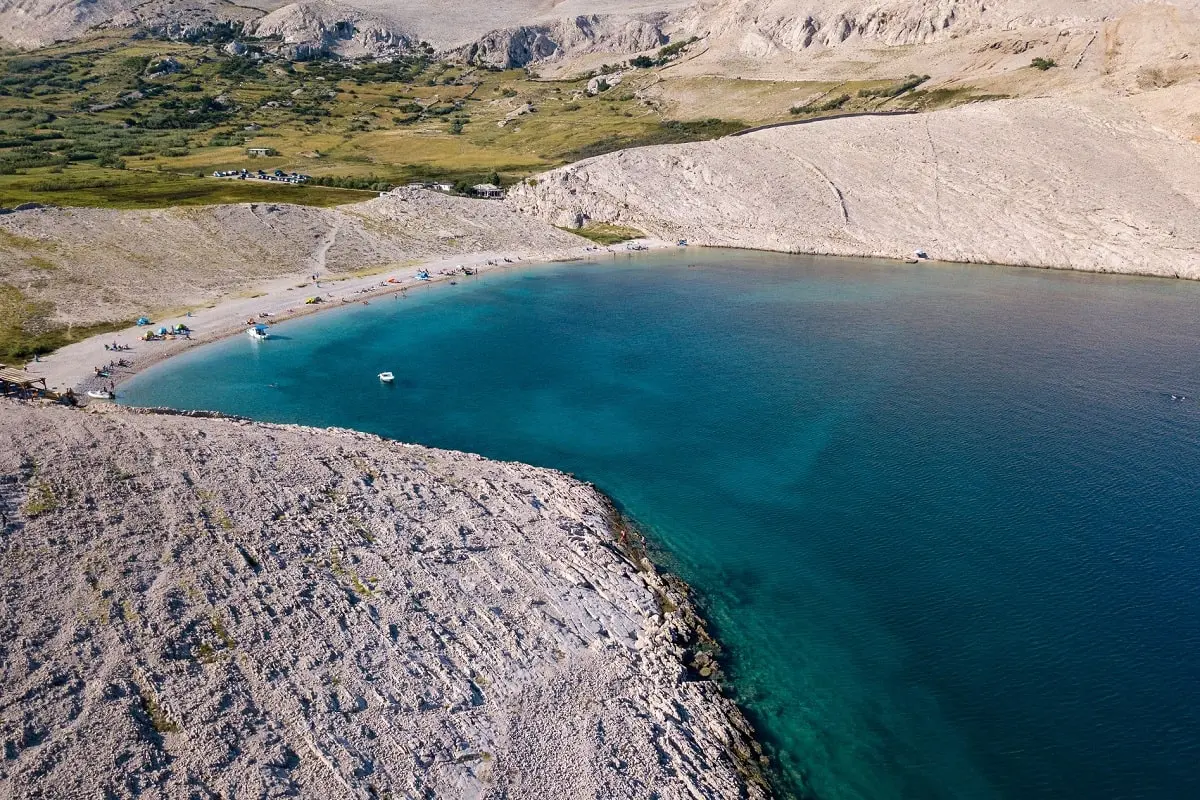
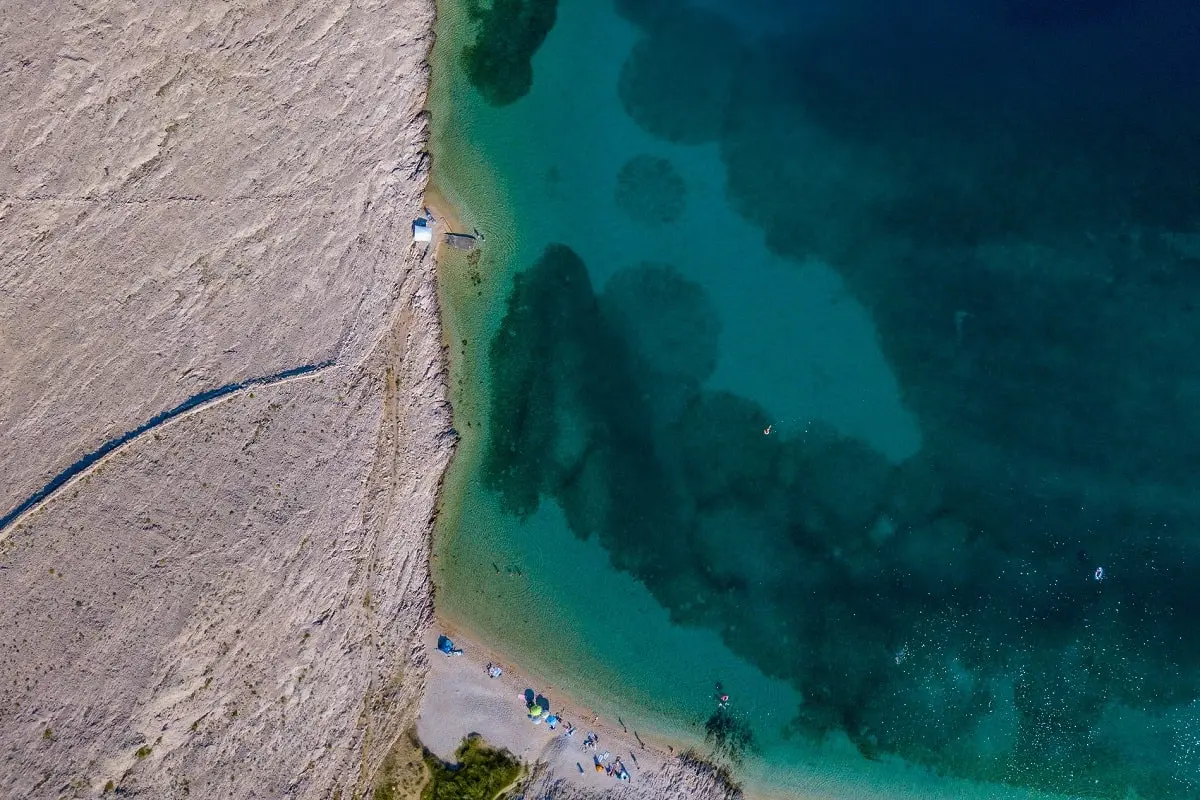
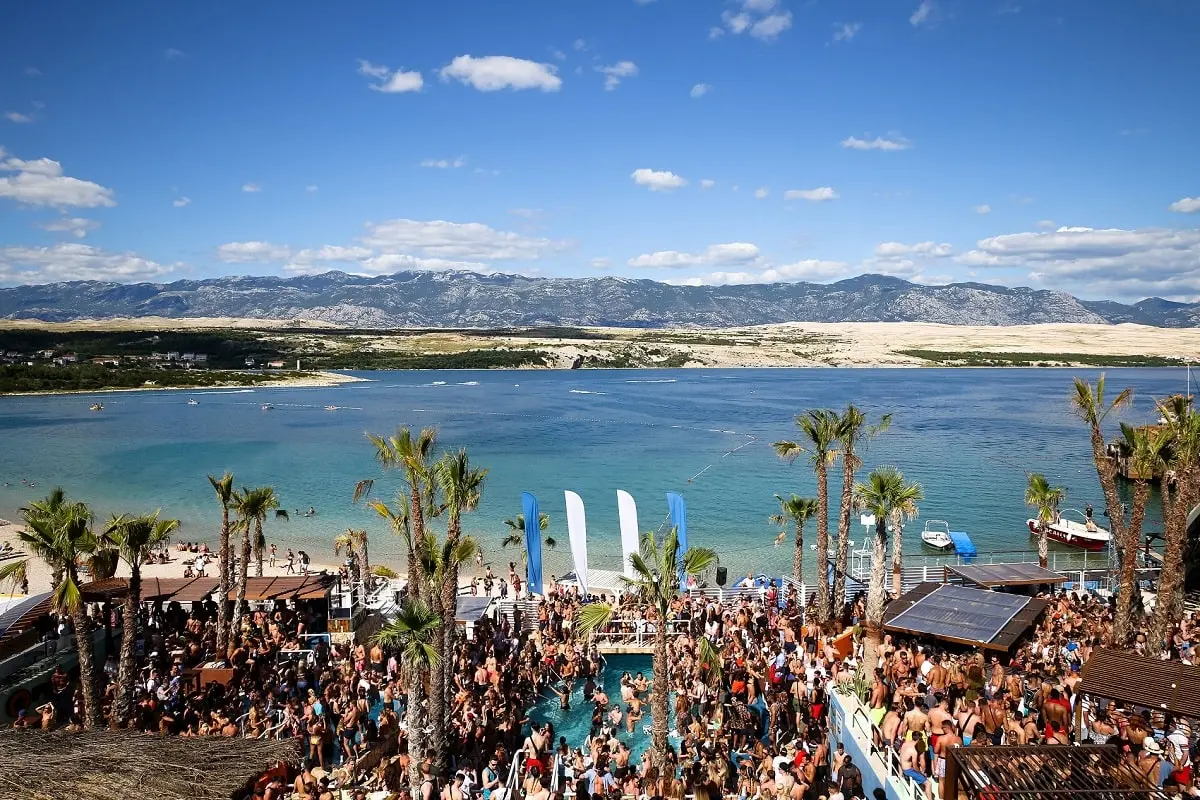
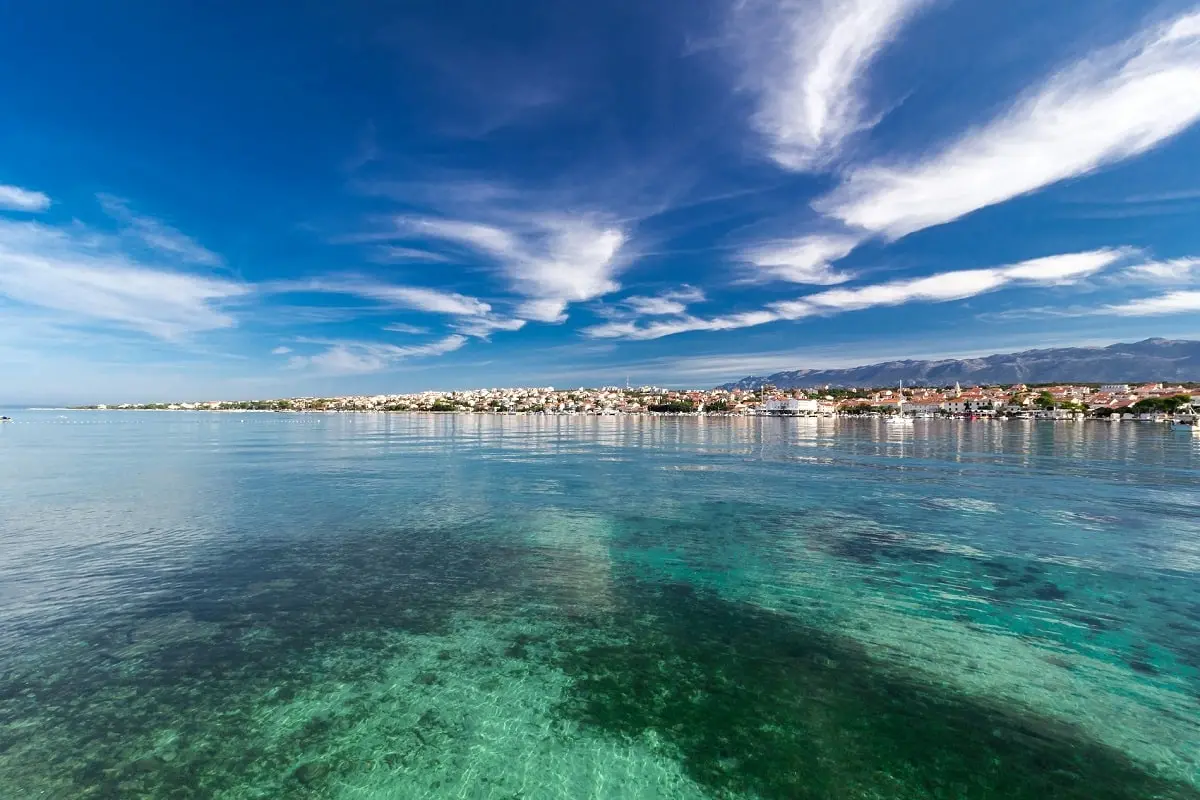
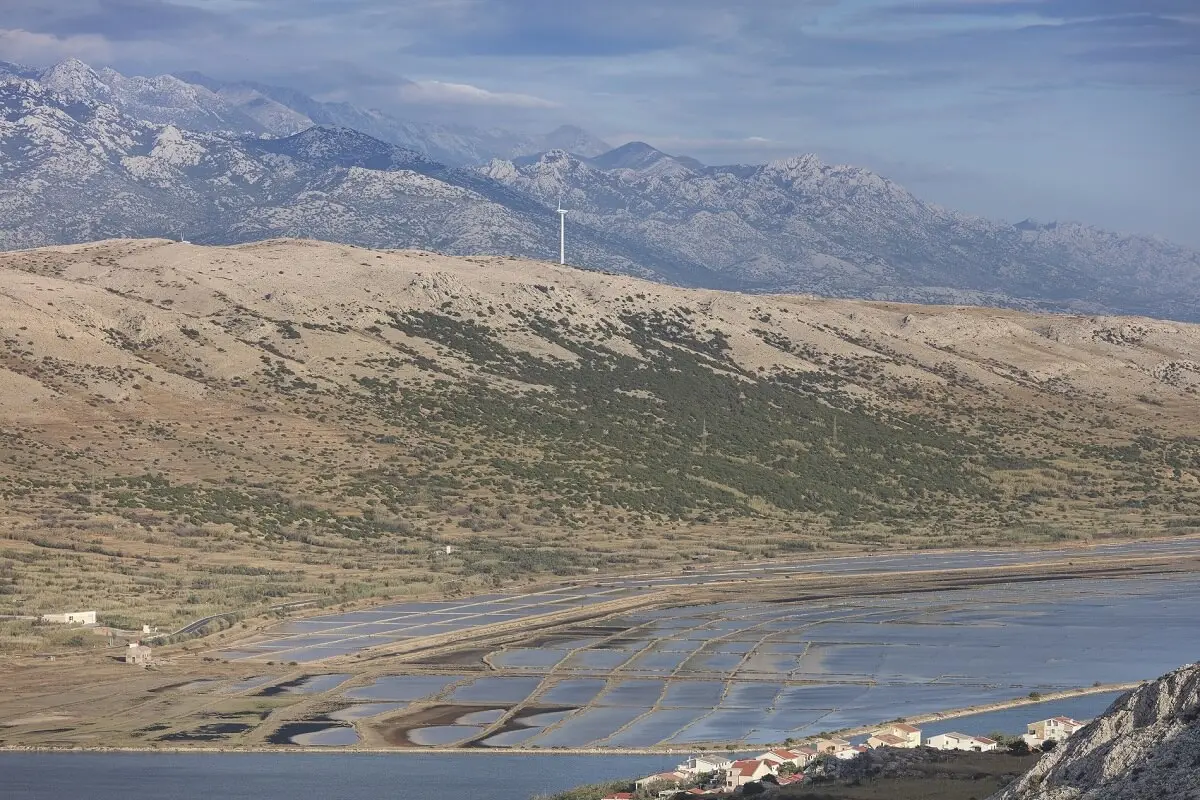
The island of Pag is one of the biggest islands in Croatia, surrounded by islands Rab, Vir, and Olib. At first glance, Pag looks rugged and rocky so it is often called Moon island or rocky island, but it has much more to offer. Many beaches, coves, spectacular sceneries, drywalls (“suhozid”), and other natural beauties but also world-renowned party beach Zrće often called Croatian Ibiza make Pag one of the most attractive and most visited islands in Croatia. The island does not have too much vegetation, especially on the east part of the island, however, it is rich with grass which makes it ideal for sheep breeding. Pag has a surface of 287 km2 while its coast is more than 270 km long. The highest point of the island is 348 m high peak, Saint Vid. Pag was inhabited since the Neolithic while the oldest known name of the island was Kissa. During the Roman era, Pag was covered by greenery and was often called the golden island. Nowadays, less than 5% of the total surface is covered by forest, while pastures cover around 85% of the total surface. Today around 8,400 people live on Pag. Top landmarks and attractions on the island of Pag are Roman aqueduct, museum of salt, Pag lace gallery (famous “čipka” which is on the UNESCO intangible cultural heritage list), main square Kralja Petra Krešimira IV in Pag, and the ornithological reserve Velo Blato where you can observe rare birds. Pag is also known for delicious food from which stand out Pag lamb and Pag cheese. For sure the most famous beach on the island of Pag is a party beach Zrće, famous for all day and all night long parties with guests from all over the world. But on Pag, there are other beautiful beaches worth exploring - pebble Ručica beach in Metajna, Čista beach in Kolan, Straško beach near camp Straško, Gajac beach close to Novalja, and Caska beach near Zrće. Lokunja beach is famous for healing mud that is good for therapeutic purposes. The island can be reached by the 340 m long Pag bridge from the south side, or by a ferry line Žigljen - Prizna. For staying and spending a vacation on this beautiful island, we recommend staying in affordable private accommodation in apartments, rooms, or holiday homes.

Destinations
15

Accommodation objects
174

Island of Pag

Island of Brač

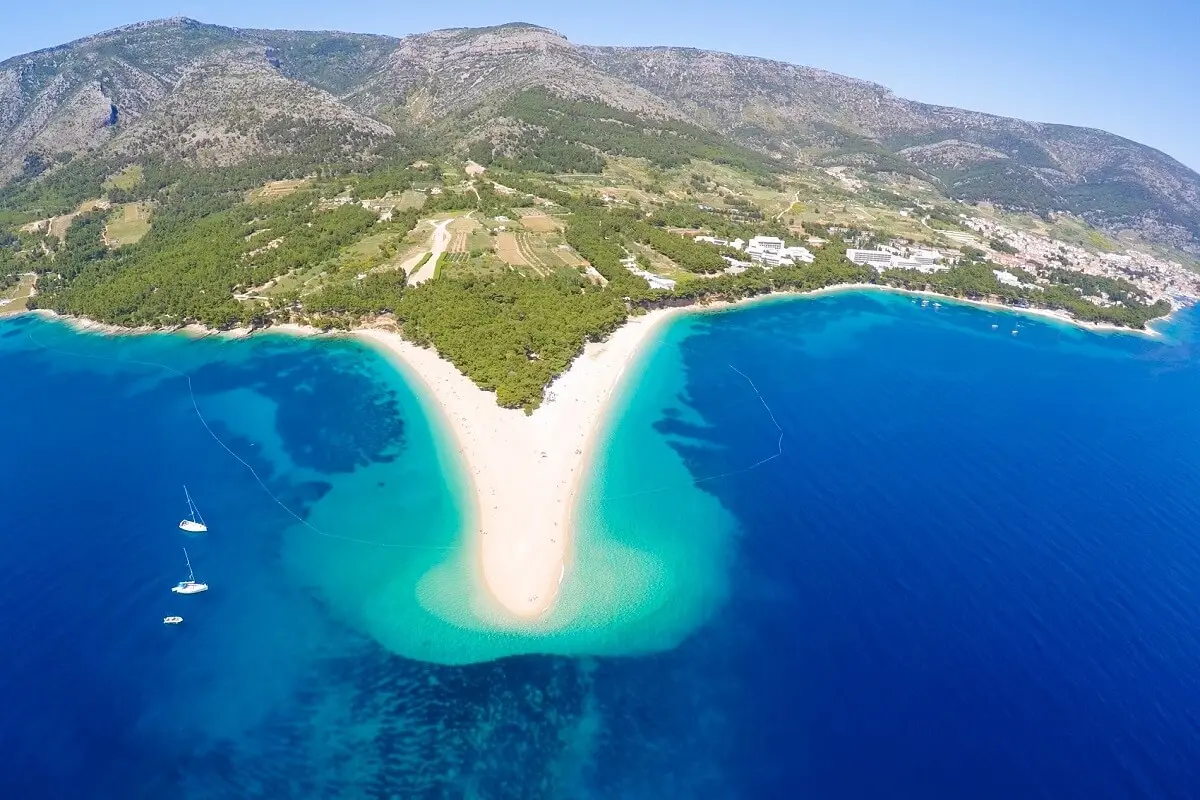
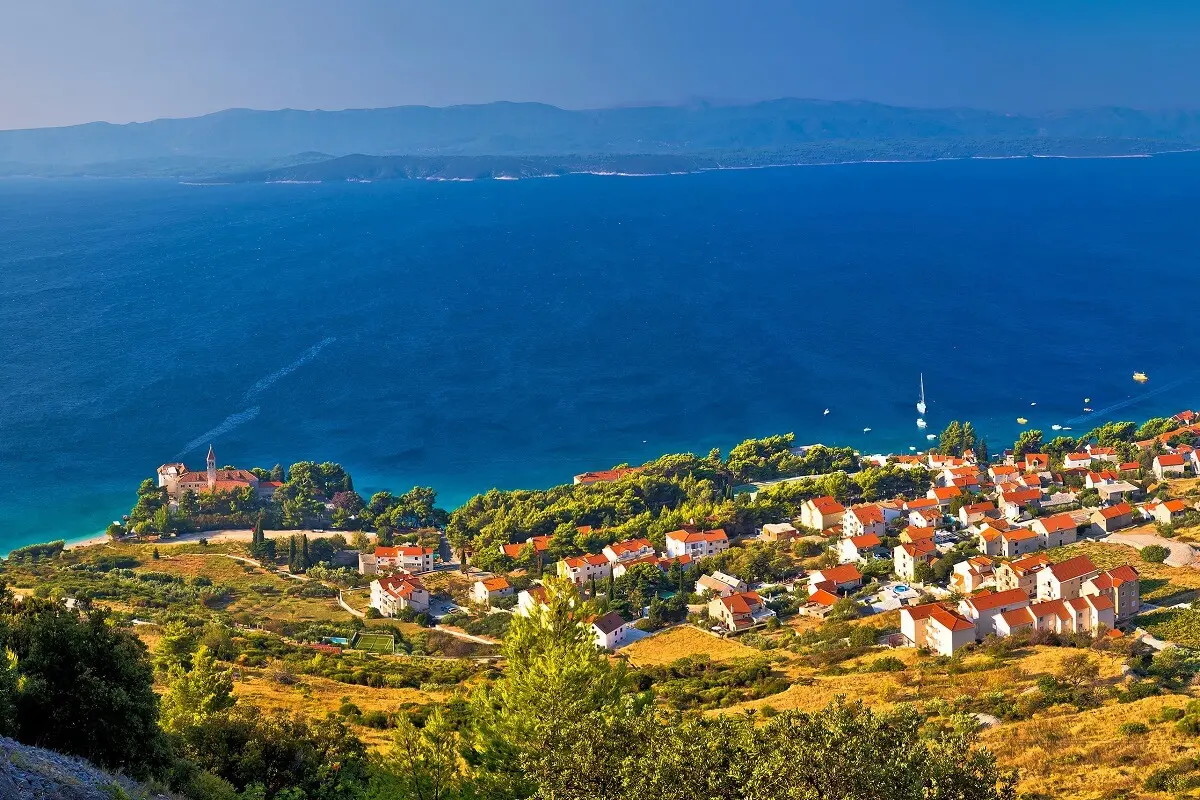
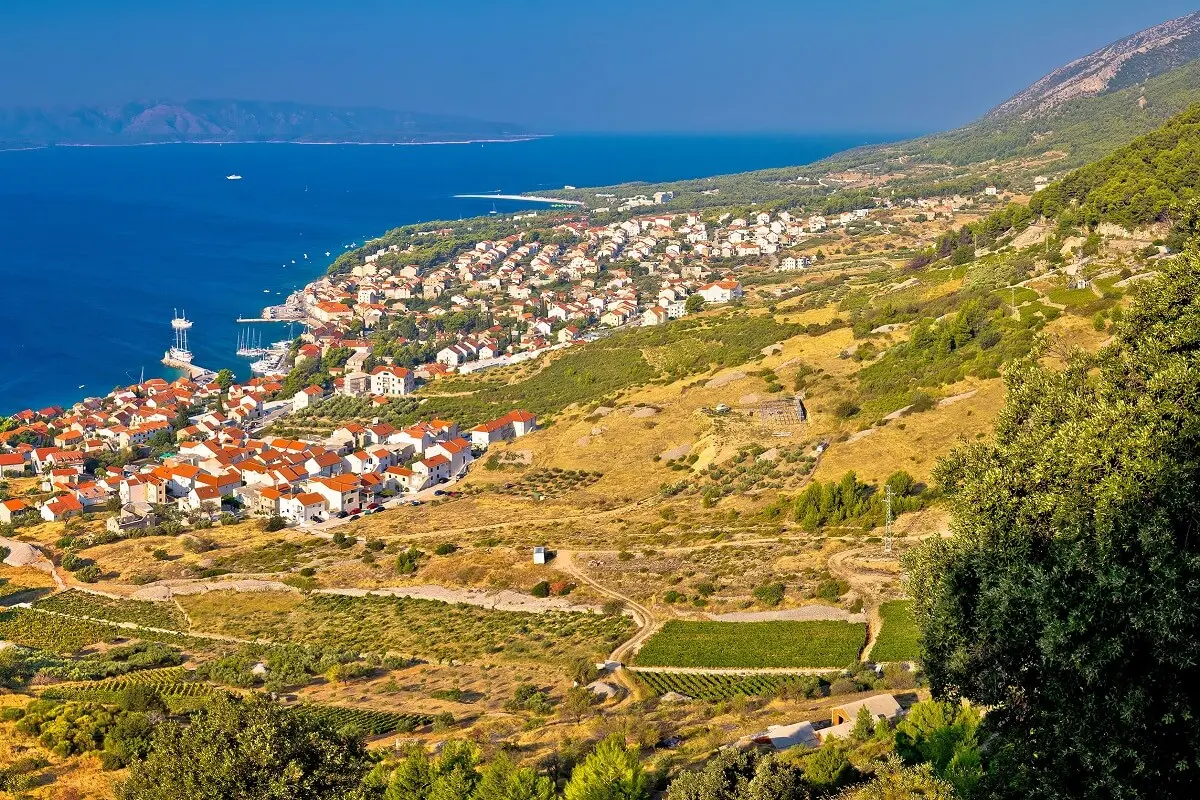
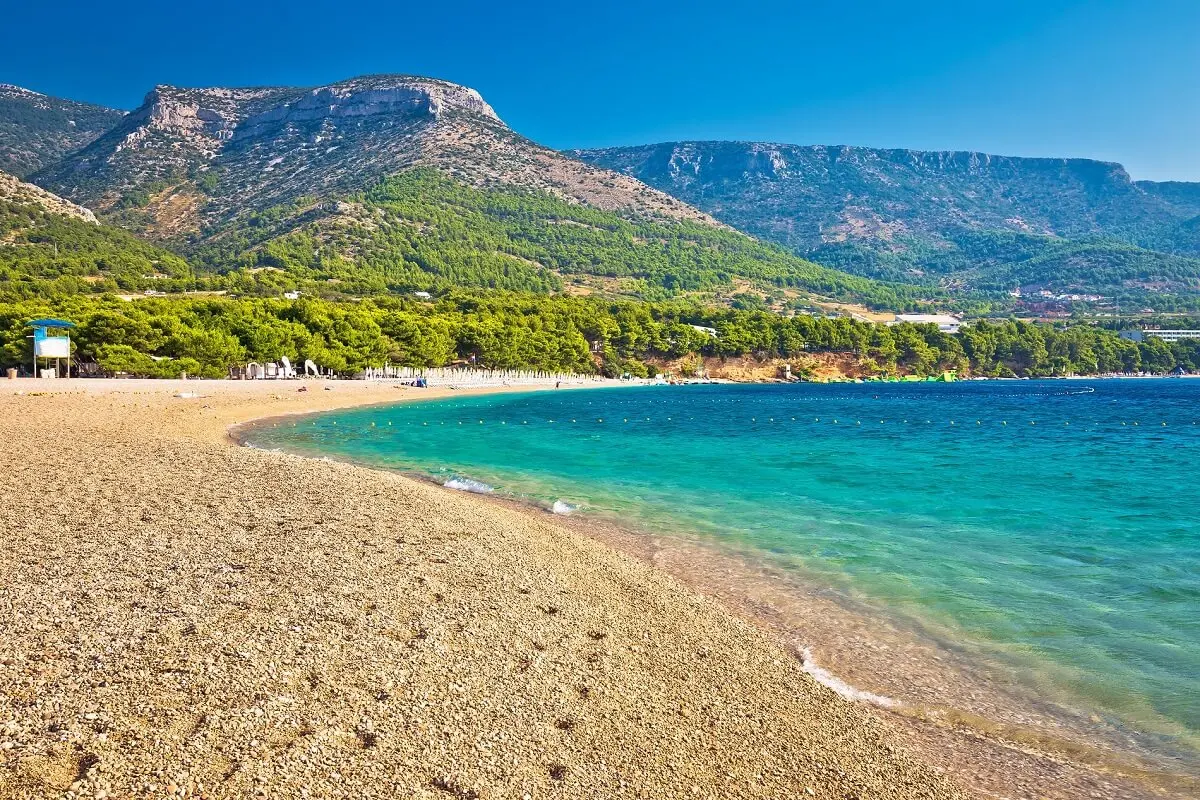
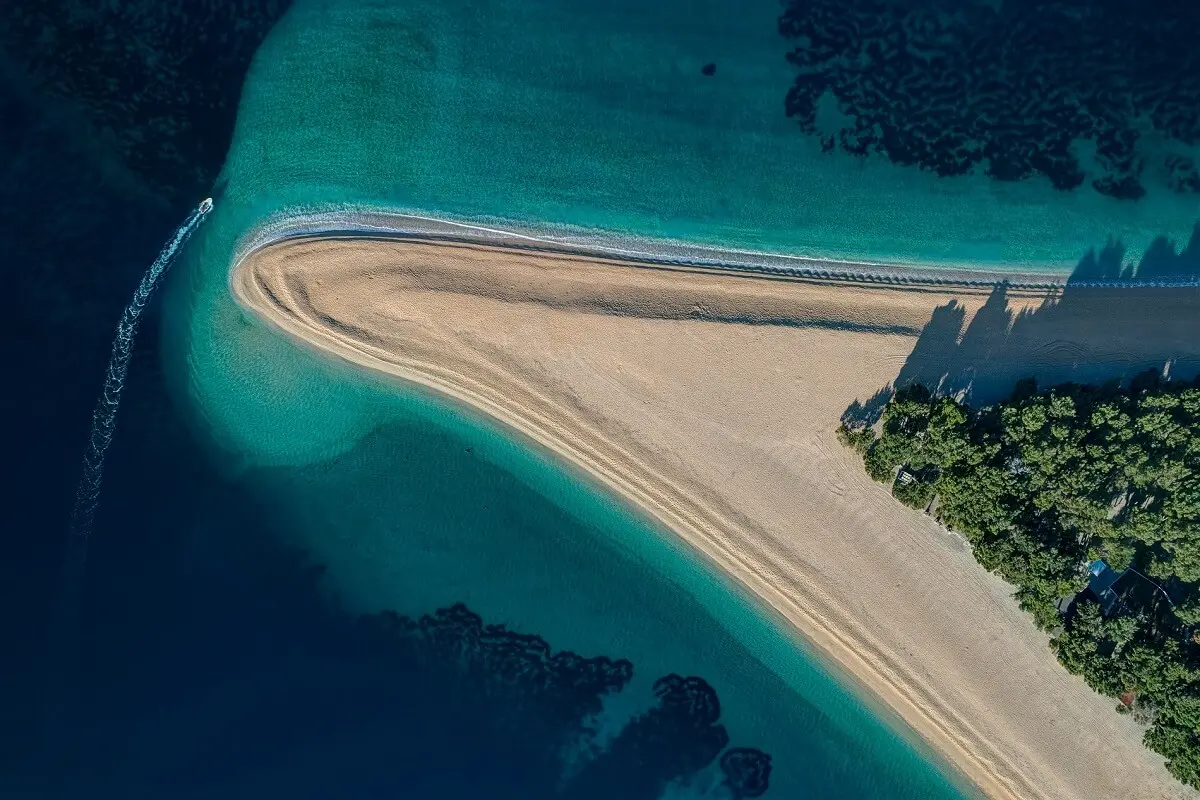
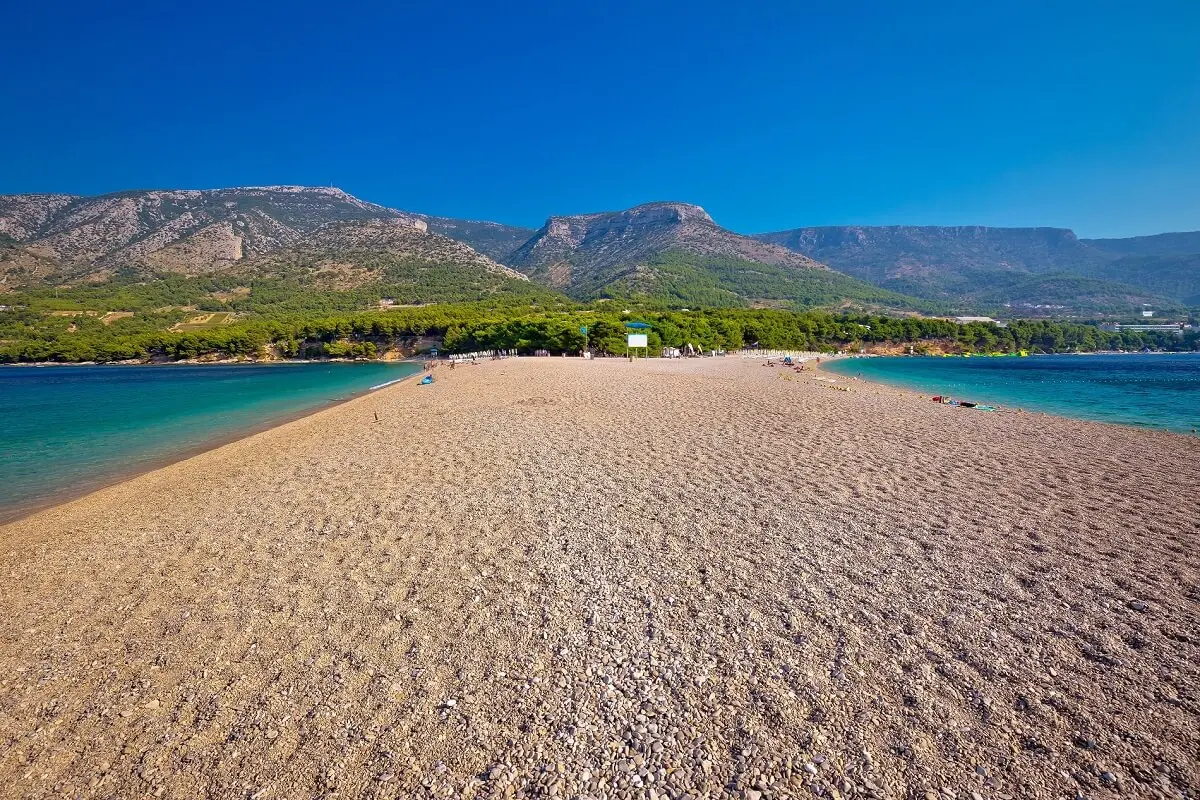
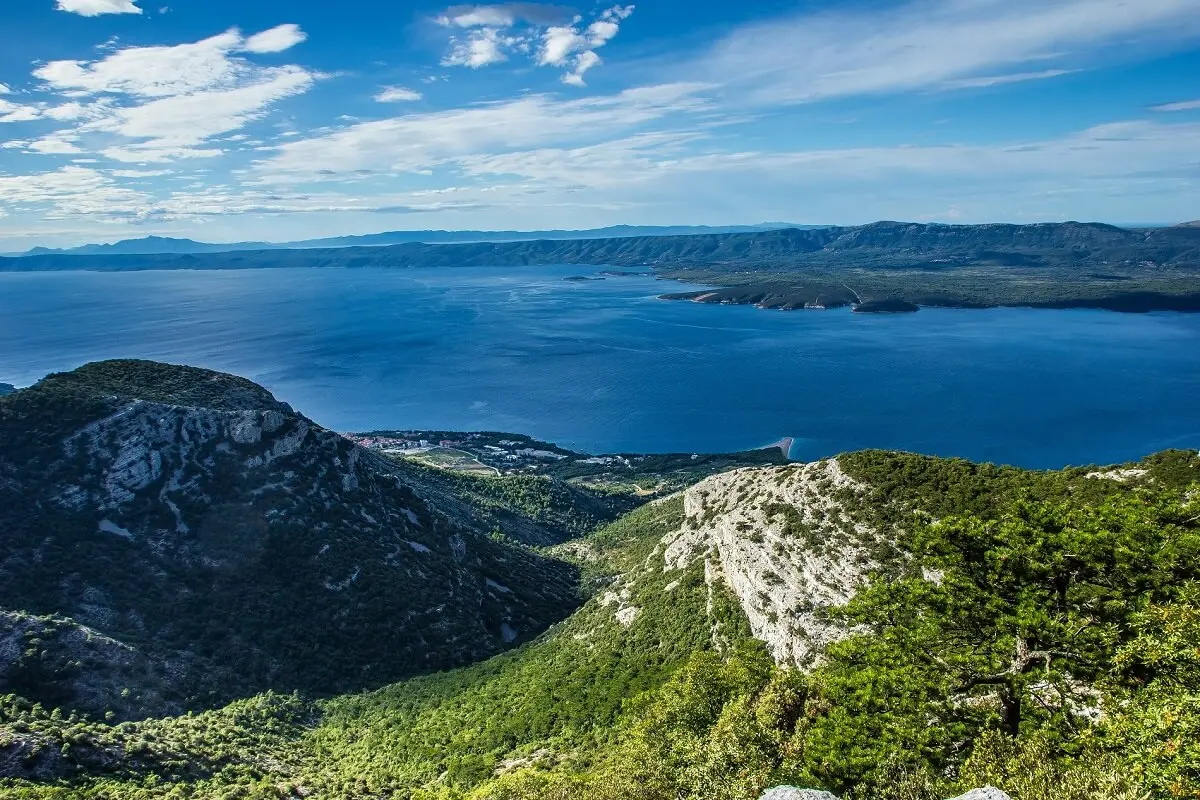
The island of Brač is the largest island of central Dalmatia, and the third-largest island in Croatia (surface of 395 km2). It is surrounded by the Brač channel and the islands of Šolta and Hvar. With many small coves and attractive beaches covered by pine forests and white Brač rocks, it is one of the most beautiful islands in Croatia. However, Brač is probably most known for two reasons - remarkable beach Zlatni rat and Brač stone. Brač was inhabited since the Paleolithic (proofs were found in Kopačina cave). Today the entire island has around 14,400 inhabitants. The island of Brač has many attractive beaches worth visiting. In the first place is pebble beach Zlatni rat near Bol. Zlatni rat is on many lists of the most beautiful beaches in the world, and it is known for its changing shape which depends on sea currents and winds. Zlatni rat is also popular among windsurfers since the Hvar channel (between Brač and Hvar) has ideal wind. Other attractive beaches are sandy beach Lovrečina in Postira, Bili rat beach in Supetar, sandy cove Vela Luka in Supetar, pebble beach Murvica, Kotlina, Bijela kuća and Potočine near Bol. There are many reasons why to visit Brač. On the highest point Vidova Gora (778 m high is the highest peak of all Croatian islands) there is an impressive viewpoint over the island of Hvar, beach Zlatni rat, and surrounding islands. Interesting tourist attractions include the Blaca monastery built in the 16th century, the Museum of the island of Brač, Zlatni rat beach, Supetar bay, Dominican monastery in Bol, local wines, and gastronomy. Because of its quality, the Brač stone was used in the construction of many buildings including the Diocletian palace in Split, the entrance hall of the United Nations building, even for construction of the White House in Washington (although this has not been officially confirmed). Brač has its own airport, however, it does not have frequent lines. There are frequent ferry lines from Split (Split - Supetar) and Makarska (Makarska - Sumartin) as well as catamaran lines from Split (Split - Brač - Hvar). To find an ideal apartment, holiday home, villa, or room on Brač, contact directly hosts via web portal Laganini.com.

Destinations
8

Accommodation objects
96

Island of Brač

Island of Vir

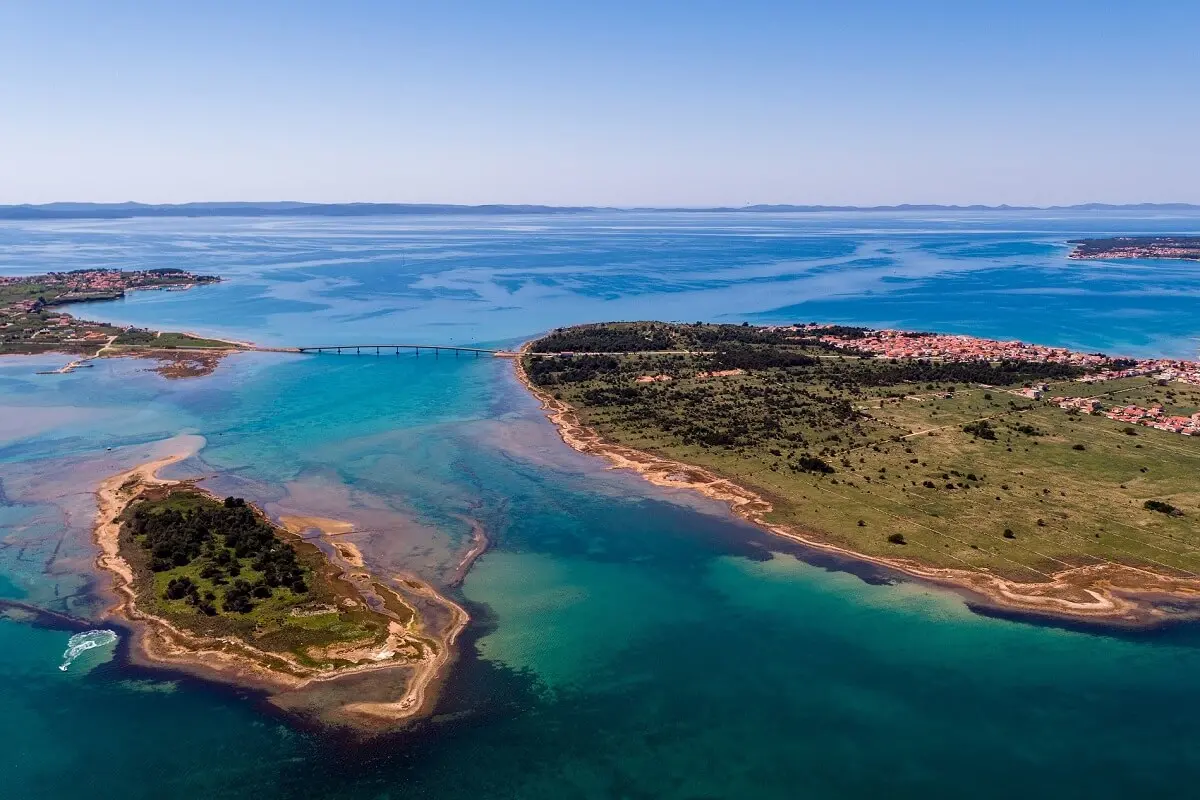
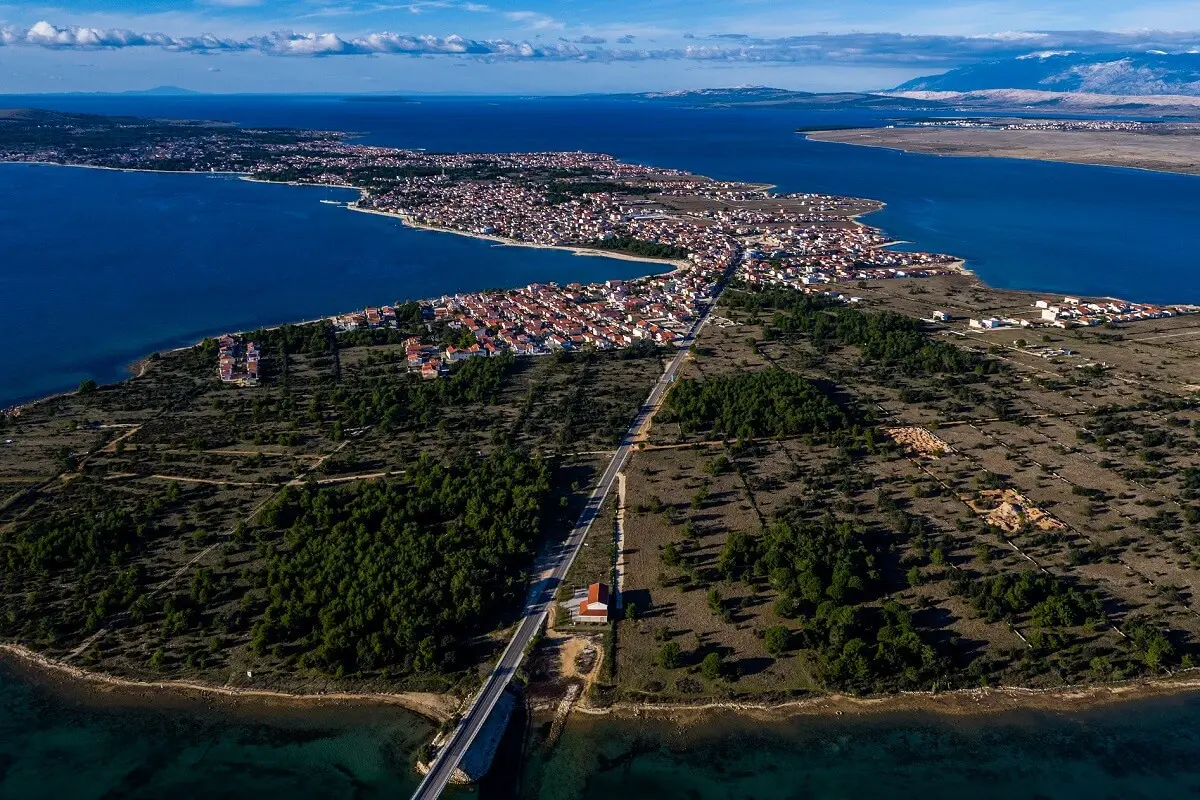
Vir is one of the most visited islands in the Adriatic. Island Vir is located in North Dalmatia, 25 km from the city of Zadar. The total area of the island is 22 km2 and it is connected to the mainland with the Vir bridge what makes it more accessible (it was constructed in 1976). The administrative center of the island is the town of Vir, but there are other smaller settlements (Lozice and Torovi). Although it has been inhabited since ancient times, the island of Vir was first mentioned in the 11th century by king Petar Krešimir IV. Today Vir has almost 5,000 permanent residents and it is one of few islands in Croatia with a continuous increase in the population. Many visitors visit the island of Vir because of its numerous beaches and bays, pleasant climate, and great macro location. Top beaches are main beach Jadro, Kozjak beach, Duboka Draga beach, Virić beach, Lučica beach, Pedinka bay, Biskupljača beach, and Miljkovica beach. The main attractions of the island of Vir are Kaštelina - a Venetian fortress from the 16th century and the lighthouse of Vir that was constructed in 1881. For nature lovers, we recommend visiting the small island of Školjić with an attractive pebble beach and Barbinjak - the highest point of the island (116 meters high). Also, we recommend enjoying sailing, surfing, renting scooters, different water sports activities, hiking, and biking trails. Close to Vir are two cultural pearls - the city of Zadar with numerous historical monuments and the ancient town of Nin. For lovers of nature and active vacations, close by is Velebit mountain (National park Paklenica), and the river Zrmanja. Vir is very accessible especially since it is connected with the mainland with the bridge. Since the majority of accommodation on the island is provided by private renters, the best accommodation on Vir can be found in private apartments, family houses, rooms, villas, and holiday homes.

Destinations
1

Accommodation objects
77

Island of Vir

Island of Prvić

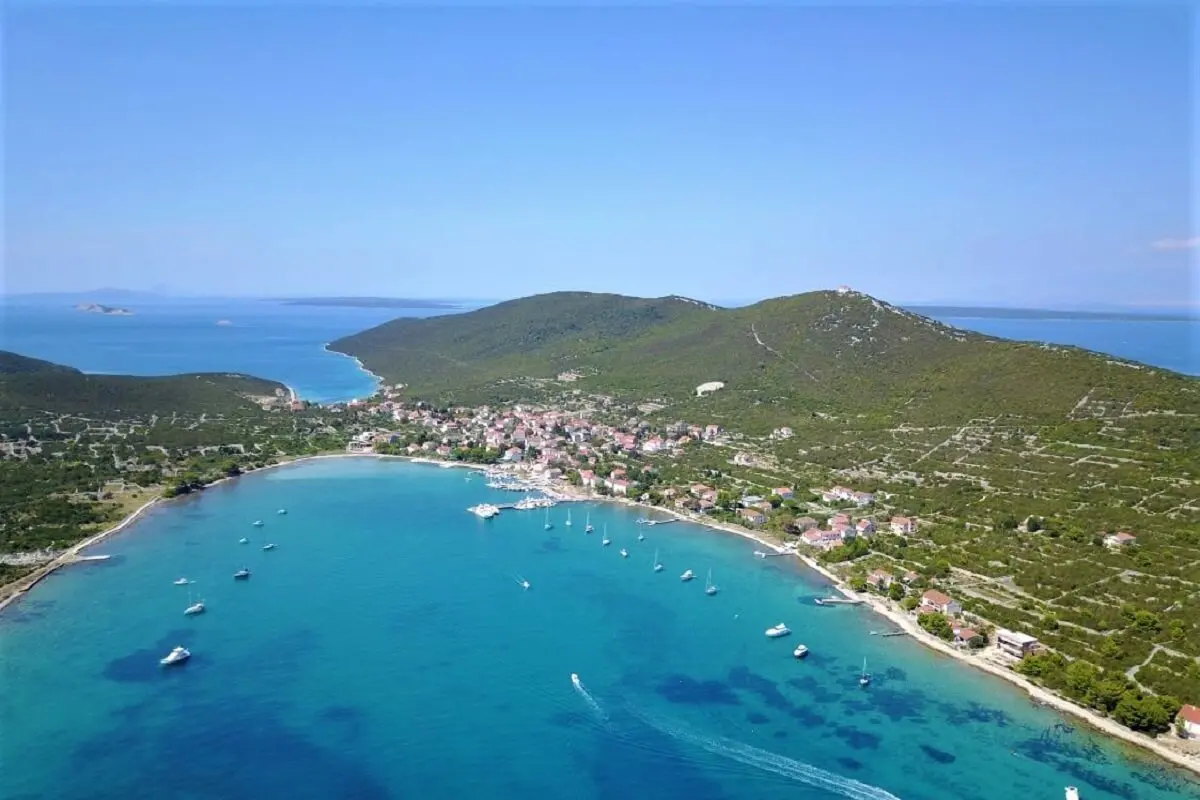
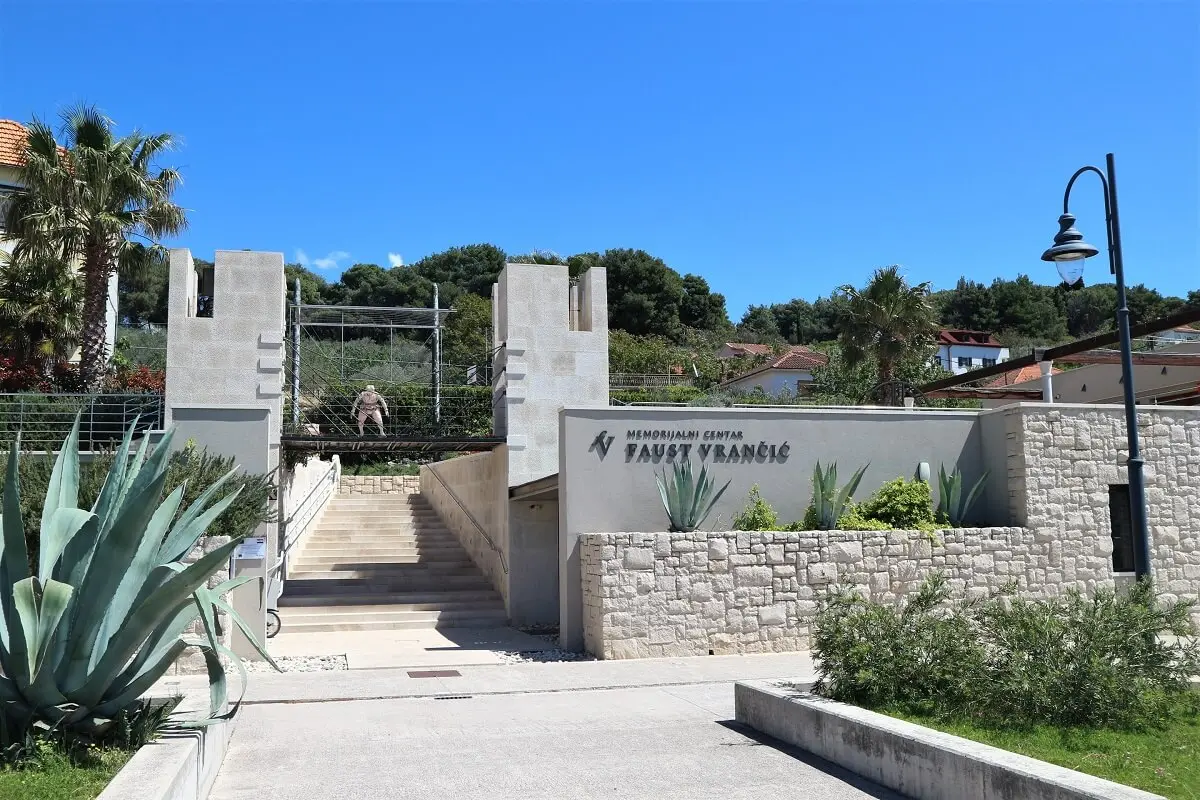
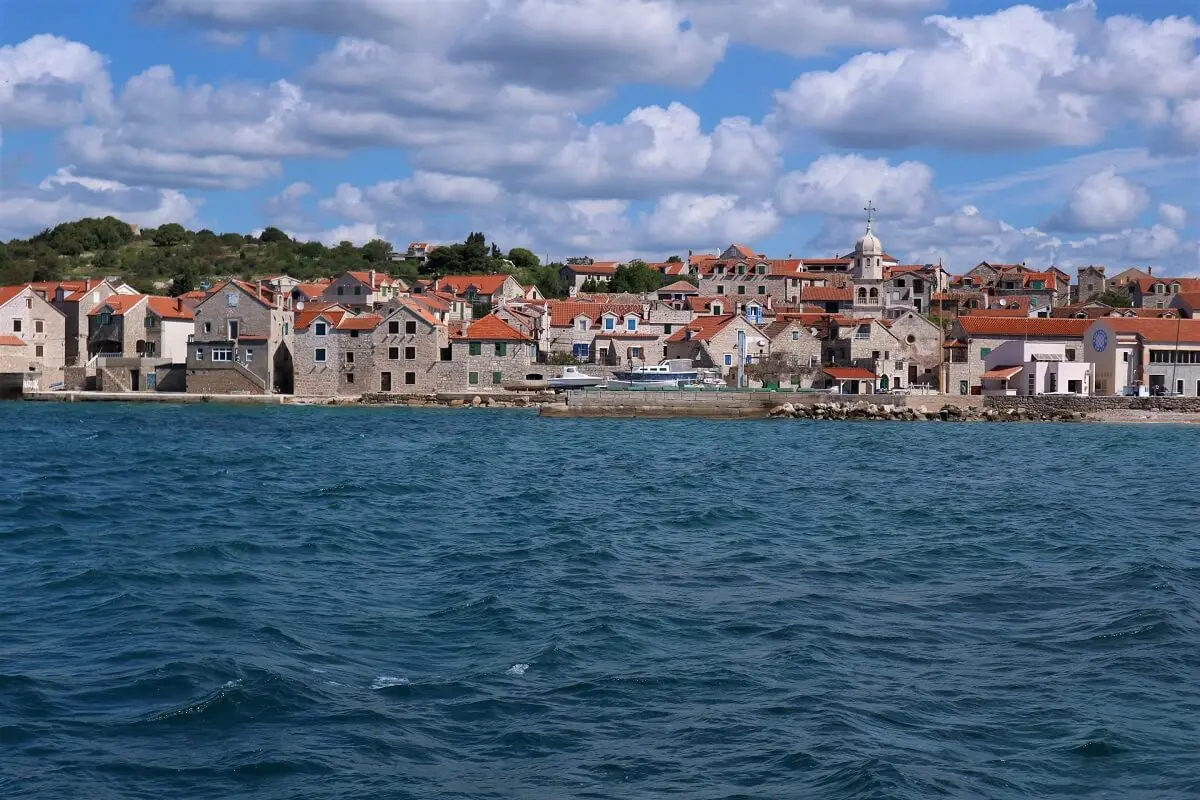
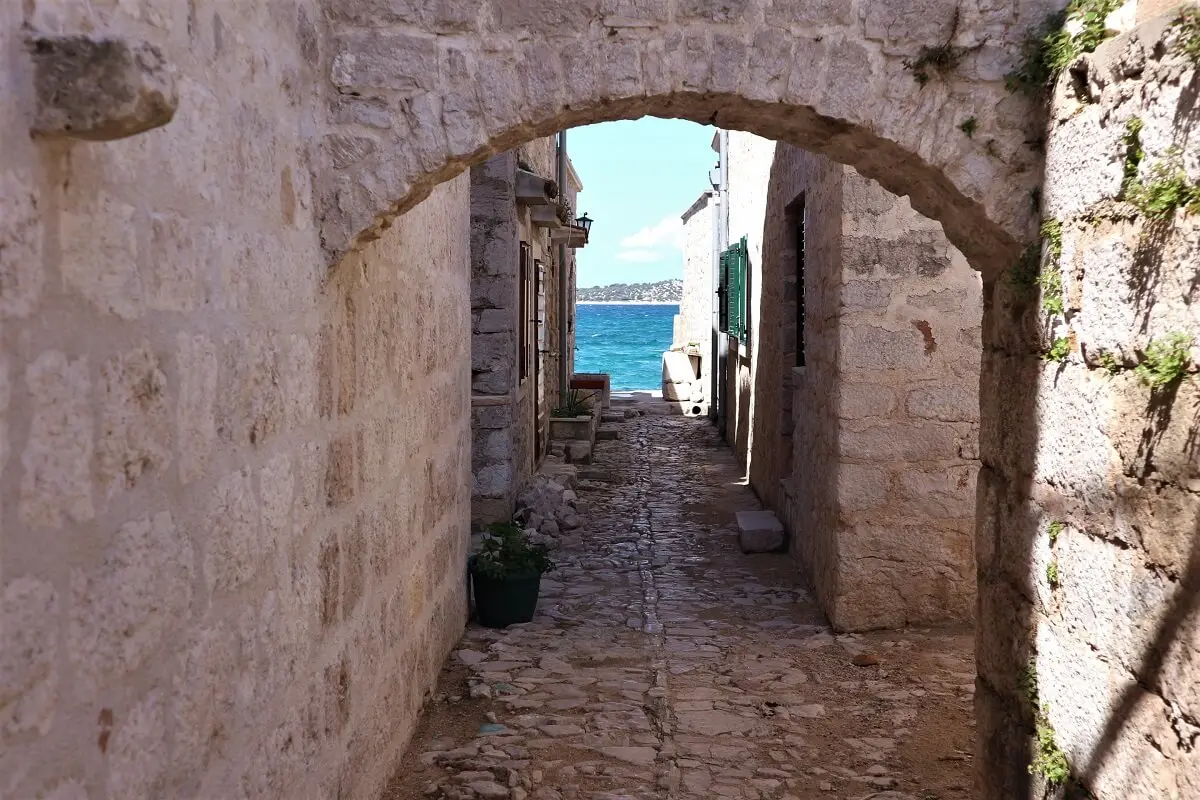
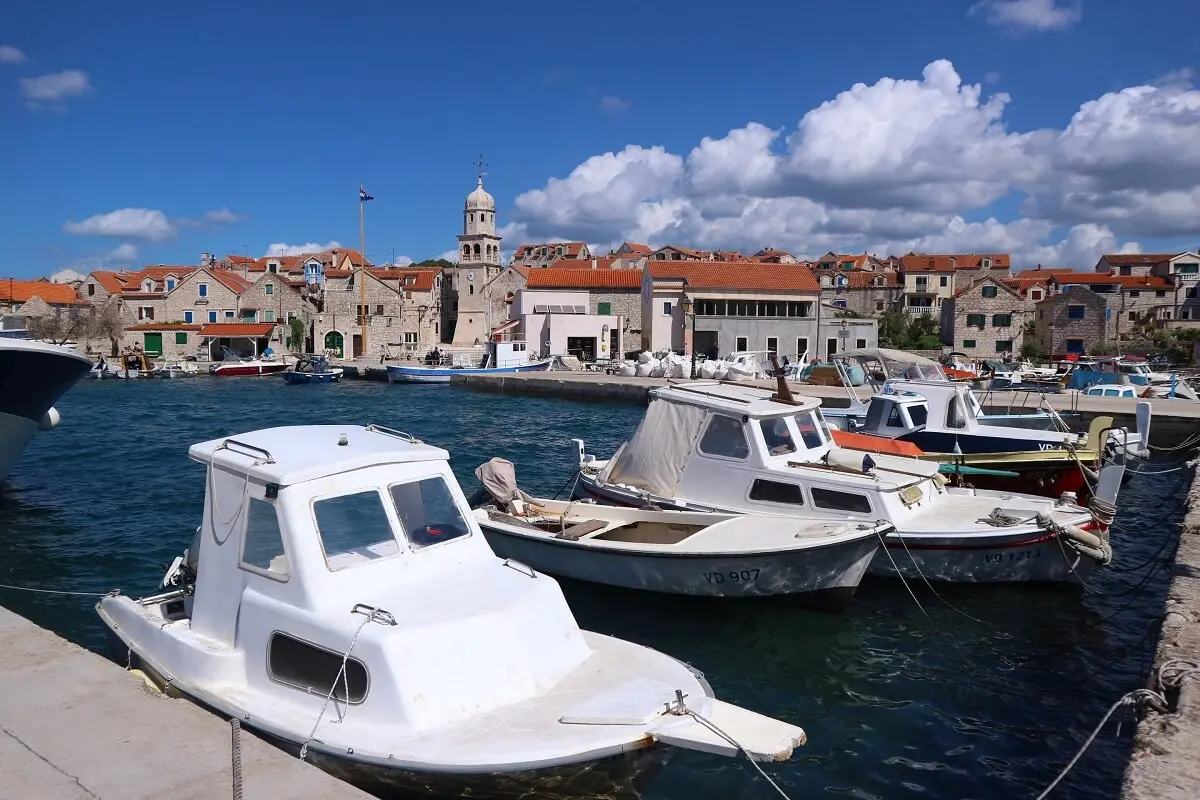
The island of Prvić is located in central Dalmatia, just opposite the town of Vodice. This small island with a pleasant climate has many attractive natural beaches surrounded by crystal clear sea. Two villages that are situated on the island are Šepurine (west side of the island) and Prvić Luka (southeast side of the island). Both places are facing the open sea and Kornati national park. Because of its rich natural and cultural heritage, the island of Prvić is under the protection of the Ministry of culture. For centuries this small island had been inhabited by noble families from the Šibenik area. Today on Prvić lives around 400 permanent inhabitants and it has a total surface of less than 2.5 km2. Its residents are mainly engaged in fishing, tourism, and agriculture (production of wine and olive oil). Prvić is also known as the island of Faust Vrančić (Faust’s island), a famous Croatian inventor, philosopher, scientist, historian, and diplomat. Faust Vrančić lived in the 16the century and although he was born in Šibenik (1551), he spent a major part of his childhood on the island of Prvić. Today, in his honor, on the island is the memorial center Faust Vrančić, a small museum about his life on Prvić and his inventions including the first functional parachute. On Prvić is also located the Vrančić family mansion. In Šepurine there are two churches, one from the middle age and the other from the 19th century. Prvić is an ideal destination for those looking for peaceful vacations away from crowds. It is very close to Vodice and Šibenik, but still, it is remote from mass tourism. We recommend relaxing on one of its many beaches, especially on Trstevica beach. Surrounded by unspoiled nature and crystal clear sea, this island is heaven on earth. Prvić has several bars and restaurants which are ideal for refreshment. Cars are forbidden on the island of Prvić what makes this island unique. For transport, the locals are using small tractors, bicycles, and small motorbikes. Prvić is well connected with the mainland - there are daily ferry lines from Vodice and Šibenik as well as numerous taxi boats from Srima and Vodice. Accommodation can be found in a small hotel or in private apartments, holiday homes, and rooms.

Destinations
1

Accommodation objects
4

Island of Prvić

Island of Žirje

The island of Žirje is one of the largest islands of the Šibenik archipelago (total surface is around 15 km2). Although it is large compared to surrounding islands, less than a hundred permanent residents live on it. The island is 22 km away from the city of Šibenik. The name of the island most likely comes from the word acorn (“žir”) since in the past the Mediterranean oak used to cover the majority of the island. Today, Žirje is mostly covered by maquis which is ideal for grazing goats and sheep. The main crops on the island of Žirje are grapes, plums, olives, figs, and almonds. The main settlement of the island bears the same name - Žirje (fishing village). Žirje has a very interesting history. It has been inhabited since ancient times and in the 6th century, Byzantian emperor Justinian constructed two fortress - Gradina and Gušterna. Later, Žirje was owned by Benedictians, Mletians and the Turks. Žirje is surrounded by 17 islands and reefs and it has 29 bays. The highest point of the island is Kapić (131 meters high). On the island are registered four monuments that are cultural heritage including the church of St. Mary from the 15th century and the fortresses of Gradina and Gušterna from the 6th century. Like other inhabited islands in Dalmatia, Žirje also has its fishermen's festival, games of islanders (sports and entertainment manifestation), and traditional local festivities for the feast of the Assumption (“Velika Gospa”). The island of Žirje has beautiful unspoiled nature, wild flora, crystal clear blue sea, and many attractive beaches and bays such as Mala Stupica, Velika, Mala, and Koromačna. Žirje offers the opportunity for peaceful holidays on one of the many hidden beaches and coves, but for those looking for active holidays, we recommend cycling, trekking, kayak riding, and walking. Although it is remote, the island of Žirje is well connected with the mainland (Šibenik). It is linked by express boat line and by a ferry line which runs several times per day. If you are looking for accommodation, we recommend staying in a private apartment, holiday home, or room.

Destinations
1

Accommodation objects
7

Island of Žirje

Island of Susak

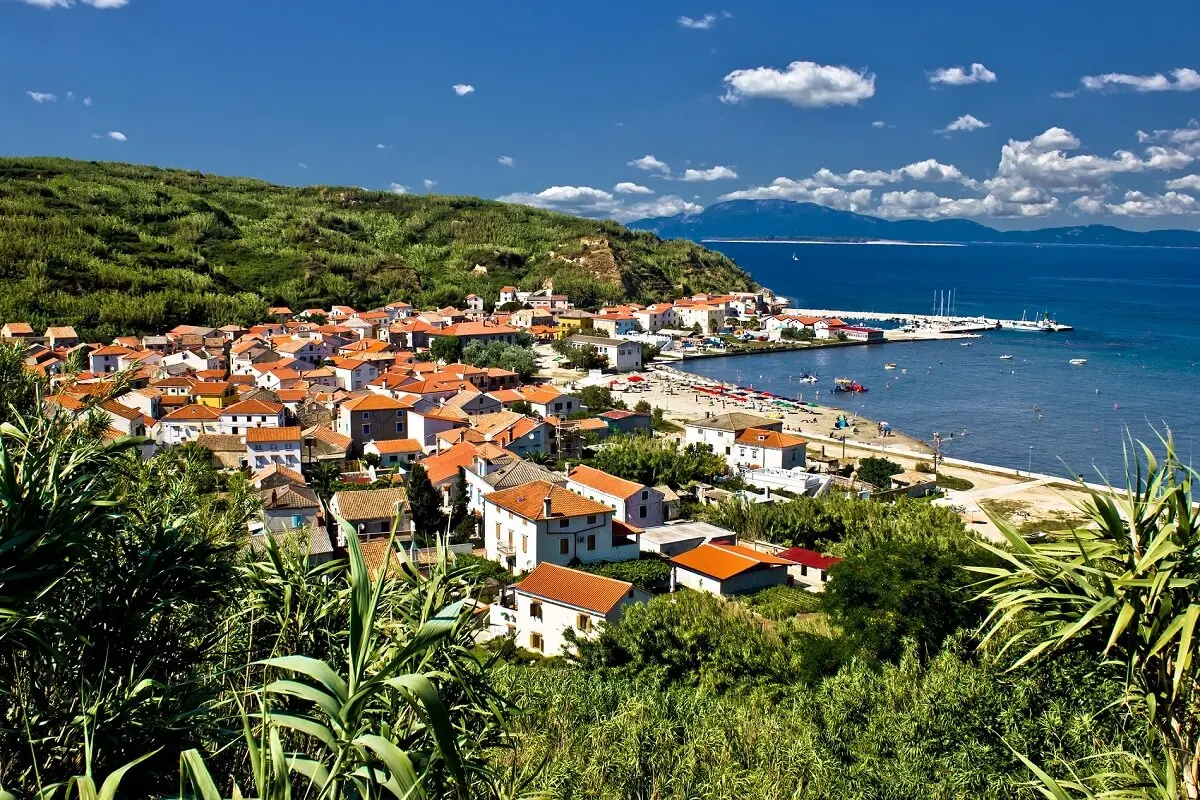
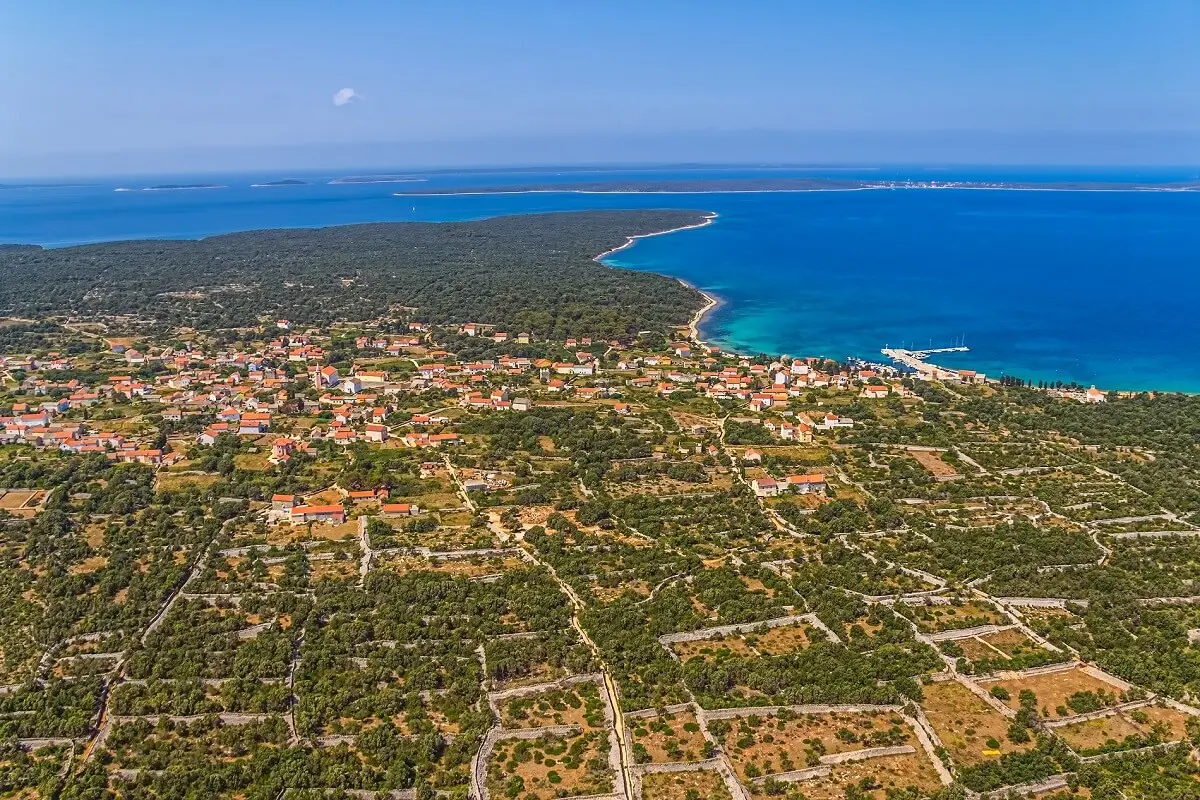
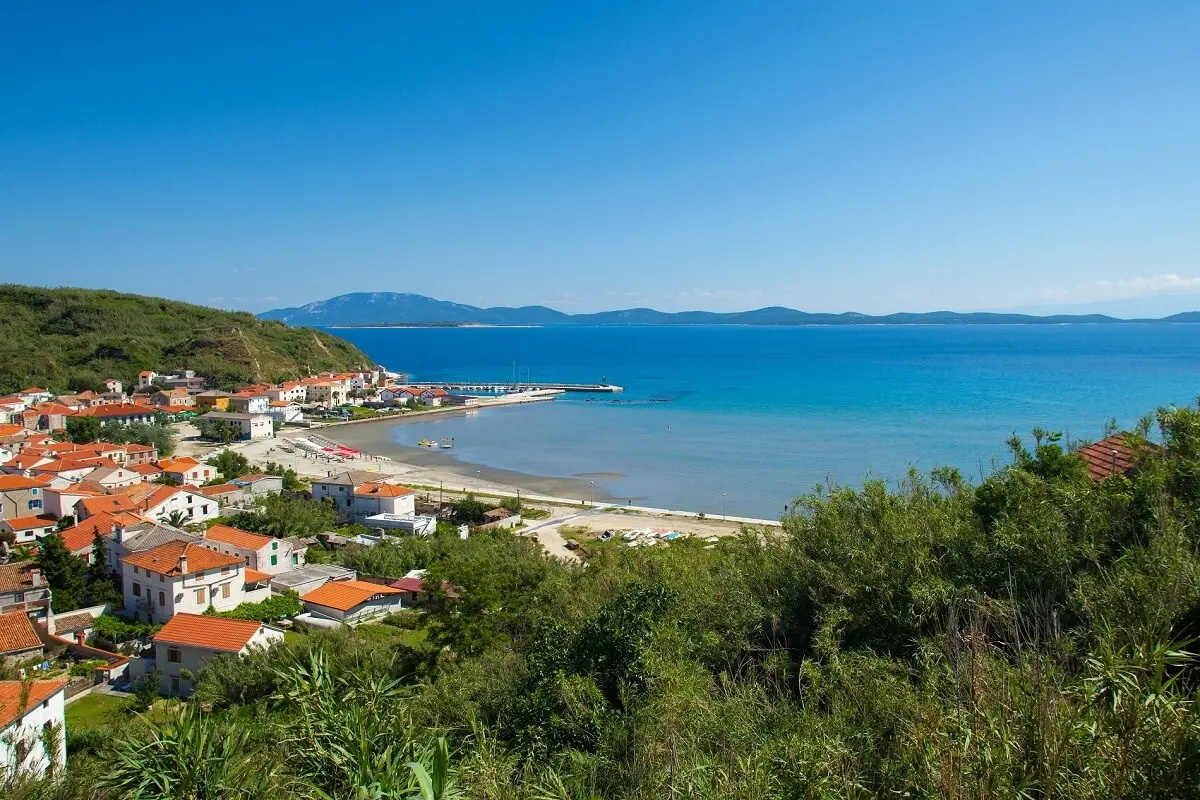
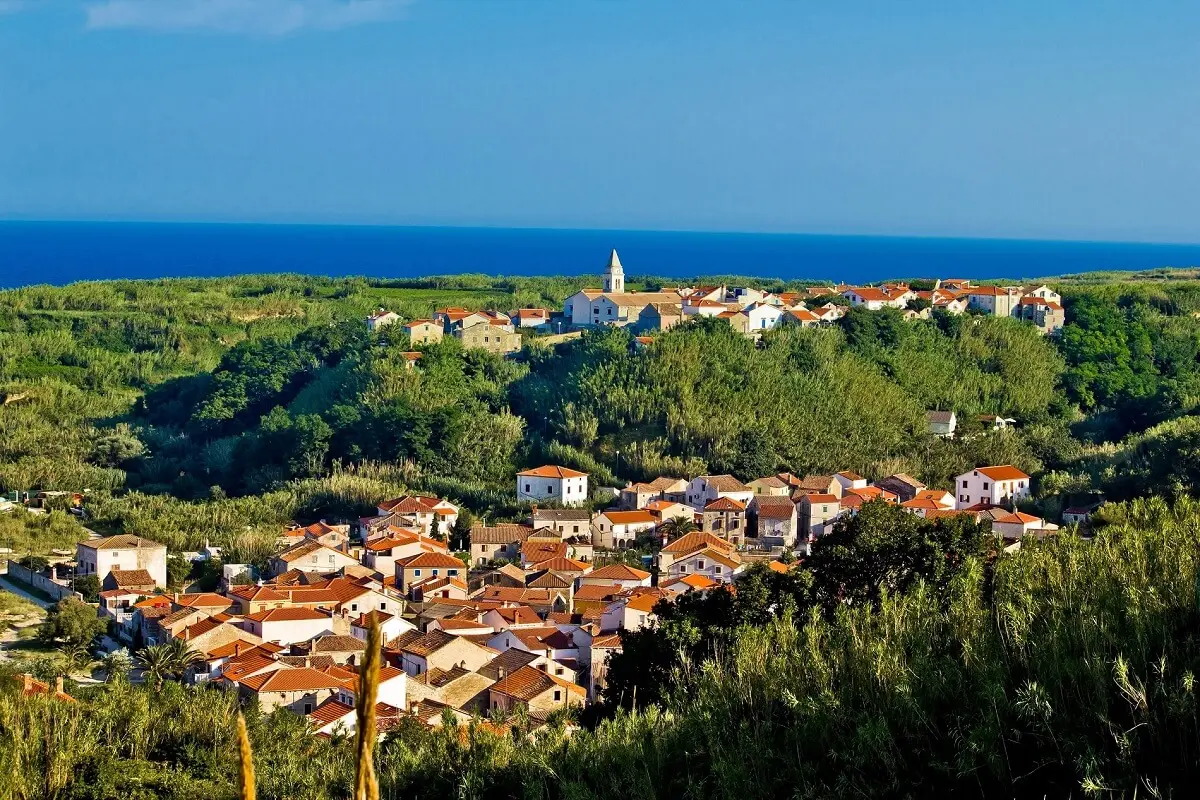
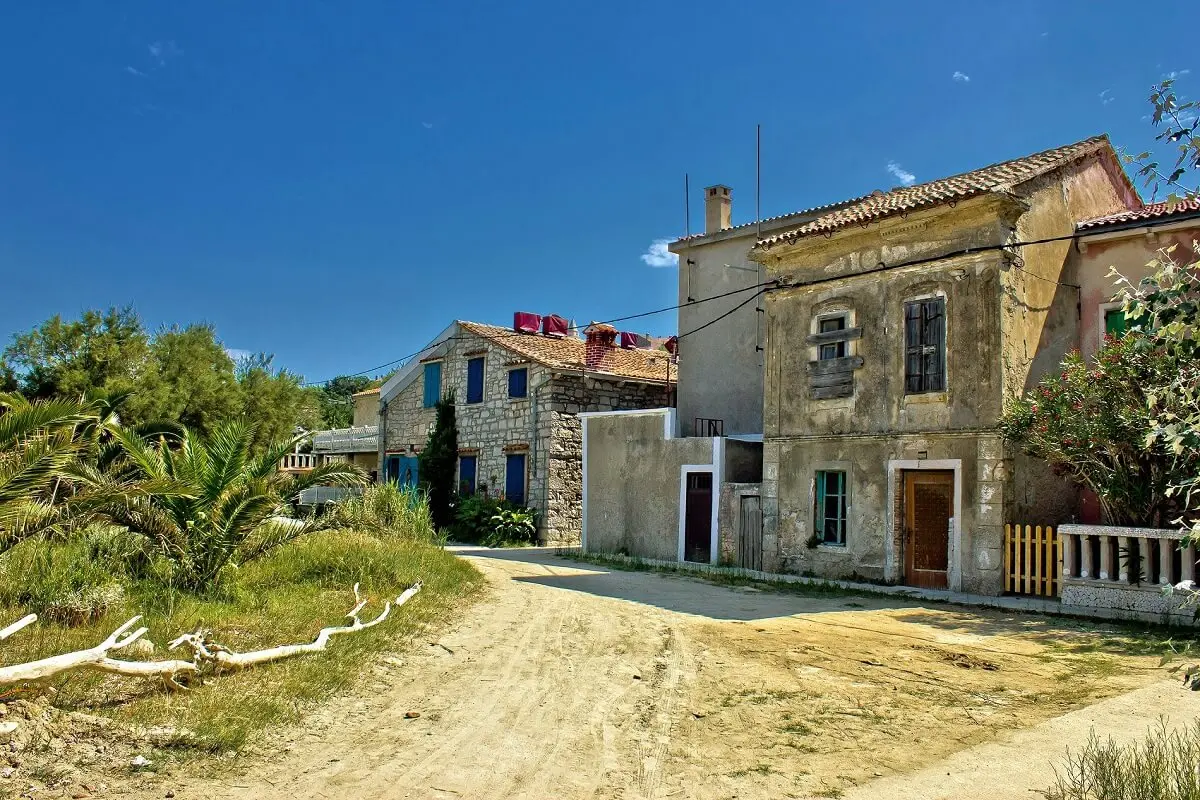
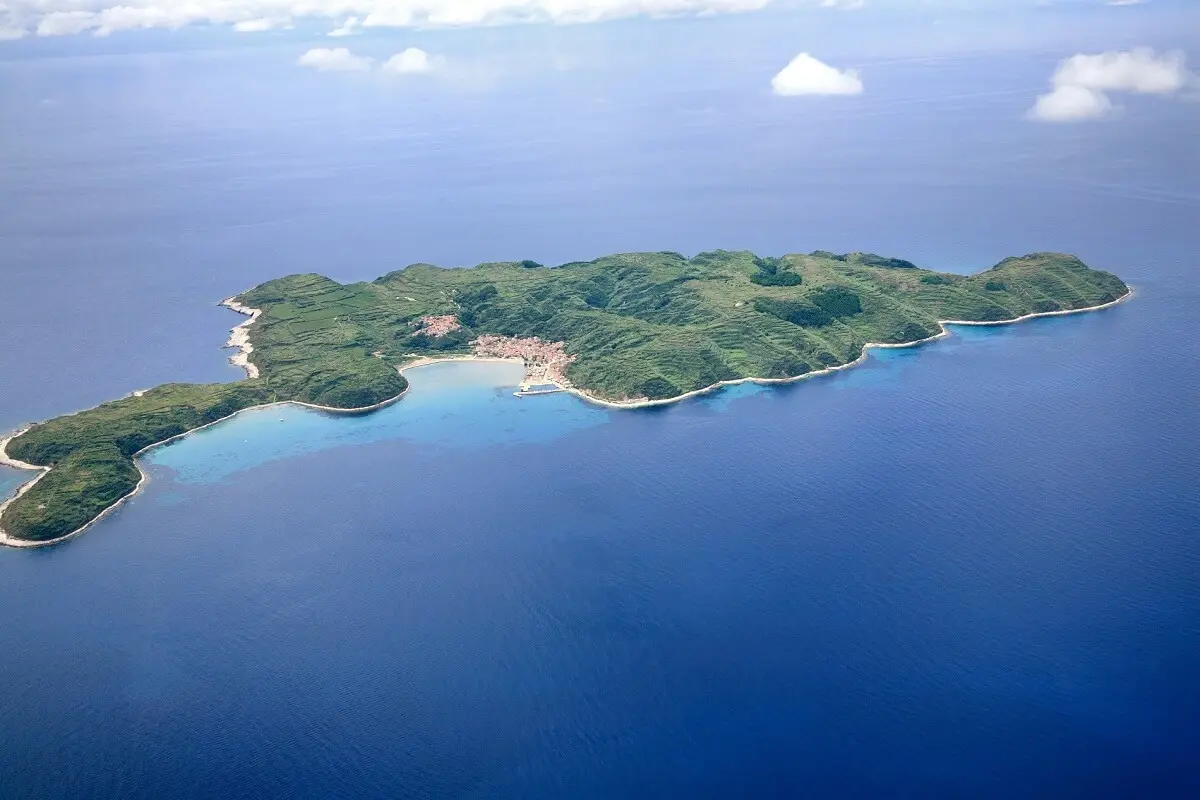
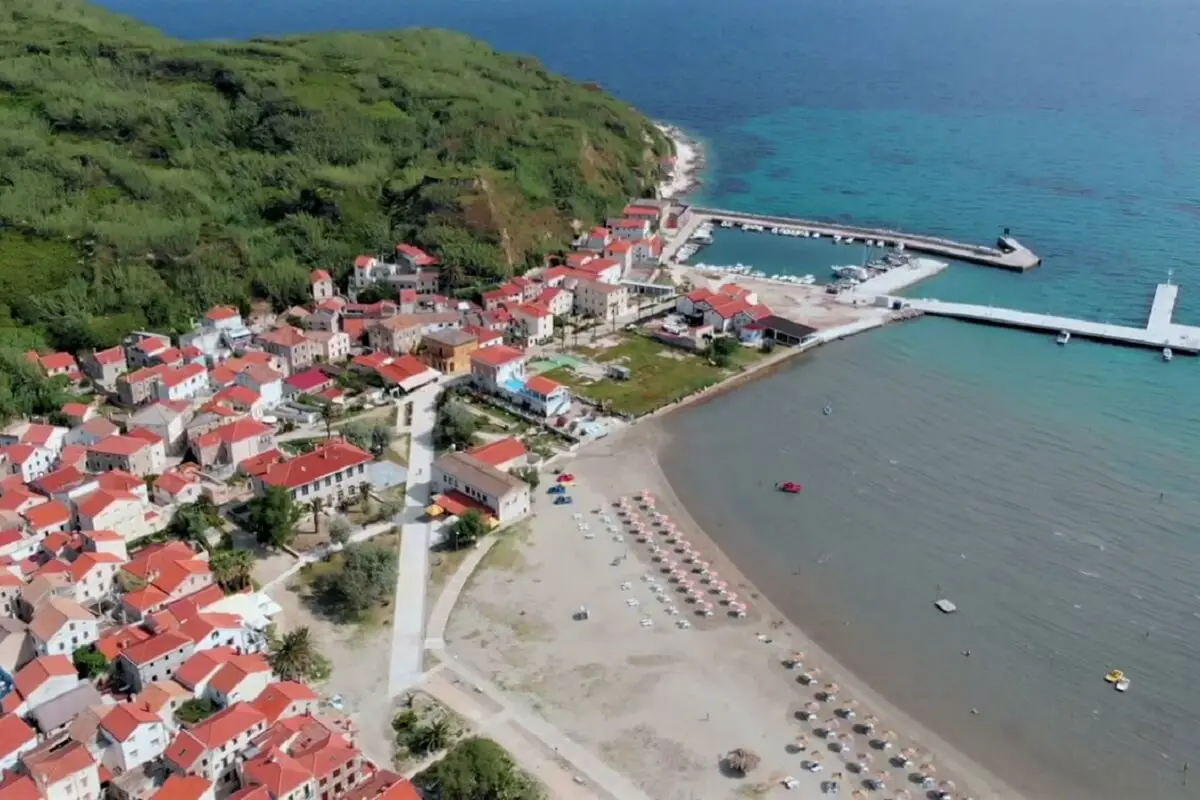
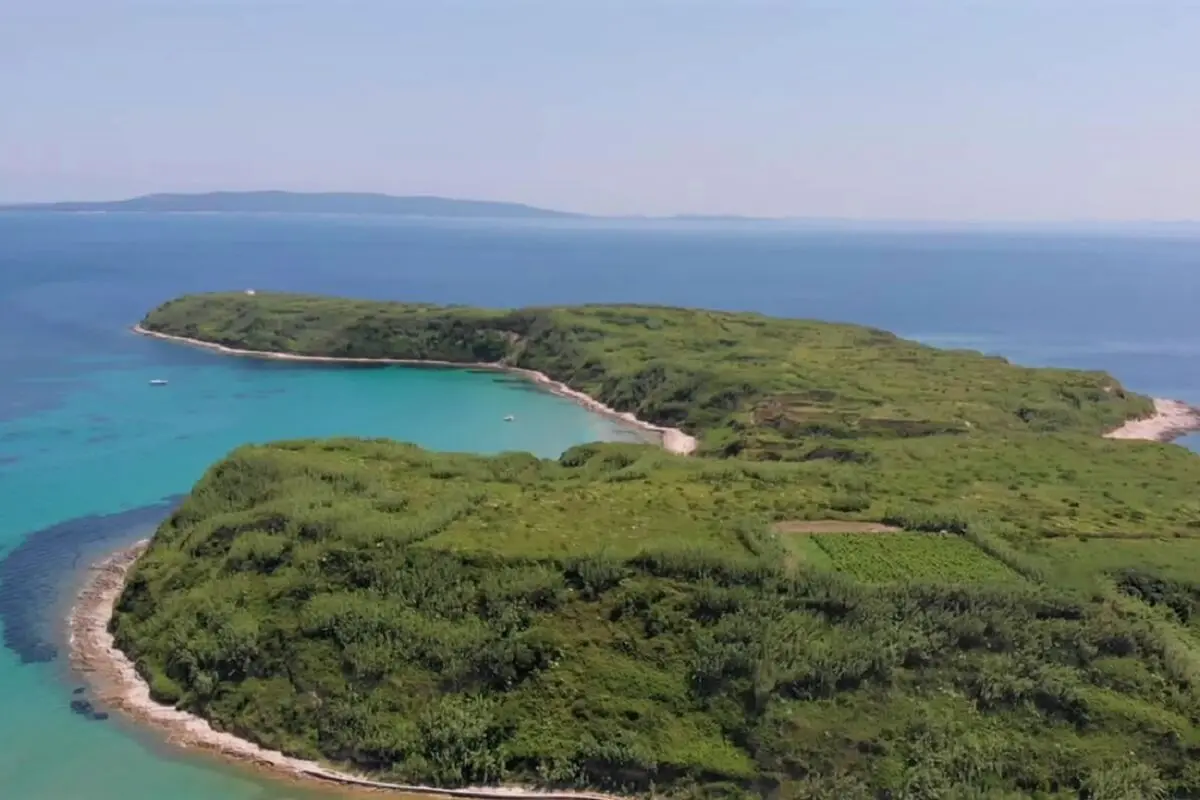
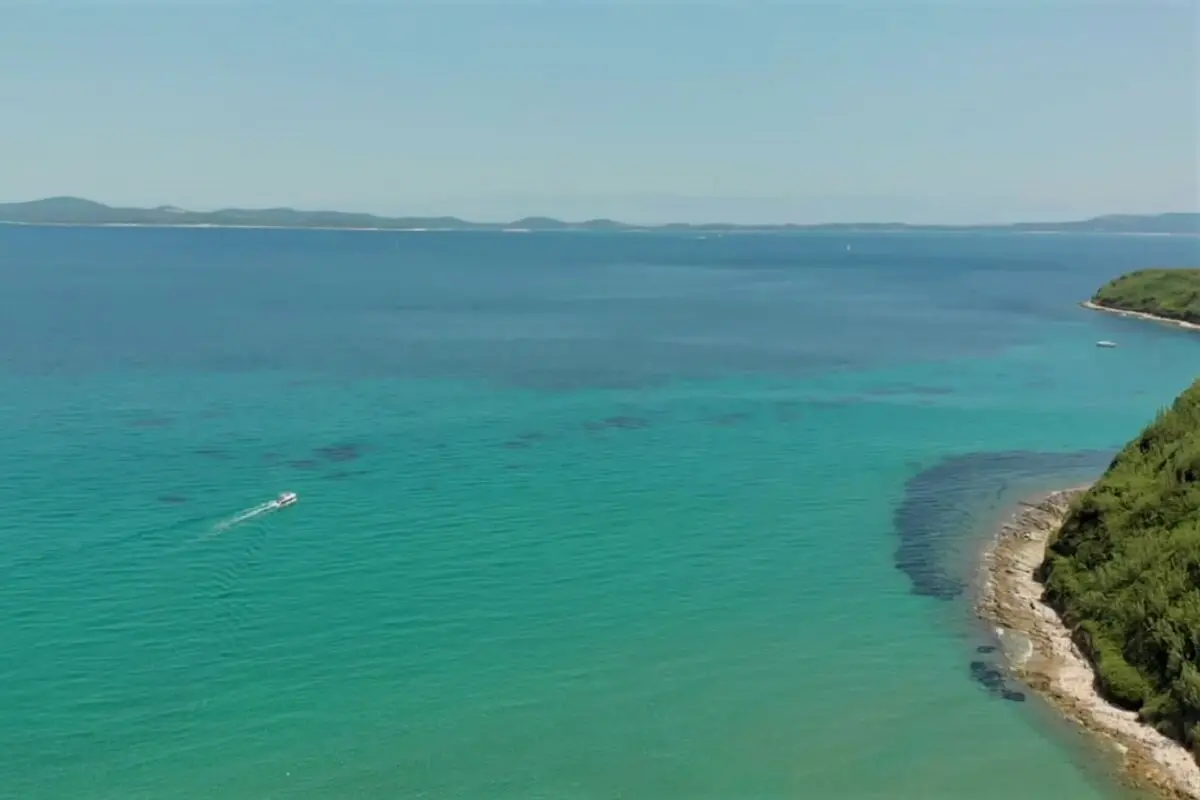
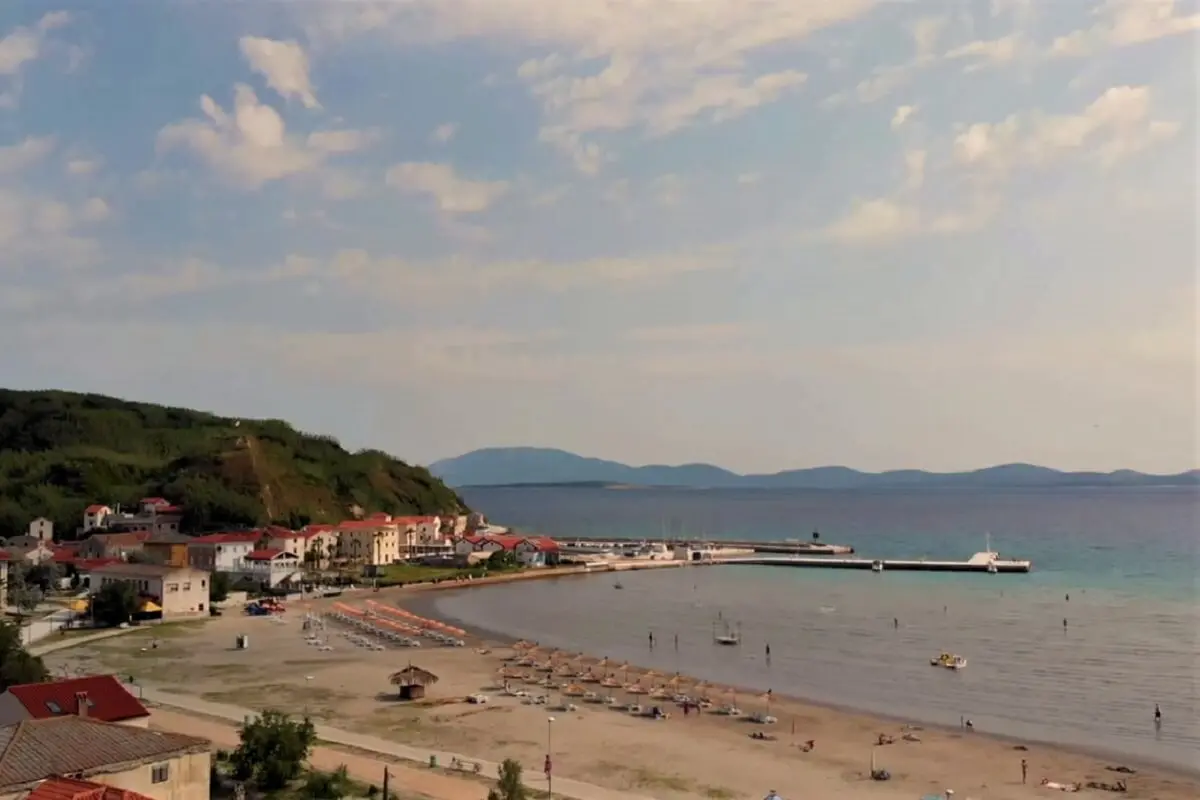
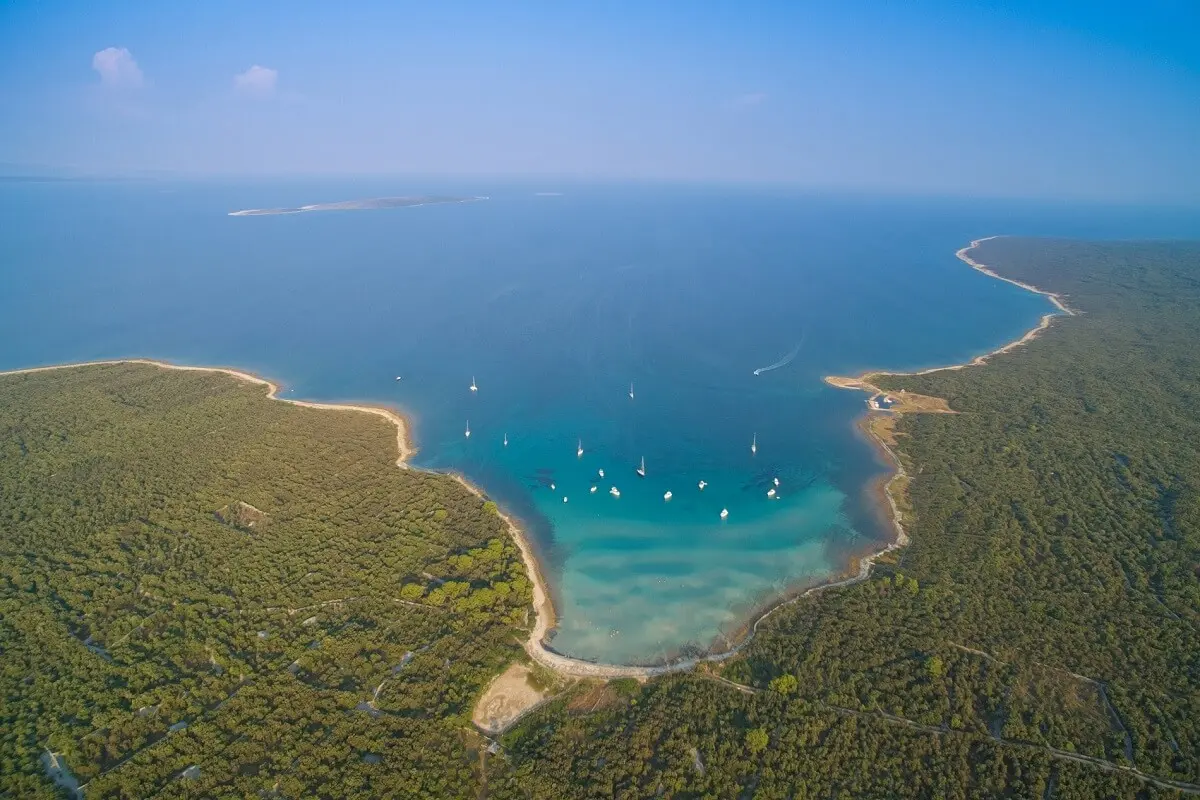
Susak is a small sandy island in the Kvarner bay, around 8 kilometers away from the island of Lošinj. Its geology differs from other islands in the Adriatic sea as it was formed of fine yellowish sand lying on limestone rocks. The island of Susak has a surface area of only 4 km2, so the best way to explore it is by bike or by foot. The first people who inhabited the island of Susak were Illyrians followed by the Romans. The remains of the old Roman defense tower have remained until today on the highest peak of the island. Benedictines came to the island in the 10th century and have built a monastery that had been in use until the 18th century. At the end of the Second World War, almost 2,000 people lived on Susak. However, that lasted until the sixties when a major emigration wave hit the island and many people emigrated to the United States. Today, although the trend is slowly changing because of tourism, Susak still has less than 200 permanent residents. The island of Susak has attractive sandy beaches - Bok bay, Baldarka bay and Spiaza bay among others. Be sure to explore the old medieval village Gornje Selo and remarkable views from the lighthouse on Garba. The village has several restaurants, bars, and taverns where you can try local specialties and excellent wines. Considering that it is a small and remote island, Susak has solid connections with surrounding islands. There are daily boat lines from Mali Lošinj and daily catamaran lines from Rijeka. Since the island is very small there is no traffic and cars on it, while the accommodation is offered only in private apartments, holiday homes and rooms.

Destinations
1

Accommodation objects
0

Island of Susak

Island of Ist

If you are looking for peace and tranquility, the island of Ist is an ideal destination for you. Ist has only 9,7 km2 and it is located in North Dalmatia, Zadar county, close to the island of Škarda and the island of Molat. The island is small, and the only settlement on it bears the same name - Ist. Island of Ist was mentioned for the first time in the 14th century as Ost, which is an Illyrian word with an unknown meaning. Croats continued tradition and culture imposed by the Romans. Today the island has less than 200 permanent inhabitants, who are mainly growing olives and grapes. As in many other parts of Dalmatia, the main source of income of locals is from tourism. The island of Ist has a relaxing atmosphere since you are surrounded by crystal clear sea and nature. The beautiful sandy beach Ist is located in the center of village Ist, and it is surrounded by pine trees which makes it a perfect destination for family vacations. The village of Ist has only several shops, cafes, and restaurants. Since Ist is a very small island, accommodation can only be found in private apartments, villas, holiday homes, and rooms. Also, motor vehicles are not allowed on the island so it is ideal for a getaway very it is possible to enjoy in tranquility and peacefulness. The nearest major port is Zadar, and it is well well connected by a daily catamaran line (Zadar - Molat - Ist).

Destinations
1

Accommodation objects
4

Island of Ist

Island of Molat

Molat is located in the Zadar archipelago, between the islands of Dugi Otok and Ist. Molat is a beautiful island with lots of greenery, nice beaches, and small coves. The island of Molat has a size of 22 km2 and it has more than 200 permanent inhabitants who live in three small villages: Molat, Zapuntel, and Brgulje. The highest point of Molat is 148 meters high Lokardenik peak. Molat had been covered with holm oak forests, however, today low maquis, underbrush, and young forests prevail on the island. The island of Molat was named after Melatus (the Latin word for honey). The island has been inhabited since the Stone Age. Proofs of early life on Molat were found in Ledenice near Zapuntelska luka and Zapuntelsko polje. Later, Molat was inhabited by Ilyrics, Romans, Venetians, and Croats. During the middle age, rich nobles from Zadar and Venetia owned the island and exploited holm oak forests which were almost completely devastated. Small fishermen village Molat is the island’s largest settlement. It has several shops, bars, restaurants, a bakery, and a local museum. Close to the village of Molat is the attractive beach Jazi, according to many one of the most beautiful beaches on Molat. The island has other attractive hidden beaches and coves surrounded by pine trees, greenery, and the blue sea. The majority of these beaches and coves can be reached by bicycle or on foot. The island of Molat is very popular among the sailors as a stop on their way to the national park Kornati. The cars are allowed on Molat what makes it even more accessible for its guests. It has a good ferry connection with the port of Zadar and with surrounding islands (Ist, Zverinac, Sestrunj, and Rivanj). Accommodation offered by private renters prevails on the island of Molat. A large selection of private apartments and holiday homes, beautiful unspoiled nature, peaceful surroundings, and Mediterranean atmosphere are some of the reasons why Molat is a great summer destination for families with small children and all those who enjoy peace and tranquility.

Destinations
1

Accommodation objects
5

Island of Molat

Island of Kaprije

The island of Kaprije is located just one hour from Šibenik in the Šibenik archipelago. This picturesque island covered with pine forests has a total surface of 7 km2. The only settlement on the island has the same name as the island - Kaprije. The name of the island comes from popular Mediterranean spice - caper which used to cover the entire island. The highest peak of the island of Kaprije is 129 meters high Velika Glavica. This island is specific because cars are not allowed, which makes it an ideal destination for all guests who want to enjoy a peaceful Mediterranean atmosphere and clean air. In the 14th and 15th century the island of Kaprije was owned by noble families from Šibenik. First settlers from Šibenik and the surrounding area came to the island in the 16th and 17th centuries because of the Turkish invasion. During that period was built the church of St. Peter. After the end of the invasions, the majority of refugees returned to the mainland and some of them remained to live on Kaprije. Today, this small island has only 150 permanent inhabitants who are mainly engaged in fishing, tourism, and agriculture (production of wine and olive oil). Kaprije has around 20 attractive coves. The best beaches on the island are cove Luka St. Peter or Luka Kaprije near the village of Kaprije, cove Mala Nozdra and cove Velika Nozdra. Walk around the island and enjoy beautiful surroundings of caper, grape groves, and olive groves. For those looking for active holidays, we recommend trekking, walking, riding a bike, and diving (near the island at 55 meters below sea level lies a shipwreck from World War 2). The island has everything you need for a perfect vacation including a local grocery store, several bars and restaurants, and a post office. Kaprije can be reached by ferry or catamaran from Šibenik which leaves from Šibenik several times a day. Kaprije cove in the southwest offers natural shelter from winds to many sailors who are looking for safe harbor after visiting national park Kornati. As cars and motor vehicles are not allowed on the island, visiting Kaprije will help you to escape from everyday noise, crowds, and city smog. Accommodation is exclusively offered by private renters in apartments, holiday homes, and rooms.

Destinations
1

Accommodation objects
1

Island of Kaprije

Island of Drvenik Mali

Drvenik Mali is a true oasis of unspoiled nature, beautiful beaches, and a clear blue sea. The island is located in Split-Dalmatia county, about 1 nautical mile from Drvenik Veli, and 10 nautical miles from the city of Trogir. The surface area of the island is only 3,4 km2 what explains its name (“Mali” in Croatian means small). The highest point of Drvenik Mali is 79 meters high Glavica. Main settlement on the island is located in the east part and in the central part of the island where lives around 60 permanent inhabitants. The islanders are mainly engaged in fishing, agriculture (mainly olives and carob), and tourism. Drvenik Mali is also known for its extra virgin olive oil. Although it is small, the island of Drvenik Mali offers many different activities to its guests. The island has many attractive pebbles and sandy beaches and coves which are surrounded by crystal clear sea. On sandy cove Vela Rina there is a restaurant with fresh seafood worth visiting. On the west side of Drvenik Mali are two beautiful beaches - Papalj and Mala Rina. We recommend renting a boat and visiting hidden places, beaches, and coves of this beautiful island. As the island is small, it takes just about 2 hours to explore Drvenik Mali and its beauty by foot. The island of Drvenik Mali has all you need for a peaceful vacation on the Mediterranean - several bars, restaurants, and a local grocery shop. The island is not visited by many tourists so you will enjoy the tranquility away from crowds. Cars are forbidden on the island and the majority of roads are unpaved what are the main reasons why this small picturesque island has remained preserved and why it has not been devasted by construction. Drvenik Mali (cove Borak) is linked to the mainland by ferry lines from Trogir and Seget Donji. On Drvenik Mali, there are many private apartments and holiday homes for ideal summer holidays especially for families with small children.

Destinations
1

Accommodation objects
4

Island of Drvenik Mali

Island of Šolta

The island of Šolta is located in central Dalmatia, near the island of Brač and just 9 nautical miles from the city of Split. Šolta is covered by dense vegetation - Mediterranean forests, olive groves, vineyards, and cultivated fields. Beautiful bays and beaches, dense pine forest, and crystal clear and blue sea are some of the key characteristics of Šolta. The total surface of the island is around 58 km2 and it has 8 settlements: Stomorska, Rogač (ferry port), Nečujam, Maslinica, Grohote, Gornje Selo, Donje Selo, and Srednje Selo. Šolta has been inhabited since ancient times and for the first time, it was mentioned in the 4th century BC. Today the island has around 1500 inhabitants that are mainly engaged in agriculture (producing wine and olive oil), fishing, and tourism (renting apartments and holiday homes). Šolta has many beautiful beaches and small bays that offer everything you need for perfect vacations. The best beaches on Šolta are Šešula cove, Poganica cove, Zaglav cove, Tatinja cove, Jorja cove, Senjska cove, Stračinska cove, Donja Krušica cove, Gornja Krušica cove, Stomorska beach, Rogač beach, Nečujam cove, main beach in Maslinica and Livka cove. On the southern side of Šolta, there are many beautiful bays which can be reached only by boat and a couple of excellent restaurants. The island is an ideal destination for active holidays - it offers numerous walking paths, biking trails, kayak riding, and diving. From historical buildings, we recommend visiting the Benedictine church and monastery of St. Nicholas and the basilica of St. Stephen. Vela straža is the highest point on the island from which you can enjoy a beautiful view of Šolta and its surroundings. The island of Šolta is also known for domestic honey. The symbol of the island is the owl - “čuvita” why inhabitants of Šolta are also called “čuvitari”. Šolta is a very accessible island and it is well connected with Split by a regular ferry line. During the season there are eight trips per day and the journey takes less than an hour. We recommend staying in private accommodation offered by the locals who often welcome their guests with a glass of local wine, and homemade fruits, and vegetables.

Destinations
1

Accommodation objects
15

Island of Šolta

Island of Drvenik Veli

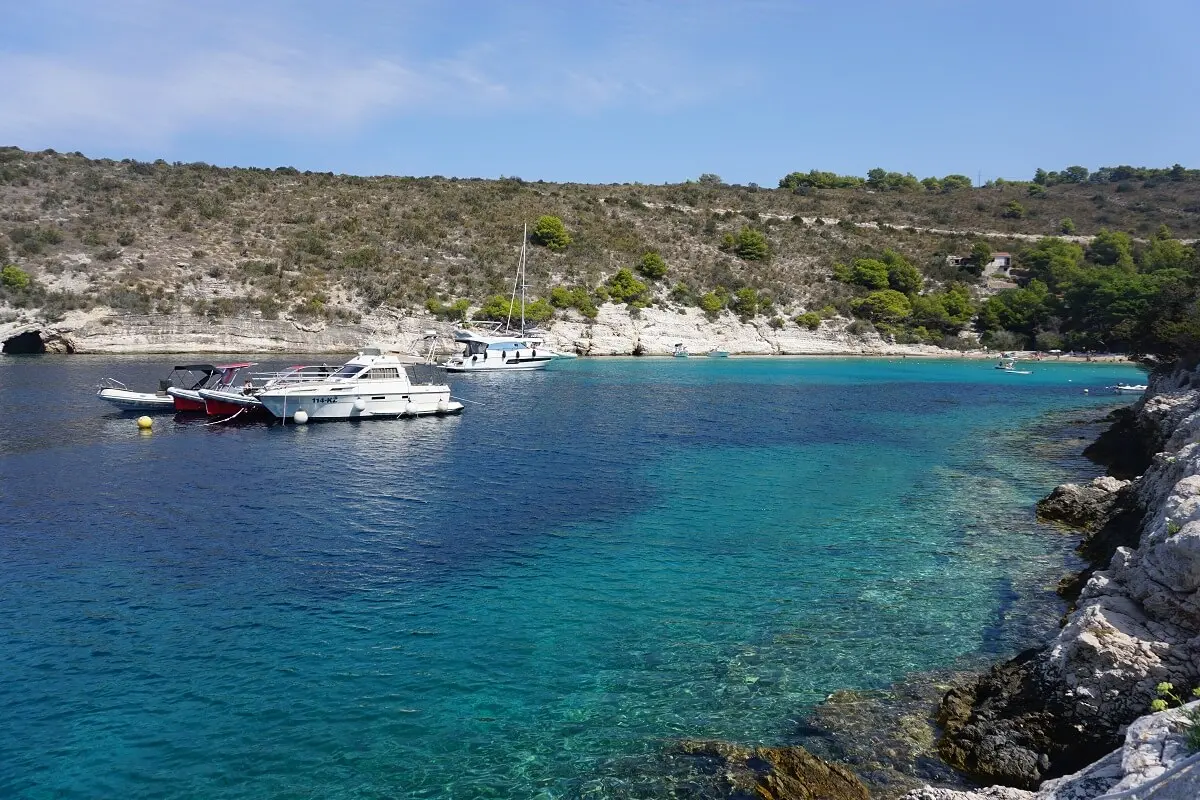
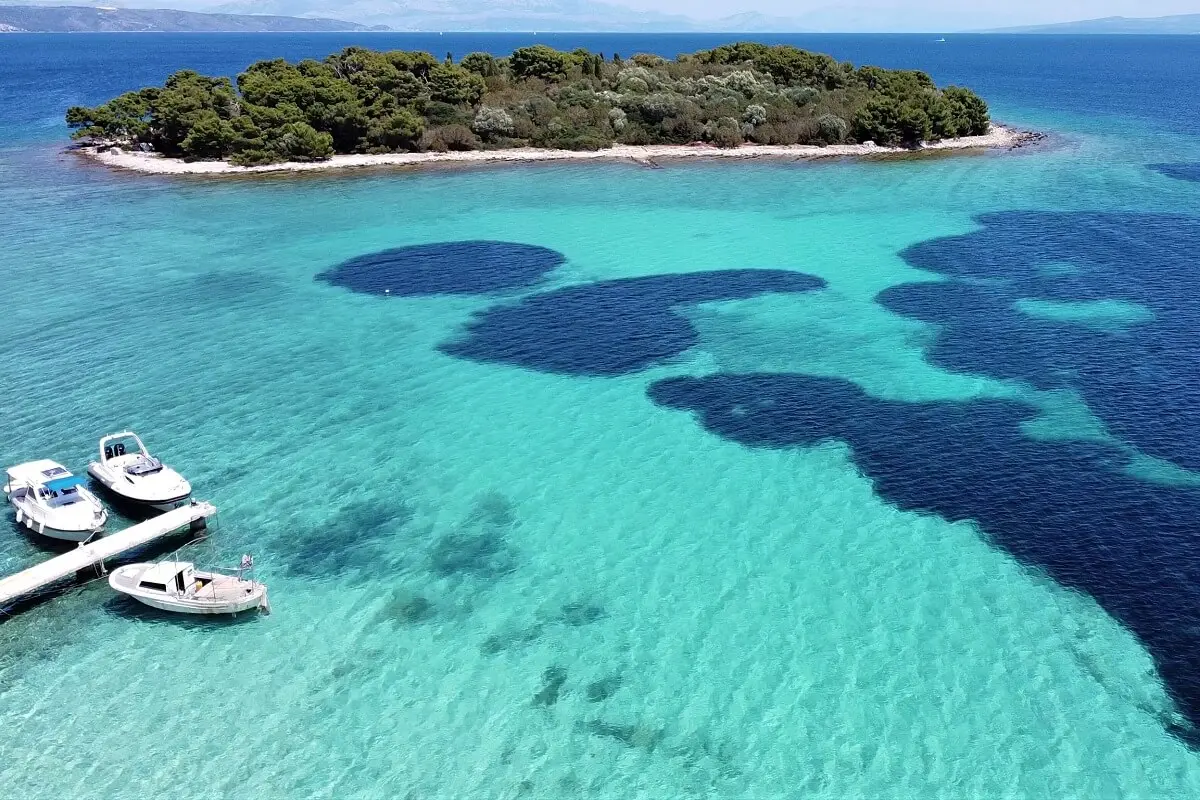
Drvenik Veli is a beautiful small island located in the Split archipelago (between the islands of Šolta and Drvenik Mali). Drvenik Veli is widely known to sailors for Blue Lagoon (“Plava Laguna”), an attractive sandy cove surrounded by a crystal clear sea. Its coast is rich with many astonishing pebble and sand beaches and coves. The island is about 1.8 km from the mainland and it has a total surface of 11,7 km2. The highest point of the island is Buhalj (178 meters high). The island of Drvenik Veli has been inhabited since the 15th century and until today it has remained well preserved as it does not have bigger urban settlements. The island has around 150 permanent residents that live in Drvenik Veli, the only settlement on the island. It is the perfect destination for an escape from big crowds, and popular destinations packed with tourists. For all those who wish to spend a vacation in the peaceful atmosphere of Mediterannean as it once was, Drvenik Veli is an ideal destination. The main attraction of the island is the Blue Lagoon also known as Krknjaši bay. The Blue Lagoon has a turquoise color of the sea which reminds you of exotic Caribean destinations. In the cove, the sea is full of sea urchins which only live in the clean sea. The Krknjaši bay is frequently visited by many sailors and yachtsmen. In the vicinity of the Blue Lagoon are two small islands Krknjaš Mali and Krknjaš Veli ideal for camping in nature surrounded by the pine forest. The coast of the island is indented and has many pebble and sandy beaches and coves. Except for the Blue Lagoon, we recommend visiting Solinska cove, Grabule cove, Pernatica cove, and Mala Luka cove. This green island is covered with pine trees, cypress, oak, bushes, olive groves, and vineyards. Taste authentic dishes made of local fresh ingredients such as carob, fig, and citrus. We recommend going on a boat trip to the surrounding islands (Šolta, Drvenik Mali, or Vis). For those looking for sports activities, the island has walking, trekking, and bike trails. Drvenik Veli has good links with the mainland and the entire journey lasts for about 1 hour. A ferry sails from Trogir and Seget Donji to Drvenik Veli and Drvenik Mali several times a day. On the island, accommodation is offered in private apartments, holiday homes, and rooms.

Destinations
1

Accommodation objects
1

Island of Drvenik Veli

Island of Kornati

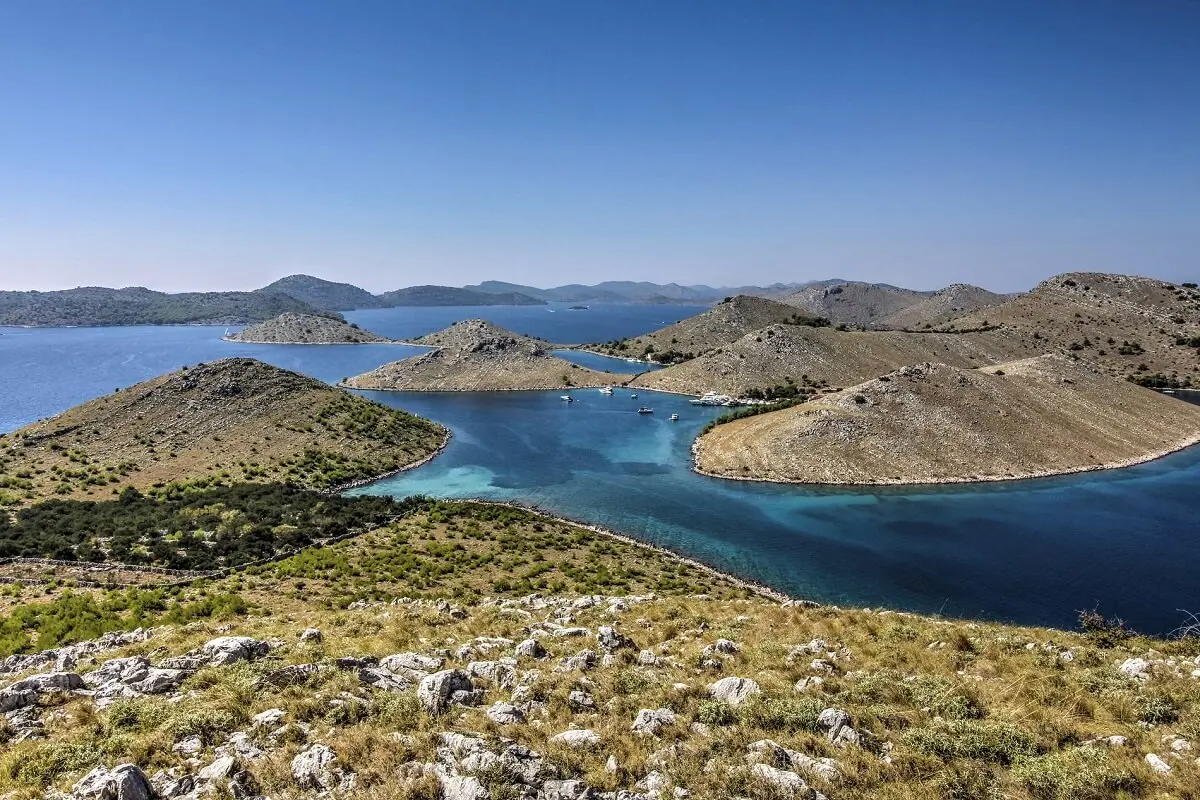
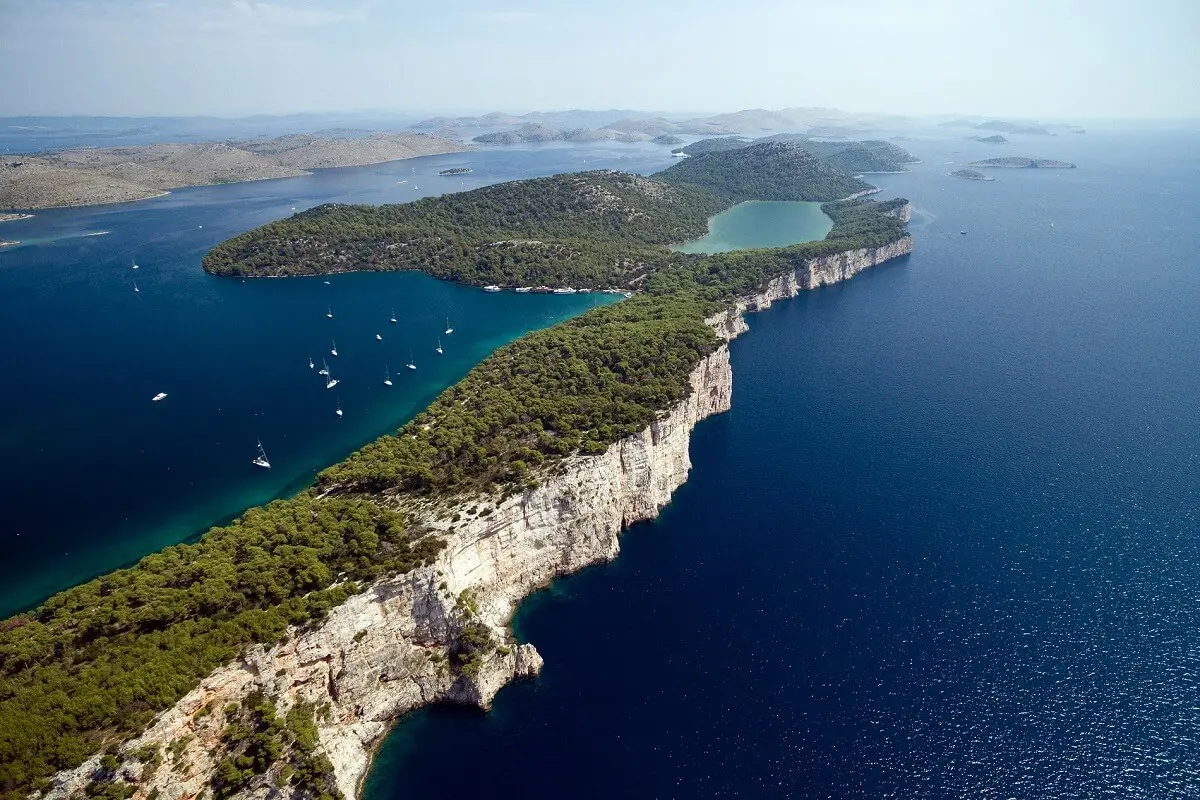
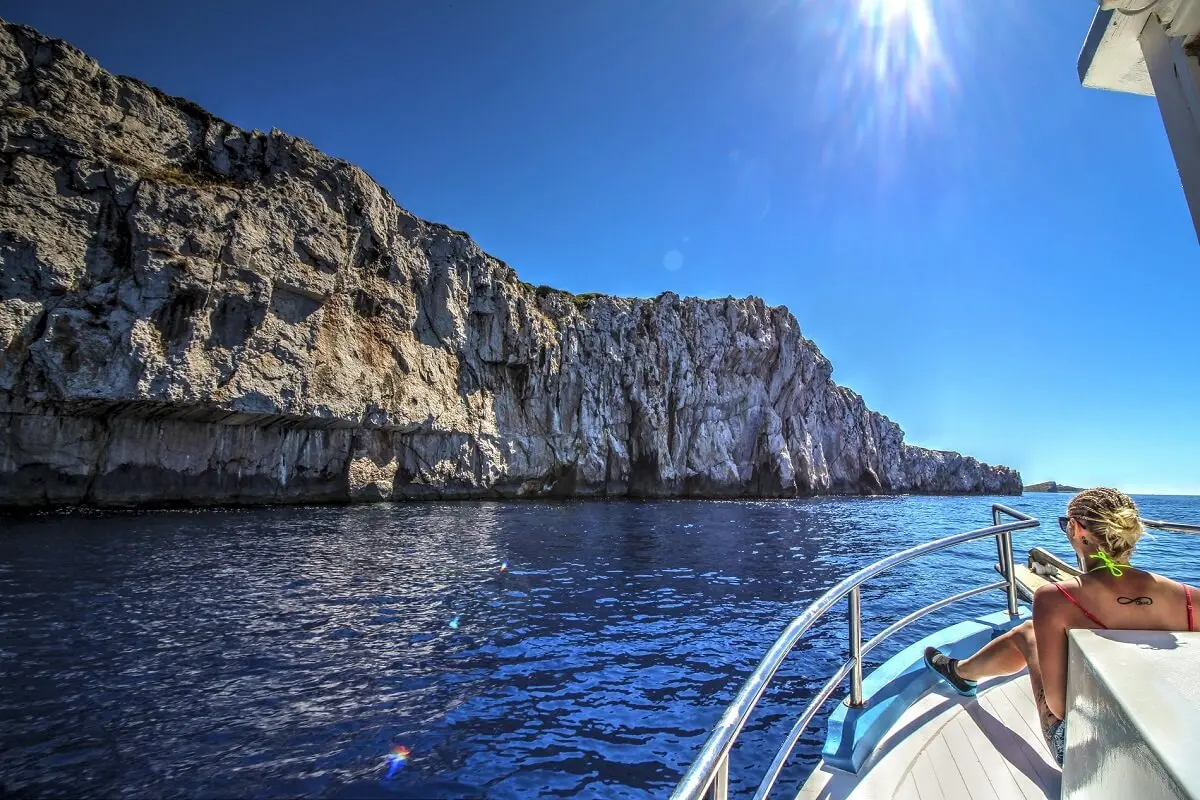
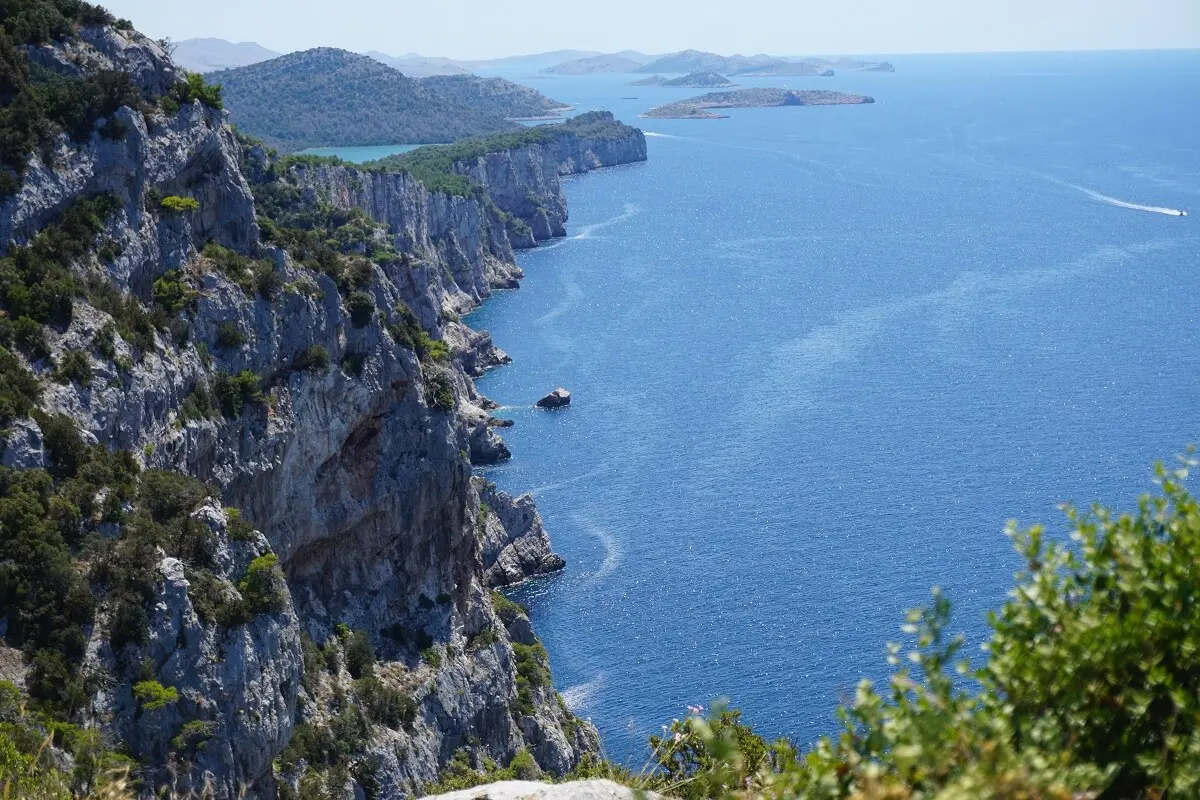
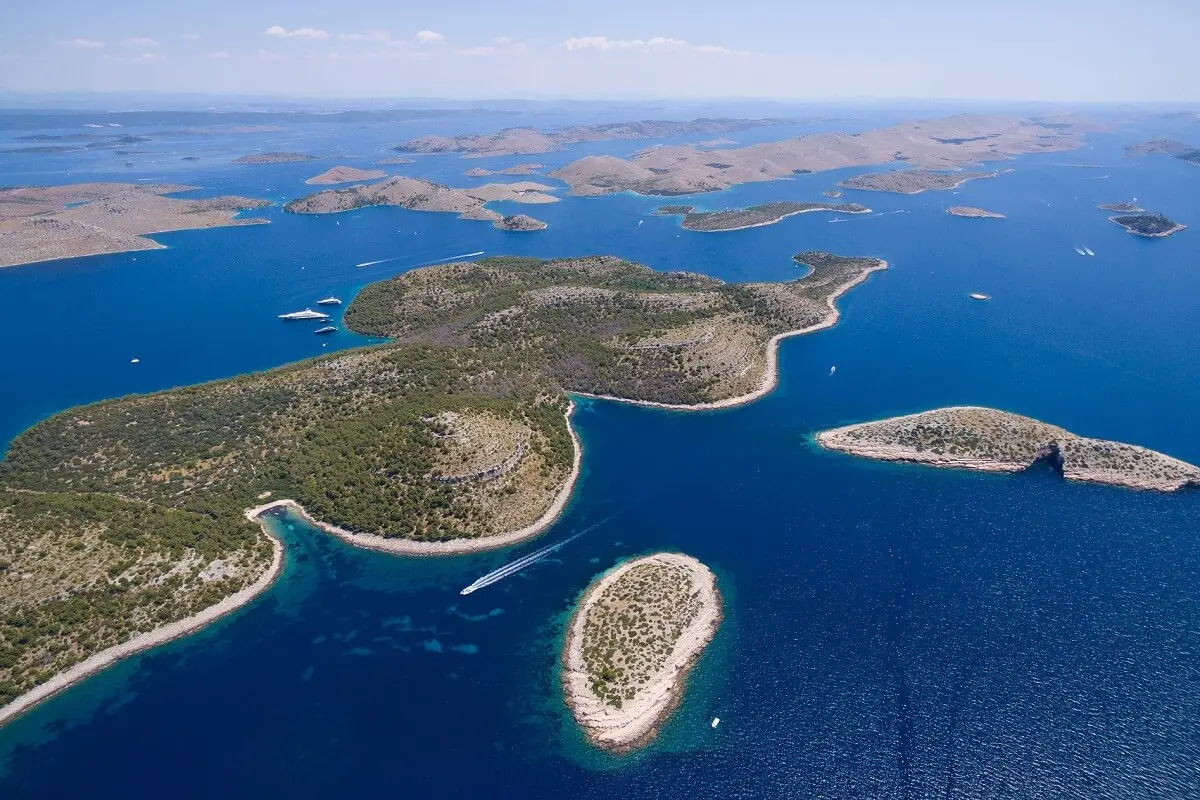
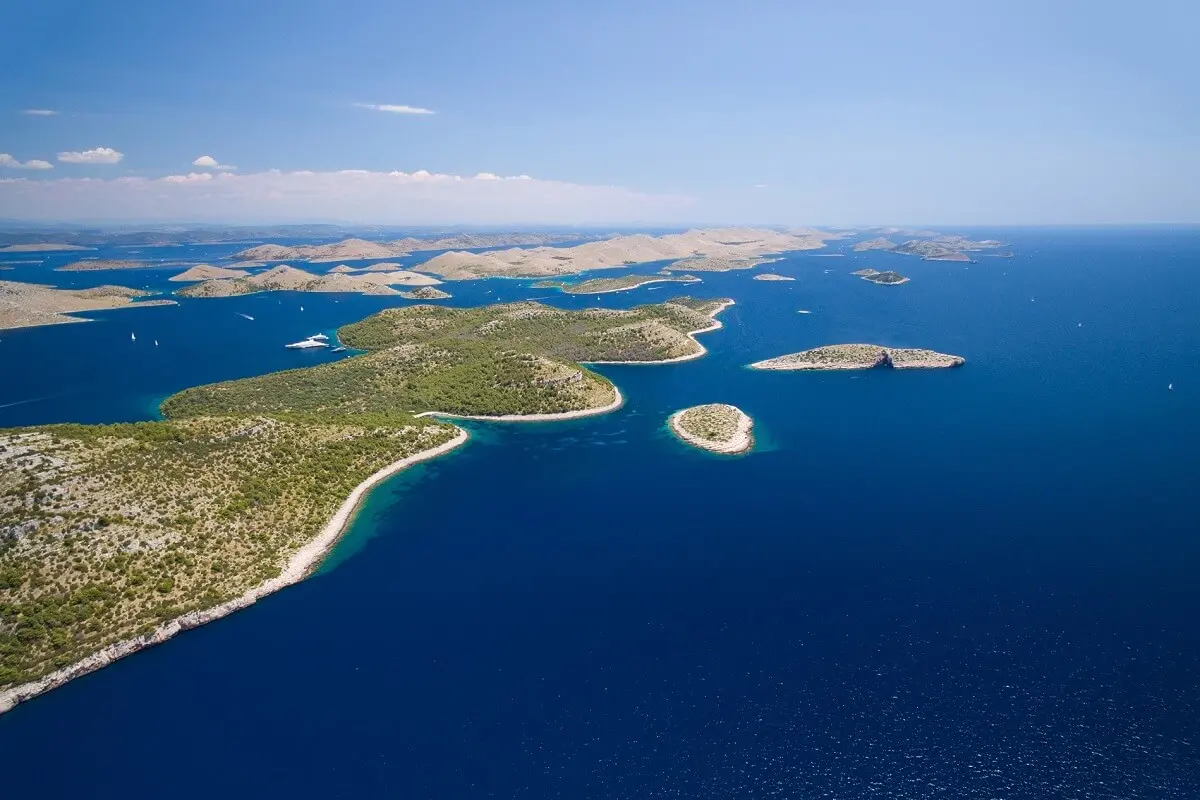
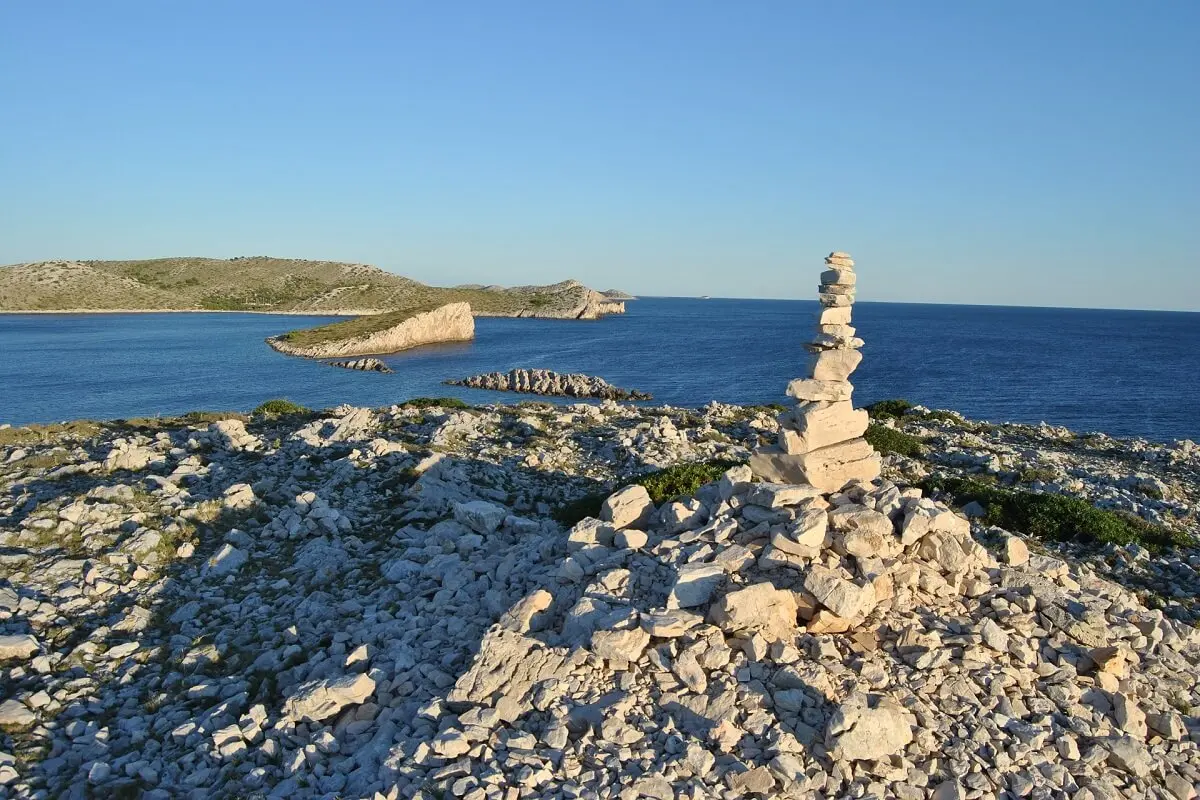
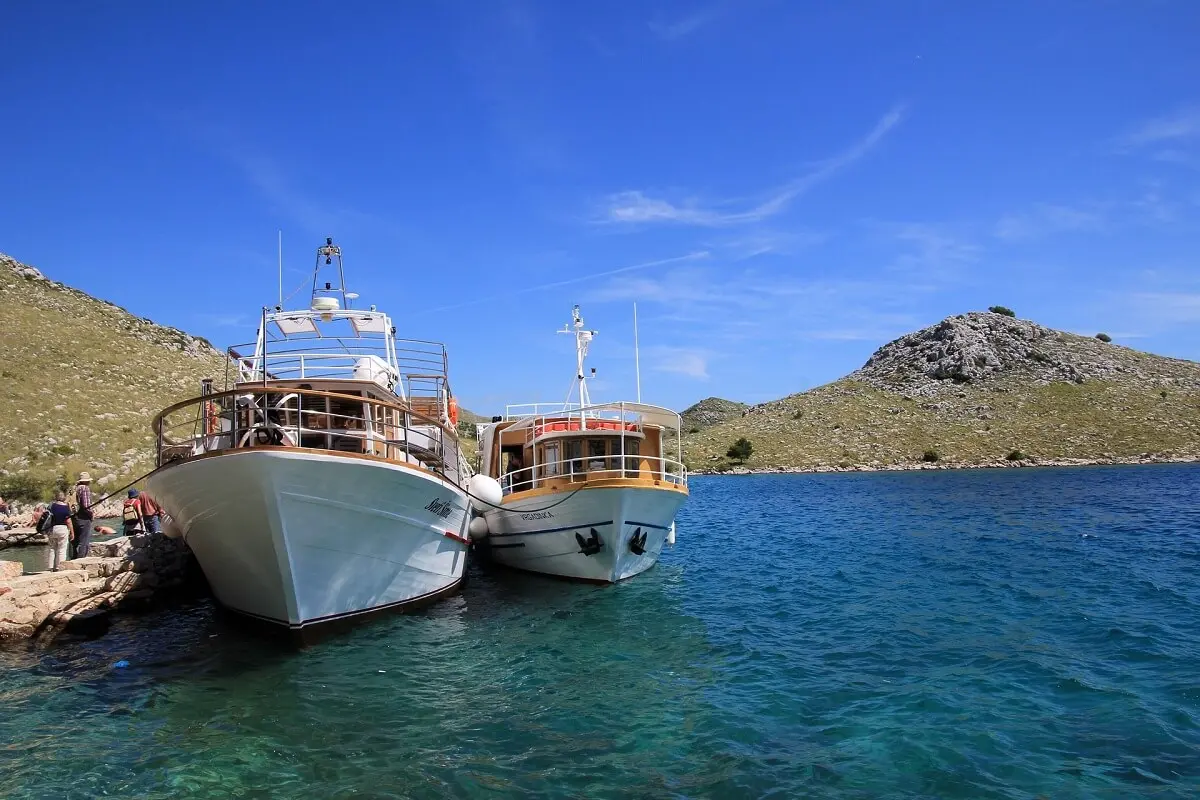
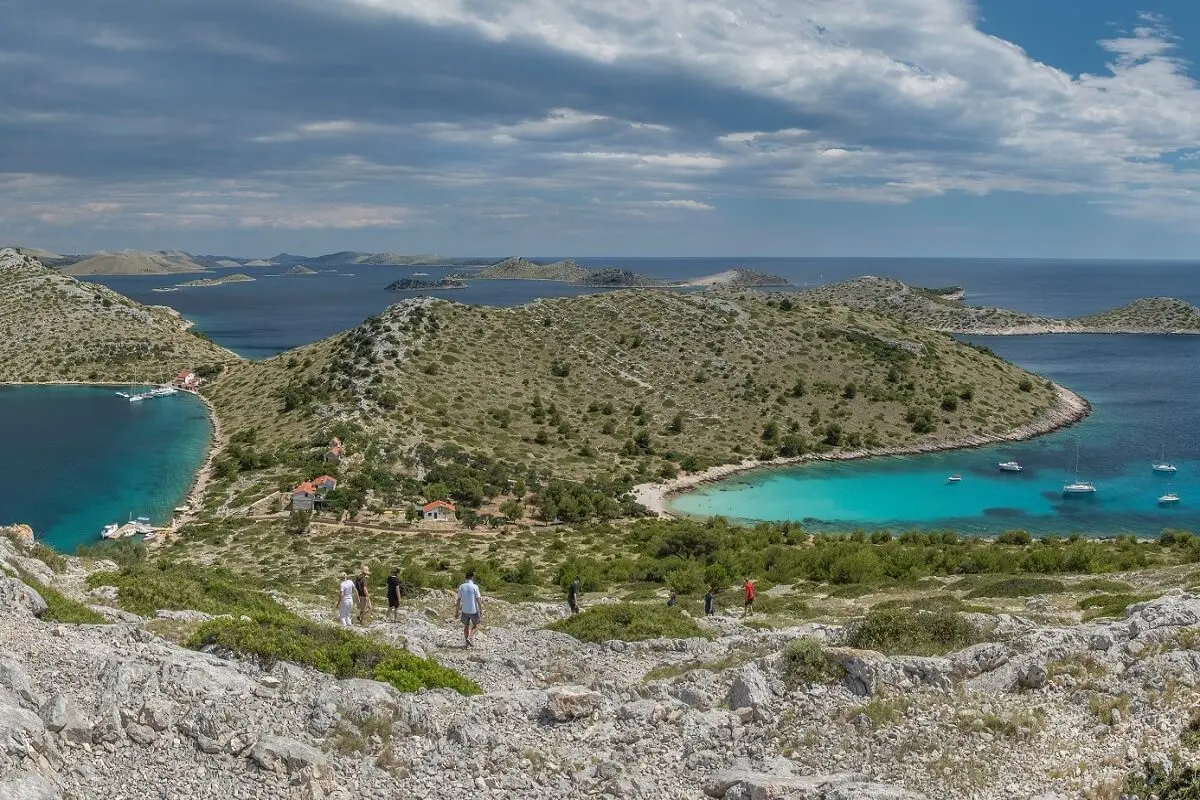
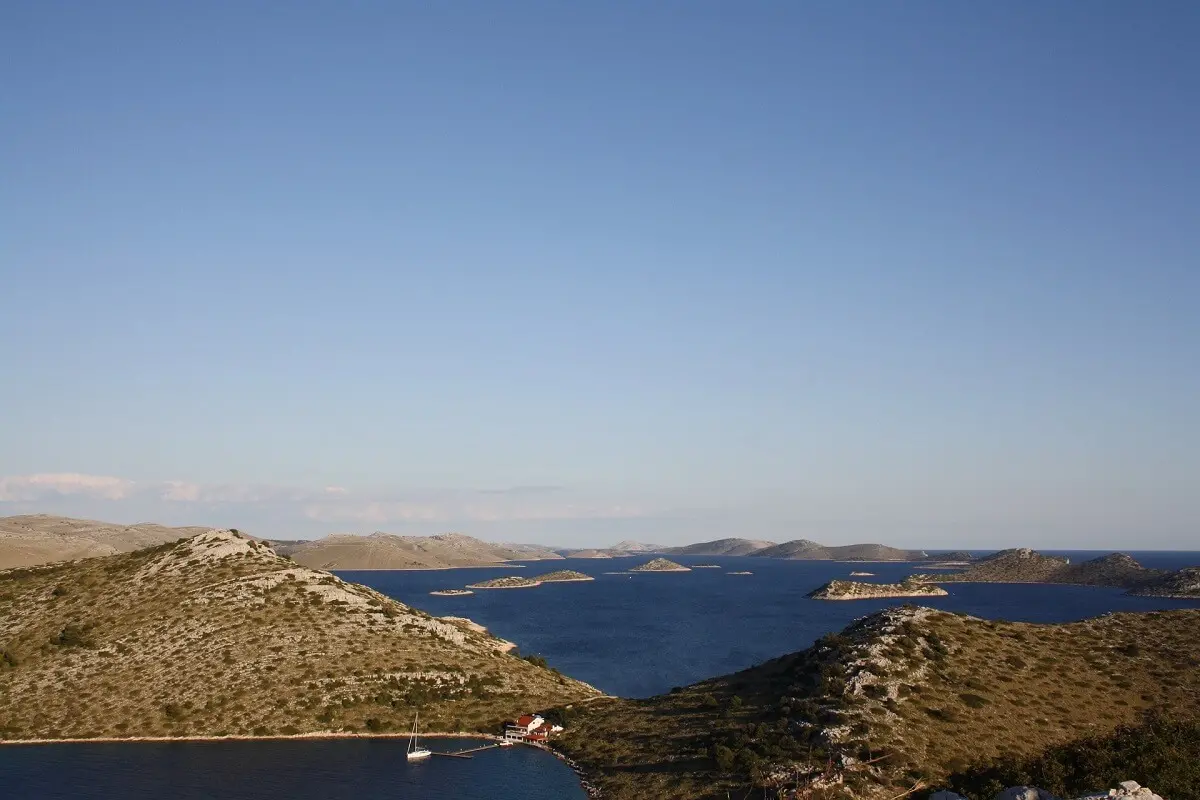
The Kornati islands are one of the most beautiful national parks in Croatia. It consists of a group of 89 islands, reefs, and islets which are situated in central Dalmatia (Šibenik-Knin county). The Kornati archipelago are a true Mediterranean paradise, an ideal place for those looking for a secluded place, far away from the city hustle, surrounded by crystal clear sea and unspoiled nature. The total area of the islands is around 220 km2. The Kornati became a national park in 1980 because of its exceptional untouched nature, diversity of marine animals, and rich underwater world. The main attraction of the national park are the vertical cliffs up to 50 meters high on the west part of the island. The Kornati islands are very popular among sailors but also for tourists who are visiting them on day trips (there are organized trips from most places in the north and central Dalmatia to Kornati islands). This beautiful national park has so many things to offer for active holidays - from walking, hiking, diving, various water sports (fishing, sailing, etc), and wildlife watching. The islands have many hills which can be reached without bigger problems, however, it is necessary to be careful especially during the strong sun. The islands have more than 20 restaurants and taverns in which you can try delicious and fresh seafood dishes (crabs, lobsters, and fish) as well as domestic lamb. An interesting fact is that the land on the Kornati is privately owned, mainly by residents of the island of Murter. The Kornati can be reached by boat (rented or owned by you) or by organized daily boat tours. They are uninhabited, so the accommodation offer is limited to private apartments, Robinson tourism, holiday homes, and private camps. Organized day trips by boat to the Kornati usually include the entrance fee to the national park and lunch.

Destinations
1

Accommodation objects
6

Island of Kornati

Island of Silba

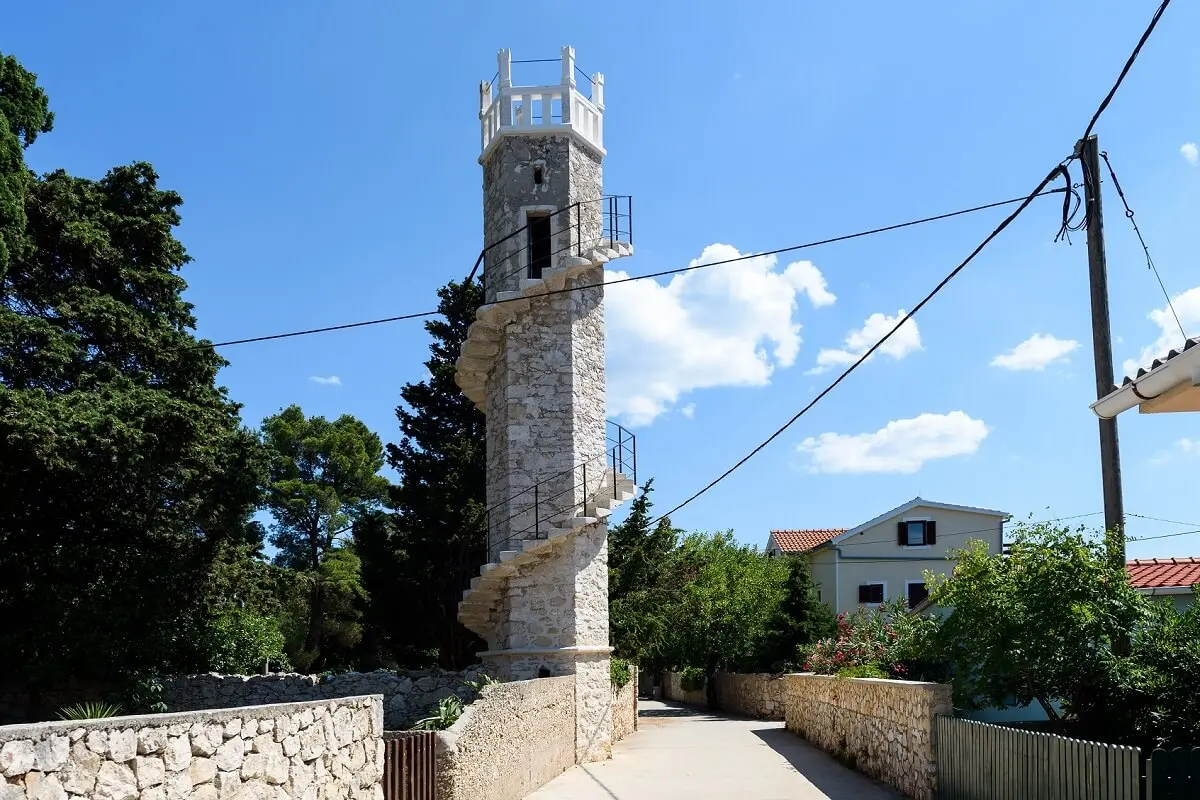
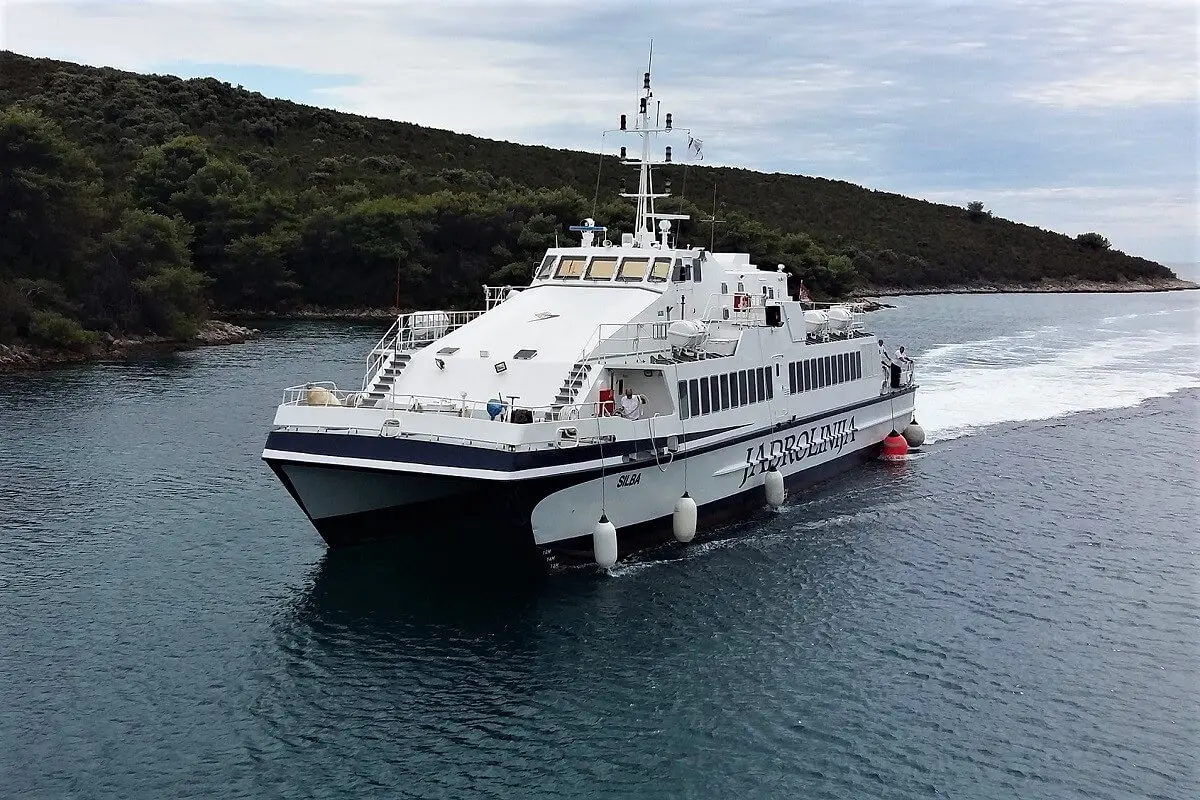
Silba is a unique island located in North Dalmatia (part of the Zadar archipelago), surrounded by islands Premuda, Ist, Olib, and Lošinj. The island of Silba is an ideal destination for families with kids because of sandy beaches and the fact that the entire island is a big pedestrian zone. Only vehicles for water distribution, small mopeds, and bicycles are allowed on the island. Silba is a relatively small island with a total surface of around 15 km2. The highest point of the island is Varh (83 meters high). The island was mentioned for the first time by Constantine “Selbo” in the 10th century (Byzantine emperor). According to different sources, the name Silba comes from two different words. The first theory explains that its name comes from the Greek word Silbon which means sand. Another theory explains that its name comes from the Latin word Silva which means forest. In the Middle Age, Silba was owned by wealthy families from Zadar and the Venetian Republic until the 19th century when the locals purchased the island. In that period, the island was known for its sailors, wooden ships, and brave captains. Today Silba has a population of around 300 inhabitants that are mainly involved in tourism. Many of them offer accommodation for tourists in their private holiday homes, villas, apartments, and rooms. The island has only one settlement that bears the same name - Silba. It is situated in central, the narrowest part of Silba so it takes around 10 minutes to walk from west coast to east coast (distance is around 600 meters). Do not forget to visit 15 meters tall stone tower of Toreta with spiral staircases. Toreta is an iconic observation tower from the 19th century situated in the center of the village which offers attractive views of Silba and surrounding islands. The oldest church on the island is the church St. John Baptist from the 15th century. Near Pocukmarak cove is a historical site of a sarcophagus from the 5th and 6th centuries. The island of Silba has plenty of attractive pebble and sandy beaches and coves. All beaches are less than 1 hour away from the center of the village and they can also be reached by boat (it is possible to rent a boat). The best beaches on Silba are main town beach Šotorišće (with sandy sea bottom), Ugljanica beach, Mavrova beach (FKK), Vele Stene beach, Slatina beach, and Dobre Vode beach. Other popular beaches are Pocukmarak cove, Carpusina beach, Žalić beach, Tratica beach, sandy Pernastica, Vela Smardeća, and Loišće cove. The traffic of motor vehicles on Silba is forbidden and the entire island is a pedestrian zone. Only bicycles, small postman mopeds, and vehicles for water distribution are allowed on the island. The island of Silba is well connected with the mainland through the two lines - ferry and catamaran lines from Zadar and boat line from the island of Lošinj.

Destinations
1

Accommodation objects
2

Island of Silba

Island of Zverinac

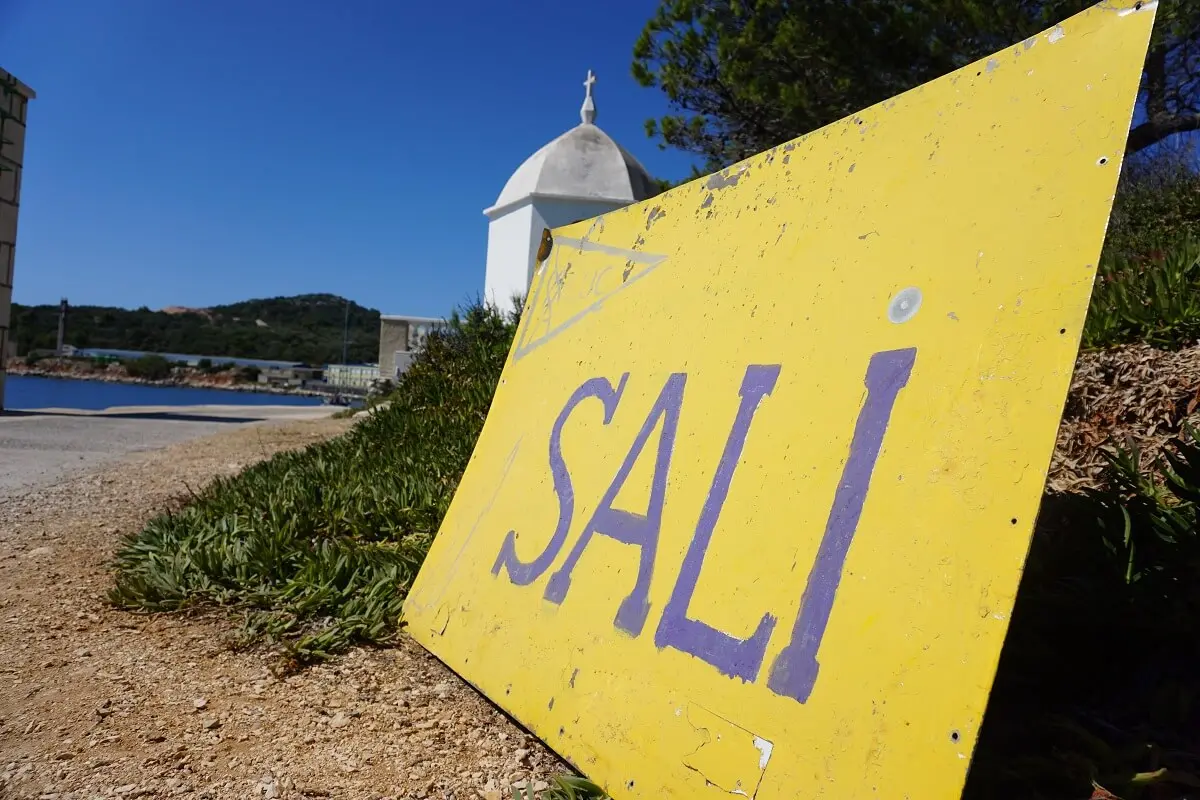
The island of Zverinac is hidden between the islands of Dugi Otok, Sestrunj, and Molat, and it is located in the Zadar archipelago. It is a quite small island (total size of 4,2 km2) with main settlement Zverinac which has only 40 permanent inhabitants. Because it is in the vicinity of Dugi Otok, it administratively belongs to the municipality of Sali (Dugi Otok). The island of Zverinac is hidden and small so it is very popular among sailors. Klis is the highest peak of Zverinac (177 meters). In Poripišće cove were found traces from the Romans who used to live on the island. For the first time, Zverinac was mentioned in the 15th century under the name Suiran. For many years it was owned by noble families from Zadar, and today, the islanders are mainly engaged in the production of wine and olive oil, agriculture, tourism, and fishery. Zverinac is a small island so it is easy to explore it by walking down its coast. Beaches on Zverinac are mainly rocky usually hidden and located in small coves. Almost every beach on the island can be reached from the land (so it is not necessary to rent or own a boat). Zverinac also has several attractive pebble beaches. The island is covered with typical Mediterranean vegetation, olive groves, and vineyards. Because of beautiful nature and greenery, you can fully relax surrounded by the sounds of nature. Escape from city crowds, crowded beaches, and everyday stress, walk around the island, and swim in the crystal clear blue sea. The island has good ferry links with Zadar and surrounding islands including Dugi Otok, Ist, Molat, Rivanj, and Sestrunj. The village of Zverinac has a restaurant and a local shop. Accommodation on the island of Zverinac is exclusively offered in private apartments, holiday homes, and rooms. The island is popular among sailors since it offers shelter from winds and sea currents and it has a great macro location - it is located near popular beach Saharun and nature park Telaščica on Dugi Otok as well as a national park Kornati.

Destinations
1

Accommodation objects
1

Island of Zverinac

Island of Zlarin

Zlarin is an island located in the Šibenik archipelago, some 2 km away from the St. Ante channel near Šibenik. Zlarin has a total surface of 8 km2 and it is covered by pine forests, fig trees, olives, rosemary, and other Mediterranean plants typical for this area. The only settlement on the island is Zlarin - a typical small Dalmatian town with old stone houses, narrow streets, and the cute bell tower of the local church. The inner part of the island is uninhabited and it is covered by forest and bushes why it is often called the green island. Similar to the island of Prvić, cars are not allowed on the island of Zlarin, which makes it ideal for carefree vacation of families with small children. Island of Zlarin has less than 300 permanent residents, but during the season population increases significantly. The locals are mainly engaged in tourism, fishing and agriculture - on the island are cultivated figs, olives and other Mediterranean cultures. Zlarin is also known as the coral island. The processing of red corals has been present on Zlarin since the 15th century, and this traditional way of coral processing has been cherished until today. We recommend buying original products made of corals which can be found in local souvenir shops. The island of Zlarin offers many opportunities to its visitors. Zlarin has many attractive pebble beaches surrounded by crystal clear sea. For those looking for active holidays, we recommend bike riding, hiking, walking, kayak riding, trekking, and sailing. The highest point on Zlarin is 169 meters high Klepac from which you can enjoy magnificent views over the Šibenik archipelago, St. Ante channel, Velebit mountain and the open sea. We recommend going for a boat trip for visiting one of the surrounding islands such as the island of Obonjan. Zlarin is rich in cultural heritage and it has many churches of which the most known are the church of the Ascension of the Virgin Mary from the 14th century and the church of St. Roko from the 17th century. Because of its vicinity to Šibenik and regular ferry lines from Šibenik and Vodice, Zlarin is a very accessible island. The ferry ride is short but it offers a magnificent opportunity to enjoy views of the fortress of St. Nicholas, one of the pearls of the Adriatic sea. Accommodation on the island is mainly offered by private renters in apartments, holiday homes and rooms.

Destinations
1

Accommodation objects
3

Island of Zlarin

Island of Mljet

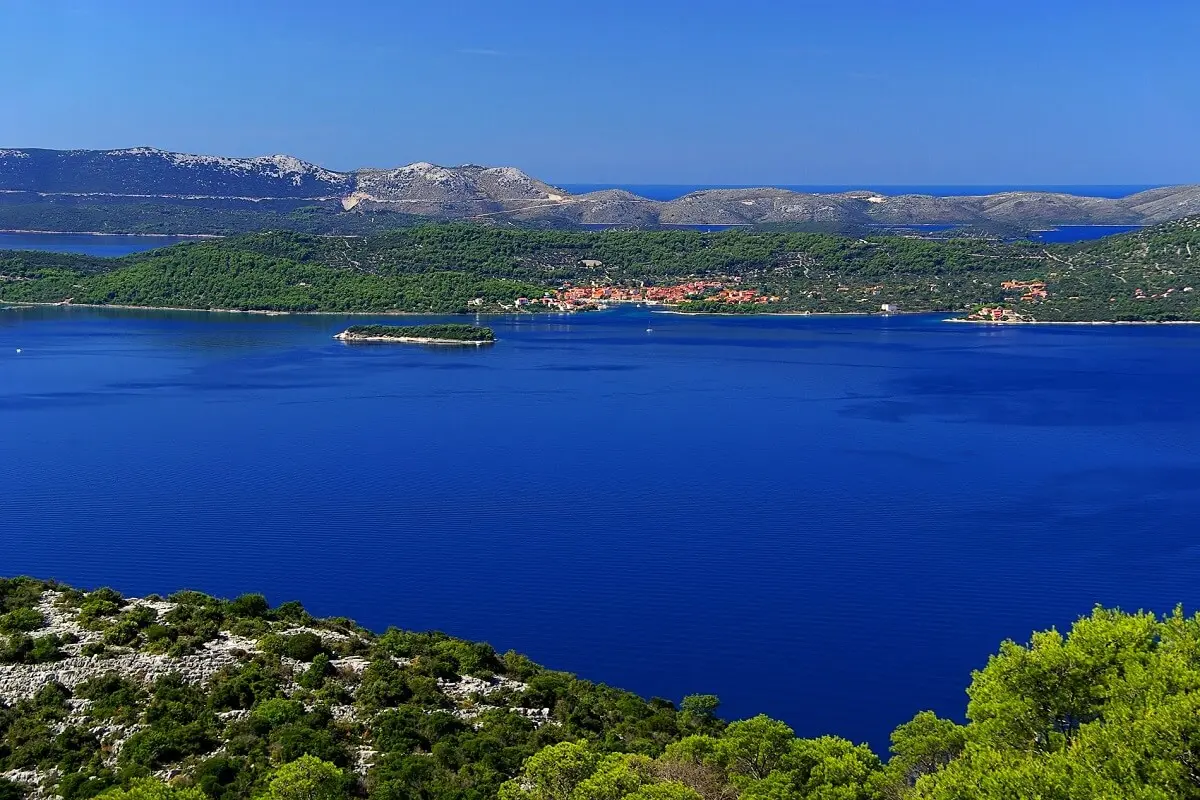
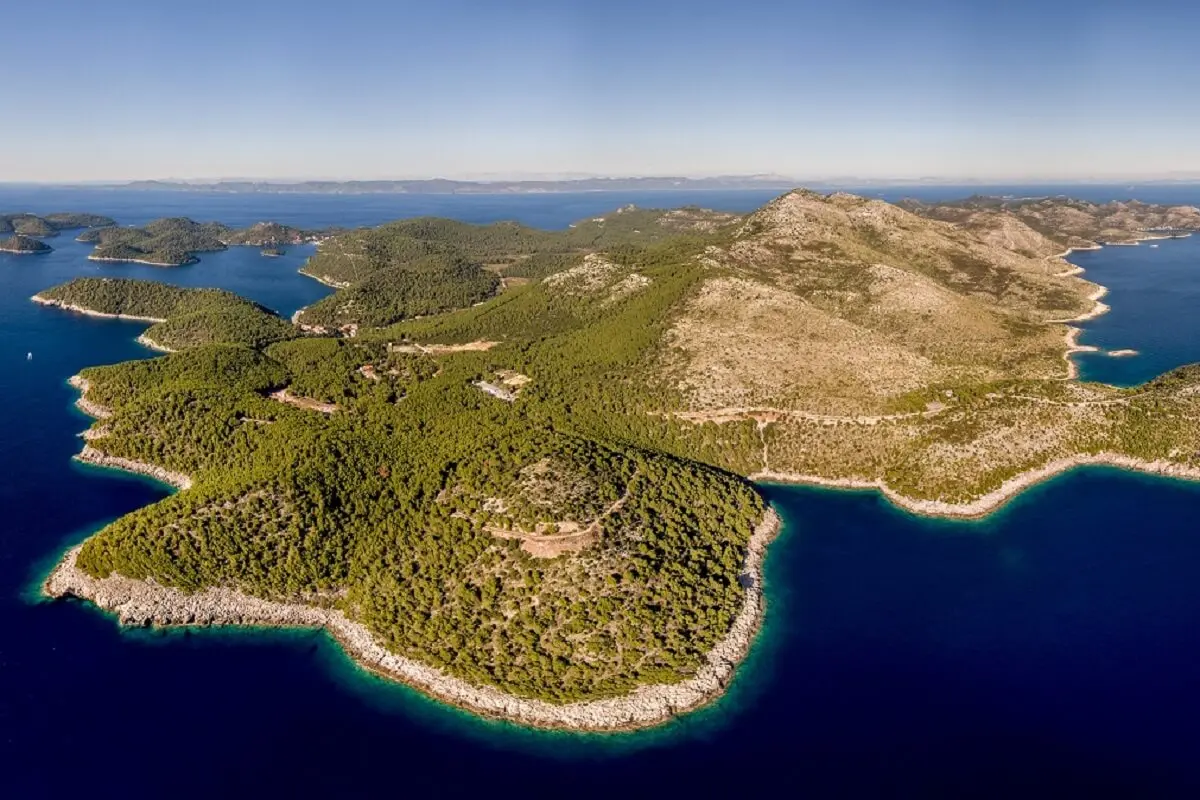
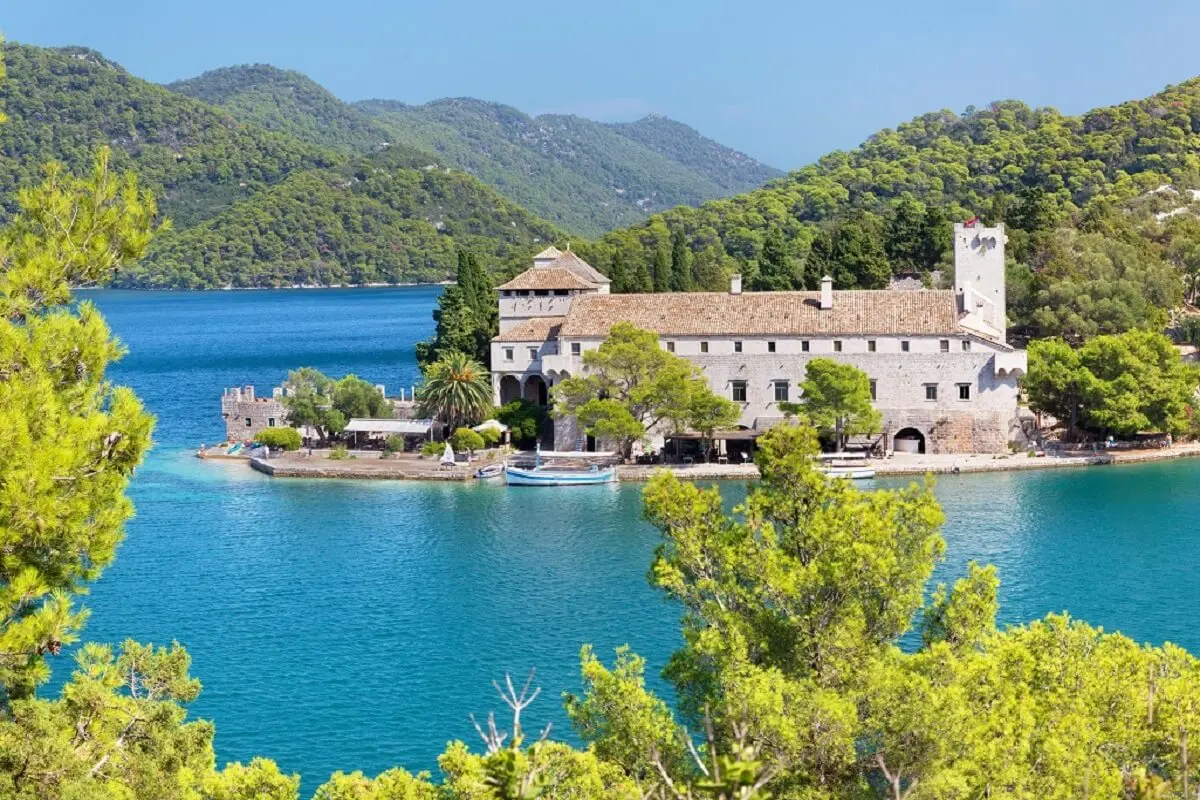
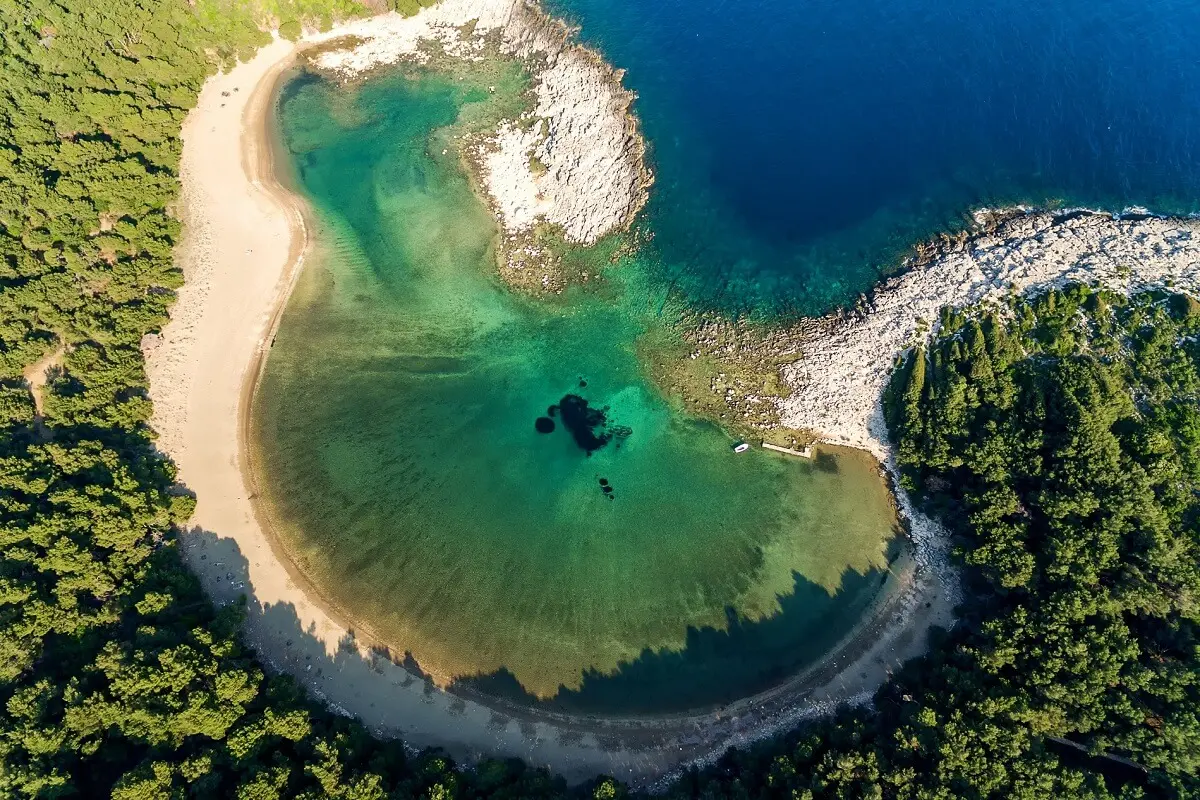
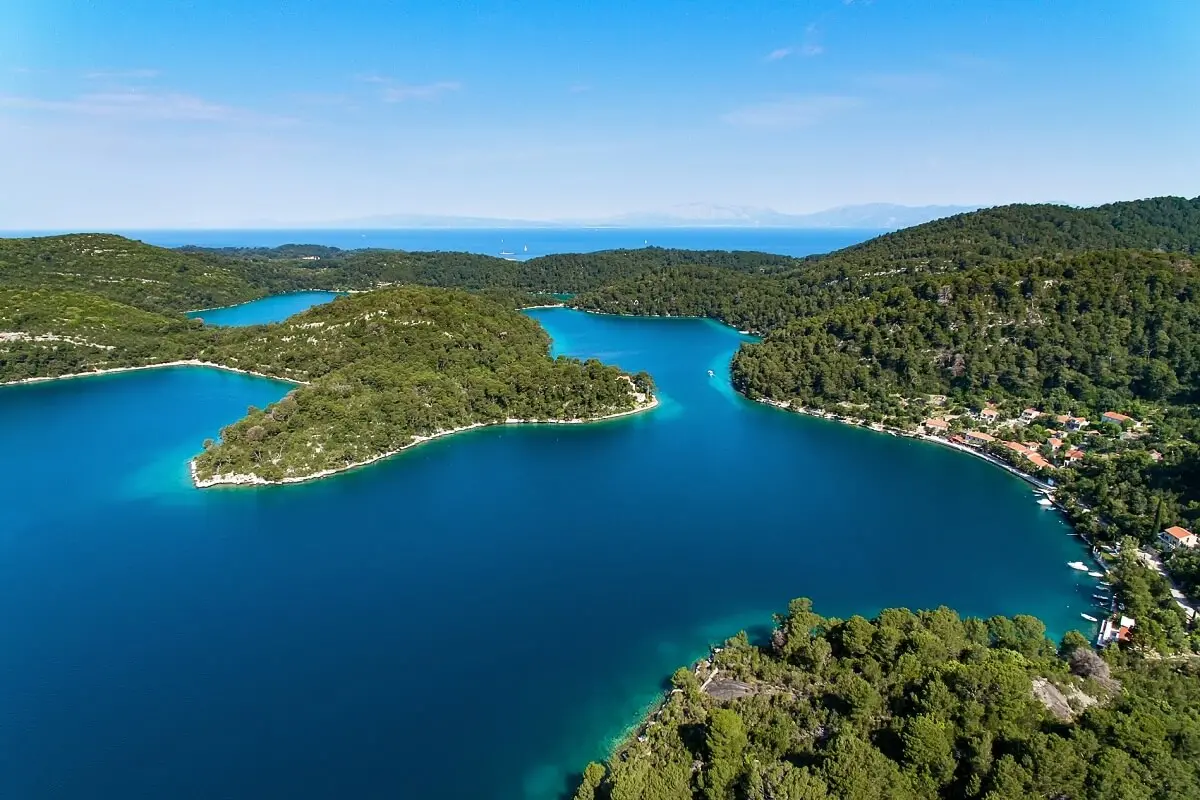
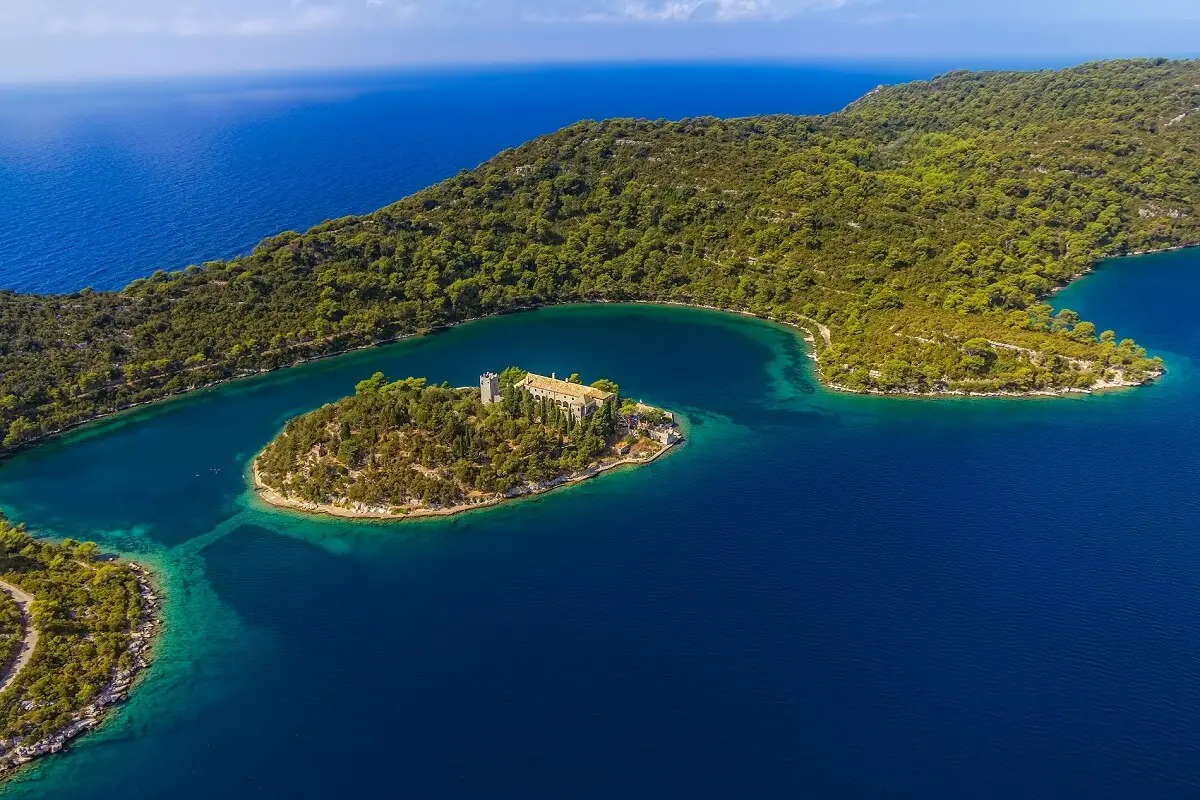
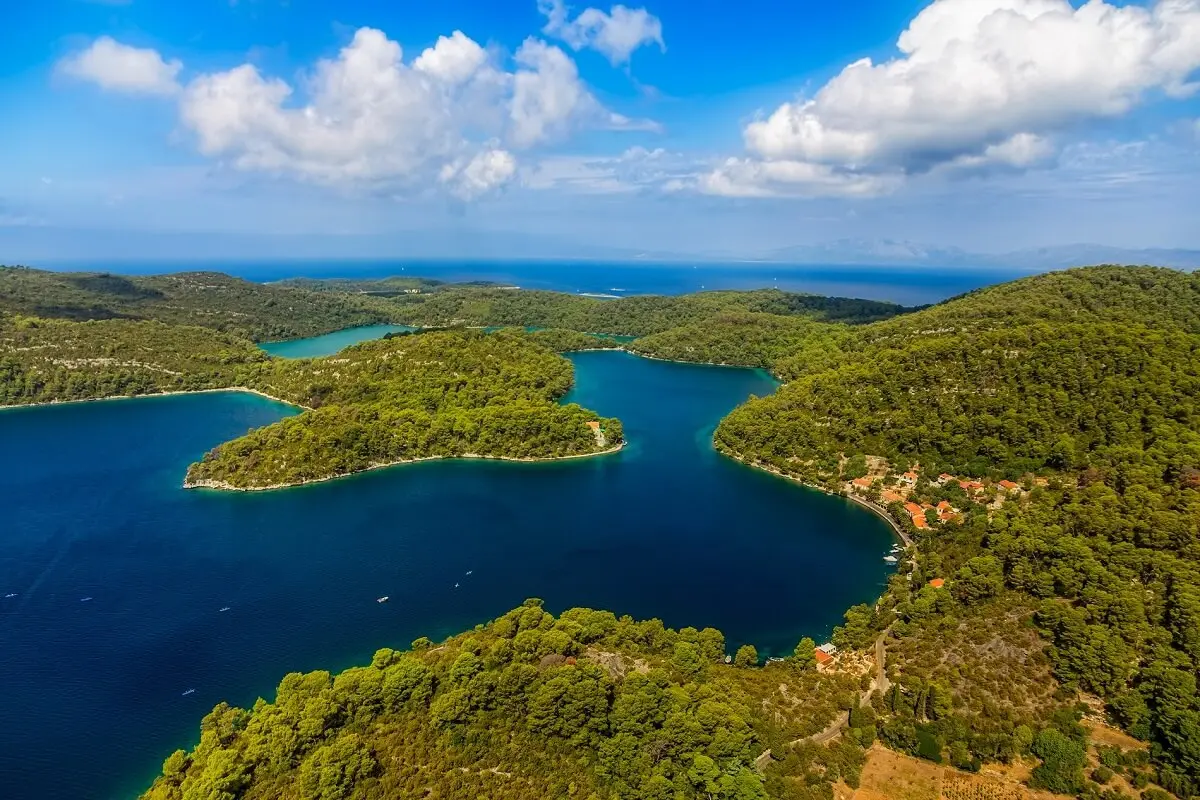
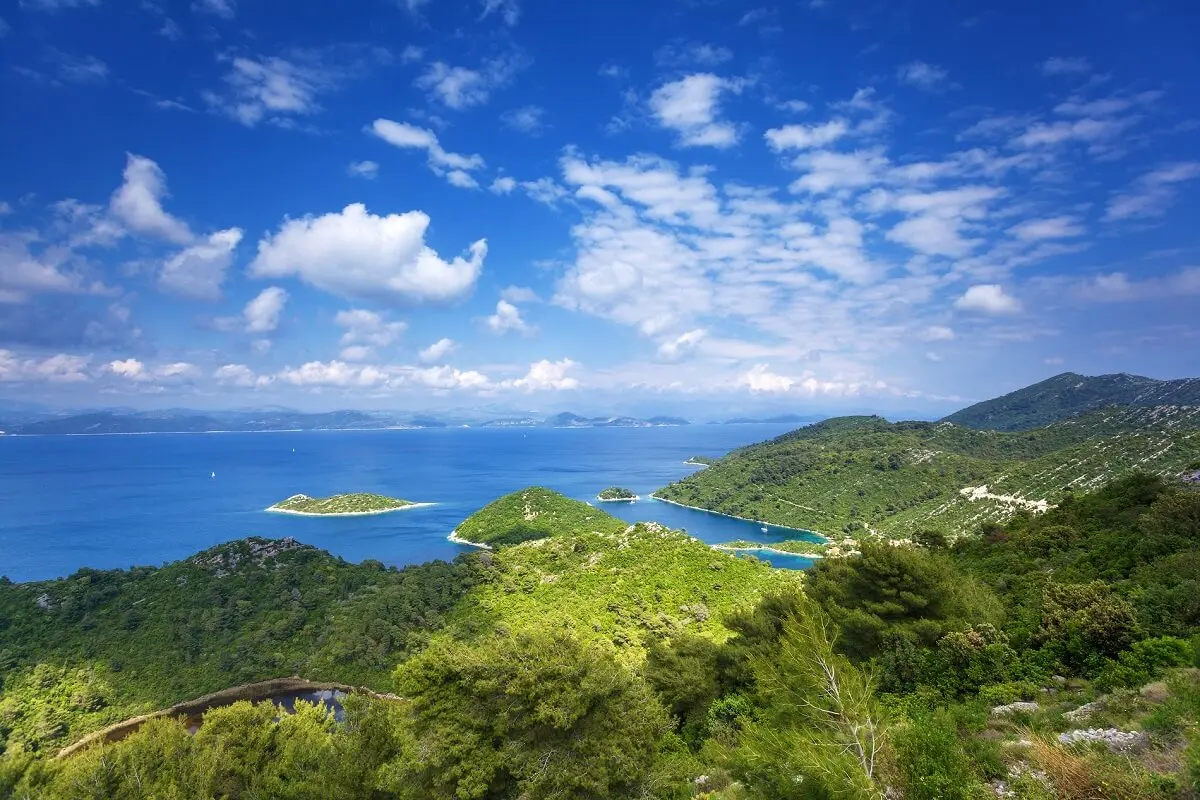
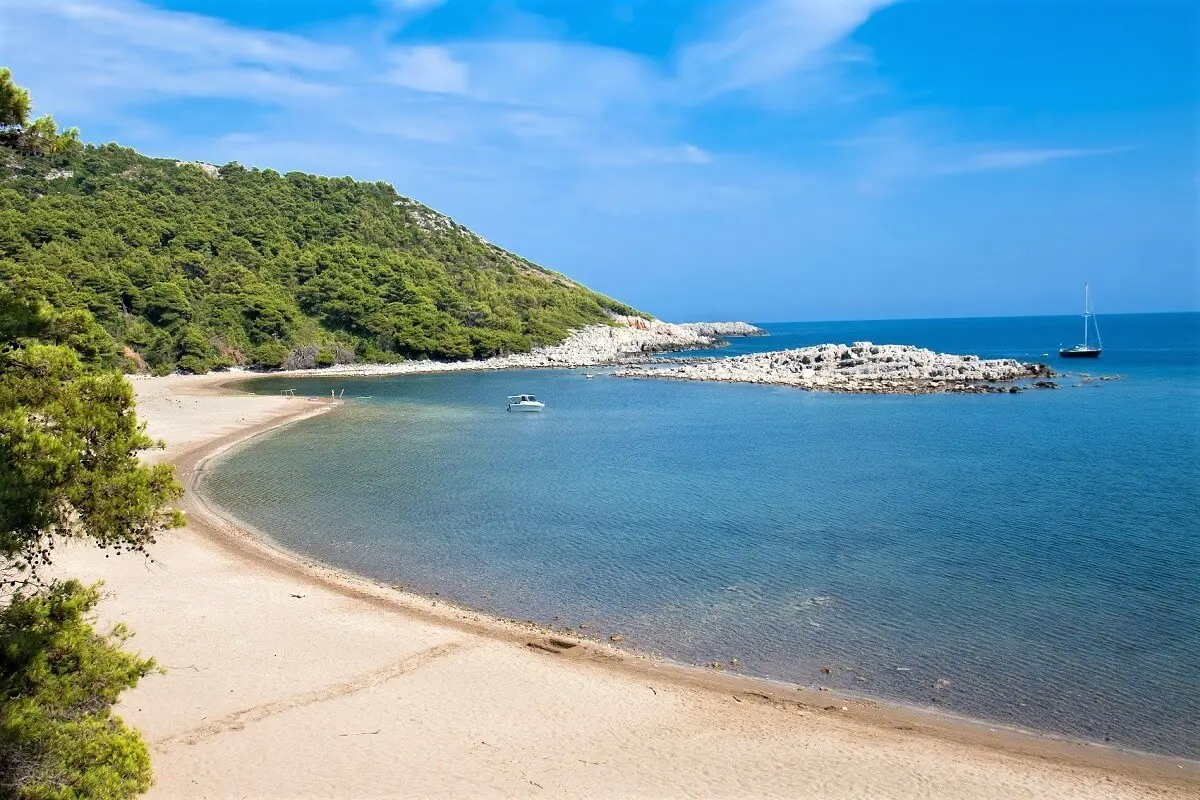
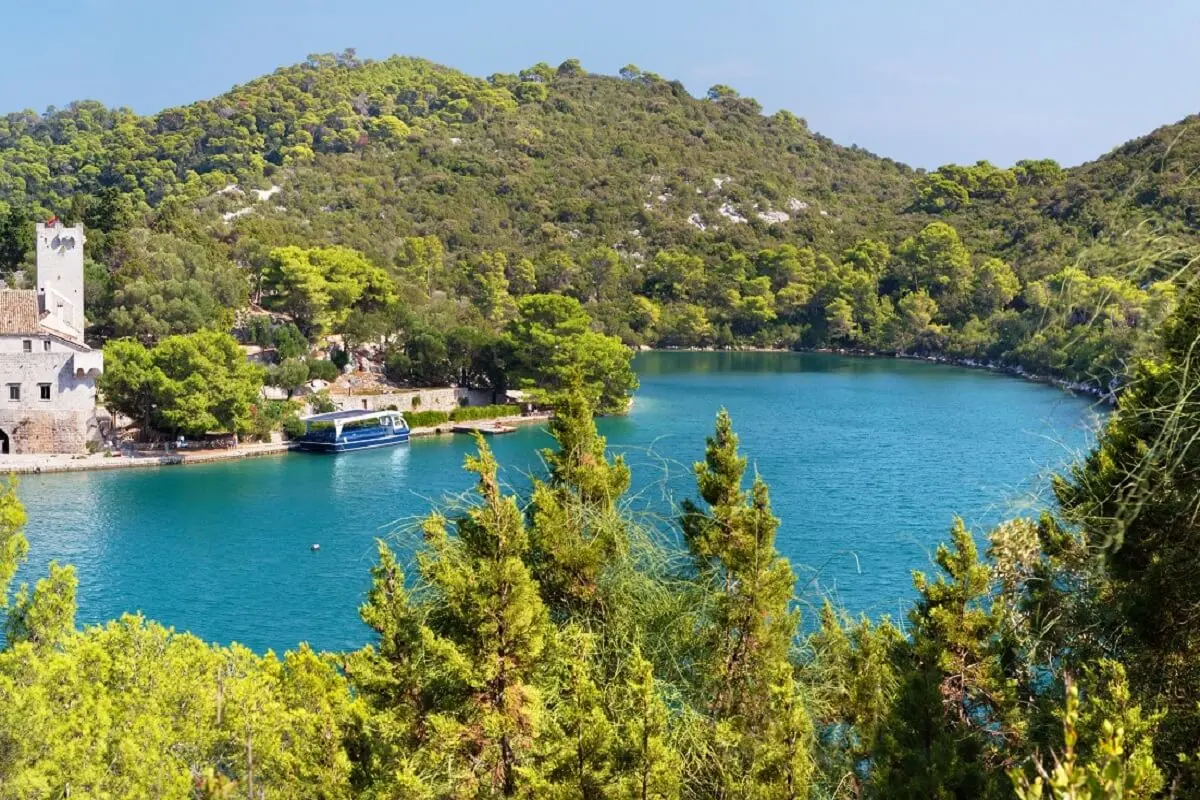
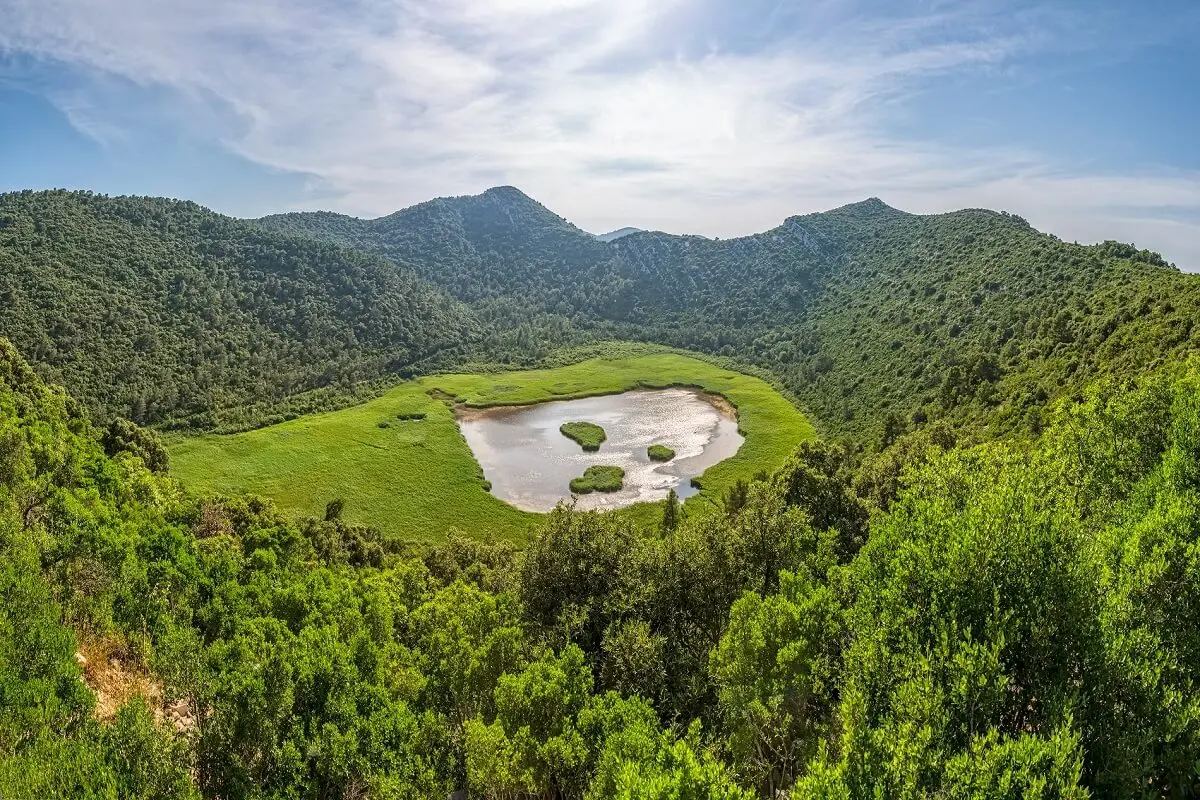
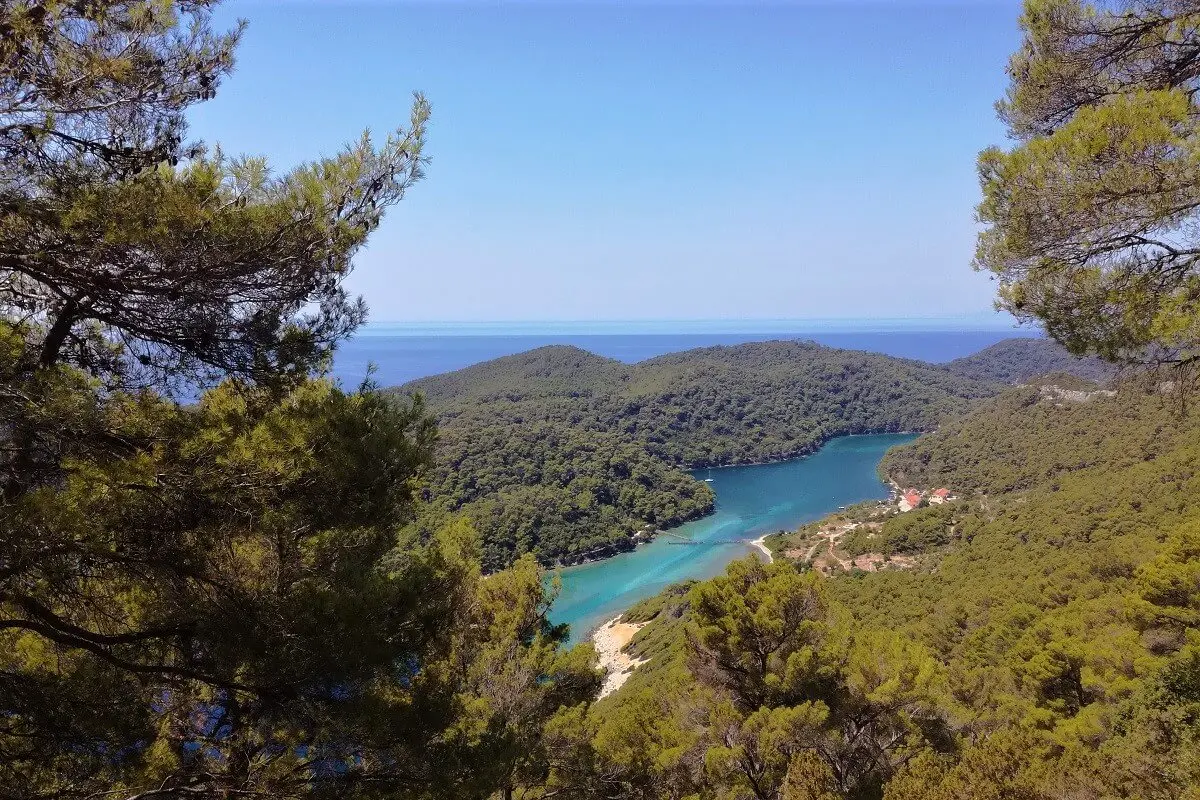
The island of Mljet is the greenest and, according to many, the most beautiful island in the Adriatic. What makes it unique is the Mljet National Park which is located on the northwest of the island. The majority of the island is covered by forests of pine trees and oak why it is also known as the green island. Mljet is a quite remote island, however, it has been inhabited for more than 4000 years. Today, the island has around 1,000 permanent inhabitants. The largest settlements on the island are Babino Polje, Sobra, Goveđari, Pomena, and Polače. National park Mljet is one of the most beautiful national parks in Croatia. It covers an area of around 54 km2 of protected sea belt, islets, cliffs, land, dense pine forests, islets, rocks, and untouched nature. The park has natural phenomenons Veliko lake and Malo lake - two saltwater lakes in the karst. In the middle of Veliko lake is St. Mary, a small island with a church and Benedictine monastery from the 12th century. Mljet offers a variety of different activities for its guests including cycling, walking, hiking, canoe ride, kayak ride, diving, speleology, and many others. Climb to the highest peak of the island, 514 meters high Veliki Grad from which you can enjoy spectacular views of Mljet and nearby islands. The best beaches on the island of Mljet are pebble beach Sutmiholjska, Blace beach (Limuni), and sandy Saplunara beach. The famous huge egg-shaped Odysseus cave is located on the south side of the island. This karst hole (pit) is named after Odysseus, a Greek legend who, according to the legend, survived a shipwreck near the Odysseus cave on Mljet. Mljet is a remote island and it can be reached by ferry from Prapratno (peninsula of Pelješac) or by boat line from Split or Dubrovnik. The island of Mljet is not overdeveloped in terms of tourism so accommodation can mainly be found in private apartments, holiday homes, and rooms.

Destinations
1

Accommodation objects
4

Island of Mljet

Island of Ugljan

The island of Ugljan is located next to the island of Pašman in the Zadar archipelago. It is often called a green island because it is covered by pine trees, Mediterranean greenery, vineyards, olive trees, and woods, combined with a clear sea and untouched nature (60-70% of the island is covered by vegetation). As it is close to Zadar, it was always a very popular destination for tourists looking for peace and tranquility. One of Ugljan’s main characteristics are attractive beaches and hidden bays. The most popular destinations on Ugljan are small tourist and fisherman settlements of Preko, Kali, Ugljan, and Kukljica. The island has been inhabited since the stone age and today it has a population of more than 7000 inhabitants. The best beaches on Ugljan are Ćinta bay, Batalaža beach in Kali, sandy Jaz beach in Preko, Velika Sabuša beach in Kukljica, Mostir beach in settlement of Ugljan and Južna Luka in Muline. Visit the small island of Školjić (or Galevac) which is only 85 meters away from Preko, and on which is the monastery of St. Paul from the 15th century. Although the highest point of Ugljan is Šćah, the peak of St. Mihovil (263 meters high) with an old fortress is more popular. From the top, you can enjoy remarkable panoramic views over the Zadar archipelago and islands of Pašman, Dugi Otok, Sestrunj, and Iž. Ugljan is a perfect destination for those looking for active holidays - biking, hiking, kayaking, scuba diving or just swimming in a crystal clear Adriatic sea. As three Croatian national parks (Kornati, Paklenica, and Krka) and two nature parks (Telaščica bay and Vrana lake) are close to Ugljan, the island is the ideal location for exploring the Zadar area and archipelago. The island is accessible since there are frequent daily ferry lines and boat lines from Zadar port (Gaženica). Also, it is connected with the island of Pašman by a bridge, offering more opportunities for exploring and active holidays. Accommodation offered by private renters prevails on the island (apartments, holiday homes, rooms...).

Destinations
4

Accommodation objects
38

Island of Ugljan

Island of Ilovik

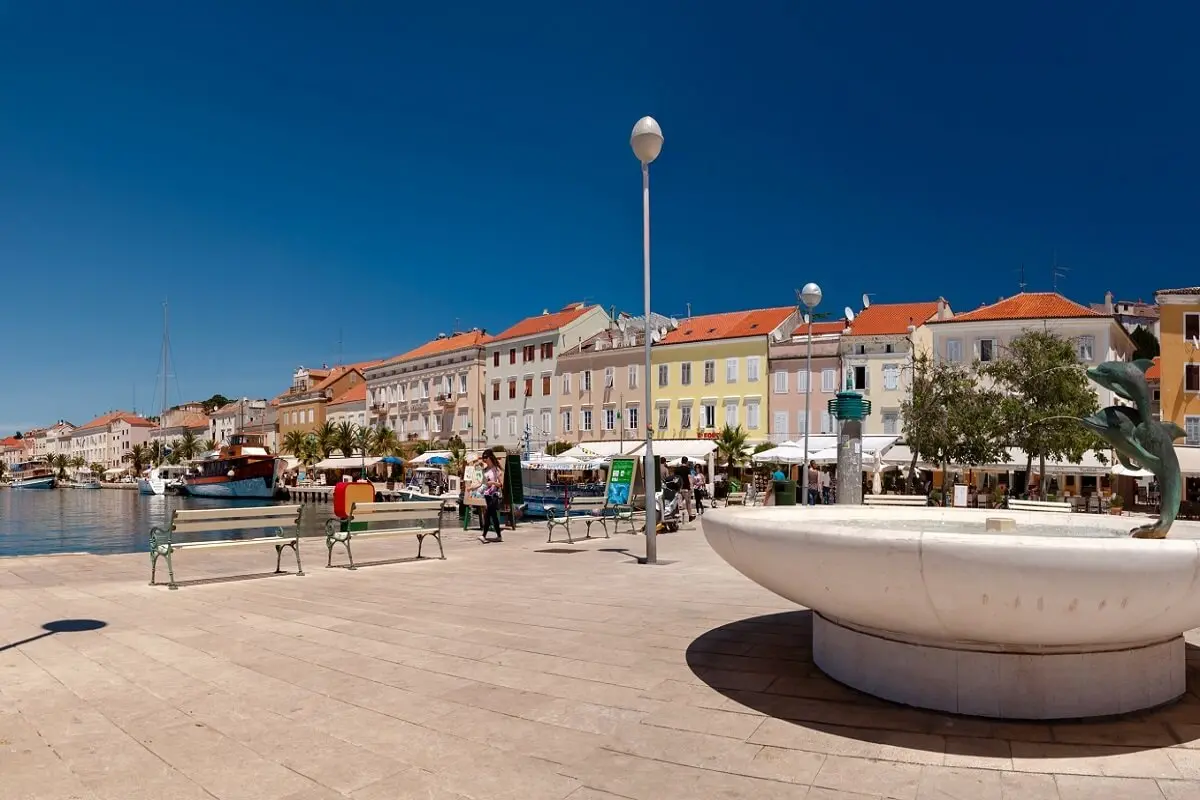
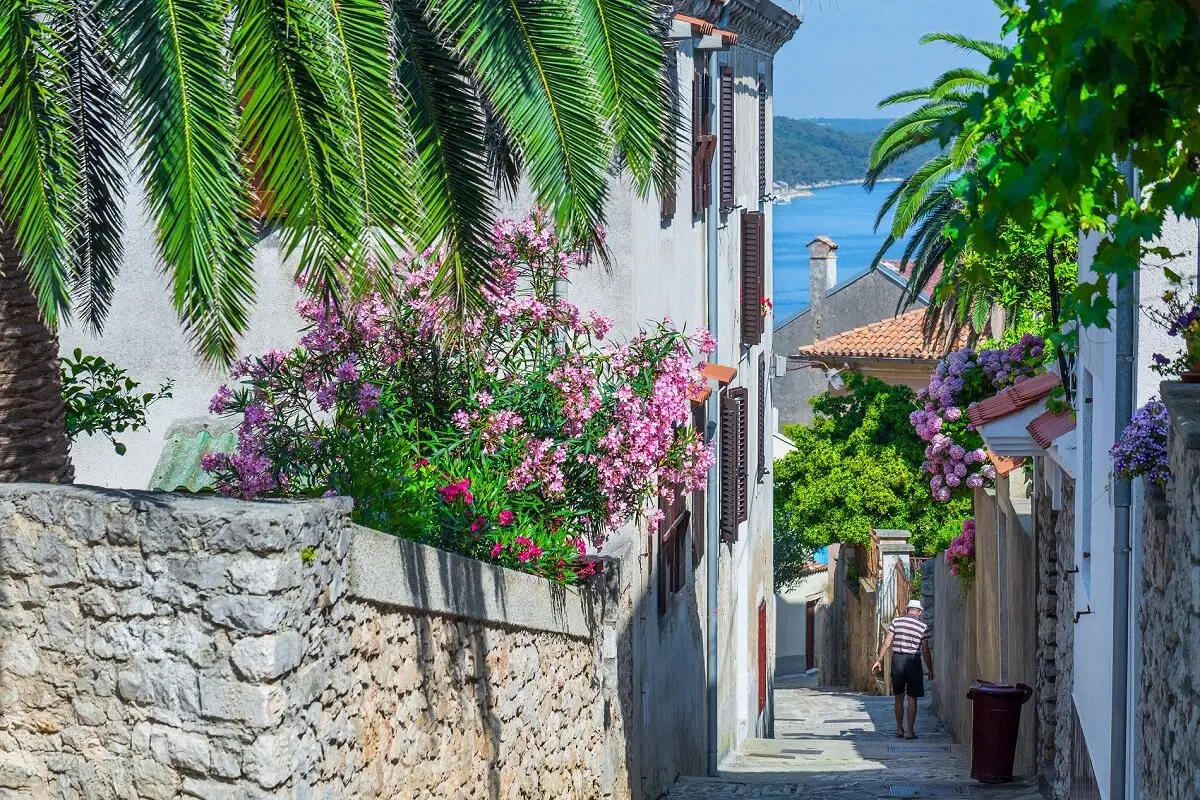
Ilovik is a small island located in the Lošinj archipelago, one kilometer south of Lošinj. It has a surface of 5.5 km2. The only inhabited settlement on the island has the same name - Ilovik. Its name arrives from a type of clay that prevails on it. 300 m wide and 2.5 km long channel separates Ilovik from the island of Sveti Petar, a small uninhabited island with a small local cemetery and Benedictine monastery. Both islands are protected from stronger winds which makes them a safe zone for local fishermen and sailors. The island of Ilovik has many historic ruins and cultural traces of Illiryans and Romans including numismatic objects, old walls, sarcophaguses, and underwater archeological sites. Today the island has less than 200 inhabitants. On Ilovik there is no bank, ATM, and pharmacy. Ilovik is specific because it has 2 eucalyptus trees that are more than 100 years old. It is rich with Mediterannean vegetation, palm trees, flowers, oleander, roses why it is often called - the island of flowers. Paržine beach is a beautiful sandy beach located on the southeast side of Illovik. The island is well connected by regular lines from Mali Lošinj and Rijeka. However, it is more often reached by small boats from Mrtvaška cove (south Lošnj). During the summer, many excursion boats from Mali Lošinj and Veli Lošinj visits Ilovik. There are no cars on the island, while accommodation is available only in private apartments, holiday homes, and rooms.

Destinations
1

Accommodation objects
1

Island of Ilovik

Island of Cres

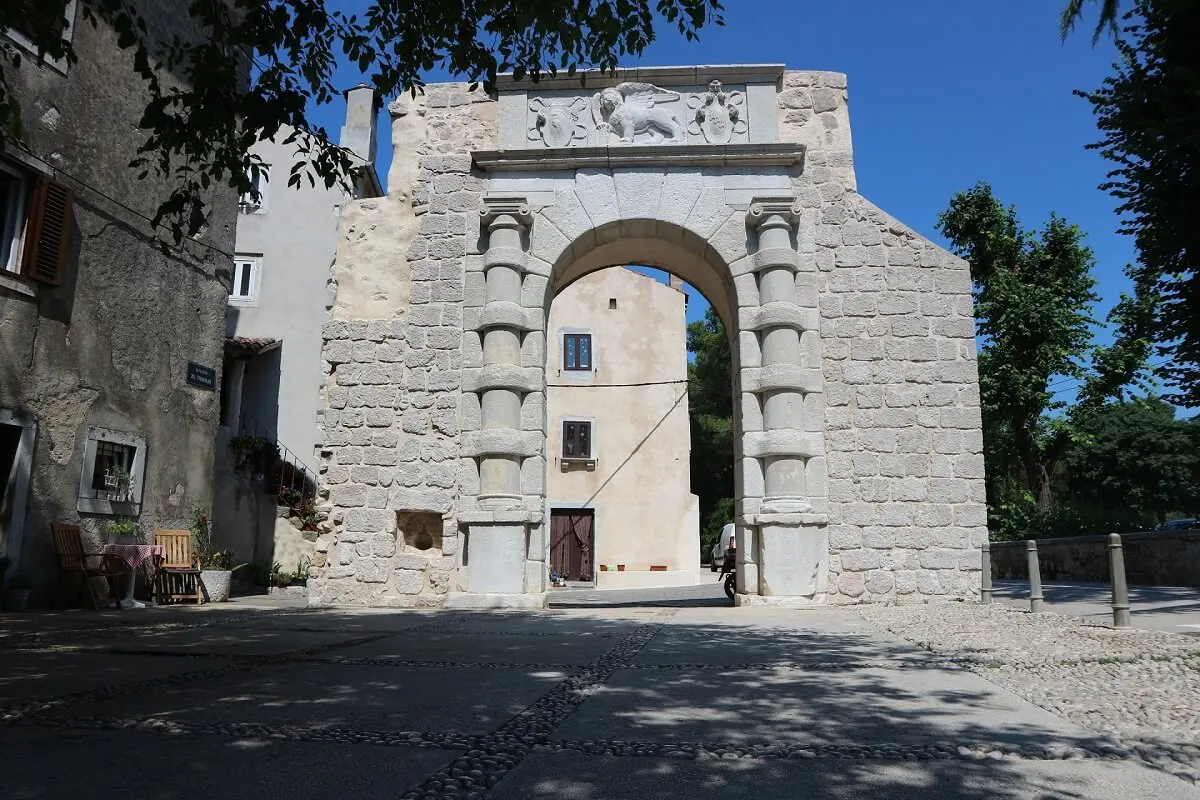
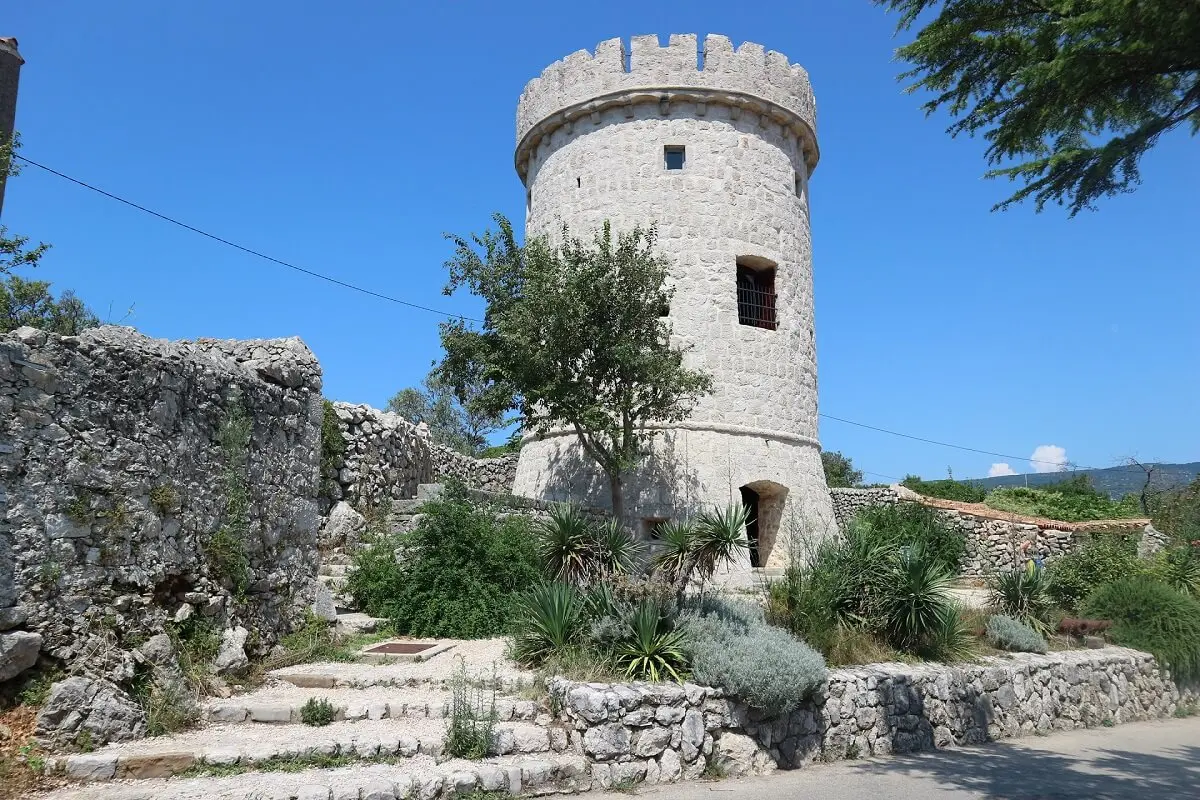
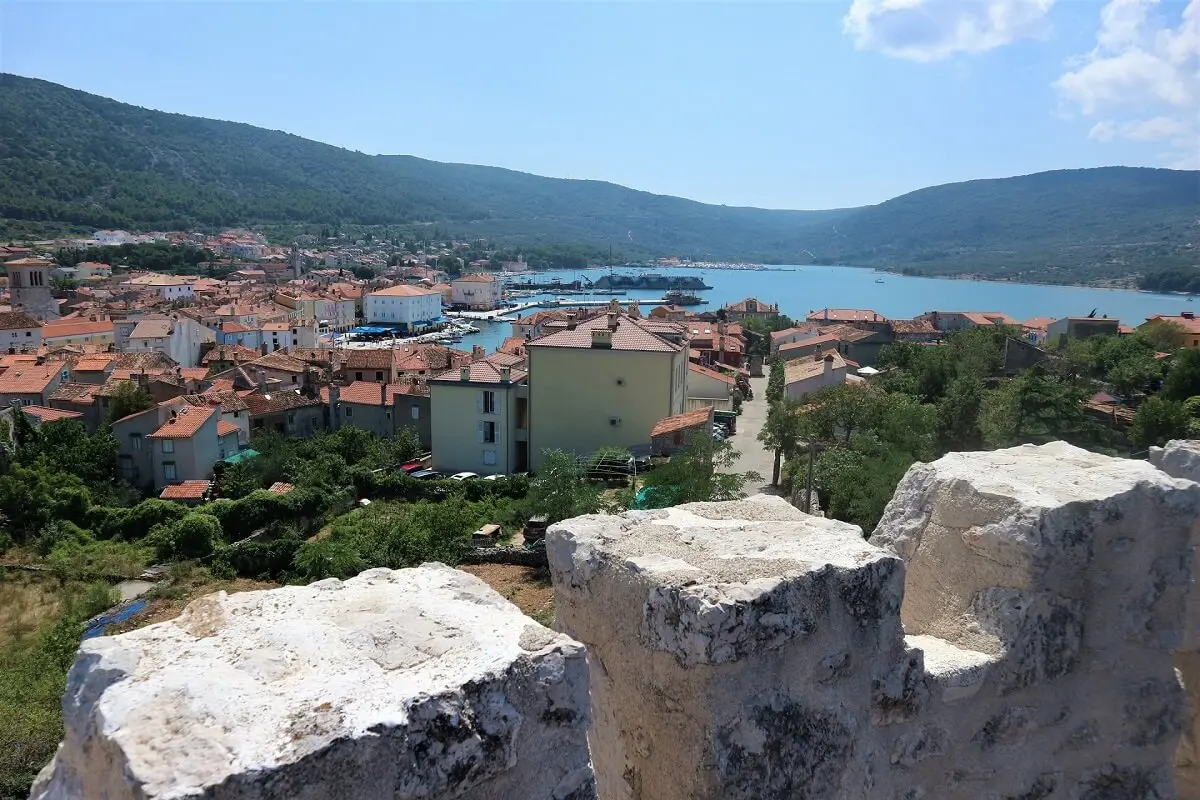
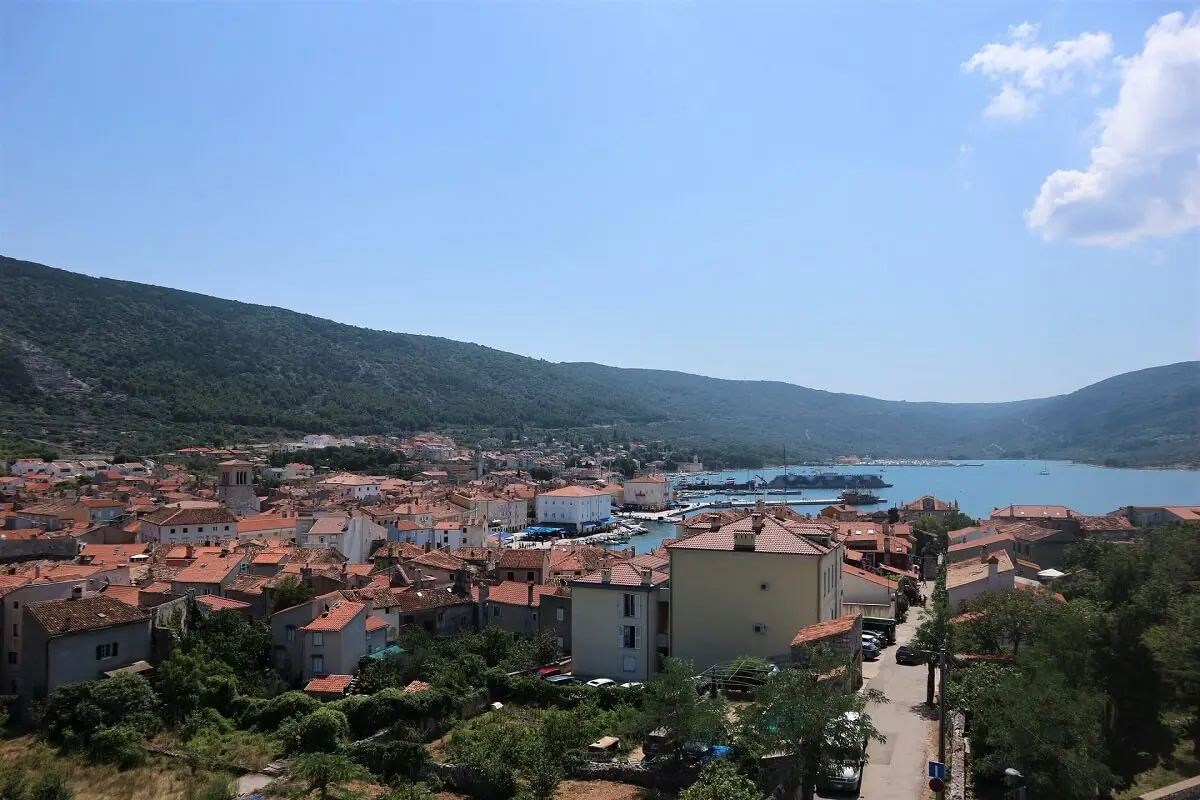
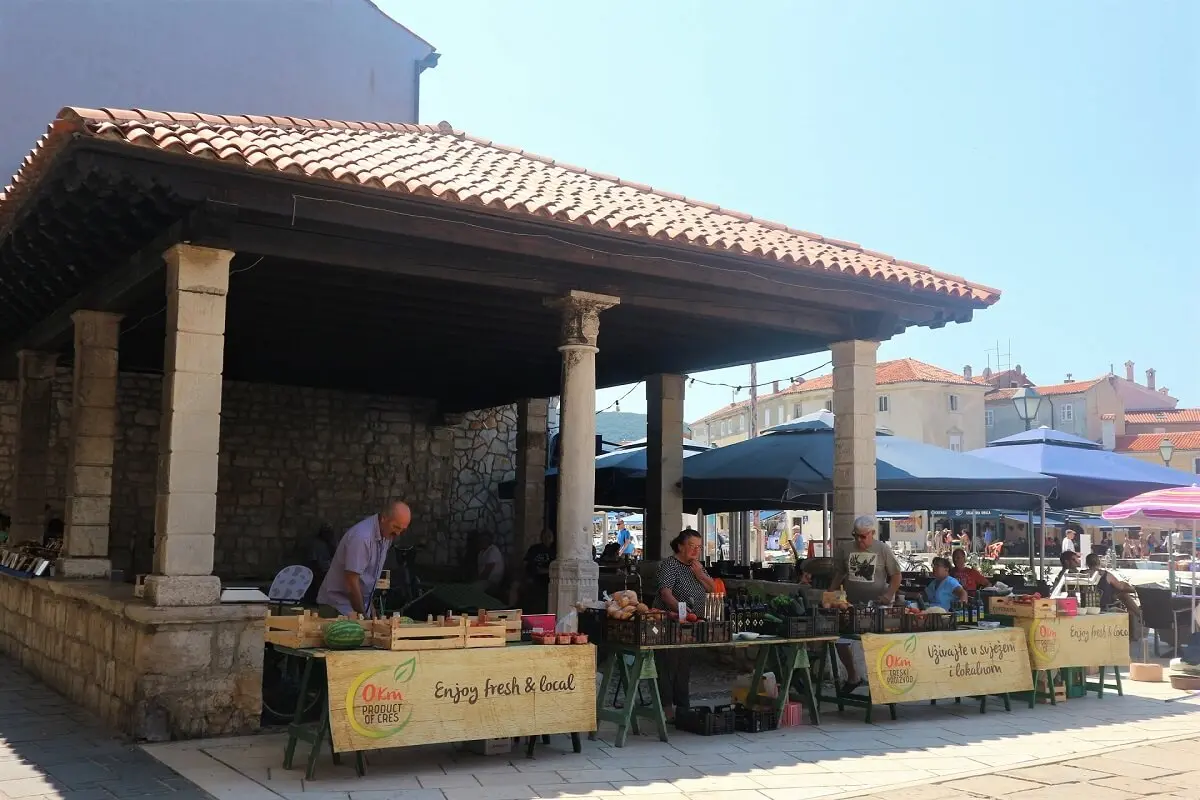
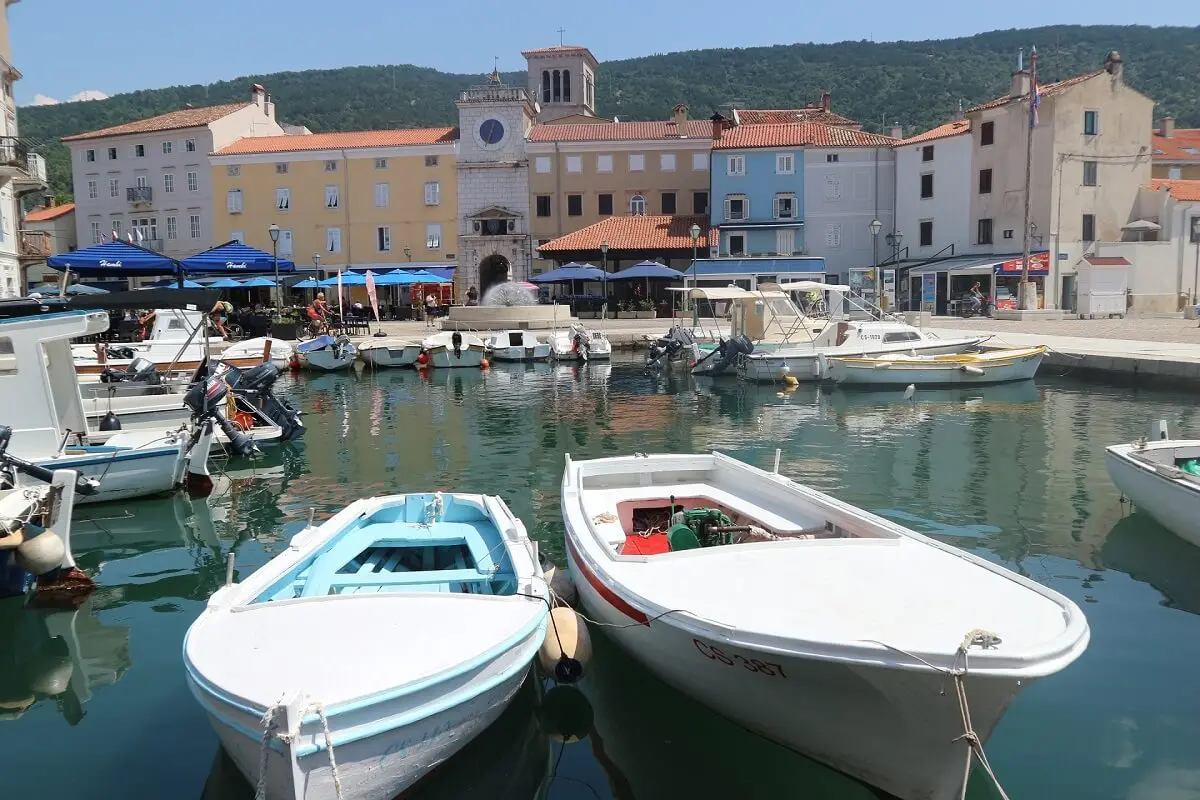
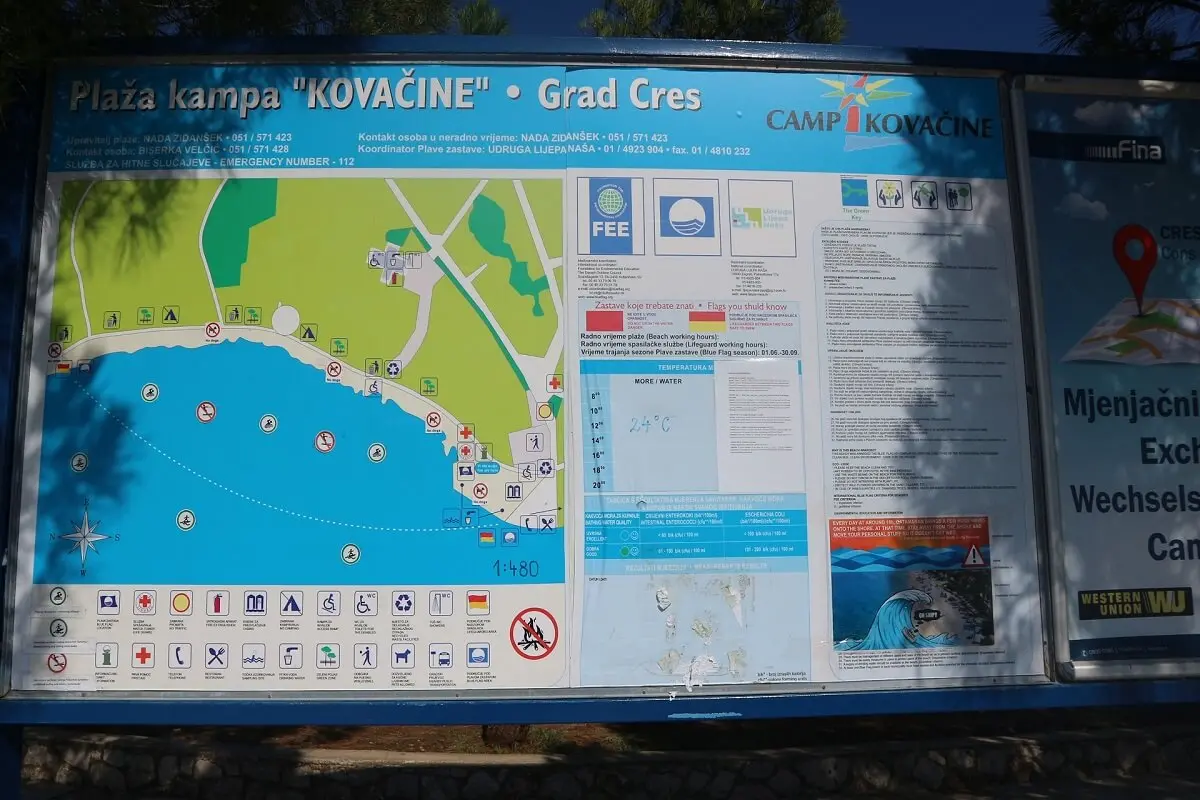
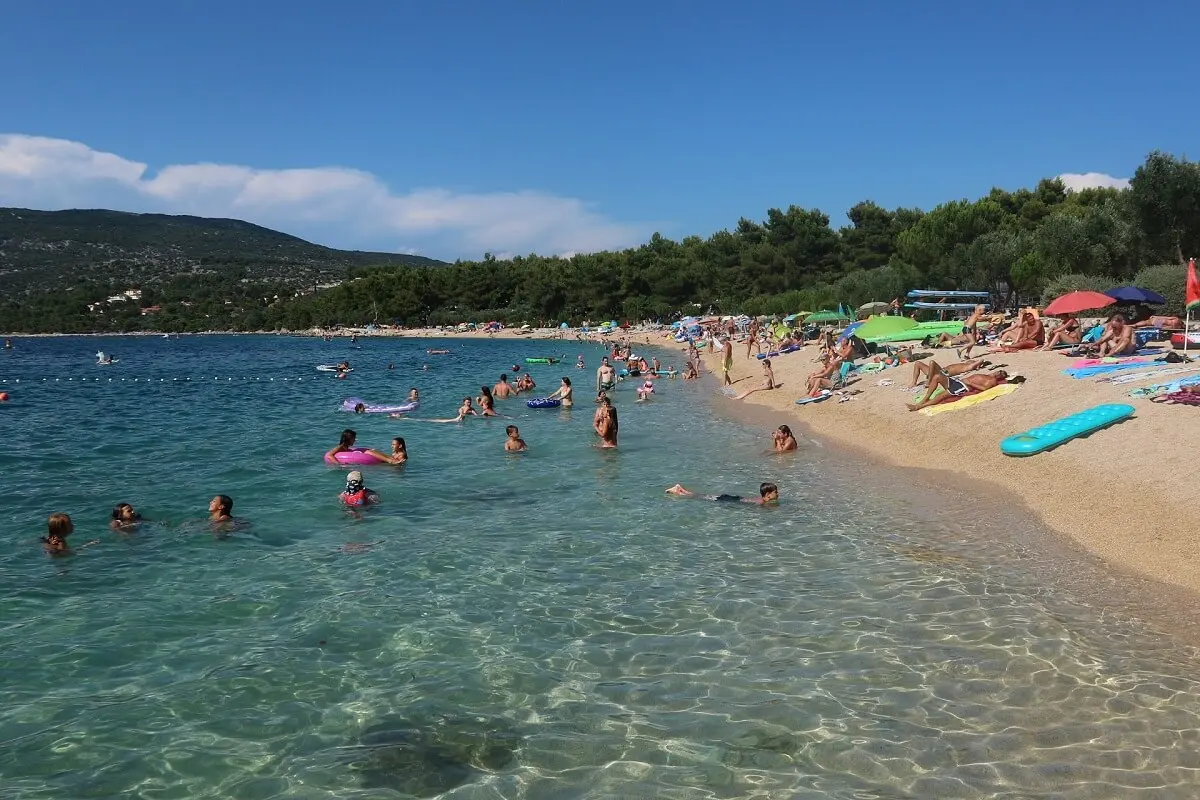
Together with Krk, the island of Cres is the largest island in the Adriatic sea (406 km2). It is located in the north Adriatic, close to the island of Krk and the peninsula of Istria. In the past, Cres was connected with the island of Lošinj by land, however, the ancient Romans have artificially split them into two separate islands. Today the entire island has somewhat more than 3,000 inhabitants of which the majority lives in the city of Cres. Cres is home to the Vrana lake, a crypto depression that is the main freshwater source for the entire islands of Cres and Lošinj. The highest peak of the island is Gorice (648 m). The island of Cres is a unique destination as it is a habitat of griffon vultures. In the small town of Beli, there is “Caput insulae” - Beli visitor center and rescue center for griffon vultures worth visiting. One of the main characteristics of Cres is the sparse population, crystal clean sea, and preserved nature. It has many attractive coves and beaches. One of the most attractive beaches is pebble beach Sv. Ivan near Lubenice often claimed as one of the most beautiful beaches in the world. Other beaches include attractive cove Mali bok in Orlec, pebble beach Valun in Valun, beautiful beach Beli in Beli, and Veli Žal in Ustrine. We recommend visiting Vrana lake and the eco-center “Caput insulae”. Apart from beautiful nature, the island of Cres has the Cres museum, historical buildings and palaces, and many small churches including the church of St. Marko in Valun which is the home of Valun tablet (“Valunska ploča”). The Valun tablet is one of the oldest Croatian monuments written in Glagolitic (from the 11th century). Cres is well connected with the mainland - via Krk island and Istria. From Krk, there is a regular ferry line (Valbiska - Merag) as well as from Istria (Brestova - Porozina). There are also regular catamarans from Pula, Rijeka, and Zadar. Affordable accommodation can be found in private apartments, rooms, and holiday homes. Private accommodation (apartments, rooms, and holiday homes) is the best way to stay and explore this unique island. We recommend trying Cres lamb and visiting the beautiful small town of Osor (ancient maritime center of the island) on the south side of the island. Also, hiking is very interesting because you can see a lot of wildlife and enjoy the intoxicating scents of Mediterranean herbs.

Destinations
3

Accommodation objects
21

Island of Cres

Island of Dugi otok

Dugi otok is a 45 km long island, located in the North Dalmation in the Zadar county. It is one of the most attractive tourist destinations in Croatia, although it is still hidden from the mass tourism. It has so much to offer - from beautiful coves and beaches to peace and tranquility. Its name Dugi otok (long island) explains its main characteristic - it is 45 km long while it has a width between 1 and 4 km. The highest point of the island is Vela Straža (338 m). Although it is remote, Dugi otok has 11 settlements including Sali, Zaglav, Brbinj, Veli Rat, Božava, Luka, Savar among others. The administrative center of the island is Sali. Dugi otok has been inhabited since the Illyrians, and many historical buildings have been preserved until today. It was mentioned for the first time in the 10th century by Byzant emperor Konstantin. Today, the entire island has around 1,500 permanent inhabitants mainly engaged in tourism and agriculture. The island of Dugi otok is home to beautiful nature park Telašćica. Nature park Telašćica is one of the most attractive nature parks in Croatia consisting of Telašćica bay, water area, and surrounding islands. Another landmark of the island is the beautiful sandy beach Saharun, characterized by white sand and turquoise blue sea. Other beaches are Pantera beach, Veli Žal beach, Veli Rat beach (close to the 42-meters high lighthouse Veli Rat from 1849), and Brbinjšćica beach. National park Kornati is also in the vicinity of the island, ideal for a day trip. Dugi otok is an ideal destination for nature and sports lovers - it offers many activities including hiking, cycling, snorkeling, diving, kayaking, and sailing. Although the island is remote, it is very well connected with the mainland. There is a frequent ferry line (Zadar - Brbinj) and boat line (Zadar - Sali - Zaglav). On Dugi otok there are several hotels and campsites, but we recommend staying in private accommodation - apartments, holiday homes, villas, and rooms.

Destinations
1

Accommodation objects
9

Island of Dugi otok

Island of

The island of Iž is located in the Zadar archipelago, between the island of Ugljan and Dugi Otok. Iž is a relatively small island covered by pine forests with a total area of around 18 km2. It has many attractive hidden beaches and coves, surrounded by crystal clear sea what makes it ideal for a peaceful family vacation. The main two settlements on the island are Mali Iž and Veli Iž, where today live around 600 permanent inhabitants. Although Iž has been inhabited since prehistoric times, for the first time it was mentioned in the 10th century by Byzantine emperor Constantine Porphyrogenitus. Until the 19th century, Iž was owned by wealthy citizens of Zadar. The central point of the island is a small settlement of Veli Iž which is located in a small bay on the eastern side of the island. The core of the old town has architecture typical for Mediterranean settlements, including narrow streets and romantic stone houses. In Veli Iž we recommend visiting the church of St. Peter and Paul from the 14th century and a small castle from the 19th century (today serves as a school) among others. Iž is known for the pottery, and on it, you can buy an authentic souvenir “iški lopiž”, pots of different sizes and shapes used for preserving olive oil and food. The island has many attractive beaches and coves, such as the beach near auto camp Korinjak in Veli Iž and Rutnjak beach on a small island of Rutnjak (in the opposite of Veli Iž). For those looking for active holidays, Iž offers hiking and walking trails, cycling paths as well as courts for different sports. From the highest point of the island (168 meters high Korinjak), you can enjoy nice views over the island and its surroundings. As Iž is surrounded by many small islands, it is an ideal location for day trips by boat to one of them. Close to it is National park Kornati which we also recommend visiting. The Iž is well connected with the mainland, more precisely with Zadar. There is a daily ferry line from Gaženica (Zadar). Since it is a small island, we recommend accommodation in private apartments, holiday homes, villas, and rooms.

Destinations
1

Accommodation objects
3

Island of Iž

Island of Lastovo

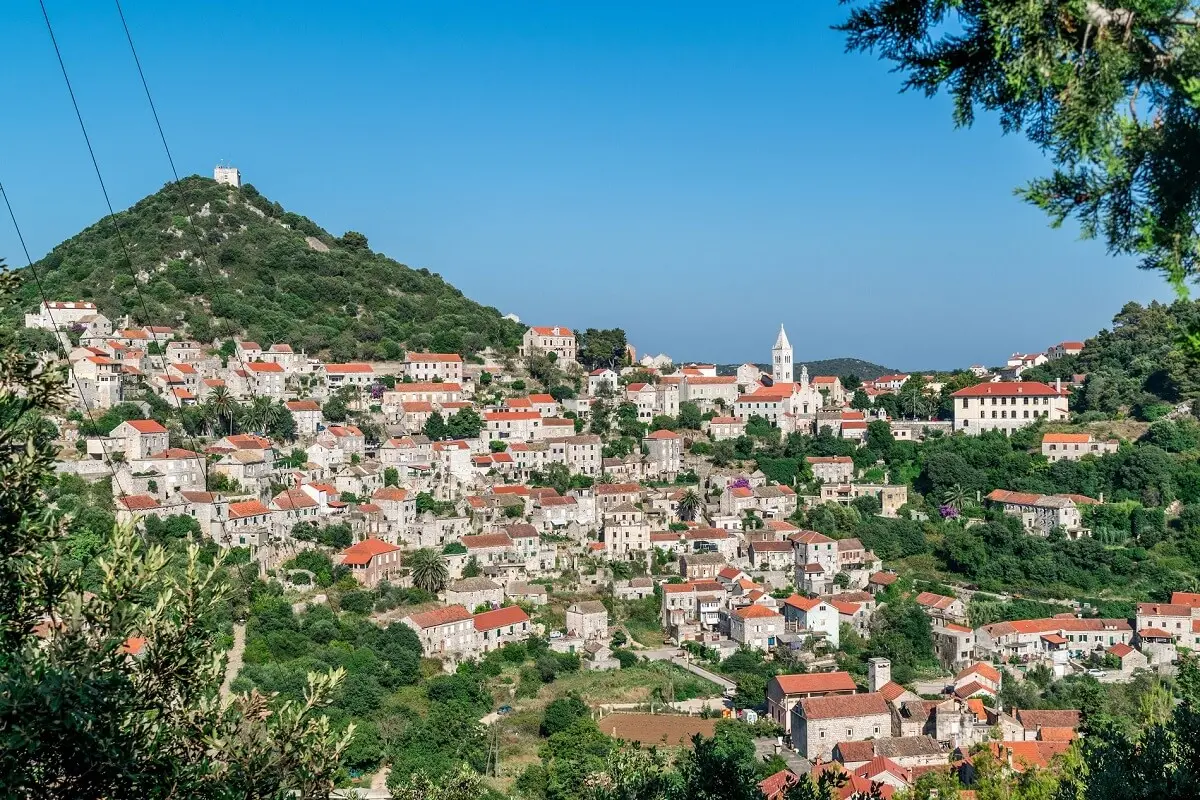
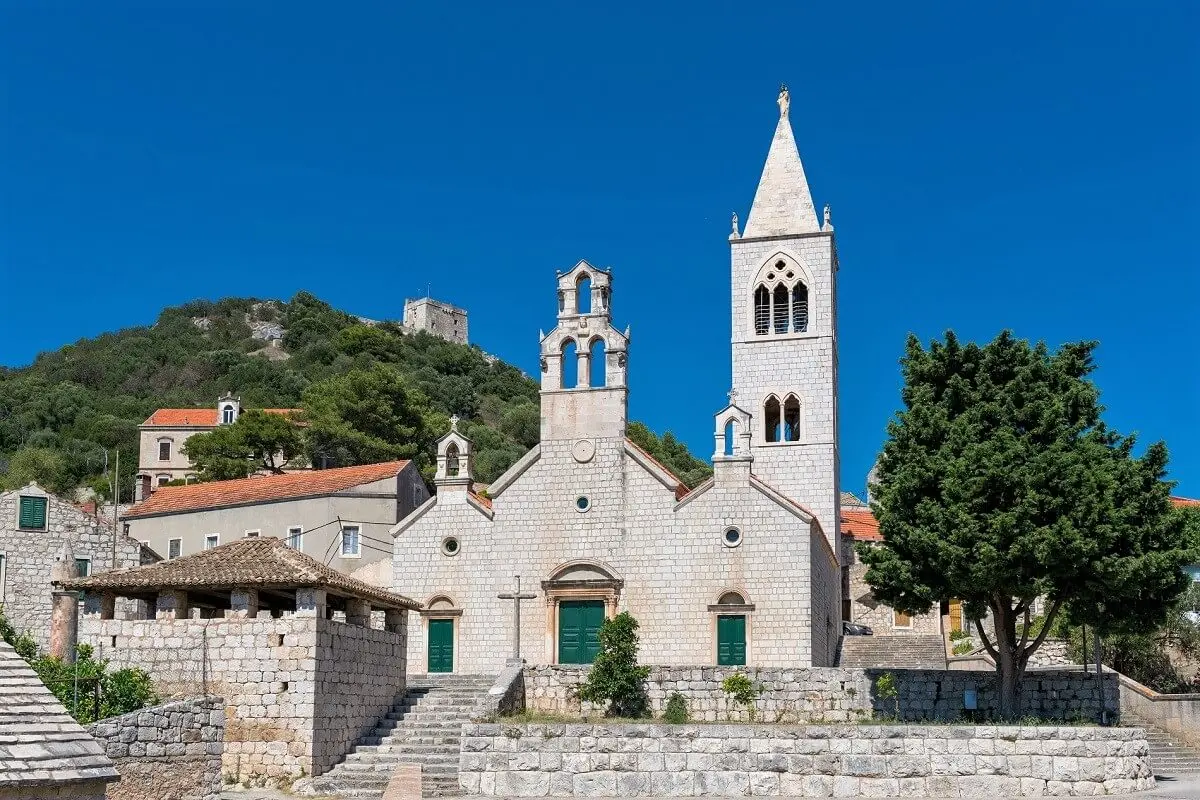
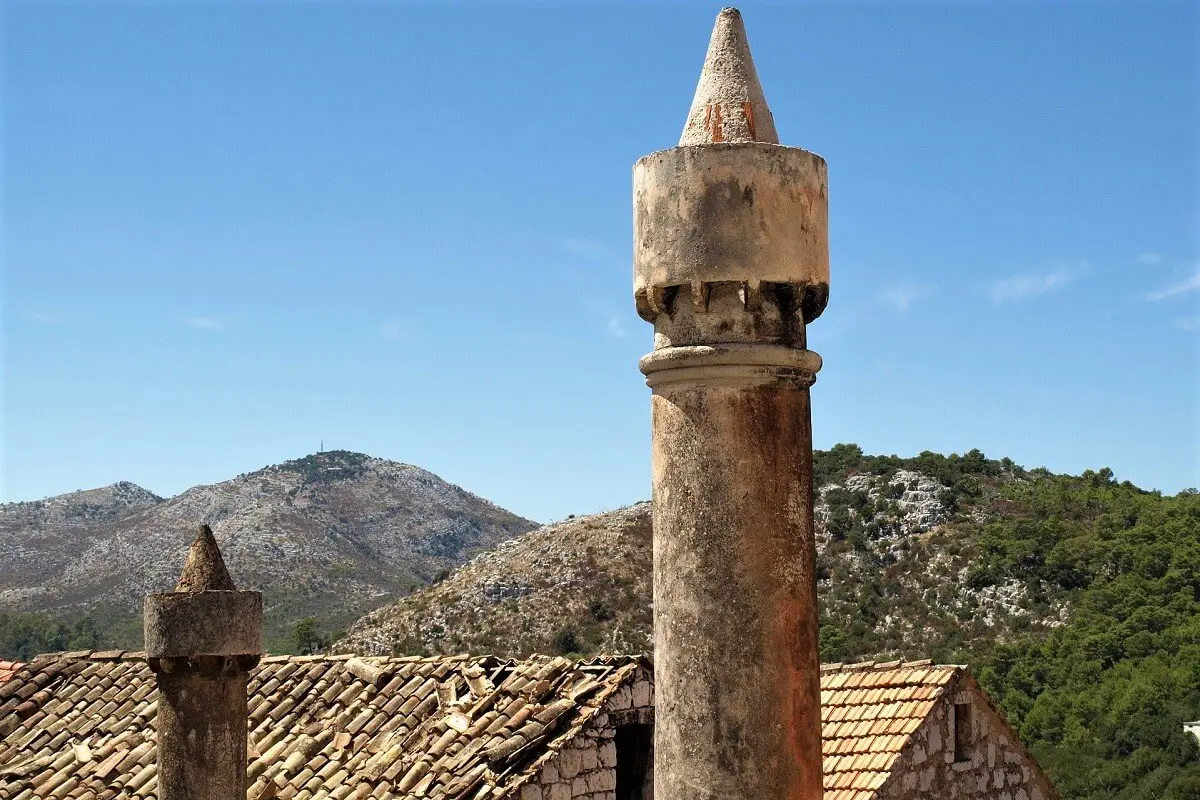
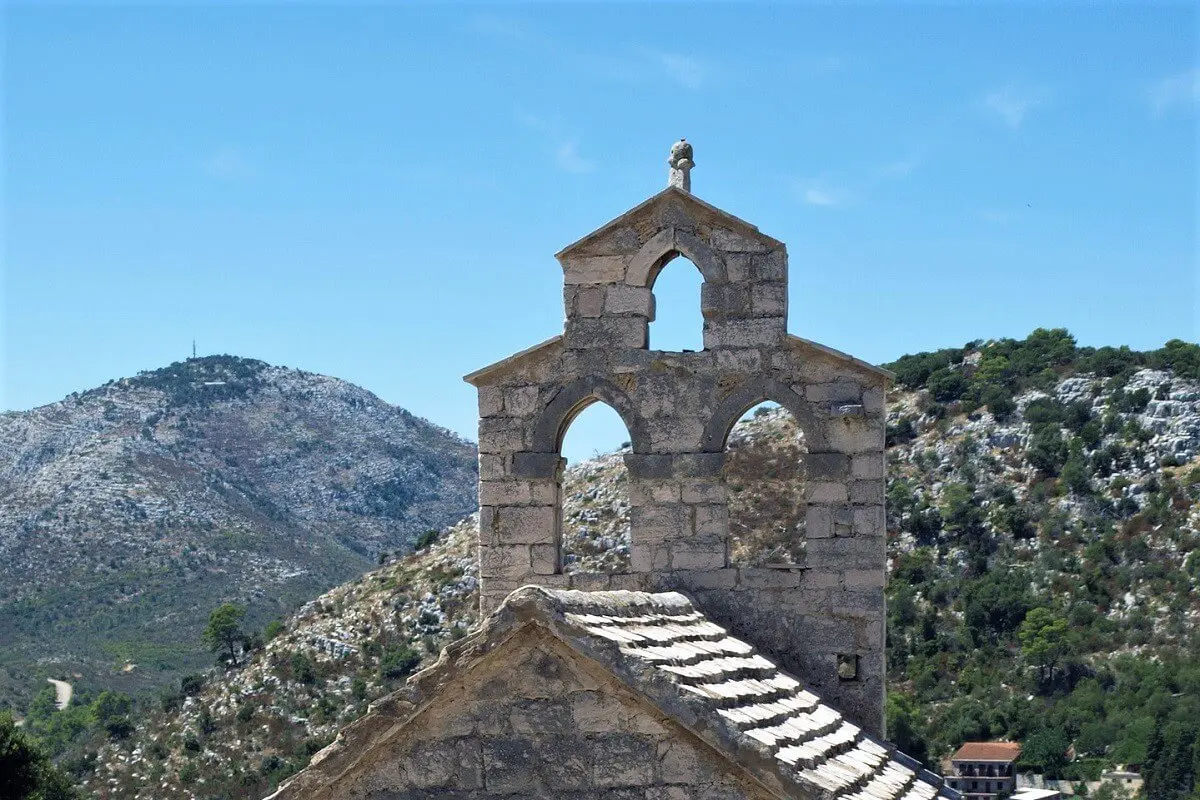
Lastovo is the biggest island of the Lastovo archipelago which consists of 46 islands. The archipelago is located in Dubrovnik-Neretva county, in south Croatia. The island has a total area of around 53 km2. The highest point of the island of Lastovo is Hum which is 417 meters high. Its coast is steep and indented, while the island has many hills. More than 60% of the island is covered by forests of pine, holm oak, and the Mediterranean underbrush. Beautiful and preserved nature is just part of the reasons why Lastovo became a nature park. In total, the island has around 800 permanent inhabitants. Lastovo has a rich historical heritage as it has been inhabited for more than a thousand years - from Illyrians, followed by Greeks and Romans to Croats. Ancient archaeological sites from the Romans were found and in the Ublim bay and have been preserved until today. The entire Lastovo archipelago is nature park thanks to preserved nature, unique and remote location, clear and clean Adriatic sea, and rich underwater life. Nature park consists of a group of islands, rocks, and islets with a total area of almost 200 km2 (53 km2 on land and 143 km2 at the sea). Seawaters around Lastovo are deep while underwater life is extremely rich with crabs, octopuses, lobsters, and other fish. In the town of Lastovo, there are beautiful stone houses with decorated chimneys called "fumari" (from the 15th and 16th centuries). Lighthouses on Lastovo are also the famous attraction of the island - Glavat lighthouse, Struga lighthouse (near Skrivena Luka), and Sušac lighthouse on the small island of Sušac. Lastovo has so many beautiful beaches and coves. The best beaches on the island are Skrivena Luka cove, beautiful sandy beach on the small island of Saplun, Zaglav, Pionir, and Perna in the settlement of Ubli, Jurjeva Luka, and Borova cove near Pasadur. For those looking for active holidays, Lastovo has a wide network of interconnected cycling paths and walking trails. We also recommend visiting the island’s highest point Hum, which offers remarkable views of the Lastovo archipelago, the island of Mljet, the island of Korčula, the peninsula of Pelješac, and the open sea. Lastovo is connected by regular ferry and catamaran lines with Split (the journey lasts around 3 hours) while the catamaran from Dubrovnik connects Lastovo 2 times a week (only during the tourist season). Accommodation is mainly offered by private renters - we recommend staying in private apartments, holiday homes, or rooms.

Destinations
1

Accommodation objects
2

Island of Lastovo

Island of Olib

Olib is an island located in North Dalmatia, near the islands Premuda, Silba, and Planik. It has an indented coastline with many bays, beaches, and coves, while the shore is mostly sandy and shallow which makes it ideal for sailors and families with small children. Olib belongs to the Zadar archipelago and lies between Silba and Pag. The total surface of Olib is around 26 km2 while Kalac is the highest peak (just 74 meters high). The island of Olib has been inhabited for many centuries. The first settlement on the island was Aloip, located on Gradina hill. In the 20th century, the island was strongly affected by a large depopulation. Today on Olib lives around 150 permanent inhabitants. Olib residents were engaged in fishing and agriculture, but today once the cultivated area is neglected and the majority of residents live from tourism. The small settlement of Olib is the only settlement on the island and it bears the same name as the island. The settlement of Olib is situated on the west side of the island and it is surrounded by many hidden shallow beaches and coves which are ideal for swimming and diving. On the other side of the island, there is the most beautiful beach on Olib - sandy Slatinica bay. Because Slatinica is slightly remote, usually it is not overcrowded. The island of Olib is an ideal place for quiet holidays. Because of preserved nature and authentic atmosphere of a small Dalmatian island, it is a perfect destination for lovers of privacy and tranquility. The locals offer and sell fresh fish, quality homemade wine, and extra virgin olive oil and cheese - enjoy the taste of authentic Dalmatian specialties. We recommend visiting the church of St. Paul from the 12th century and Kaštel fortress from the 16th century. For lovers of adventure and sports, we recommend fishing, windsurfing, diving, and biking around the island. Explore sandy beaches and hidden coves by bike and feel the true beauty of this pearl of the Adriatic sea. Although it is remote, Olib has good connections with the mainland. There are regular ferry and catamaran lines from Zadar port and from the island of Lošinj. Accommodation on Olib is offered exclusively in private apartments, holiday homes, and rooms.

Destinations
1

Accommodation objects
0

Island of Olib

Why Croatian islands?

7 reasons why to spend your next vacation in Croatia on one of the islands

Below we will give you just a couple of reasons why we believe that vacation on one of the Croatian islands is an ideal way to completely relax with your family and friends. There are plenty of reasons, but it is much more interesting if you discover them by yourself.

  1. 1

    On the Croatian coast of the Adriatic Sea, there are 1244 islands - 78 islands (48 inhabited), 524 islets, and 642 cliffs and reefs. Croatia is one of the most indented countries in the Mediterranean and in the world. Located in the northern part of the Adriatic (Kvarner bay), islands Krk and Cres are the largest Croatian islands (with a surface of 405 km2) while island of Brač , which is located in the central Adriatic (Dalmatia), is the highest island (778 meters above sea level).

  2. 2

    There are 3 national parks on the islands in Croatia. Brijuni National Park in Istria, Kornati National Park in northern Dalmatia, and Mljet National Park in southern Dalmatia. We definitely recommend a day trip to one of these unique islands of the Adriatic sea.

  3. 3

    Croatian islands are a paradise for all lovers of nature, sailing and active holidays. There are many different activities and opportunities on each of the islands: hiking, cycling, sailing, diving, kayaking, swimming, various water sports, long walks with the scents of Mediterranean herbs...

  4. 4

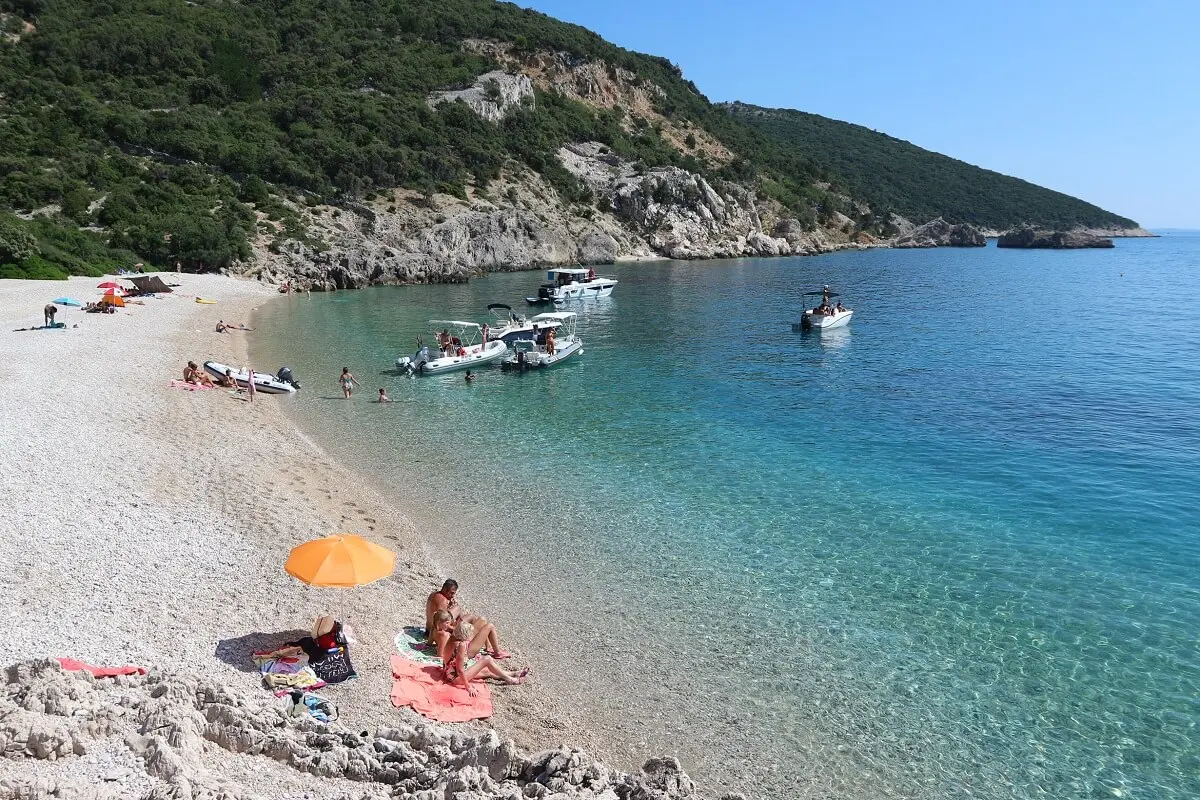
    The islands have some of the most beautiful and famous beaches on the Adriatic; Zlatni rat in Bol on the island of Brač, Stiniva on the island of Vis, Paradise beach on the island of Rab, Sakarun on Dugi Otok, Sv. Ivan Lubenice on the island of Cres, sandy beach Slanica on Murter, party beach Zrće on the island of Pag... From beautiful and spacious sandy beaches to pebble and stone beaches, everyone can find something for themselves on the islands.

  5. 5

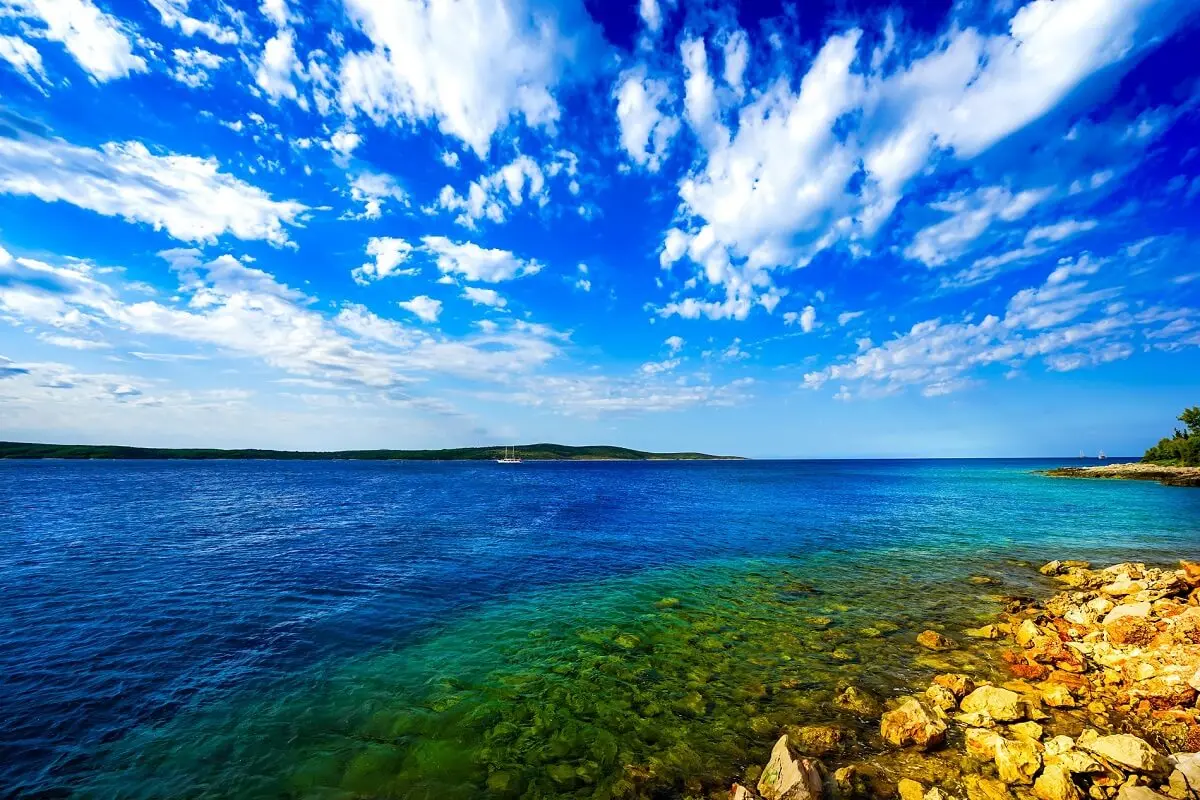
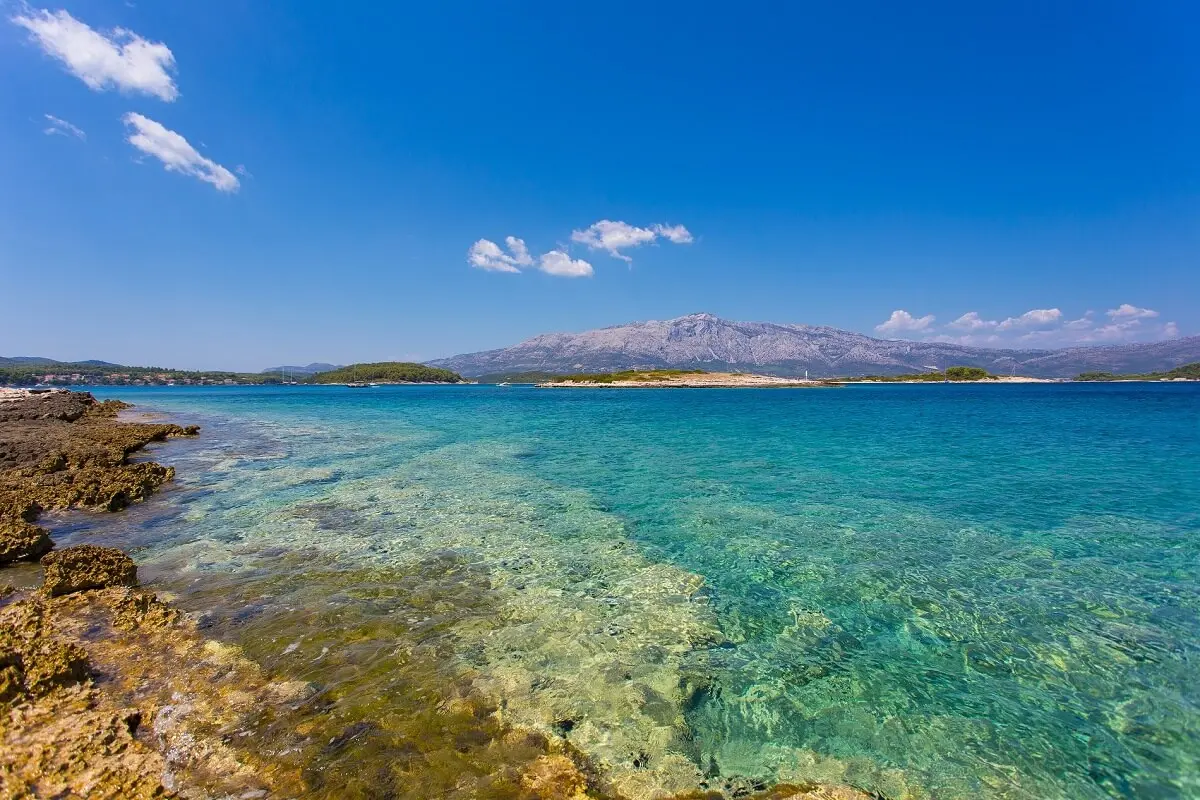
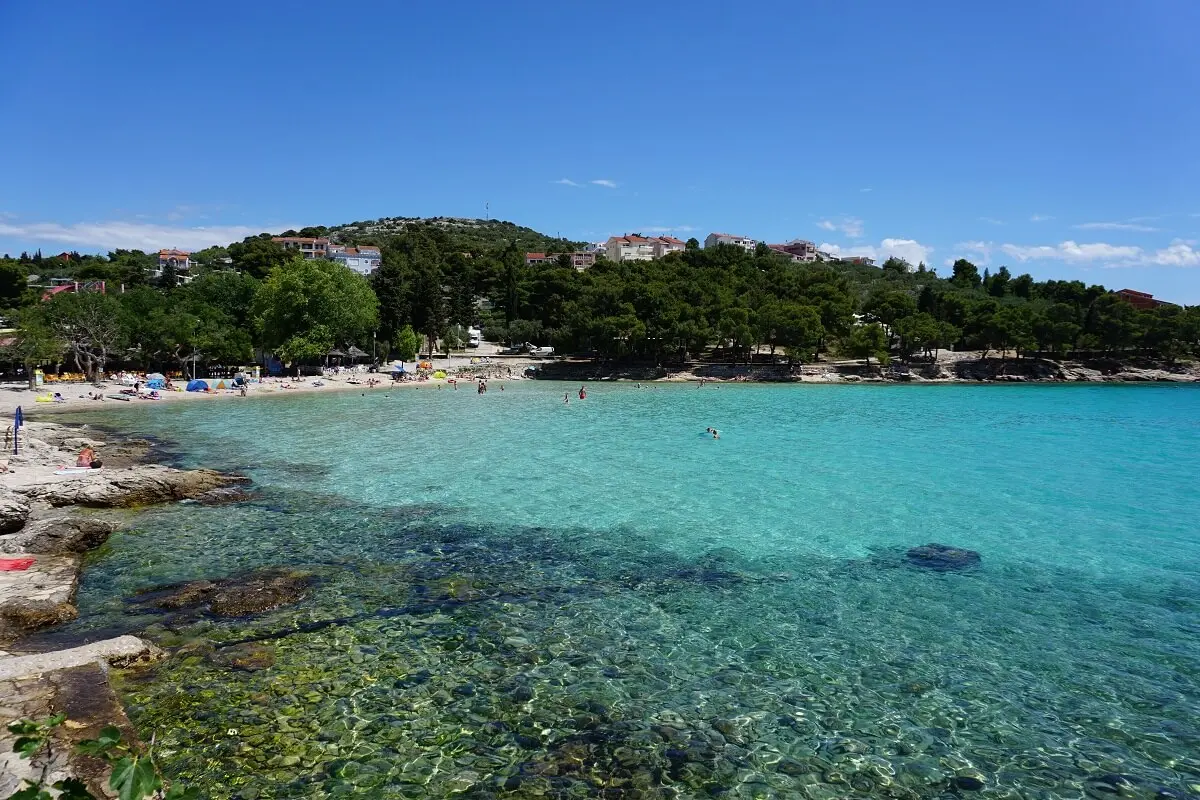
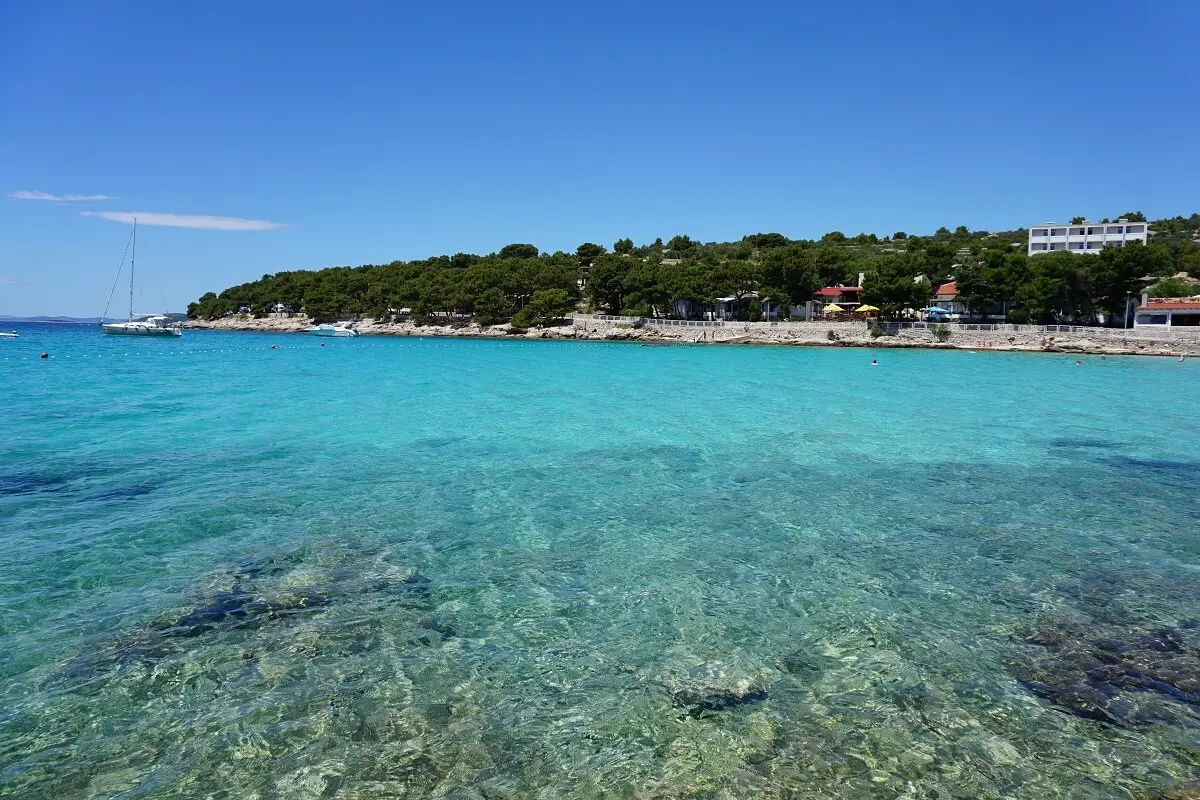
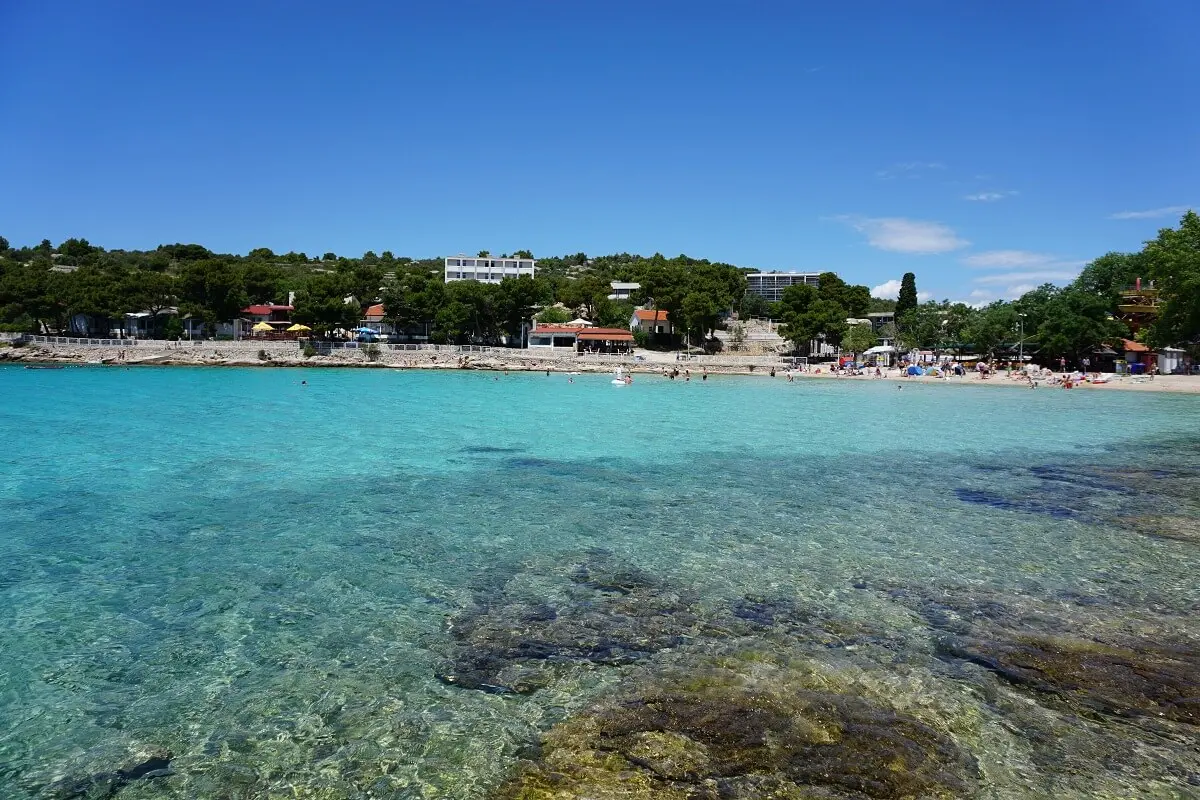
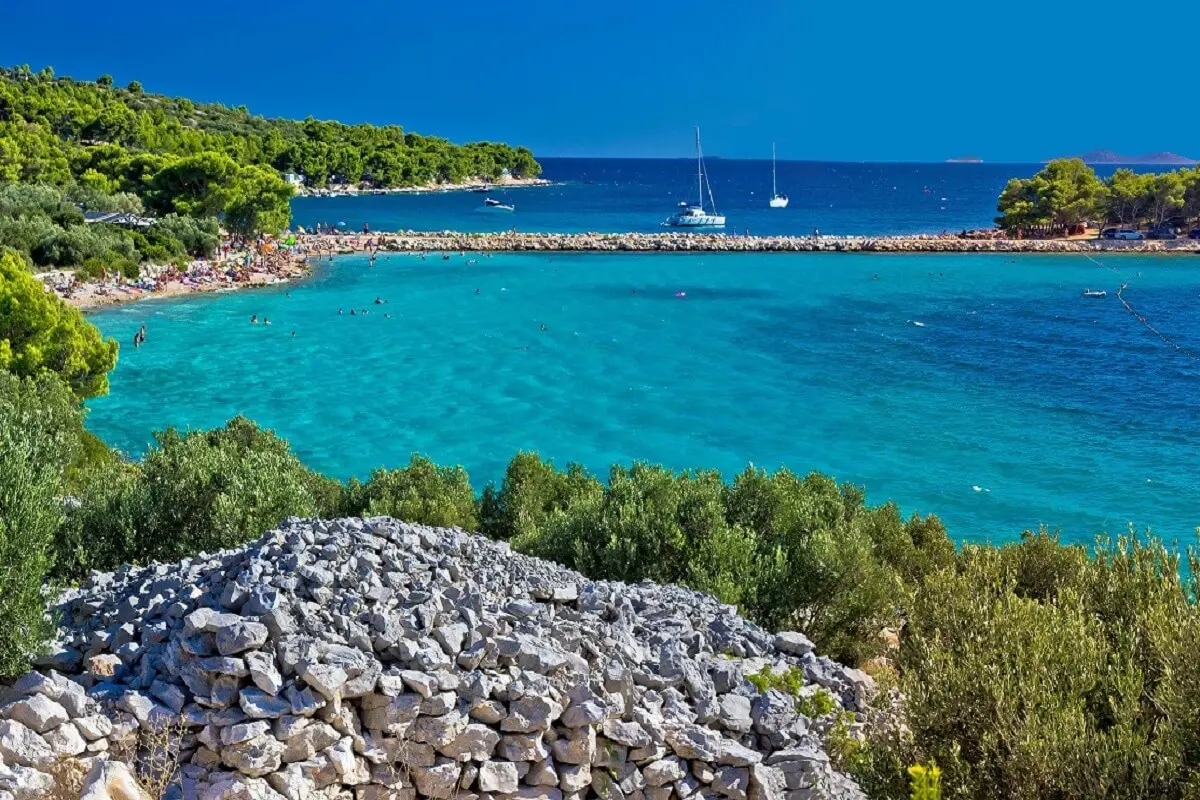
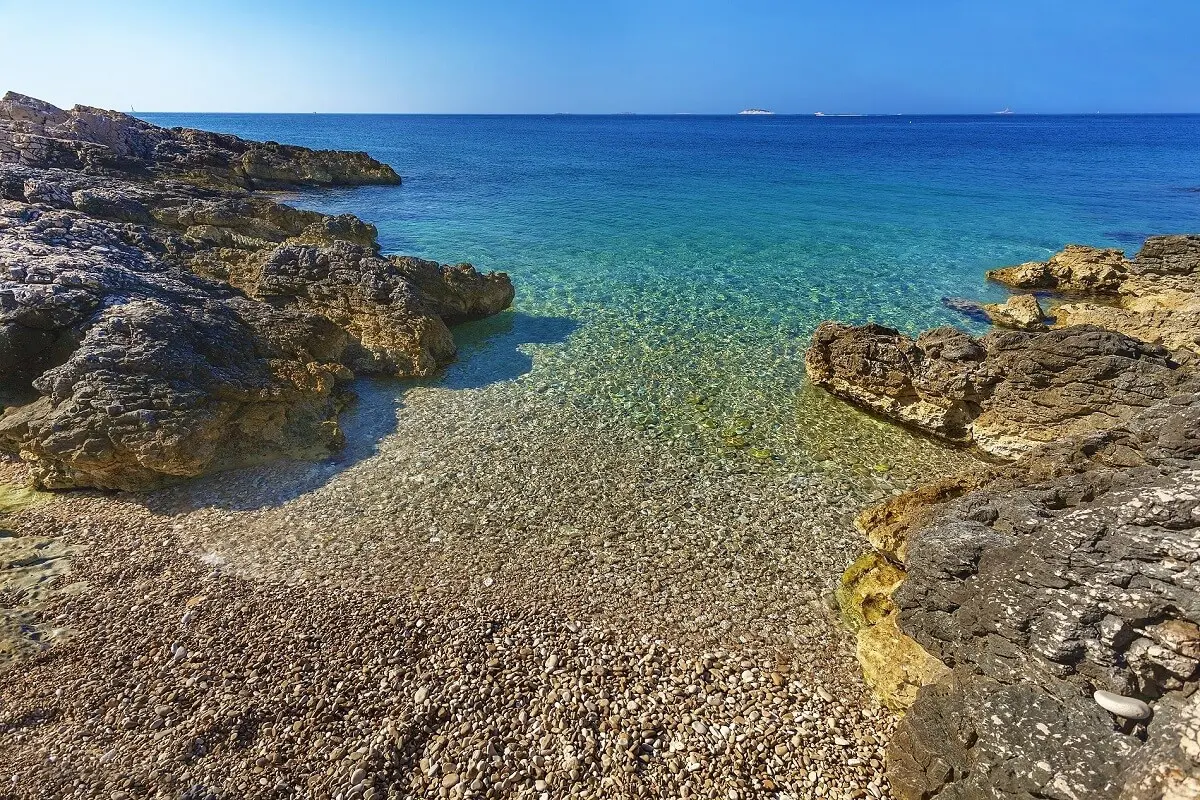
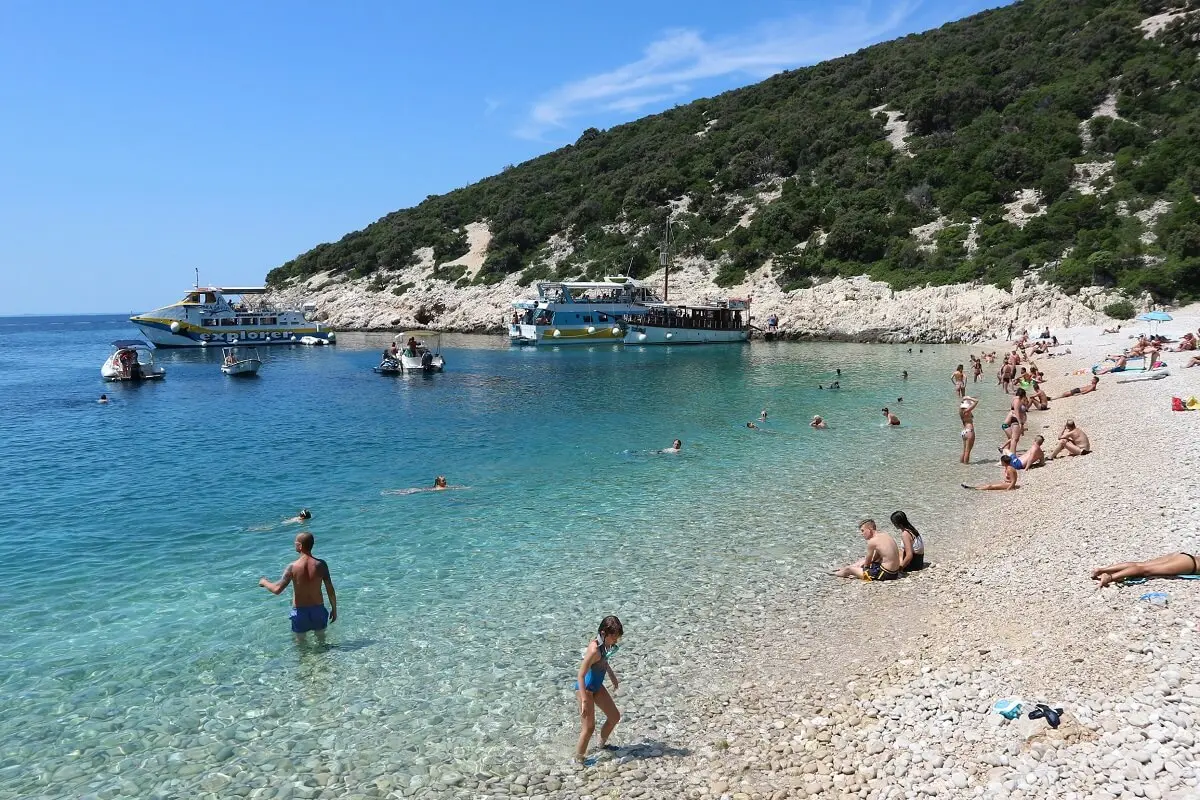
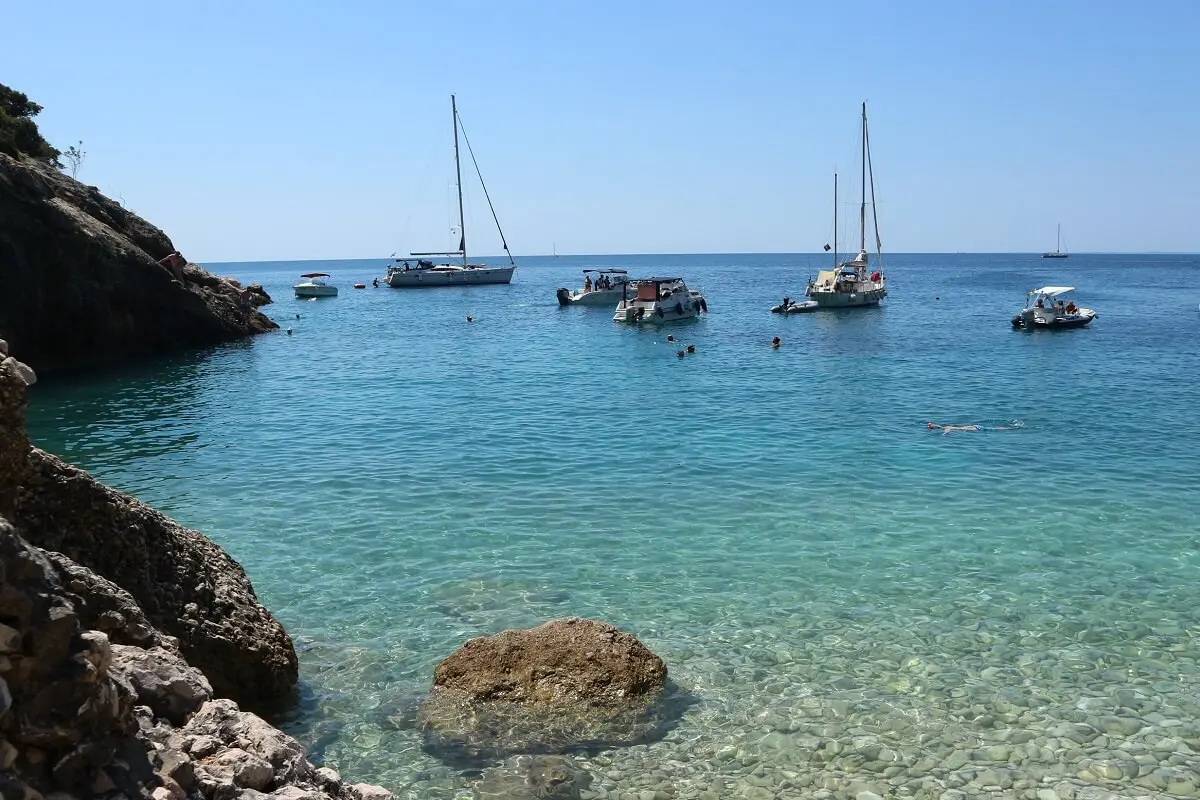
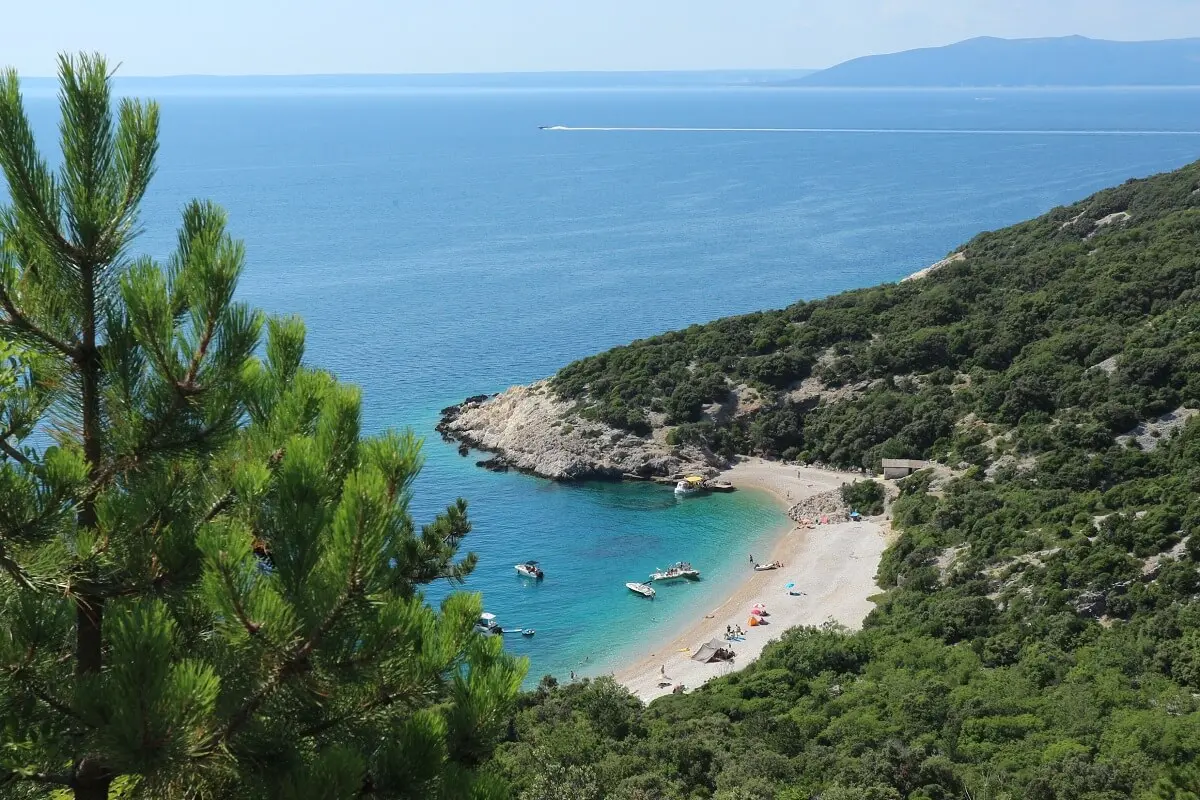
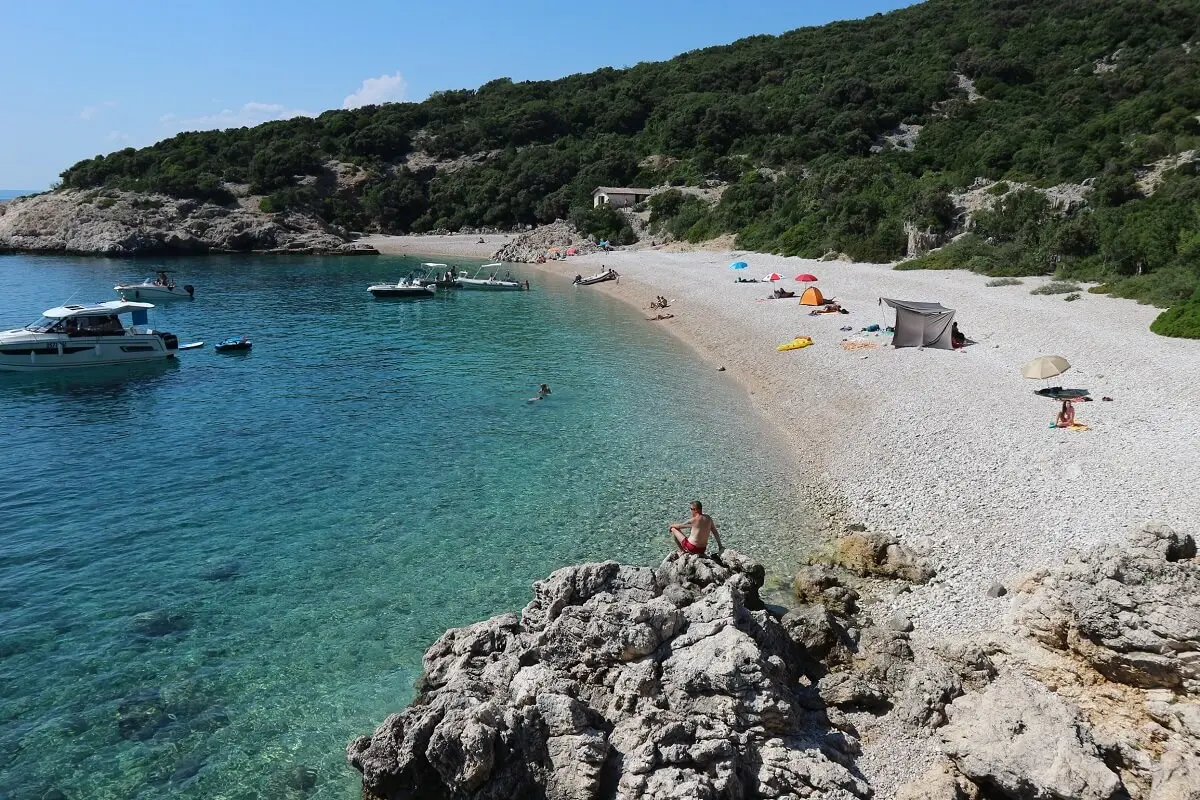
    Thanks to favorable sea currents, the Adriatic sea is one of the cleanest in the world. You can experience crystal clear sea especially on the islands where you can see a variety of sea colors from deep blue to emerald green. Here visibility reaches up to 50 meters in depth. A special experience is swimming with various species of marine fish and mammals, especially on the outer remote islands.

  6. 6

    If you want to experience Laganini way of life, then you must spend a vacation on one of the islands, especially the smaller ones where time seems to have stopped. The time here is passing slower, there is no noise, crowds, and smog but only peace and relaxing energy of the sea and surrounding greenery. Traffic is banned on smaller islands, and tourism on many islands has not yet reached its full potential, so you can truly enjoy your vacation and experience a traditional Mediterranean lifestyle.

  7. 7

    On all islands, you can find affordable accommodation in private apartments and holiday homes. Kind hosts will share with you all the secrets and show you hidden corners of the island, and maybe even treat you with local delicacies. The experience of staying in private accommodation certainly remains in the memory for a long time, and the vast majority of guests return to their hosts to enjoy their next vacation.

Recommended accommodation

Featured offer of private accommodation on islands in Croatia

About islands

Interesting info about islands in Croatia

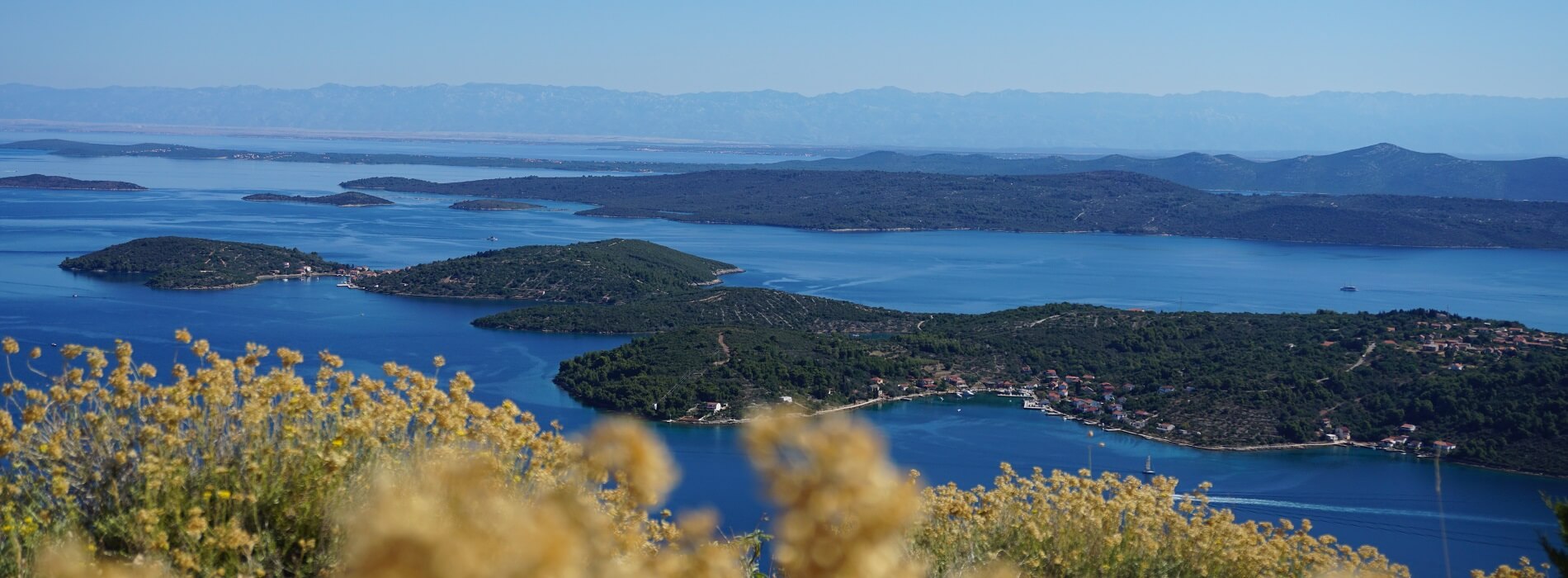
Almost all islands in the Adriatic Sea are belonging to Croatia, i.e. all are located along the eastern coast of the Adriatic Sea along the steep slopes of the Dinaric mountains. The great indentation of the coast is a consequence of the formation of the Adriatic Sea after the last ice age in Europe. Then, due to the melting of huge amounts of ice, the sea level rose 100 m, and the peaks of the former mountains became islands, bays, and sea passages. The consequence of this natural phenomenon is that the direction of the islands follows the direction of the mountains on the mainland (Dalmatian type of coast).

As the entire Croatian Adriatic coast is dotted with islands of different sizes, islands are defined in 3 categories: islands with an area of more than 1 km2, islands with an area of fewer than 1 km2 and more than 0.01 km2, and reefs with an area of fewer than 0.01 km2. According to this classification, Croatia has 78 islands, 524 islets, and 642 reefs. A total of 1244 islands, of which only 48 are inhabited.

Islands Croatia

Most islands in Croatia have a similar history. The islands reached their peak in the number of inhabitants and economic activity at the beginning of the 20th century, after which significant emigration began due to poor economic conditions, mostly to overseas countries. This trend of emigration continued until the end of the 20th century when tourism began to develop, and the trend reversed. Today, some islands even recorded an increase in population, especially those connected by a bridge with the mainland (islands Vir, Krk, Pag, Murter, Čiovo).

Historical circumstances and hardships have allowed the islands to remain largely protected from over-development, heavy industry, over-construction, and pollution. Even today, tourism on most islands is not developed, and on many of them, it seems as the time stopped many years ago. This brings them a special charm because you can get to know and feel the Mediterranean (Laganini) way of life. Perfect relaxation and vacation are guaranteed!

Accommodation on most smaller islands can only be found as part of private family accommodation. This makes them an ideal destination for all lovers of a peaceful and relaxed holiday surrounded with untouched nature and crystal clear sea.

Where to go, stay and what to do?

Planning to spend your vacation in Croatia?
Mago - Laganini.com mascot