Drniš

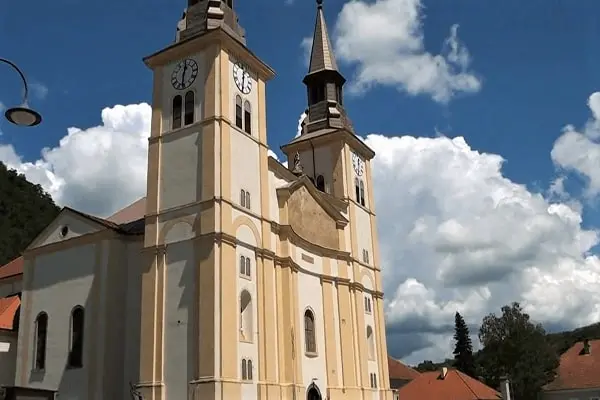
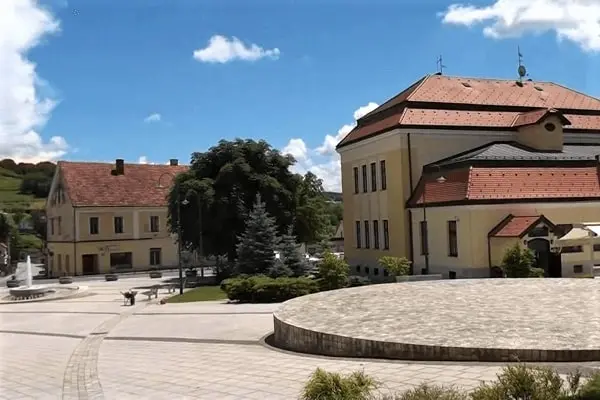
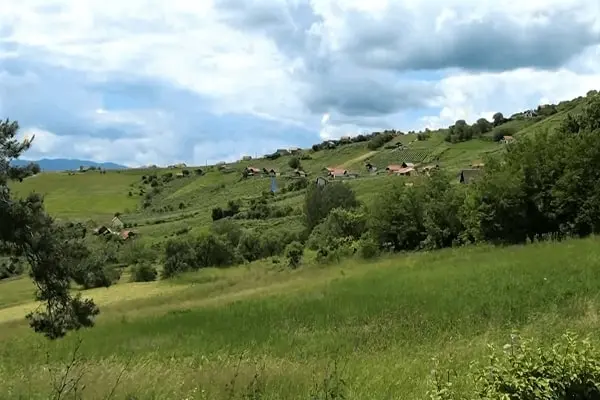
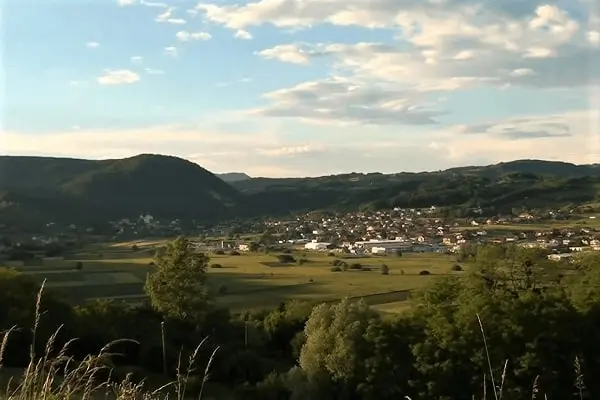
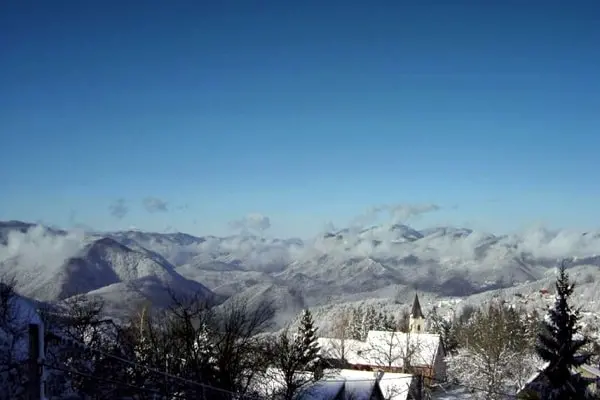
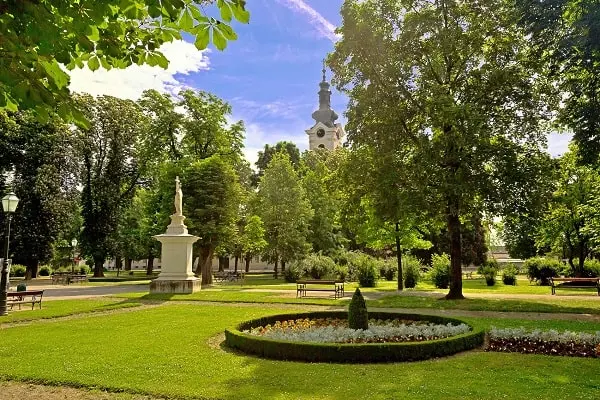
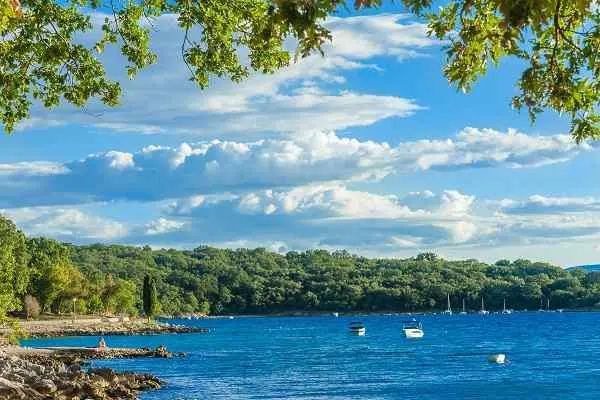
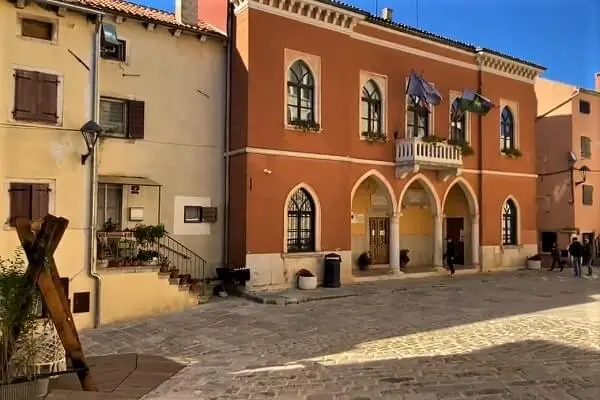
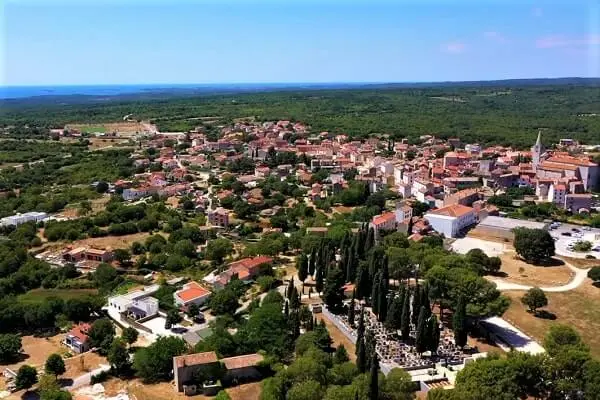
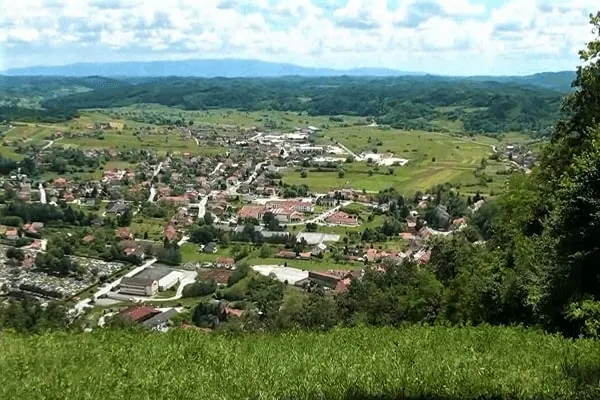
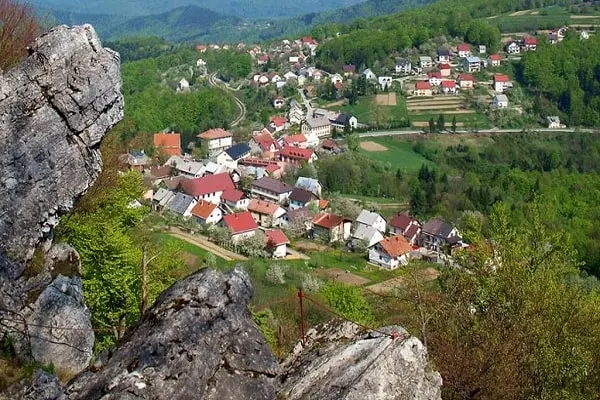
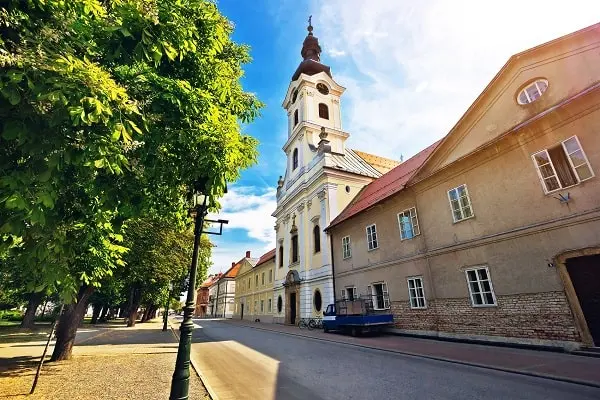
Drniš is a small town in the central part of Šibenik-Knin County. It was built in the 15th century at the foot of Promina mountain and above the canyon of the Čikola river, as a fortress for the defense from the Ottoman Empire. It is only 30 km away from Šibenik, or about 25 minutes drive by car. Drniš has about 3,300 inhabitants and offers its visitors different tourist attractions. Drniš is probably best known for prosciutto, which is a delicious delicacy thanks to the ideal climate. In the town of Drniš, there are remains of several magnificent fortresses, the most famous of which is Gradina, located on an elevation of 344 m above sea level above the canyon of the river Čikola. Nearby is also a very interesting Drniš Town Museum which has an impressive collection of works by Ivan Meštrović, the most famous Croatian sculptor who was born here. In Drniš you can also see an archaeological and cultural-historical collection. Nearby Drniš lies the world-famous Krka National Park and its numerous natural sights such as the Roški waterfall or the Visovac Island on the Visovac lake. For all nature lovers and hikers, we recommend a light climb to Promina mountain, offering an unforgettable view of most of Dalmatia. On the road to Šibenik there is a unique theme park Etnoland, where you can experience the traditional life of the inhabitants of the Drniš area, but also try all its tasty specialties. Very affordable accommodation can be found in private apartments, rooms or traditional stone houses for vacation. Contact directly owners of private accommodation and save up to 40% on high agency fees. Welcome to Drniš!

Accommodation objects
4

Drniš

Silba

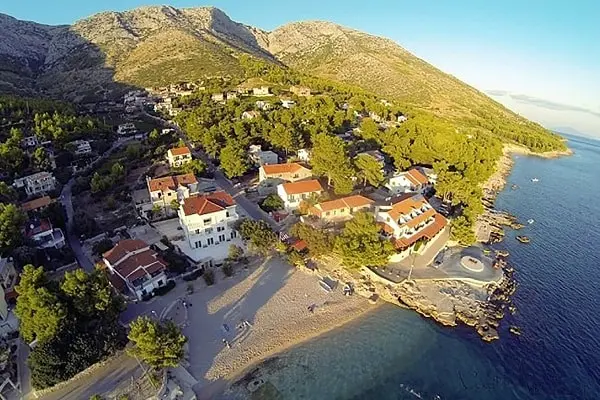
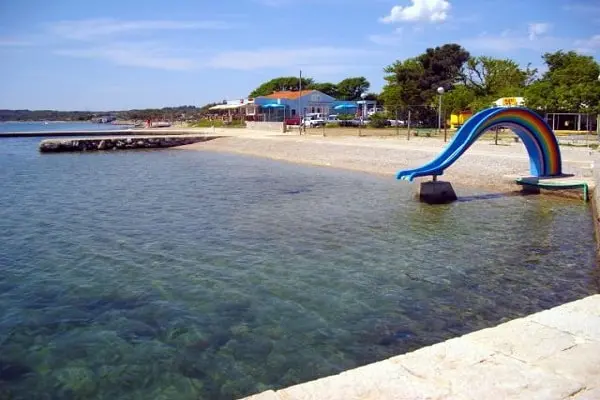
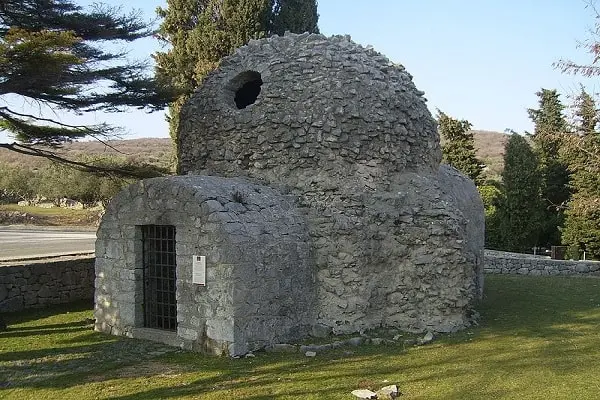
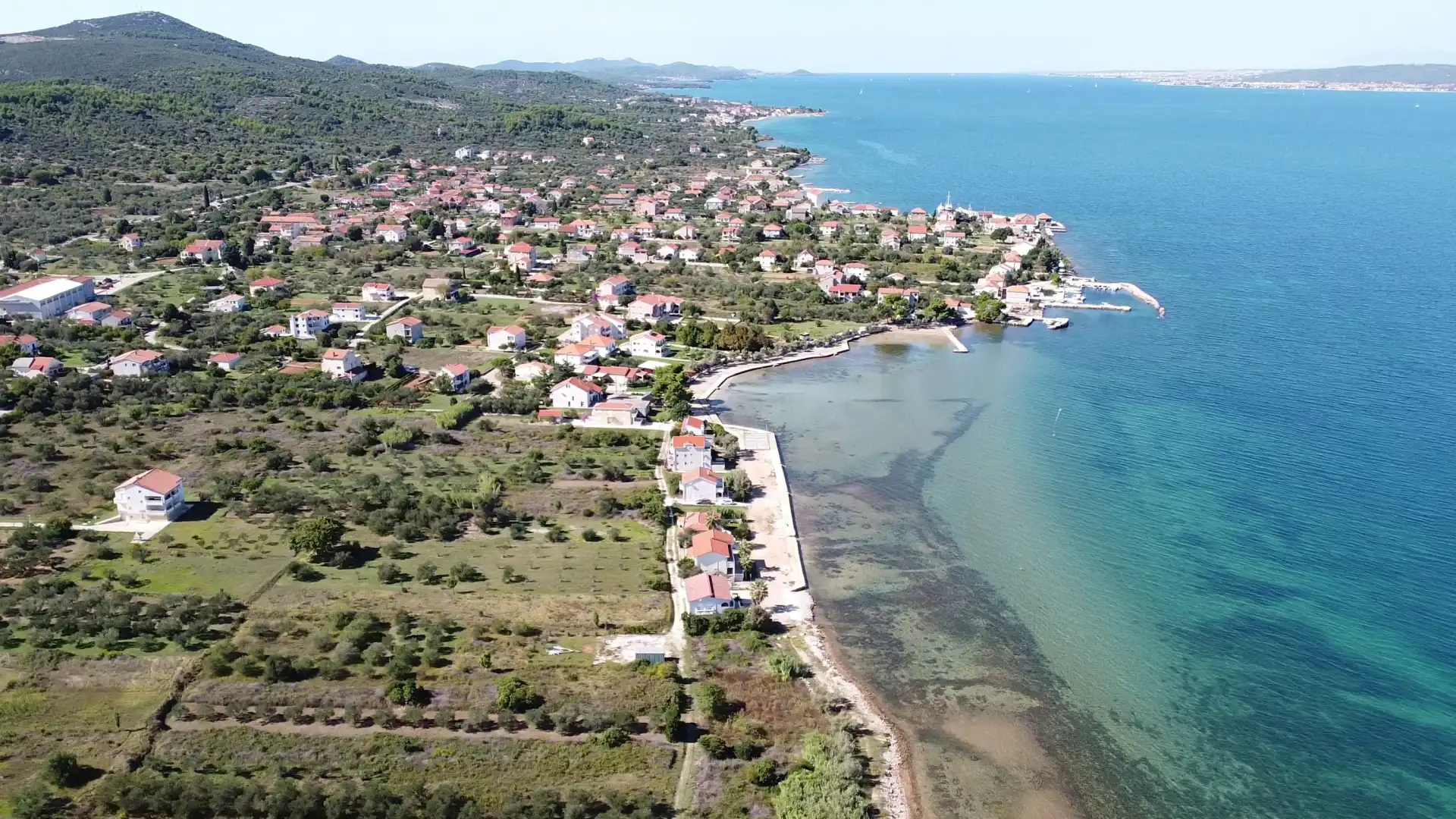
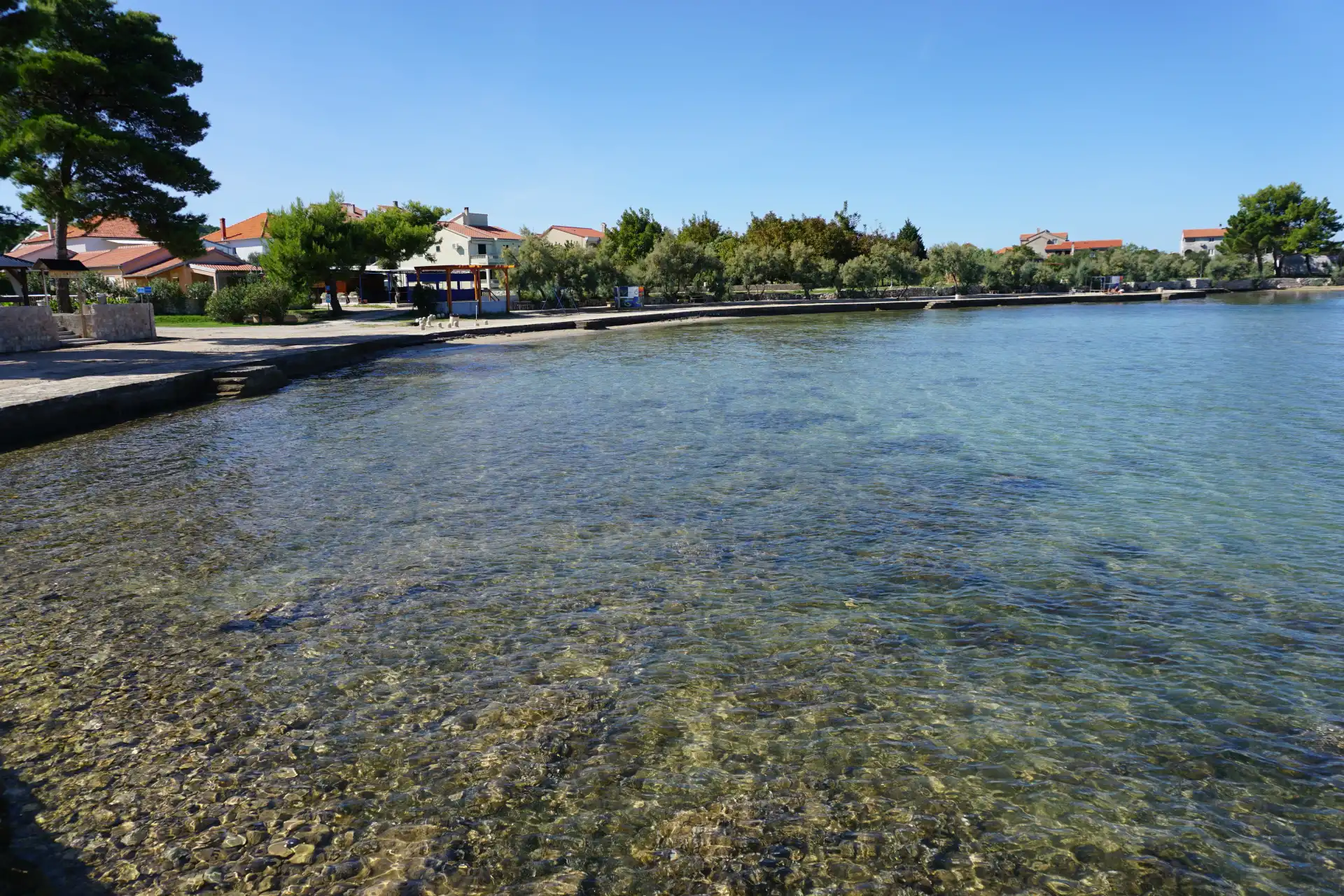
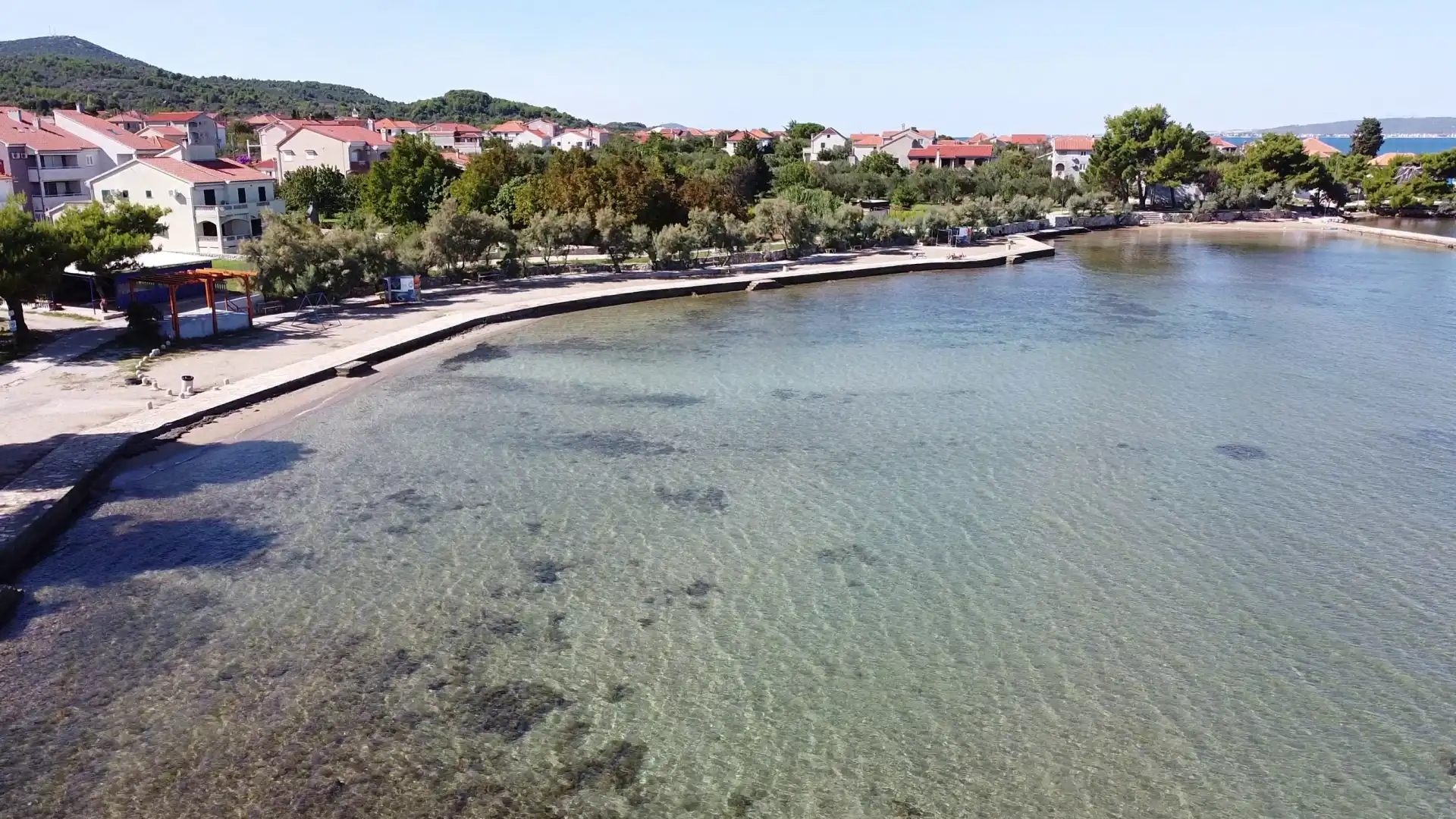
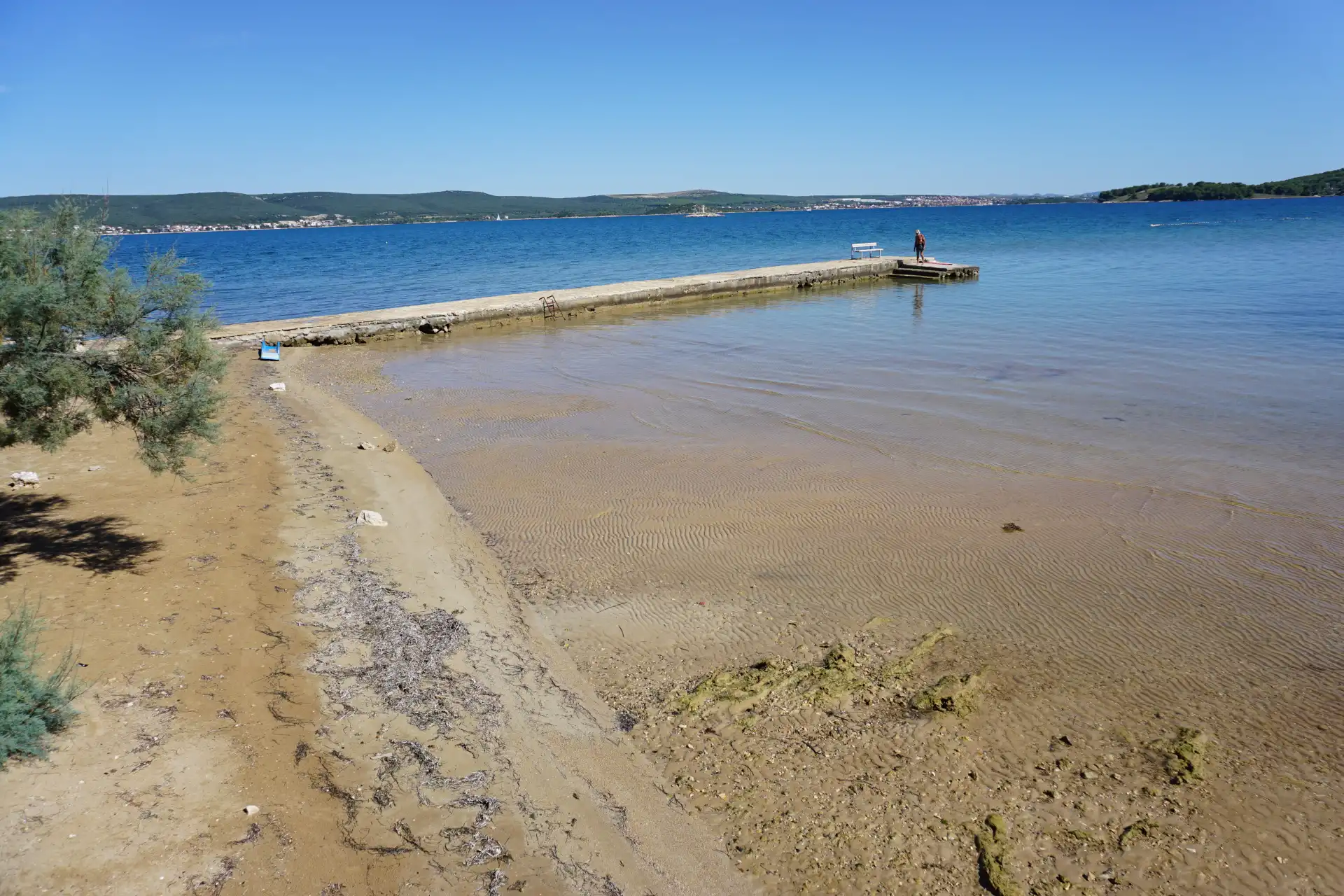
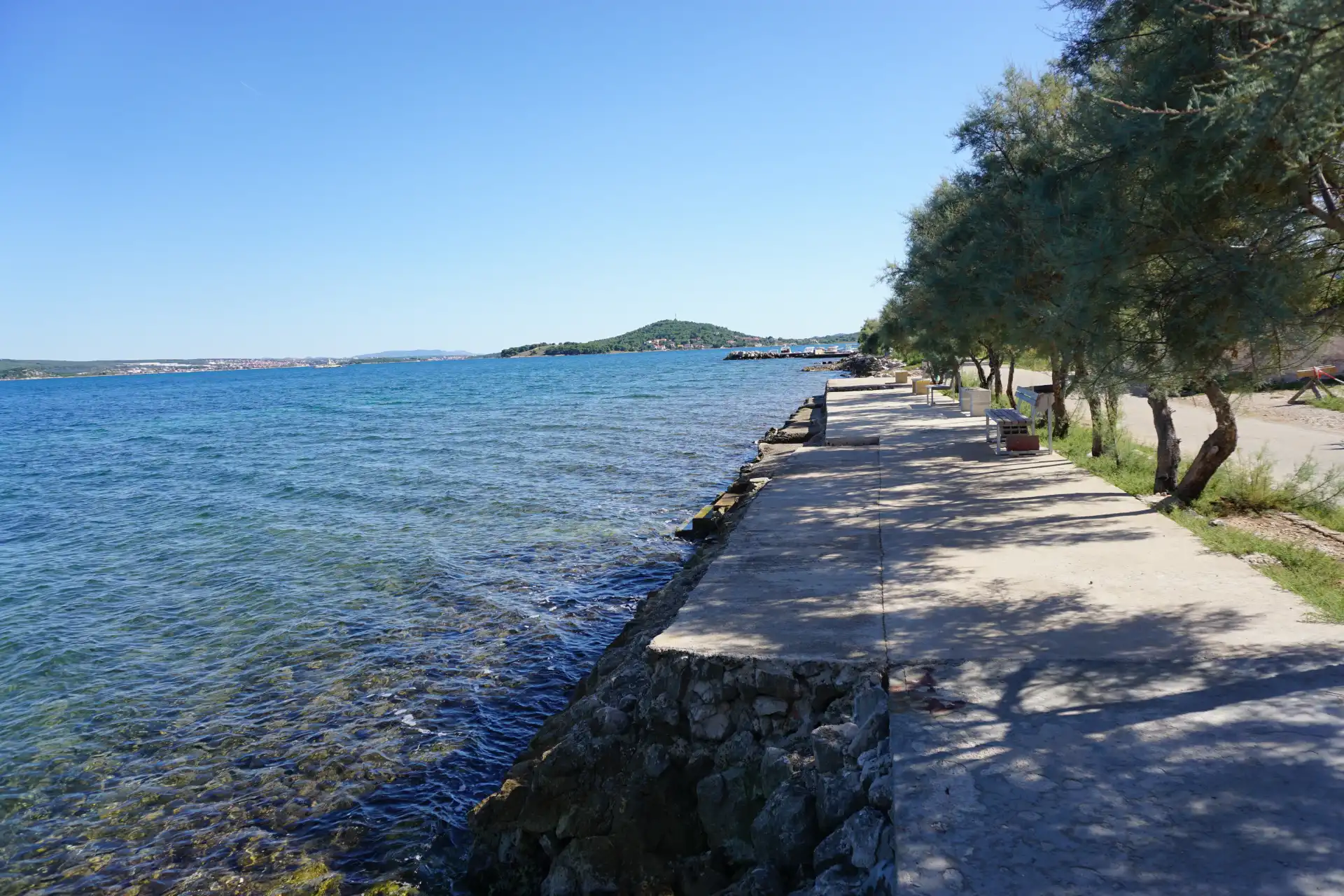
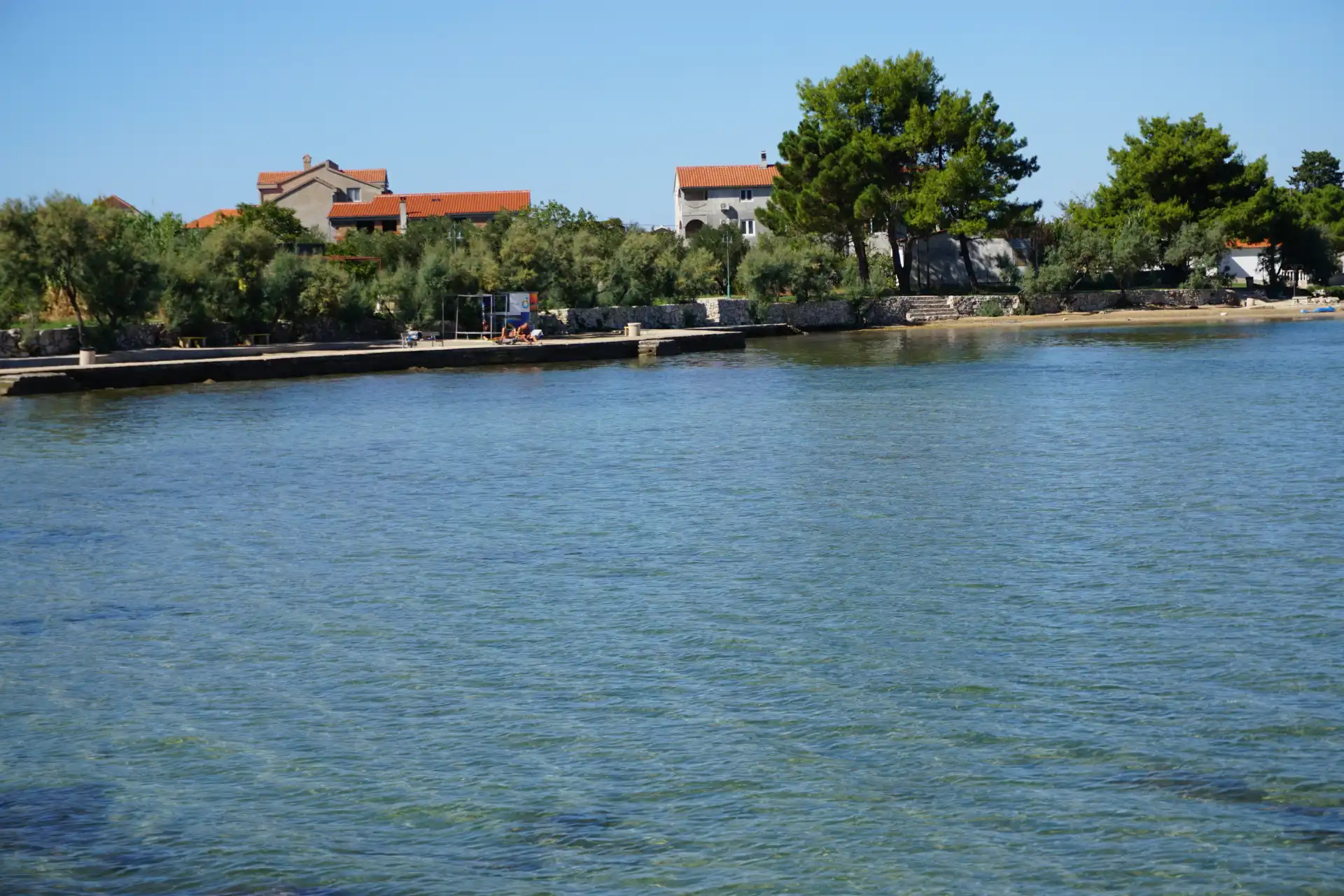
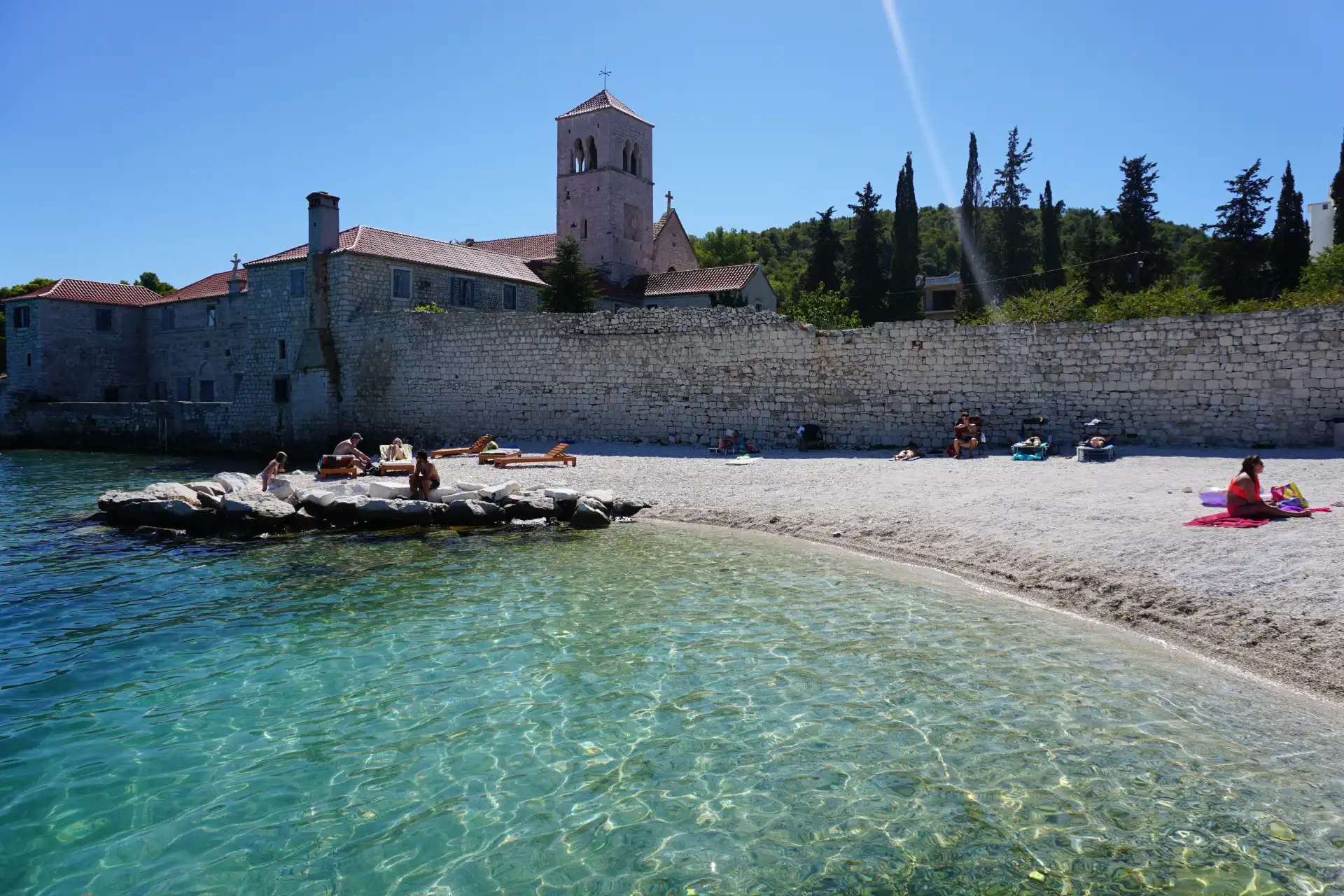
Silba is an island of Zadar archipelago in the Croatian part of the Adriatic sea. It is located in the far north of Dalmatia, on the border with Kvarner islands surrounded by Lošinj, Premuda, Olib, and Ist. The surface is 15 km2 and it has about 300 permanent residents. It was first mentioned by the Byzantine Emperor Constantine Porphyrogenitus called Selbo in the 10th century. There are two theories from where it got its name. According to one name comes from the Greek words Silbon (sand). According to the second theory, the name comes from the Greek version of the Latin word Silva (forest). Later in the Middle Ages was in possession of the city of Zadar and the Venetian Republic, and several wealthy families until the 19th century, when the inhabitants purchased the island. Silba in that period was famous for its wooden sailing ships, sailors, valuable and experienced captains. The only settlement on the island also named Silba is situated on the narrowest part of the island where it takes only about 10 minutes walk or 600 meters from east to west coast. Administratively it belongs to the city of Zadar and it is very well connected by ferry and fast catamaran lines. The most popular industries on the island are tourism and the provision of accommodation in private apartments, rooms and holiday homes. Silba has numerous coves, sandy and pebble beaches. The main town beach is Šotorišće on the east coast of the island. The sandy sea bottom on the beach gives a beautiful turquoise color of the sea, which is really clean. The whole island is a pedestrian zone, so the traffic of motor vehicles is not allowed. Only allowed vehicle is postman moped and vehicle for a distributor of water. We recommend visiting the stone tower Toreta - historic monument located in the town center which offers a nice view of the surrounding islands. Silba is an ideal place for families with children. Large beaches are ideal for swimming and sunbathing for the whole family. Contact directly owners of apartments on the island of Silba and spend a pleasant, carefree and relaxing summer on this beautiful island. Private accommodation on the island of Silba. Welcome to the island of Silba!

Accommodation objects
2

Silba

Jadranovo

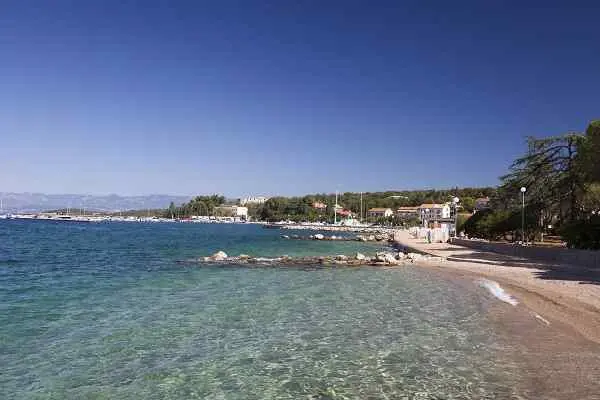
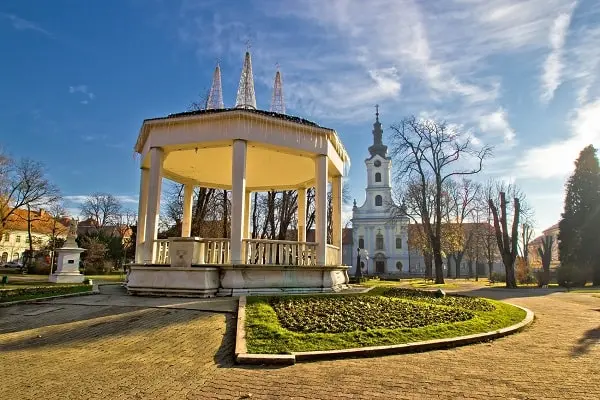
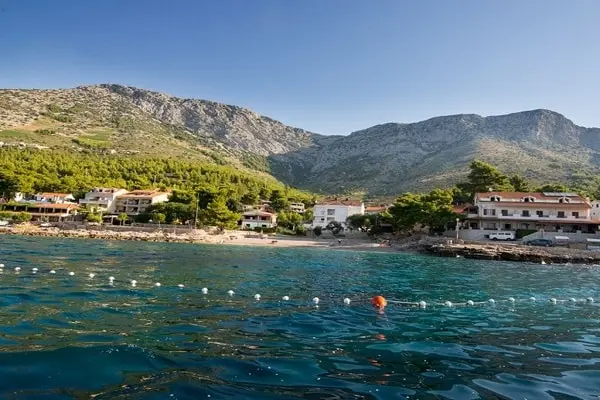
Jadranovo is a small and attractive tourist destination in the Primorje-Gorski Kotar County in Croatia. It is situated on the coast near the bridge that connects the mainland with the island of Krk. It is only nine kilometers away from the city of Crikvenica, to which it administratively belongs. Thanks to the mild Mediterranean climate and fertile land, this area has been inhabited since prehistoric times, and in the nearby bay Lokvišće, is an archeological site in which was found a large number of broken amphorae, which indicates the existence of a small port and storage of wine and oil which the old Romans traded. The first written mention of Jadranovo is from the 15th century when it was called St. Jacob. This name had until the mid-20th century when the name of the place changes in Jadranovo. In the center is the parish church of St. James. In the past, the fishing was dominant sector of the economy, but today tourism is the main activity of this beautiful small town that enchants with untouched nature, many bays, the harmony of pine trees, beaches and clear waters. In the village, there are no hotels, but the kind hosts offer quality private accommodation in rooms and apartments. It is ideal for a quiet family holiday and swimming in the clear waters and evening walk on the beautiful coastal promenade. In the bay Lokvišće, there is a natural phenomenon of healing mud perfect for treating rheumatic diseases. Near Jadranovo are islands of Kvarner: Krk, Cres, and Rab, which you can visit by boat excursion or by your own car. If you like a good night out then we recommend going to Crikvenica or Rijeka. We invite you to visit this wonderful and preserved little place of Kvarner and spend a pleasant family holiday in Kvarner. Contact directly owners of rooms, apartments and holiday homes and save up to 40% on high agency fees. Search for cheap private accommodation in Jadranovo. Welcome to Jadranovo!
Accommodation objects
15

Jadranovo

Đakovo

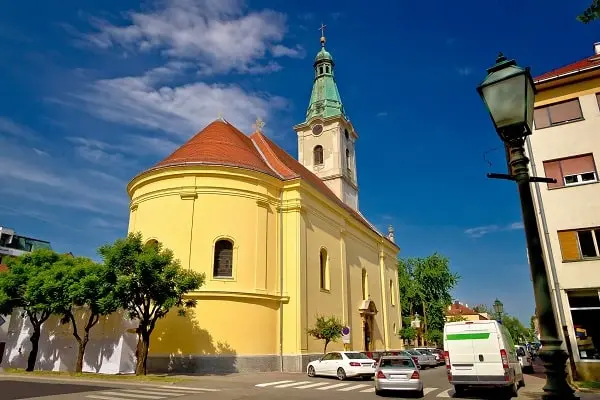
Đakovo is a small town located in the heart of the historic province of Slavonia in eastern Croatia. It belongs administratively to Osijek-Baranja County and is the second-largest city in that county after Osijek. Đakovo has just under 30,000 inhabitants. The history of Đakovo begins in the 11th century with a grant from the Croatian-Hungarian prince Koloman to the Bosnian bishop Ponsi, thus making the bishops masters of Đakovo and the surrounding area. This is when the history of the Diocese of Đakovo begins, which became the Episcopal City and the seat of the Archdiocese of Đakovo. The center of Đakovo is Strossmayer's square, bounded by the cathedral, the curia, the corse, the bishop's court, and the seminary. The most important monument of the city is the impressive Đakovo Cathedral-Basilica of St. Peter, which is also a symbol of the city. The building of the cathedral lasted for 16 years, from 1866 - 1882 and was initiated by Bishop Strossmayer. Behind the cathedral is a beautifully landscaped large park called the Strossmayer park, where the widely known Đakovački vezovi are held each year (a traditional international folklore festival lasting 2 weeks in late June and early July). The pedestrian street in the old town, which extends from the cathedral to All Saints Church, is called Korzo and is a daily meeting place for citizens and tourists. There is also a very interesting Museum of Đakovo, which holds several valuable collections on the history of Đakovo and this part of Slavonia. One of the tourist attractions of Đakovo is the Đakovo Farm of noble Lipizzaner horses, one of the oldest in Europe. Đakovo has many interesting events throughout the year, the most important being New Year's Eve, Đakovački vezovi, Đakovacki rezovi, Đakovo bušari, Half of the New Year, Festival of old town dances and songs, Ivan's crosses, Festival of church singing, Đakovo meetings of Croatian literary critics ... Certainly, a great invitation for all tourists to visit this beautiful city in the heart of Slavonia, which will captivate you with its charm. You can find accommodation in Đakovo in a growing number of apartments and rooms within family accommodation, and in direct contact with private renters, you can get to know the customs and culture of this city. Welcome to Đakovo!

Accommodation objects
2

Đakovo

Višnjan

Višnjan is scenic and picturesque small town and municipality in the county of Istria in Croatia. It is located in the western part of Istria in the area between the river Mirna in the north and the Lim canal in the south, only 14 kilometers from the town of Poreč. It is located on top of a small hill, 244 m above sea level, surrounded by meadows, fields, and forests of oak and hornbeam. Višnjan name derives from the Latin word "Vicinianus" which means near. In the past Višnjan was the closest town to Poreč. It was first mentioned in the 11th century and until the 18th century was surrounded by walls, which were built during the rule of the Venetian Republic. Today, the municipality of Višnjan has as many as 46 smaller settlements in which lives 2,187 inhabitants. The population is mostly engaged in agriculture and cultivation of olive trees, grapevines, fruit, and cattle breeding (famous Istrian cattle Boškarin). Tourism is developing recently, thanks to the rich cultural and musical events, colorful cuisine, unspoiled nature and vicinity to the western coast of Istria. Višnjan is best known at home and abroad by Višnjan observatory, famous for the discovery of many asteroids. Near Višnjan is attractive cave Baredine, a phenomenon of this region which is suited for tourist visits. The ideal way to discover surroundings of Višnjan and its natural beauty are bike trails, such as the famous Star trek in the length of 29 kilometers, passing through Višnjan. Attractive Istrian cuisine is worth trying in small, rural tourism households, taverns, and restaurants that offer superb fresh and homemade food such as Istrian prosciutto, cheese, truffles, olive oil... Visit Višnjan, this picturesque little village in Istria, where you can spend family vacations in peace, quiet and green surrounding of the Istrian peninsula. Search for cheap accommodation in Višnjan and surroundings. Apartments, rooms, and holiday homes cheaper up to 40%, without expensive agency fees. Welcome to Višnjan!

Accommodation objects
2

Višnjan

Virovitica

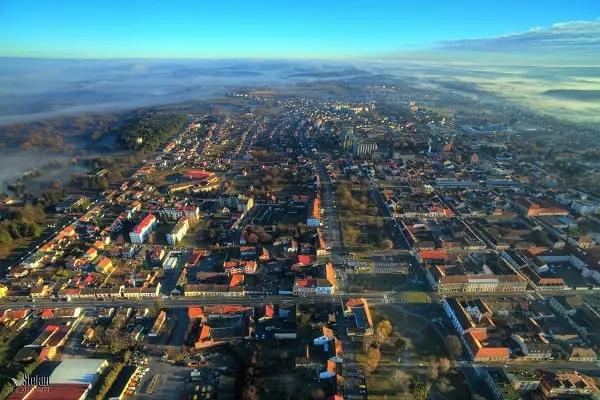
Virovitica is a charming town located in northeastern Croatia, near the border with Hungary. It is the administrative center of Virovitica-Podravina County and has a rich history that dates back to the Roman era. Nestled between the slopes of the Bilogora and Papuk mountains and the fertile plains of the Drava River, Virovitica boasts picturesque landscapes and a strategic position that has shaped its development over the centuries. Historically, Virovitica was first mentioned in written records in 1234, during the reign of the Hungarian-Croatian King Béla IV. Over time, it became a significant cultural and economic hub, especially during the Ottoman invasions and later under the Habsburg Monarchy. The town's history is reflected in its architecture, with notable landmarks such as the Pejačević Castle, an elegant Baroque-style structure surrounded by a beautifully landscaped park. This castle, which once belonged to the noble Pejačević family, is one of the most recognizable symbols of Virovitica. If you enjoy outdoor activities, Virovitica is close to the beautiful Papuk Nature Park, offering numerous hiking and cycling trails with breathtaking views of forests, hills, and wildlife. For those who prefer a more laid-back experience, the Drava River nearby is perfect for fishing, picnicking, or simply enjoying the peaceful riverside scenery. Virovitica also boasts a vibrant local culture. Throughout the year, the town hosts various festivals that celebrate its traditions and local crafts. One of the most popular events is the Rokovo Festival, dedicated to St. Rocco, the town’s patron saint. During this time, the streets come alive with music, parades, and local delicacies. While in Virovitica, don’t miss the opportunity to try some of the region’s traditional cuisine. The town is known for its hearty Podravina dishes, such as kulen (spicy sausage), čobanac (stew), and delicious homemade wines. Despite its relatively small size, Virovitica is a vibrant town that reflects the historical richness and natural beauty of Croatia.

Accommodation objects
2

Virovitica

Rab - Supetarska Draga

Supetarska Draga is a village in Primorje-Gorski Kotar County in Croatia. It is situated in a deep natural and wooded bay on the island of Rab. It has about 1,000 inhabitants and administratively belongs to the town of Rab which is only about 8 kilometers away. The history of the area dates back to ancient times, just like in the neighboring town of Rab, this area was inhabited by the ancient Illyrian tribe Liburnians, then it was inhabited by the Romans and later the Croats from the 9th century. Among the important historical monuments should be noted the Church of St. Peter from the 11th century, the only preserved remnant of the former Benedictine abbey. Today Supetarska Draga is a quiet tourist village that is popular among tourists for its sandy beaches, wooded environment, and a number of uninhabited islands with beautiful beaches that are located just off the coast. These small islands can be reached with rented motorboats and there you can relax in the sun, clear sea and privacy. You can find accommodation in cozy and comfortable apartments, rooms and holiday homes within a private family accommodation. Thanks to the deep natural and protected bay, and long maritime tradition, Rab is also a favorite destination for boaters. From here you can go on day trips to the nearby popular town of Lopar and enjoy its kilometers of sandy beaches and also to the historic city of Rab and experience the history of the island in its narrow stone streets. Contact directly owners of apartments, rooms and holiday homes in Supetarska Draga and spend an idyllic family holiday on the island of Rab, the island of sun, sand, blue sea, and lush greenery. Search for affordable private accommodation in Supetarska Draga on the island of Rab. Welcome to Supetarska Draga!

Accommodation objects
15

Rab - Supetarska Draga

Ivanić Grad

Only 38 kilometers east of the Croatian capital Zagreb, along the Lonja river lies the small and charming Ivanic Grad. According to the last census Ivanic Grad was inhabited by 14,700 people. It was first mentioned in the 13th century and until the 18th century was a very important fortress that defended the freedom of Croatia during the great Turkish conquest. Today Ivanic Grad lives of oil and gas, agriculture, animal husbandry, chemical and metal industry. In recent time tourism is developing. Known for its health resort Naftalan and preserved nature it is popular weekend destination. Worth seeing are many rural households and areas, rich historical and cultural heritage and monuments. Accommodation in Ivanic Grad can be found at very affordable prices, and many rural households beside great food also provide accommodation services. Private accommodation Ivanic Grad. Welcome!

Accommodation objects
0

Ivanić Grad

Dugi Rat

Dugi Rat is a village situated between Split and Omiš and the central place of Dugi Rat riviera consisting of a series of beautiful original Dalmatian places. From east to west riviera consists of Duće, Dugi Rat, Orij, Mali Rat, Sumpetar, Suhi Potok, Krilo Jesenice, and Bajnice. Along the riviera, the mountains covered with pine forests descend to the gravel and sandy beaches, creating an attractive destination for a perfect family vacation. The exceptional natural and tourist value in the municipality of Dugi Rat is a sandy beach that is stretching about 3 km from Dugi Rat to the border with the town of Omis. It was created by the drifts of sand that bring the river Cetina. High quality and cheap accommodation can be found in private apartments and rooms and well-equipped camps. Search for affordable accommodation in Dugi Rat. Welcome to Dugi Rat!

Accommodation objects
4

Dugi Rat

Srima

Srima is a picturesque small town in Šibenik-Knin in Croatia. It is located only 3 kilometers from the town of Vodice, to which it administratively belongs. Srima has about 900 inhabitants who are mostly engaged in the tourism and hospitality industry. A large number of households is offering accommodation services within their private homes. Srima was first mentioned in the 16th century when, because of the frequent Turkish invasions and robberies, residents fled to the nearby island Prvić and founded place Šepurine. At the end of the 17th century, the danger ceases, and the part of the population returned to Srima and then slowly began development of the area. Thanks to the development of tourism in the last twenty years and the gradual expansion, it merged with the city of Vodice, so it practically became Vodice suburb. The biggest attraction in Srima is kilometers of gravel and concrete beach, which stretch along the entire coast. One of the many beaches has the Blue Flag, as proof of clean beach and sea. Along the coast stretches promenade with tamarisk, which connects Srima and Vodice, so with a bit of a longer walk, you can visit the Vodice and its rich cultural and entertainment life. Sights worth visiting in Srima are church Alojzije Stepinac, and Srimska Lokva, where they were found valuable archaeological finds of early Christian two single-aisle basilica from the 6th century. Also worth a visit is the island of Prvić which can be reached in a few minutes by taxi boats. On the island Prvić, you can relax and enjoy the peace and quiet, and very clean seawater. Visit Srima, this very affordable small Dalmatian town with plenty of sunshine, beaches, and clear sea, making it an ideal destination for a perfect family vacation. Search for cheap apartments, rooms and holiday homes for rent. Contact directly owners of private accommodation in Srima and save up to 40% on expensive agency fees. Welcome to Srima!

Accommodation objects
24

Srima